 Sodate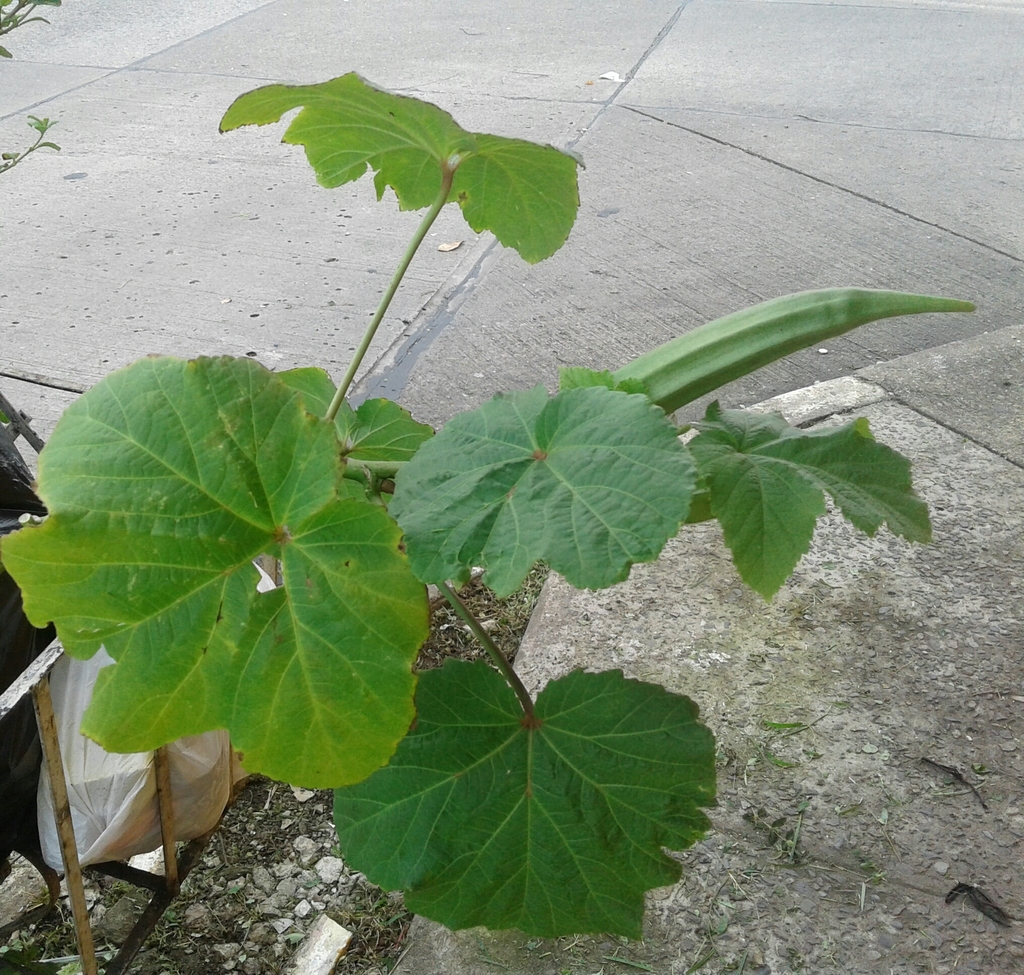
On this page
Okra loves heat. It only takes off once soil and air are consistently warm (above 24°C/75°F) and shrugs off summer conditions that stress tomatoes. Sow direct after the last frost, give it full sun, and harvest pods small (7-10cm) every 1-2 days: pods left longer than about 5 days turn woody and inedible. Seeds cost $2-4 a packet; seedlings $2-5 each.
Key facts
- Native to Africa or South Asia (origin debated), okra is one of the most heat-tolerant common vegetables. It germinates poorly below 18°C but thrives at 30-35°C.
- A member of the mallow family, related to hibiscus and cotton. Its large yellow flowers with maroon centers look distinctly hibiscus-like.
- Pods grow shockingly fast: from flower to harvestable pod in 4-6 days, and oversized pods become woody and fibrous within days after that.
- Plants and pods have fine spines that irritate skin. Most gardeners harvest wearing gloves and long sleeves, or grow 'spineless' varieties like 'Clemson Spineless'.
Care requirements#
| Plant type | Outdoor warm-season annual vegetable |
| Growing medium | Well-drained garden soil enriched with compost; also grows well in 30L+ containers |
| Light needs | Full sun. 6-8+ hours of direct light daily |
| Sowing season | Direct sow 2-3 weeks after last frost, once soil is above 18°C (65°F); year-round in tropical climates |
| Water frequency | 2.5cm (1in) per week; deep watering during flowering and pod set improves yield |
| Temperature range | Thrives at 24-35°C (75-95°F); growth stalls below 18°C; frost kills it |
| Spacing | 30-45cm between plants, 90cm between rows |
| Fertilizer | Compost at planting plus a balanced feed when pods start forming; too much nitrogen gives leaves instead of pods |
| Soil pH | 6.0-6.8 |
| Support needs | None: the sturdy upright stalk is self-supporting, reaching 1-2m |
| Companion plants | Peppers, cucumbers, basil; avoid planting where nematode-prone crops just grew |
| Toxicity | Pods and leaves edible; fine spines on plant can irritate skin (wear gloves to harvest) |
Growth & propagation#
| Days to harvest | 50-65 days from direct sowing |
| Yield per plant | 20-30+ pods over a season with frequent picking |
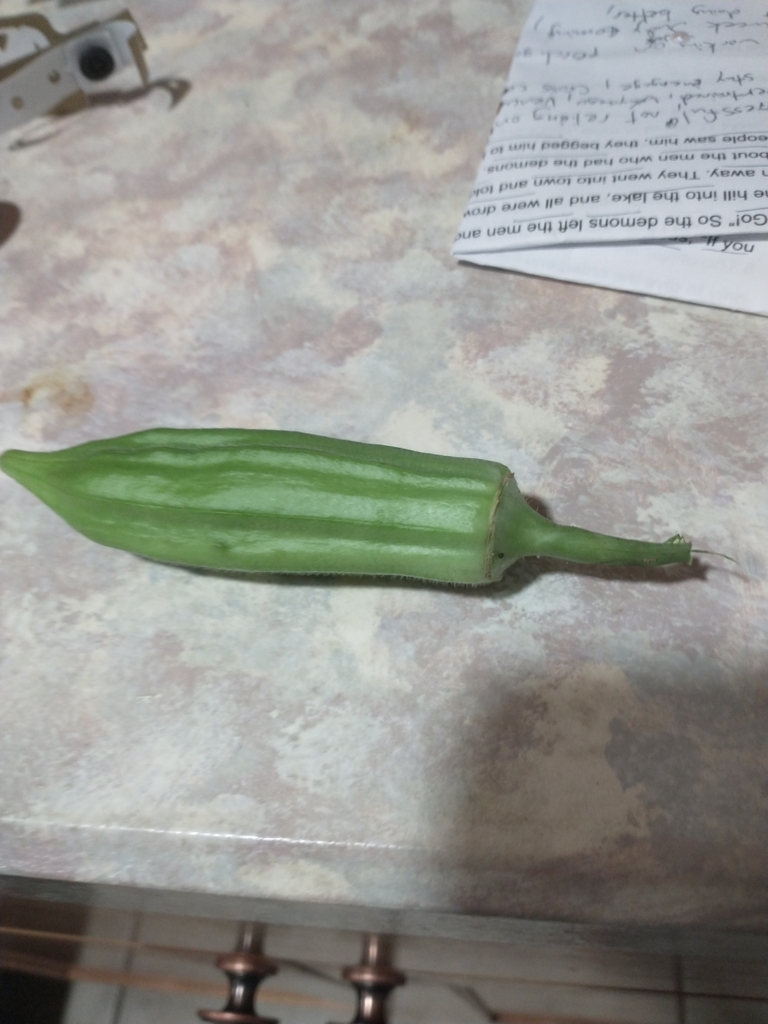
| Harvest size | Pick pods at 7-10cm (3-4in), 4-6 days after flowering, larger pods turn woody |
| Edible parts | Young pods; leaves are also edible cooked but rarely used |
| Propagation methods | Direct-sown seed; soak seed overnight to speed germination |
| Pruning needs | Remove lowest leaves as pods are harvested up the stalk; cutting the top in late season can trigger side-branching |
Common problems & troubleshooting#
| Symptom | Likely cause | Fix |
|---|---|---|
| Pods tough, woody, and fibrous | Pods left on the plant too long. Okra becomes inedible within days of reaching full size | Harvest every 1-2 days at 7-10cm; woody pods can't be salvaged, so remove them to keep the plant producing |
| Seeds fail to germinate or rot in soil | Sown into cold soil (below 18°C). Okra germination is very temperature-sensitive | Wait 2-3 weeks after last frost, soak seed overnight before sowing, or pre-warm beds with black plastic |
| Plant grows but drops flowers without setting pods | Cool nights, water stress, or excess nitrogen | Keep watering even, stop high-nitrogen feeds; pod set resumes when warm weather stabilizes |
| Yellowing leaves and stunted plants that wilt in heat | Root-knot nematodes. A major okra pest in warm regions, causing galled roots | Pull and inspect roots for galls; rotate okra to a fresh bed for 2-3 years and plant marigolds as a suppressant |
| Curled, sticky leaves with tiny insects underneath | Aphids or whiteflies, common on okra in hot weather | Blast off with water, apply insecticidal soap or neem oil in the evening |
Never miss the 2-day harvest window
Sodate reminds you to check okra pods every couple of days at peak season, before they turn woody on the plant.
Seasonal care#
Varieties & cultivars#
| Variety | Distinguishing trait | Note |
|---|---|---|
| 'Clemson Spineless' | Nearly spineless pods and foliage, the US standard since 1939 | Easiest to harvest without gloves |
| 'Emerald' | Smooth, round dark-green pods that stay tender slightly longer | Good for slower harvest schedules |
| 'Burgundy' | Deep red pods and stems, ornamental and edible | Pods turn green when cooked |
| 'Pusa Sawani' | Classic Indian bhindi variety bred for yellow-vein mosaic resistance | Widely grown across India |
Buying checklist#
- For seed: check the packet date. Okra seed loses viability quickly after 2-3 years
- Seedlings should be young and small; okra hates root disturbance and older transplants sulk
- Stem sturdy and green with no yellowing lower leaves
- Choose spineless varieties if you'll harvest bare-handed
- Match variety to your season length. Dwarf types for short summers
Pricing by region#
| Region | Price range | Typical unit | Basis |
|---|---|---|---|
| US | $2 – $5 | Seed packet or single seedling | Garden centre + seed catalogue retail |
| UK | $3 – $6 | Seed packet (greenhouse crop in UK) | Seed catalogue retail |
| India | $0.15 – $0.6 | Seed packet (bhindi) | Local agri store + online seed retail |
| Australia | $2 – $6 | Seed packet or seedling punnet | Nursery + garden centre |
| Canada | $2 – $5 | Seed packet | Seed catalogue retail |
USD figures are approximate conversions for comparison; switch the dropdown to see each region's actual local-currency listing price.
Often confused with#
Name confusion warning#
Many names, one plant. Okra (US), lady's finger (India, UK, Commonwealth), bhindi (Hindi), gumbo (US South, also the name of the stew it thickens), and okro (West Africa) all refer to Abelmoschus esculentus. Note that 'lady finger' can also mean a small banana variety in Australia and a sponge biscuit, context matters.
Where it's actually grown#
Okra seed is mass-produced in warm regions, India (the world's largest okra producer), the southern US, and China, and sold through mainstream seed catalogues everywhere. Seedlings are less commonly sold than seed because okra transplants poorly.
Import & biosecurity restrictions#
| Region | Note |
|---|---|
| Australia | Seed imports require permits and phytosanitary certificates under biosecurity law; domestic seed widely available. |
| US | Domestic seed sale unrestricted; a warm-climate staple crop across the South. |
| UK | Seed freely available; okra generally needs a greenhouse or polytunnel to crop reliably in the UK climate. |
| India | No restriction. Bhindi is one of India's most-grown vegetables, with state-bred varieties widely distributed. |
| Canada | Seed packets clear customs without issue; short warm season limits it to quick varieties or greenhouse growing. |
Similar plants
Did you know?
Frequently asked questions
How long does okra take to grow?
About 50-65 days from direct sowing to first harvest, provided the weather is genuinely warm, growth stalls below 18°C.
Why are my okra pods tough and woody?
They were left on the plant too long. Pick pods at 7-10cm, roughly 4-6 days after flowering, and check plants every 1-2 days at peak season.
Does okra need full sun?
Yes. 6-8+ hours of direct sun plus real summer heat. Okra is one of the most heat-loving common vegetables and sulks in cool conditions.
Can I grow okra in a container?
Yes, in a 30L+ pot in full sun; dwarf varieties like 'Baby Bubba' suit containers best. Water more often than in-ground plants.
Is okra the same as lady's finger?
Yes. Lady's finger (or bhindi in India) is the same plant, Abelmoschus esculentus; okra is the more common name in the US.