 Sodate
On this page
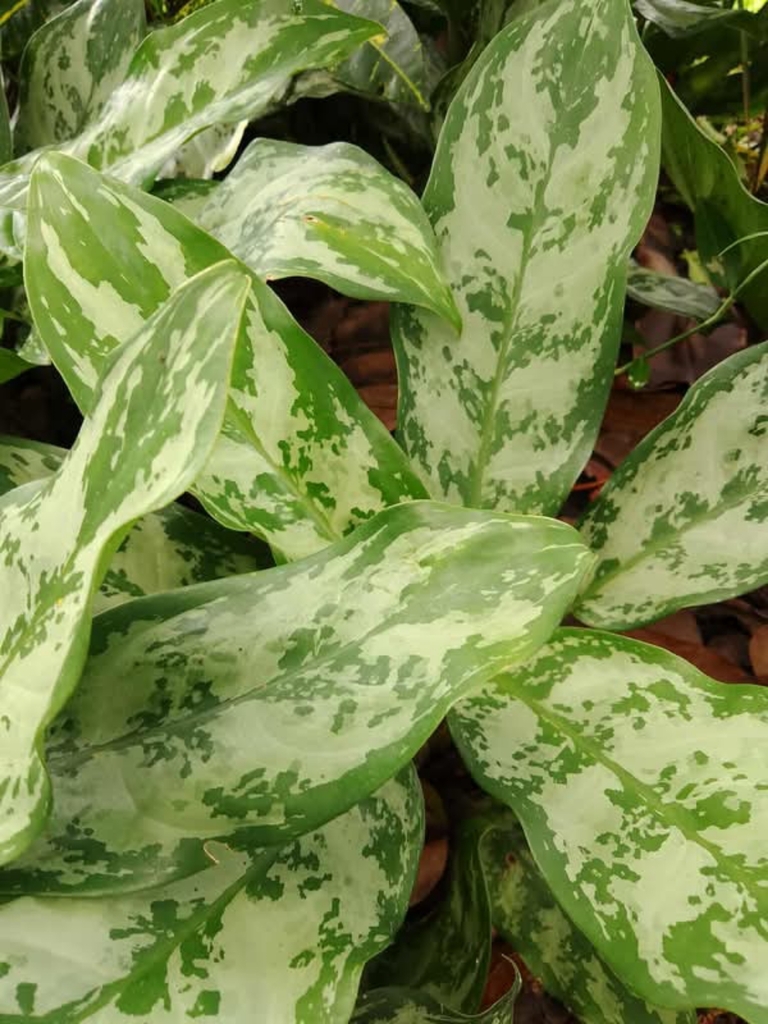
Red aglaonema is a color-bred cultivar group of the Chinese evergreen. Same easy care as the green base plant, with two deltas: the pink-red pigment needs brighter light to stay vivid (in deep shade it dulls to green), and the red forms are more cold-sensitive, keep them above 15°C. Expect to pay roughly 1.5-2x the price of a plain green aglaonema. Toxic to cats and dogs.
Key facts
- Red cultivars ('Red Valentine', 'Siam Aurora', 'Red Anjamani') were bred in Thailand and Indonesia from hybrid crosses, mostly since the 1980s. See the Chinese evergreen guide for the base species.
- The red-pink color comes from anthocyanin pigments layered over chlorophyll; in low light the plant favors chlorophyll and the red visibly dulls.
- Red forms are more cold-sensitive than green aglaonemas. Chilling damage starts below about 13-15°C (55-59°F).
- Toxic to cats and dogs, like all aglaonemas (calcium oxalate crystals).
Care requirements#
| Plant type | Indoor (outdoors year-round only in USDA 10-12) |
| Growing medium | Well-draining peat-based houseplant mix |
| Light needs | Bright indirect light for vivid red color. Brighter than the green base plant needs; tolerates medium light but the red dulls |
| Water frequency | Every 7-10 days, when the top 3-5cm of soil is dry |
| Humidity | 40-60%; tolerates average homes |
| Temperature range | 18-27°C (65-80°F); never below 15°C. Red forms chill-damage before green ones |
| Fertilizer | Half-strength balanced feed monthly in spring-summer |
| Soil pH | 5.6-6.5 |
| Drainage needs | Moderate-high; avoid waterlogged soil |
| Pot recommendation | Plastic or glazed pot with drainage; it likes staying slightly moist longer than terracotta allows |
| Hardiness zone (outdoor) | USDA 10-12 |
| Toxicity | Toxic to cats, dogs, and humans if chewed (calcium oxalate crystals) |
Growth & propagation#
| Mature size | 30-60cm tall and wide, clumping |
| Growth rate | Slow: a few new leaves per month in season |
| Propagation methods | Division of the clump; stem cuttings root in water or moist mix |
| Propagation difficulty | Easy via division at repotting time |
| Repotting schedule | Every 2-3 years; it tolerates being root-bound |
| Pruning needs | Remove spent lower leaves; pinch flower spathes to keep energy in foliage |
Common problems & troubleshooting#
| Symptom | Likely cause | Fix |
|---|---|---|
| Red color fading to mostly green | Too little light. The plant prioritizes chlorophyll | Move to bright indirect light; new leaves regain the red flush |
| Greasy-looking dark patches on leaves | Chilling injury from temperatures below ~13°C or cold drafts | Move away from cold windows and AC vents; damaged leaves won't recover but new growth will be clean |
| Yellowing lower leaves | Overwatering, or normal shedding of oldest leaves | Let the top few centimetres of soil dry before watering; remove yellowed leaves |
| Brown crispy edges | Very dry air or fertilizer salt buildup | Raise humidity, flush the pot with plain water every few months |
| Bleached, washed-out patches | Direct sun scorching the pigmented tissue | Pull back from direct rays; bright indirect is the ceiling |
Easy plant, easy schedule
Sodate keeps aglaonema watering on a relaxed rhythm so you never drown an easy plant.
Seasonal care#
Varieties & cultivars#
| Variety | Distinguishing trait | Note |
|---|---|---|
| 'Red Valentine' | Pink leaves speckled and edged green | The most common red aglaonema in trade |
| 'Siam Aurora' | Green leaves with bright red margins and midrib | Holds color well in medium light |
| 'Red Anjamani' | Nearly solid tomato-red leaves | The reddest form; needs the most light |
Buying checklist#
- Color should be vivid, not muddy. Dull pink means it's been sitting in low light
- Check for greasy dark patches: chilling damage from cold transport is common in winter shipments
- A full clump with multiple stems divides into free plants later
- Verify the cultivar name if you want a specific red. 'red aglaonema' covers several distinct plants
Pricing by region#
| Region | Price range | Typical unit | Basis |
|---|---|---|---|
| US | $15 – $45 | 4-8in pot | Nursery + online retail; roughly 1.5-2x green aglaonema |
| UK | $15 – $44 | 12-17cm pot | Garden centre + online retail |
| India | $2 – $10 | 4-8in pot | Urban nursery + online; Thailand-adjacent supply keeps prices low |
| Australia | $16 – $40 | 130-200mm pot | Nursery + garden centre |
| Canada | $16 – $44 | 4-8in pot | Garden centre retail |
USD figures are approximate conversions for comparison; switch the dropdown to see each region's actual local-currency listing price.
Often confused with#
Where it's actually grown#
Red aglaonema breeding is centred in Thailand and Indonesia, where hybridizers have produced dozens of named reds since the 1980s; Western retail stock is tissue-cultured and finished in Florida and Dutch greenhouses.
Import & biosecurity restrictions#
| Region | Note |
|---|---|
| Australia | Live plant imports restricted under biosecurity law; red cultivars available domestically at a premium. |
| US | No restriction; widely available from Florida growers. |
| UK | No restriction; stocked by larger garden centres. |
| India | No restriction; abundant and cheap given proximity to Thai breeders. |
| Canada | CFIA permits for commercial imports; sold as houseplants. |
Similar plants
Did you know?
Frequently asked questions
How is red aglaonema different from a regular Chinese evergreen?
It's the same species group bred for pink-red pigment. Care is identical except it needs brighter light to hold its color and is more cold-sensitive, and it costs roughly 1.5-2x more.
Why is my red aglaonema turning green?
Not enough light. The red anthocyanin pigment fades and chlorophyll dominates in shade. Move it to bright indirect light and new leaves will redden.
Is red aglaonema pet-safe?
No. Like all aglaonemas it contains calcium oxalate crystals and is toxic to cats and dogs.
How cold can red aglaonema tolerate?
Keep it above 15°C (59°F); red cultivars show chilling damage (dark greasy leaf patches) sooner than green forms.
How much does a red aglaonema cost?
Typically $15-$45 in the US depending on cultivar and size, versus around $10-$25 for a plain green aglaonema.