 Sodate
On this page
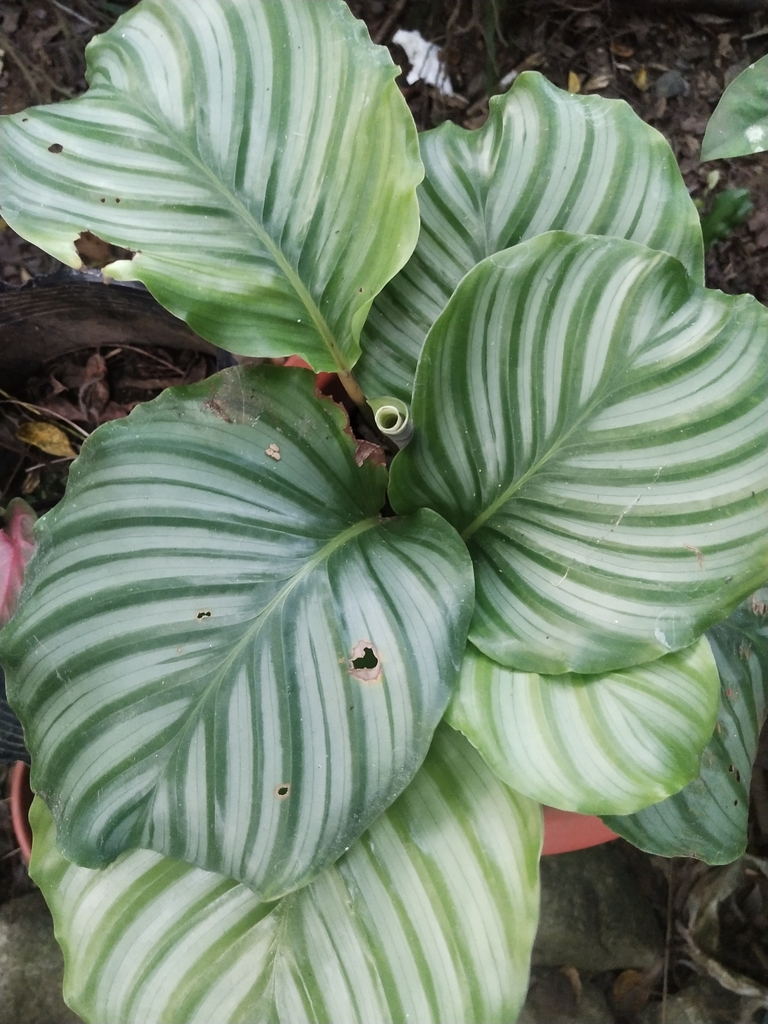
Calathea Medallion is a demanding plant and it is worth being honest about that before you buy. It browns at the leaf edges when watered with hard or chlorinated tap water, so distilled water, filtered water or rainwater is effectively mandatory. It also wants sustained humidity above 60%, which most centrally heated homes do not provide without a humidifier. Get water and humidity right and it is a stunning, genuinely pet-safe foliage plant. Get them wrong and it browns steadily. Typical price $15-$35.
Key facts
- Fluoride, chlorine and dissolved salts in ordinary tap water accumulate in the leaf margins and cause permanent crisp brown edges; distilled water or rainwater avoids this.
- It needs high humidity, ideally above 60%, which is well above the 30-45% typical of a heated home in winter.
- Leaves fold upward at night and open during the day, a movement called nyctinasty, driven by a swollen hinge at the base of each leaf stalk.
- It is completely non-toxic to cats and dogs, which is the main reason people persist with a plant this fussy.
Care requirements#
| Plant type | Indoor only; a tropical understorey perennial |
| Growing medium | Peat-free airy mix with coir, bark and perlite; must stay evenly moist but never soggy |
| Light needs | Medium to bright indirect light; direct sun bleaches the pattern and scorches leaves |
| Water frequency | Every 5-7 days, keeping the top 2cm just moist; use distilled water, filtered water or rainwater |
| Humidity | 60%+ needed; a humidifier is the only reliable way to hold this in a heated home |
| Temperature range | 18-27°C (65-80°F); no cold draughts and never below 15°C (59°F) |
| Fertilizer | Half-strength balanced feed monthly in spring and summer; salts build up fast, so flush the pot quarterly |
| Soil pH | 6.0-6.5 |
| Drainage needs | High: evenly moist, never waterlogged; root rot follows standing water |
| Pot recommendation | Plastic or glazed pot with drainage; terracotta dries out too fast for it |
| Hardiness zone (outdoor) | USDA 11-12; grown indoors everywhere else |
| Toxicity | Non-toxic to cats, dogs and humans |
Growth & propagation#
| Mature size | 60-90cm tall and wide indoors |
| Growth rate | Moderate in good conditions, slow if humidity is short |
| Propagation methods | Rhizome division at repotting; stem cuttings do not work |
| Propagation difficulty | Moderate: divisions sulk and often lose leaves before re-establishing |
| Repotting schedule | Every 2 years in spring, into a pot only one size up |
| Pruning needs | Cut browned leaves at the base rather than trimming edges, which browns again at the cut |
Common problems & troubleshooting#
| Symptom | Likely cause | Fix |
|---|---|---|
| Crisp brown leaf edges all around the leaf | Minerals, chlorine or fluoride in tap water, plus low humidity | Switch to distilled water or rainwater, flush the pot to leach salts, and raise humidity with a humidifier |
| Leaves curling inward and staying curled during the day | Underwatering or air that is too dry | Water thoroughly and raise humidity; leaves that curl at night and open by morning are normal |
| Faded, washed-out pattern | Too much direct light | Move out of direct sun into medium to bright indirect light |
| Fine webbing and stippled yellow dots on leaves | Spider mites, which thrive in the dry air calatheas hate | Rinse the foliage, treat with insecticidal soap weekly for three weeks, and fix the humidity |
| Yellowing lower leaves with mushy stems | Overwatering or a pot with no drainage | Let the top layer dry slightly between waterings and repot into a mix with more bark and perlite |
A fussy plant needs a smarter schedule
Sodate reads your real light, humidity and season instead of handing you a fixed weekly reminder, which is exactly what a calathea punishes you for.
Seasonal care#
Varieties & cultivars#
| Variety | Distinguishing trait | Note |
|---|---|---|
| Calathea Medallion (Goeppertia veitchiana) | Round leaves, feathered pale centre, purple reverse | The standard retail form |
| 'Silver Plate' | Broader silvery central zone | Sold as a Medallion selection |
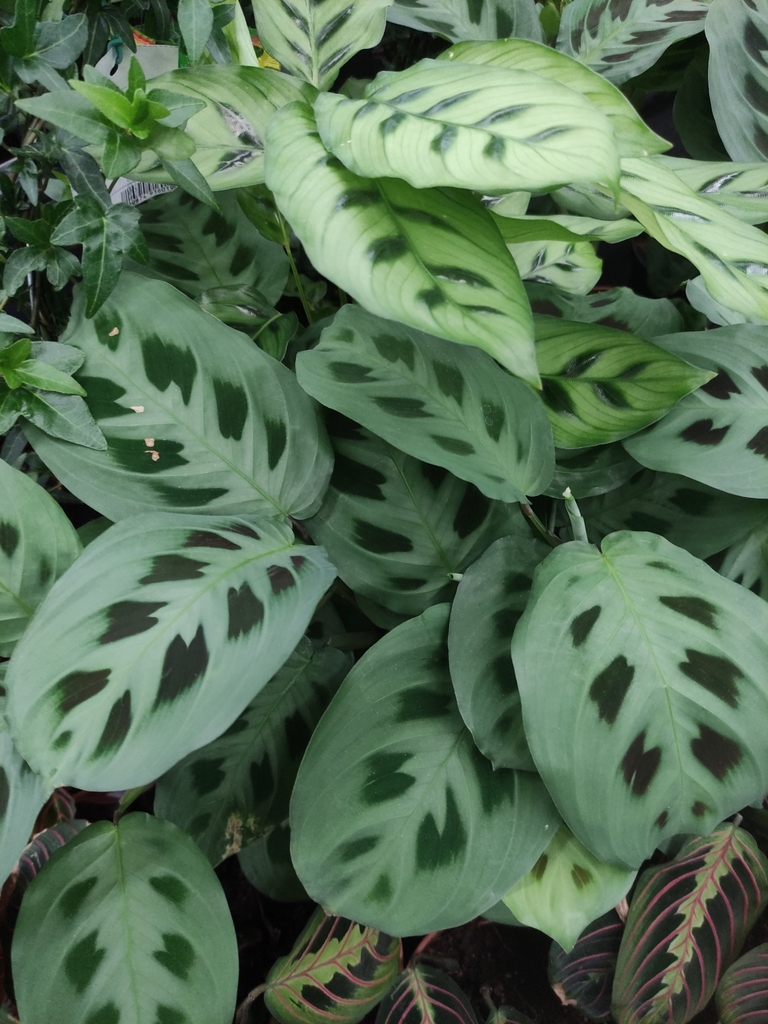
| Goeppertia orbifolia | Larger plain silver-striped round leaves | Often shelved beside Medallion; slightly more tolerant |
Buying checklist#
- Leaf edges are unbroken and green, with no existing brown crisping
- New leaves are rolled and emerging from the centre, showing active growth
- No fine webbing between leaf stalks (spider mites are common on shop calatheas)
- You have a plan for distilled or filtered water and a humidifier before you buy
Pricing by region#
| Region | Price range | Typical unit | Basis |
|---|---|---|---|
| US | $15 – $35 | 6in pot | Big-box + specialist nursery retail |
| UK | $13 – $32 | 14-17cm pot | Garden centre retail |
| India | $5 – $14 | 6in pot | Urban nursery retail |
| Australia | $16 – $36 | 150mm pot | Nursery + garden centre |
| Canada | $15 – $34 | 6in pot | Garden centre retail |
USD figures are approximate conversions for comparison; switch the dropdown to see each region's actual local-currency listing price.
Often confused with#
Name confusion warning#
Most plants sold as "Calathea" were moved into the genus Goeppertia in 2012, so Medallion is correctly Goeppertia veitchiana. Labels still say Calathea almost everywhere. "Medallion" itself is a trade name, not a botanical one, and is occasionally applied to other round-leaved Goeppertia.
Where it's actually grown#
Retail Medallion plants come from tissue-culture production in the Netherlands, Costa Rica, Florida and increasingly China and Thailand. Wild Goeppertia veitchiana grows in the Peruvian Amazon understorey; it is not a wild-collected trade plant.
Import & biosecurity restrictions#
| Region | Note |
|---|---|
| Australia | Live plant imports restricted under biosecurity law; tissue-culture stock is grown domestically. |
| US | Domestic sale unrestricted; most stock is Florida-grown from imported plugs. |
| UK | Phytosanitary certificates required for commercial imports post-Brexit; retail sale unrestricted. |
| India | No restriction; needs shade and humidity, so it does poorly in dry-season indoor air without help. |
| Canada | CFIA permits required for commercial imports; sold widely as a houseplant. |
Similar plants
Ranked in these guides
Did you know?
Frequently asked questions
Is Calathea Medallion a good beginner plant?
No. It is a demanding plant that browns with ordinary tap water and needs sustained humidity above 60%. A prayer plant or pothos is a much better first plant.
Why does my Calathea Medallion get brown edges?
Almost always minerals, chlorine or fluoride in tap water, made worse by dry air. Switch to distilled water or rainwater and raise humidity.
What water should I use for a calathea?
Distilled water, reverse-osmosis water or collected rainwater. Filtered tap water helps but does not remove dissolved salts.
Is Calathea Medallion safe for pets?
Yes. It is non-toxic to cats and dogs.
How much does a Calathea Medallion cost?
Usually $15-$35 in the US for a 6-inch pot.