 Sodate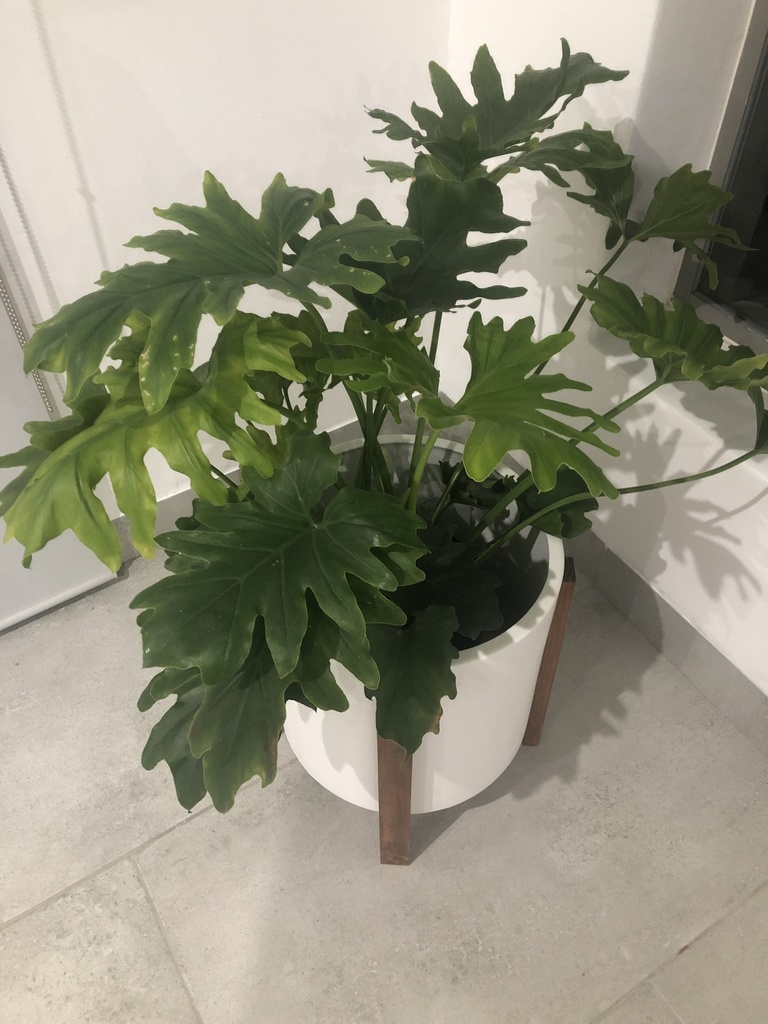
On this page
Xanadu is not a climbing philodendron and is no longer botanically a Philodendron at all. It was reclassified as Thaumatophyllum xanadu in 2018. It self-heads into a wide, shrubby mound rather than vining, needs floor space rather than a moss pole, tolerates a fairly wide light range, and is toxic to cats and dogs like every other aroid. Typical price $20-$50.
Key facts
- Reclassified in 2018: Philodendron subgenus Meconostigma was split off into the genus Thaumatophyllum, so Xanadu's correct name is Thaumatophyllum xanadu. Almost all retail labels still say Philodendron.
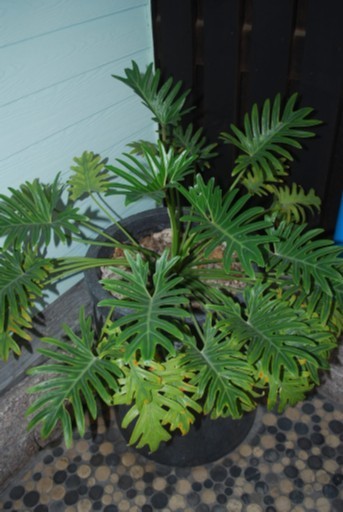
- It is self-heading, not climbing. It produces leaves from a short central trunk and spreads outwards, so it will never need a moss pole and cannot be trained up a wall.
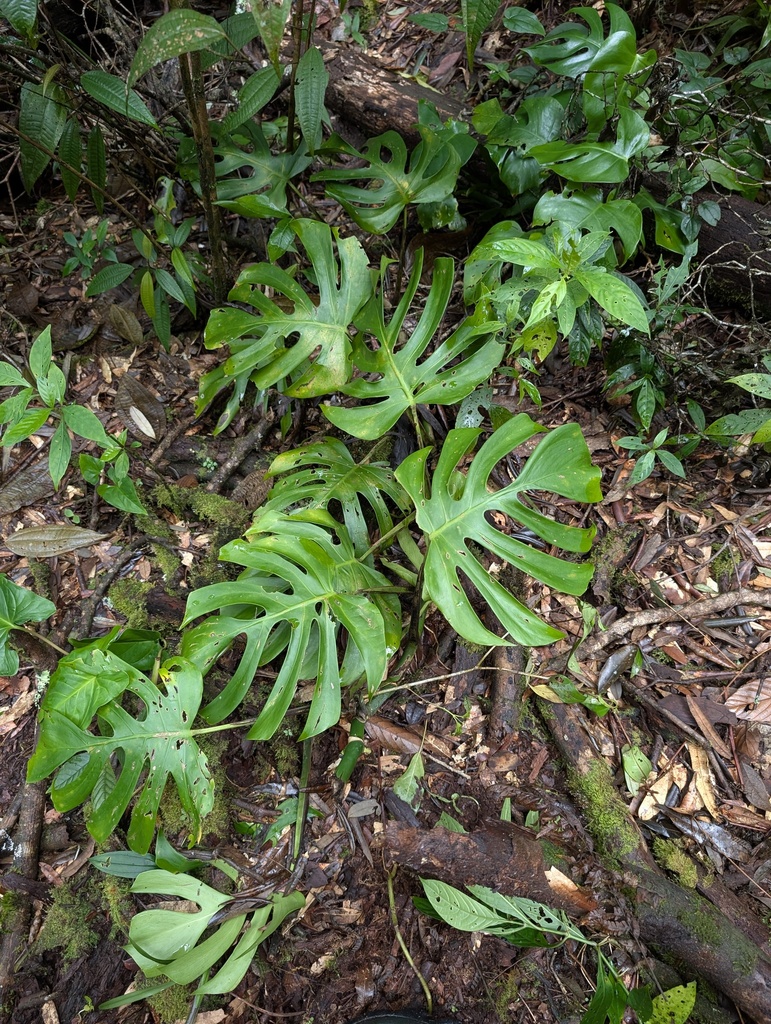
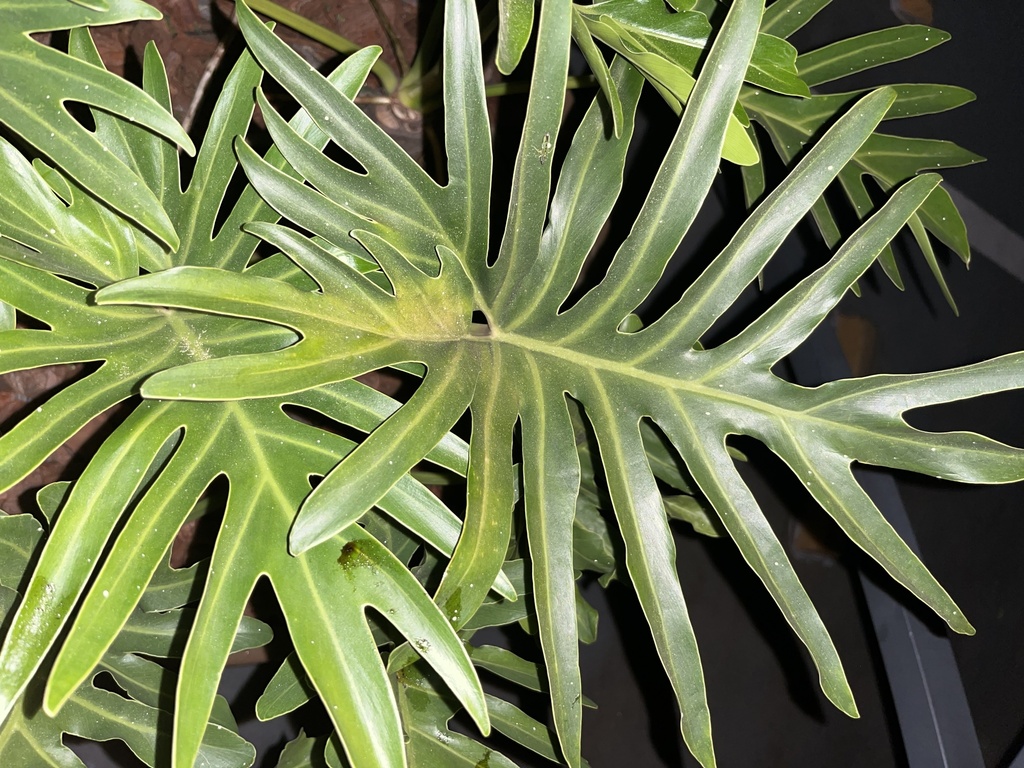
- The deep finger-like lobes are present even on young plants, unlike Monstera deliciosa which starts with solid juvenile leaves and only fenestrates as it matures.
- Xanadu is an Australian-registered cultivar selection, originally patented, and was long the subject of a dispute over whether it was bred in Western Australia or arose from Brazilian seed.
Care requirements#
| Plant type | Indoor self-heading aroid; grown outdoors as a landscape shrub in USDA zones 9b-11 |
| Genus page | Philodendron. For the climbing, heart-leaved relatives |
| Growing medium | Standard houseplant mix with added bark and perlite for aeration |
| Light needs | Bright indirect light preferred; it tolerates medium light but grows leggier and less densely lobed |
| Water frequency | Every 7-10 days when the top 3-5cm is dry; it is more drought-tolerant than most aroids thanks to thick roots |
| Humidity | 40-60%; ordinary room humidity is genuinely adequate, unlike calatheas or velvet anthuriums |
| Temperature range | 18-29°C (65-85°F); damaged below 10°C |
| Fertilizer | Balanced liquid feed at half strength monthly through spring and summer |
| Soil pH | 5.5-7.0 |
| Drainage needs | High; it copes with brief dryness far better than with a waterlogged pot |
| Pot recommendation | Wide, heavy pot. A mature Xanadu is top-heavy and spreads sideways rather than upwards |
| Toxicity | Toxic to cats, dogs and humans; calcium oxalate crystals cause mouth burning, drooling and swelling |
Growth & propagation#
| Mature size | 60-90cm tall and up to 1.5m wide indoors. Plan for the width, not the height |
| Growth habit | Self-heading: leaves radiate from a short, thickening trunk that eventually lifts the crown a little off the soil |
| Growth rate | Moderate; a handful of large new leaves each growing season |
| Propagation methods | Division of basal offsets, or stem cuttings from the short trunk with at least one node and aerial root |
| Propagation difficulty | Intermediate: there are no long vine sections to cut, so you are dependent on offsets appearing |
| Repotting schedule | Every 2-3 years into a wider rather than deeper pot; refresh the top layer of mix annually in between |
Common problems & troubleshooting#
| Symptom | Likely cause | Fix |
|---|---|---|
| New leaves come in small with shallow or missing lobes | Insufficient light. Lobe depth is light-dependent in this species | Move to brighter indirect light; existing leaves stay as they are, but new ones will develop full lobing |
| Plant flops open and bare trunk becomes visible in the centre | Natural ageing plus reaching toward a one-sided light source | Rotate the pot a quarter turn weekly, and bury the exposed trunk deeper when repotting so it re-roots |
| Yellowing lower leaves with soggy mix | Overwatering; Xanadu's thick roots rot in constantly wet soil | Let the top 5cm dry between waterings and check that the pot drains freely |
| Brown crispy leaf tips | Very dry air, fertiliser salt buildup or inconsistent watering | Flush the pot with plain water every couple of months and water on a more regular rhythm |
| Sticky residue and small brown bumps along the petioles | Scale insects, the most common Xanadu pest | Scrape them off with a fingernail or cotton bud dipped in alcohol, then treat with horticultural oil and re-check weekly |
A big plant that asks for very little
Sodate builds simple seasonal watering and feeding quests for Xanadu so a low-maintenance plant stays that way.
Seasonal care#
Varieties & cultivars#
| Variety | Distinguishing trait | Note |
|---|---|---|
| Thaumatophyllum xanadu (this plant) | Compact self-heading mound, deeply finger-lobed leaves | Sold universally as Philodendron Xanadu |
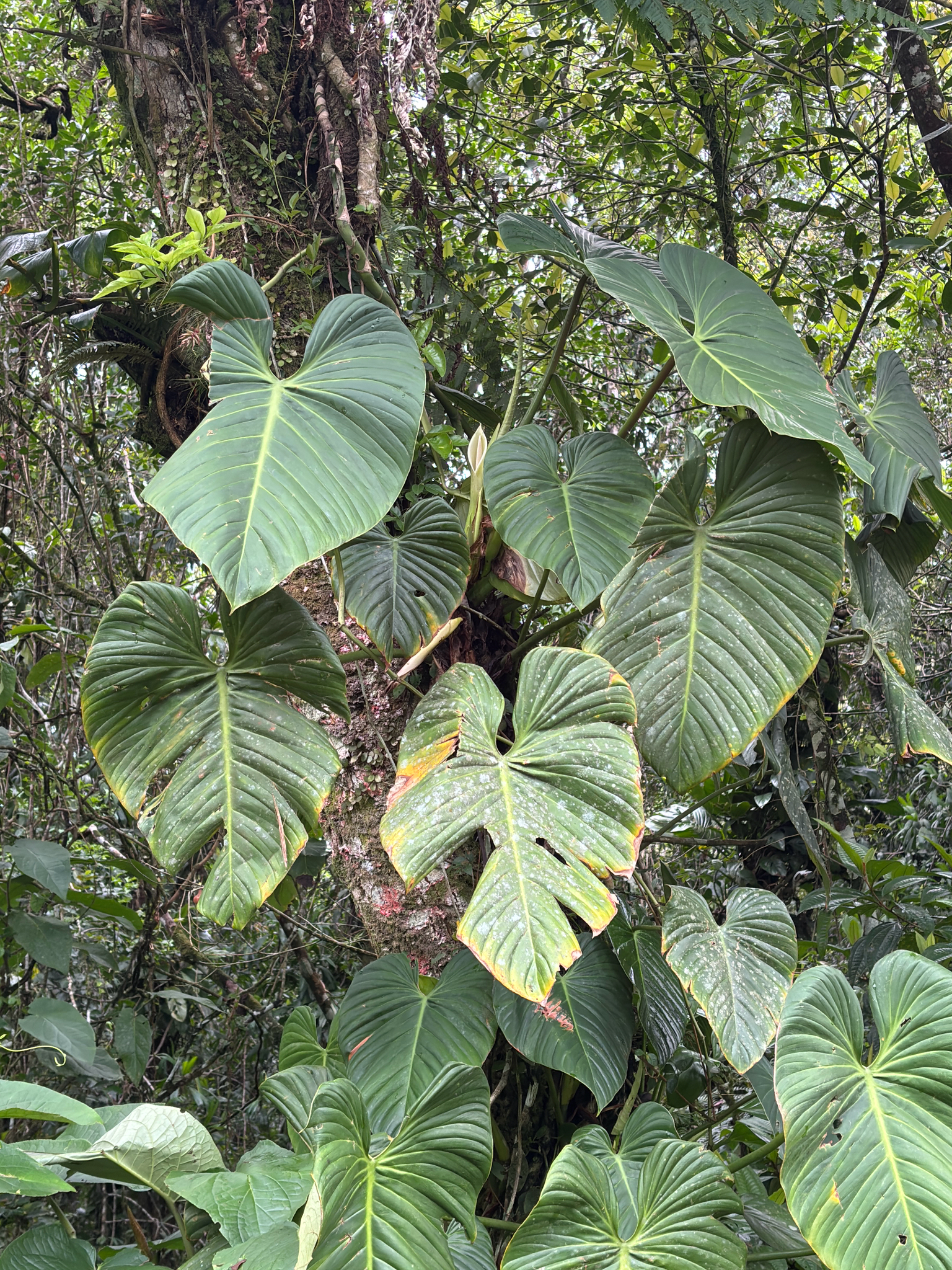
| Thaumatophyllum bipinnatifidum (Selloum) | The same self-heading habit but far larger, to 2m+ | Xanadu is essentially the compact alternative to Selloum |
| Philodendron 'Little Hope' | Smaller lobed leaves on a tighter clump | Often confused with Xanadu; more compact still |
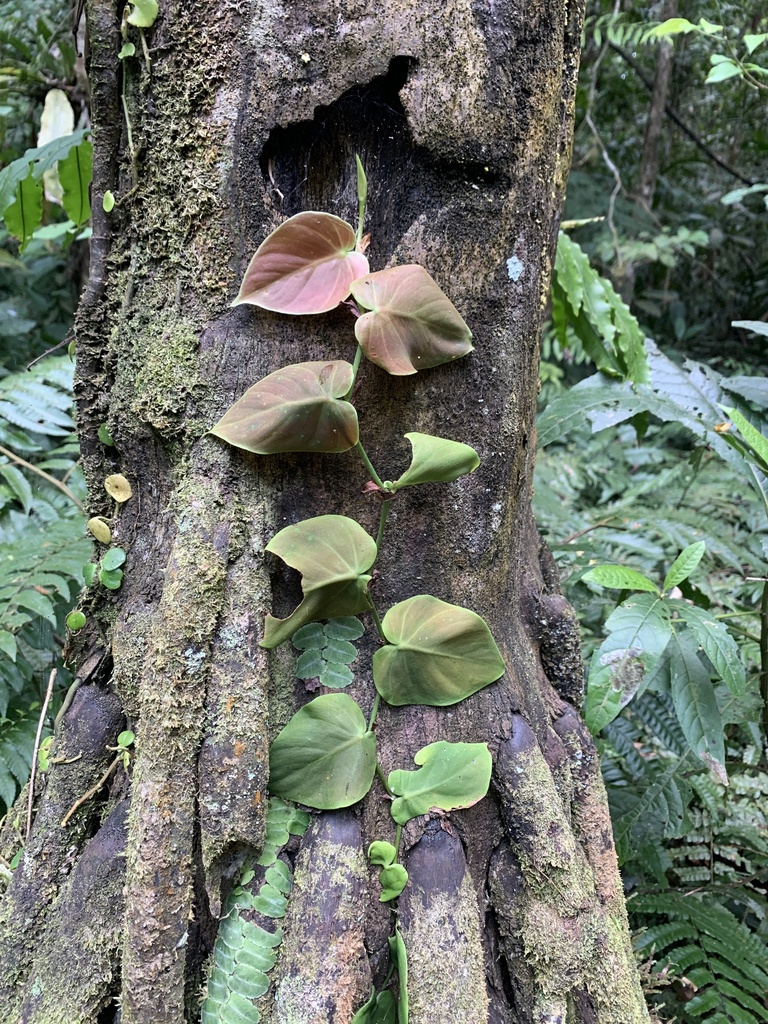
| Philodendron hederaceum | Climbing vine with plain heart-shaped leaves | The classic vining philodendron. See the genus guide |
Buying checklist#
- Leaves are deeply lobed rather than shallowly wavy. Shallow lobes mean the plant was grown too dark
- The clump is dense and even all round, not leaning heavily to one side
- Check petioles and leaf undersides for scale, which is endemic on nursery Xanadu
- Pot is wide enough that the plant is not already toppling
- No soft or blackened tissue where the petioles meet the trunk
Pricing by region#
| Region | Price range | Typical unit | Basis |
|---|---|---|---|
| US | $20 – $50 | 8-10in pot | Nursery + big-box retail |
| UK | $19 – $48 | 19-24cm pot | Garden centre retail |
| India | $5 – $18 | 8in pot | Urban nursery retail |
| Australia | $16 – $45 | 200mm pot | Nursery retail; grown outdoors in warm AU zones |
| Canada | $22 – $55 | 8-10in pot | Garden centre retail |
USD figures are approximate conversions for comparison; switch the dropdown to see each region's actual local-currency listing price.
Often confused with#
Name confusion warning#
Xanadu was moved out of Philodendron into the genus Thaumatophyllum in 2018, so its correct name is Thaumatophyllum xanadu. Virtually every retail label and plant tag still reads 'Philodendron Xanadu'. Both refer to the same plant, and no price difference is justified by the label.
Where it's actually grown#
Xanadu is mass-produced by tissue culture in Florida, the Netherlands, Australia and Southeast Asia, and is also grown outdoors as a landscape shrub in warm climates, which keeps prices low in Australia and southern US states relative to genuinely tropical collector aroids.
Import & biosecurity restrictions#
| Region | Note |
|---|---|
| Australia | Live plant imports restricted under biosecurity law, but Xanadu is grown domestically at scale as a landscape plant and is cheap and widely available. |
| US | Domestic sale unrestricted; grown outdoors year-round in Florida and similar zone 9b-11 areas. |
| UK | Plant health certificates required for imports; grown strictly as an indoor plant given UK winters. |
| India | No restriction; thrives in shaded outdoor spots in warm Indian cities as well as indoors. |
| Canada | CFIA import permit required for commercial imports; indoor-only given the climate. |
Similar plants
Did you know?
Frequently asked questions
Is Philodendron Xanadu a climbing plant?
No. Xanadu is self-heading: it grows outwards from a short central trunk into a wide shrubby mound and will never climb, so it does not need a moss pole.
Why is Philodendron Xanadu now called Thaumatophyllum?
A 2018 reclassification moved Philodendron subgenus Meconostigma into the new genus Thaumatophyllum, making the correct name Thaumatophyllum xanadu. Retail labels still overwhelmingly use the old name.
Is Philodendron Xanadu toxic to pets?
Yes. Like all aroids it contains insoluble calcium oxalate crystals and is toxic to cats and dogs, causing mouth pain, drooling and swelling if chewed.
How big does Philodendron Xanadu get indoors?
About 60-90cm tall but up to 1.5m across, so it needs floor space and a wide, heavy pot rather than a shelf.
Why are my Xanadu's leaves not deeply lobed?
Lobe depth depends on light. In dim conditions new leaves come in smaller with shallow lobes. Move it to brighter indirect light and subsequent leaves will develop properly.