 Sodate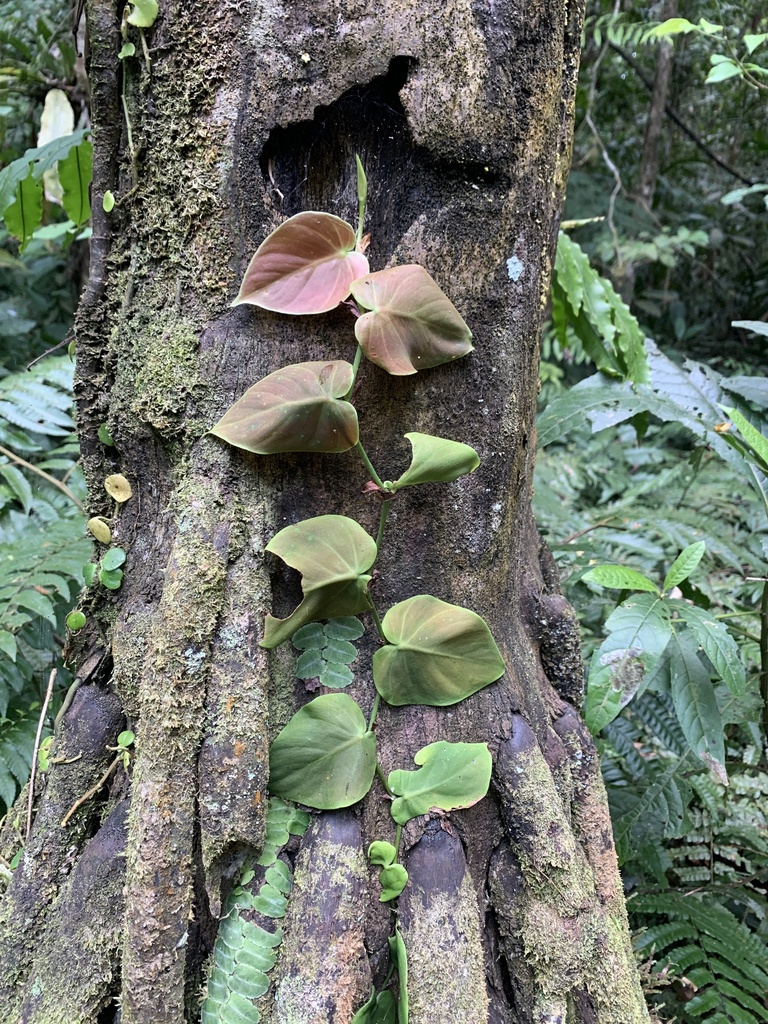
On this page
Heartleaf philodendron is as easy as houseplants get: tolerates low light, forgives missed waterings, and trails or climbs for meters. Water when the top few centimeters dry (roughly weekly), pinch stems to keep it bushy, and root cuttings in water in under three weeks. Toxic to pets, and typically costs $8-$22.
Key facts
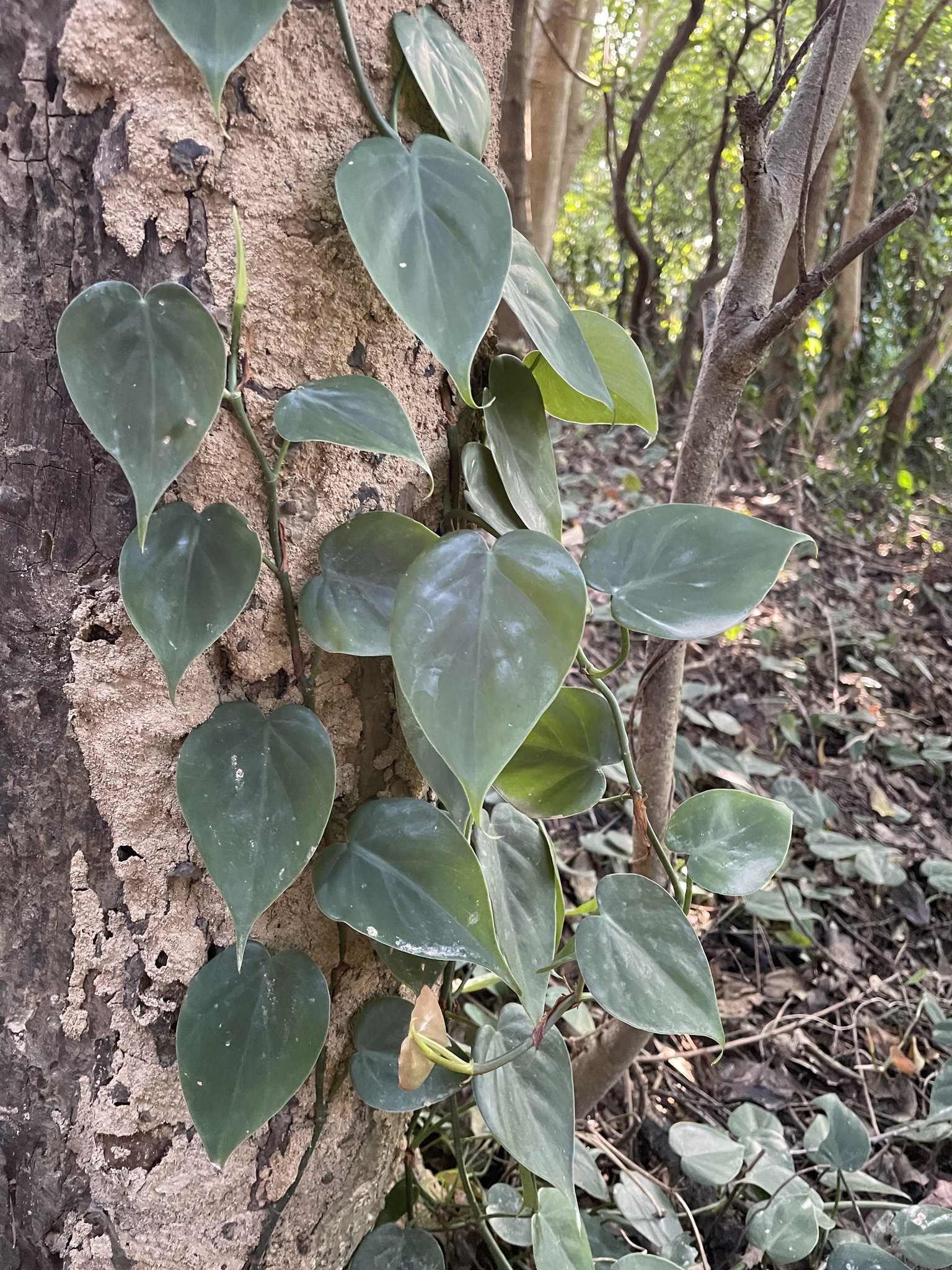
- Native to Central America and the Caribbean, climbing trees with aerial roots in rainforest shade.
- New leaves emerge from a protective sheath (cataphyll) that dries and falls. The quickest way to tell it apart from pothos, which lacks them.
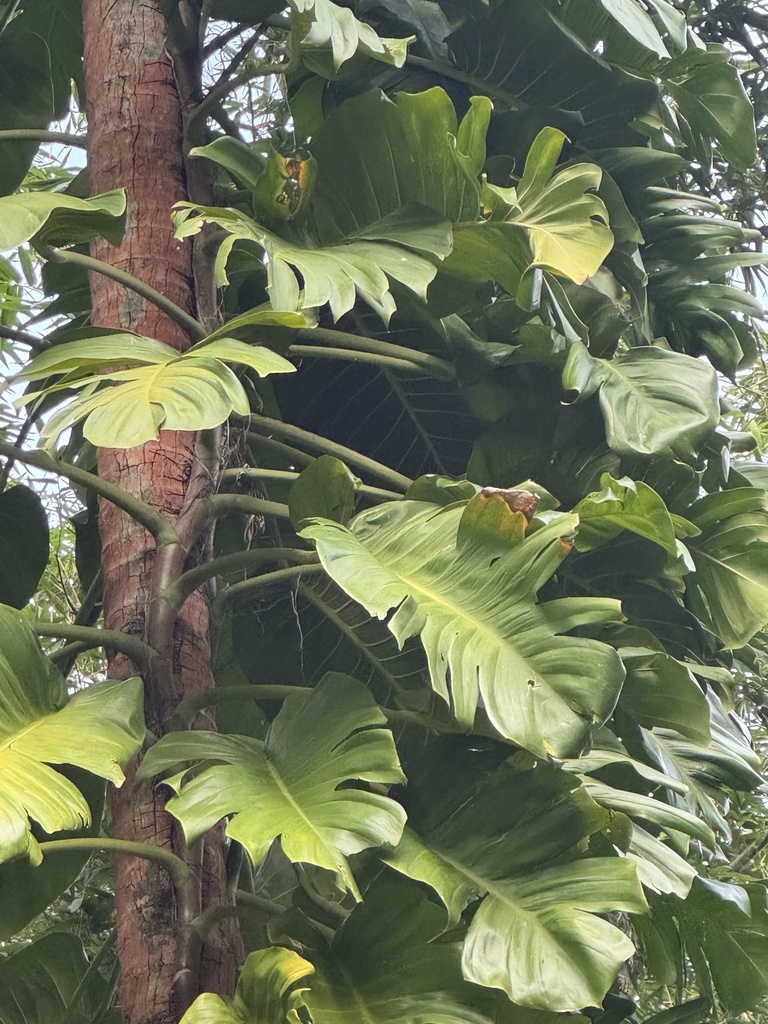
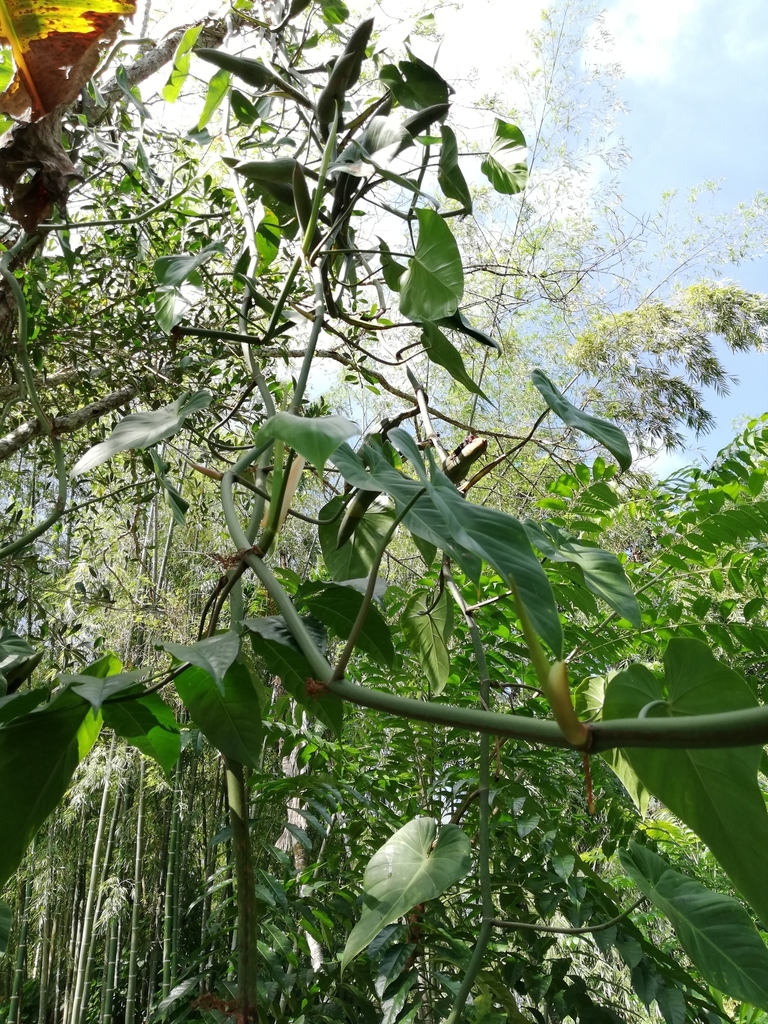
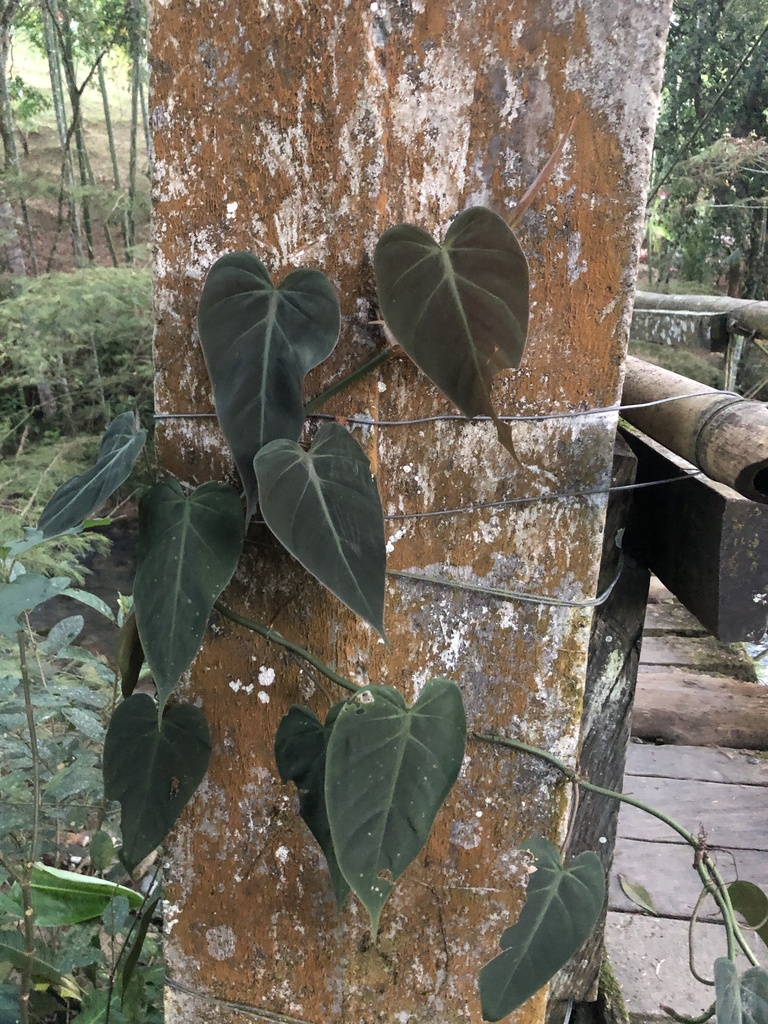
- Velvet-soft juvenile leaves distinguish the common form; leaves grow larger and more leathery if allowed to climb.
- Toxic to cats and dogs if chewed (calcium oxalates), like most aroids.
Care requirements#
| Plant type | Indoor (outdoors year-round only in USDA 10-12) |
| Growing medium | Well-draining potting mix |
| Light needs | Low to bright indirect light; more light = faster, fuller growth |
| Water frequency | Every 7-10 days; when the top 2-3cm of soil are dry |
| Humidity | Tolerates average home humidity; grows lusher above 50% |
| Temperature range | 18-27°C (65-80°F); avoid below 13°C (55°F) |
| Fertilizer | Balanced liquid feed, half strength, monthly in spring-summer |
| Soil pH | 5.5-6.5 |
| Drainage needs | High: chronic sogginess is the main failure mode |
| Pot recommendation | Hanging baskets or shelf pots for trailing; add a pole to grow larger climbing leaves |
| Hardiness zone (outdoor) | USDA 10-12 |
| Toxicity | Toxic to cats and dogs if chewed |
Growth & propagation#
| Mature vine length | 1-3m+ indoors |
| Growth rate | Fast: 30cm+ of vine per month in good light |
| Propagation methods | Stem cuttings with a node, in water or soil |
| Propagation difficulty | Beginner-friendly: water cuttings root in 2-3 weeks |
| Repotting schedule | Every 1-2 years |
| Pruning needs | Pinch or trim regularly for bushiness; every trimming is propagation material |
Common problems & troubleshooting#
| Symptom | Likely cause | Fix |
|---|---|---|
| Yellow leaves | Overwatering | Let soil dry deeper between waterings; check drainage |
| Long bare stretches between leaves | Insufficient light | Move brighter; cut back leggy vines to force fuller regrowth |
| Wilting despite moist soil | Root rot | Unpot, trim brown mushy roots, repot in fresh mix, water less |
| Brown crispy tips | Very dry air or inconsistent watering | Raise humidity slightly; steady the watering rhythm |
Never guess when to water this again
Sodate reads your actual light and season, then builds this vine's watering quests around them, not a fixed schedule.
Seasonal care#
Varieties & cultivars#
| Variety | Distinguishing trait | Note |
|---|---|---|
| 'Brasil' | Lime-yellow center stripe variegation | Most popular cultivar; needs brighter light to keep the stripe |
| 'Micans' | Velvety bronze-green leaves | The velvet-leaf form of the same species |
| 'Lemon Lime' | Whole leaf chartreuse-gold | Bright accent variety |
| Standard green | Deep green heart-shaped leaves | Cheapest and most shade-tolerant |
Buying checklist#
- Full pot with multiple vines, not two lonely strands
- Leaves firm and unblemished; no widespread yellowing
- No mushy stems at the soil line
- For 'Brasil', crisp variegation on recent growth (it fades in low light)
Pricing by region#
| Region | Price range | Typical unit | Basis |
|---|---|---|---|
| US | $8 – $22 | 4-6in pot or basket | Big-box + nursery retail |
| UK | $6 – $18 | 12cm pot | Garden centre retail |
| India | $1 – $4 | 4-6in pot | Urban nursery retail |
| Australia | $8 – $20 | 130mm pot | Nursery + garden centre |
| Canada | $8 – $21 | 4-6in pot | Garden centre retail |
USD figures are approximate conversions for comparison; switch the dropdown to see each region's actual local-currency listing price.
Often confused with#
Name confusion warning#
"Philodendron" covers hundreds of species. This page is the trailing heartleaf (P. hederaceum). Upright forms like 'Birkin' or Xanadu grow completely differently despite sharing the shop label. Check the specific name when following care advice.
Where it's actually grown#
Heartleaf philodendron's speed from cutting to sellable basket makes it a staple of volume growers in Florida, Central America, and Southeast Asia, and one of the most commonly passed-along plants between friends after pothos and spider plant.
Import & biosecurity restrictions#
| Region | Note |
|---|---|
| Australia | Live plant imports restricted under biosecurity law; strong domestic supply. |
| US | Domestic sale unrestricted. |
| UK | No specific restriction; grown as a houseplant. |
| India | No restriction; common in urban nurseries. |
| Canada | CFIA permits required for commercial imports. |
Similar plants
Ranked in these guides
Did you know?
Frequently asked questions
How do I tell philodendron from pothos?
Philodendron leaves are thinner, softer, and more symmetrically heart-shaped, and new leaves emerge from a papery sheath (cataphyll) that pothos lacks; pothos leaves are thicker and waxier.
Is heartleaf philodendron pet-safe?
No. Like most aroids it's toxic to cats and dogs if chewed, causing oral irritation and vomiting.
How much does a philodendron cost?
A standard 4-6 inch pot runs $8-$22 in the US; cultivars like 'Micans' and 'Brasil' sit at the higher end.
Can philodendron grow in low light?
Yes. Solid green heartleaf handles dim corners as well as any trailing plant, though growth slows and variegated types fade.
How do I make my philodendron bushier?
Pinch or cut vines just above a node regularly. Each cut point branches, and the trimmings root in water for replanting into the same pot.