 Sodate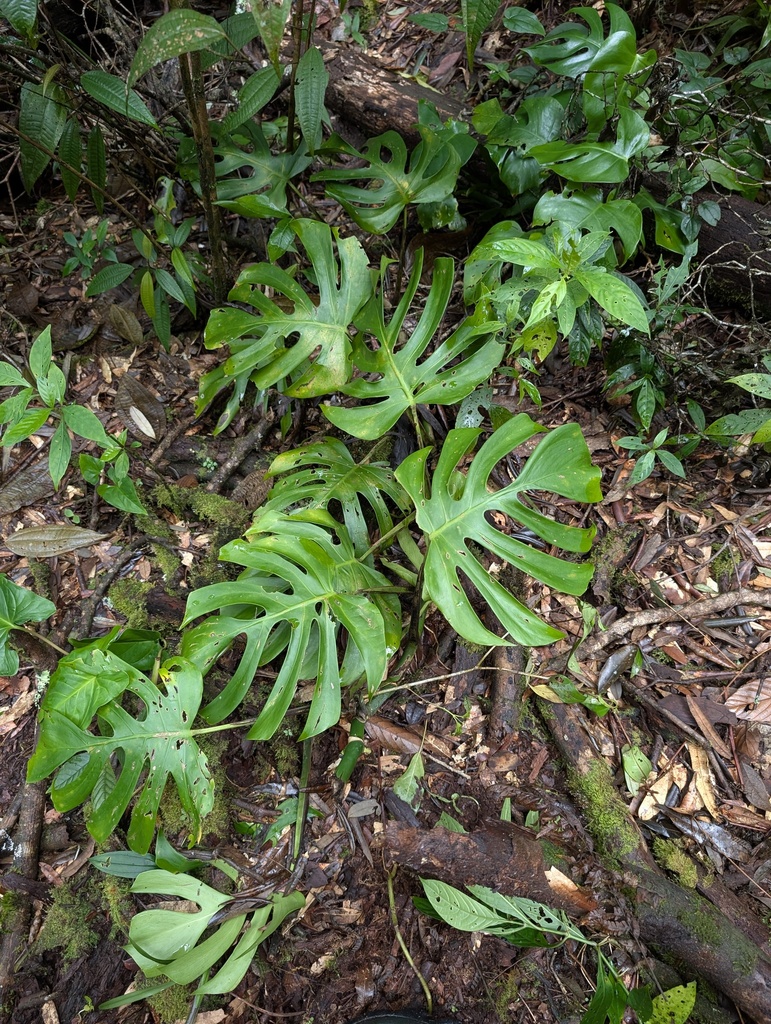
On this page
Monstera deliciosa is a fast-growing, beginner-friendly houseplant that needs bright indirect light, water every 7-10 days, and a well-draining pot. It's toxic to pets, propagates easily from stem cuttings, and typically costs $25-$75 (non-variegated). Variegated cultivars like Albo can run 15-40x more.
Key facts
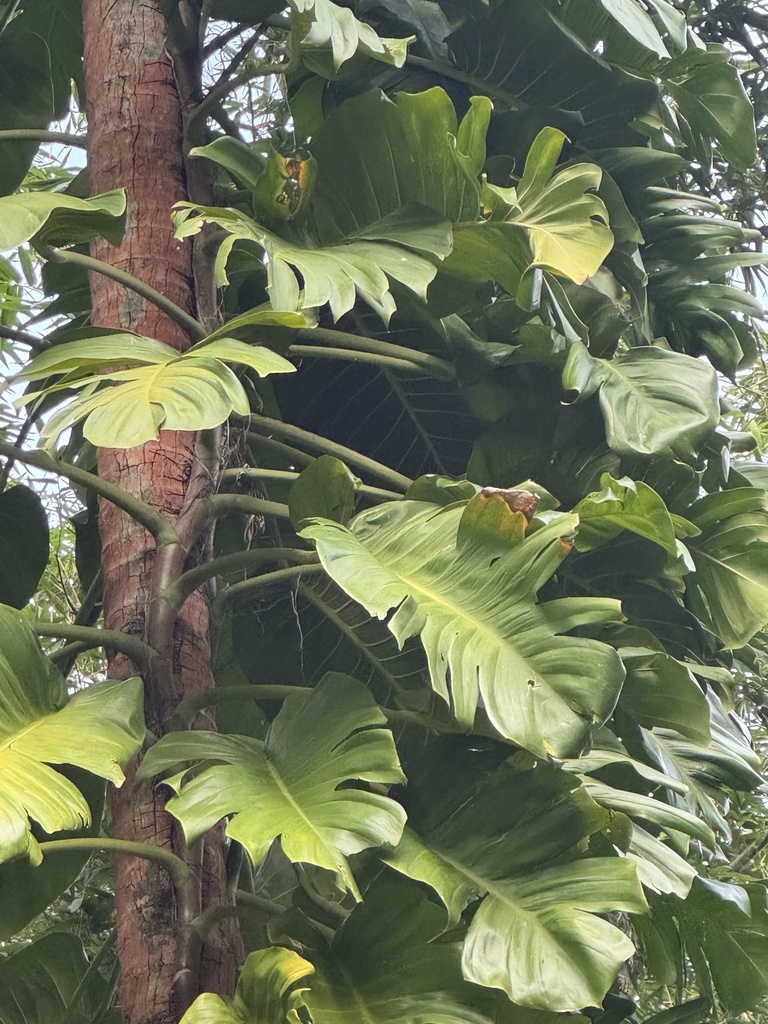
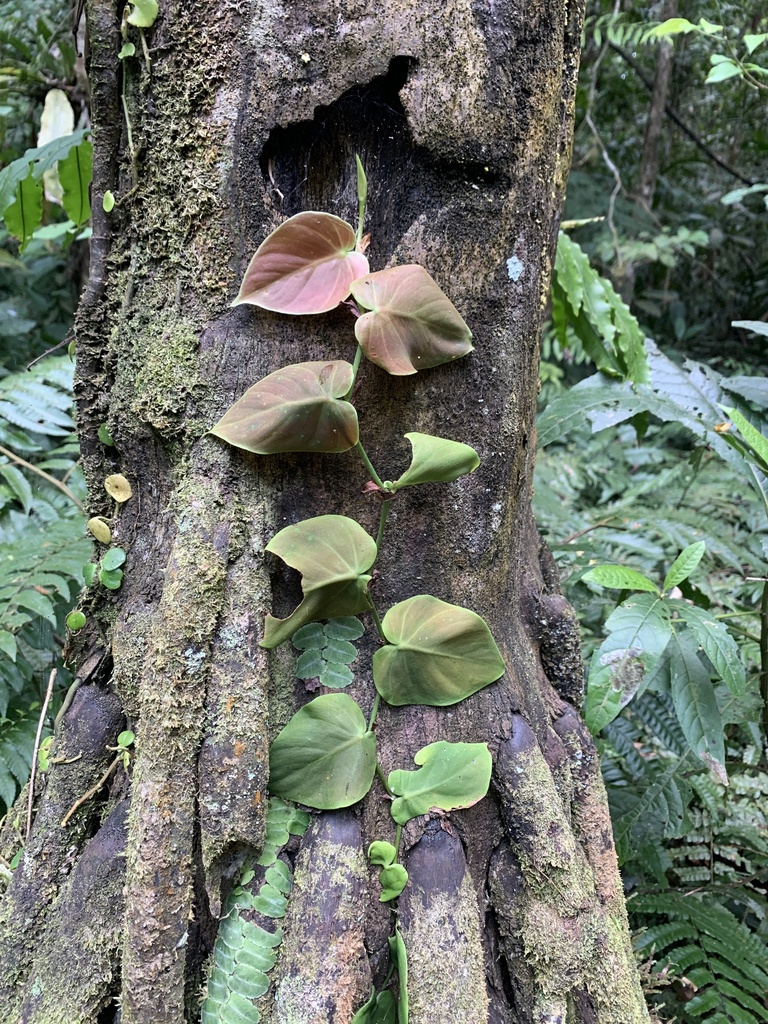
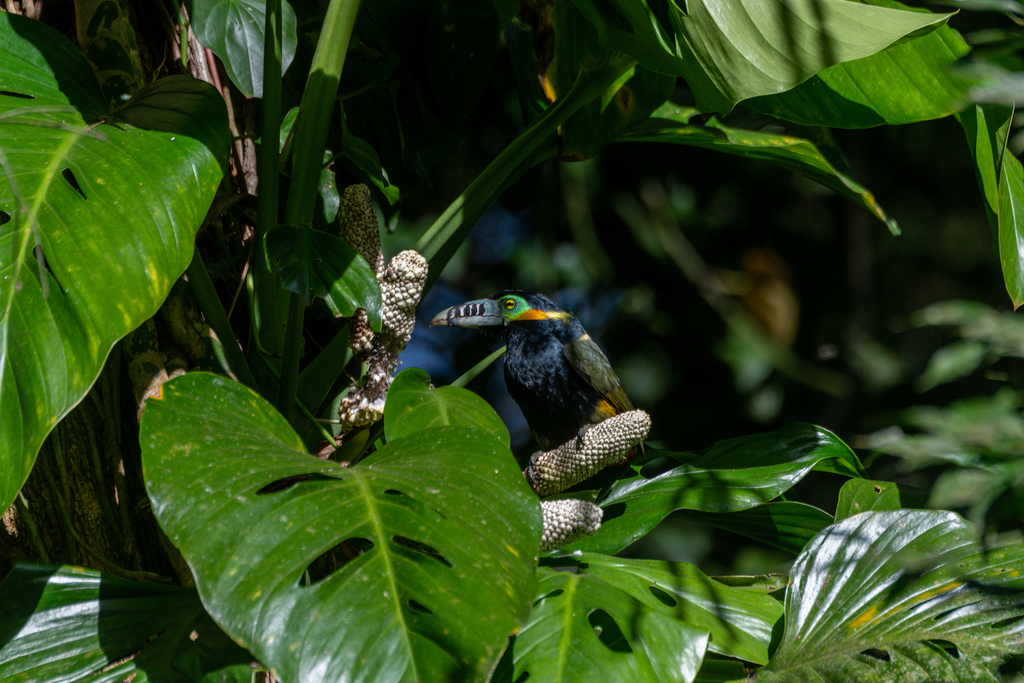
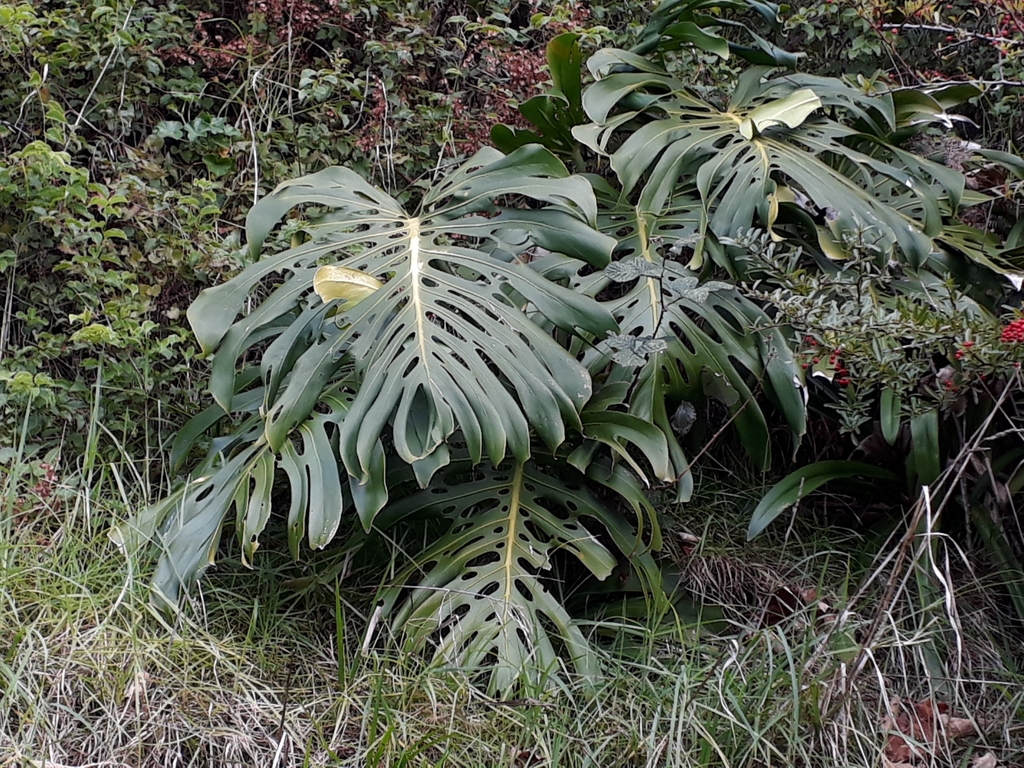
- Native to tropical rainforests of southern Mexico and Central America, where it climbs trees as an epiphyte using aerial roots.
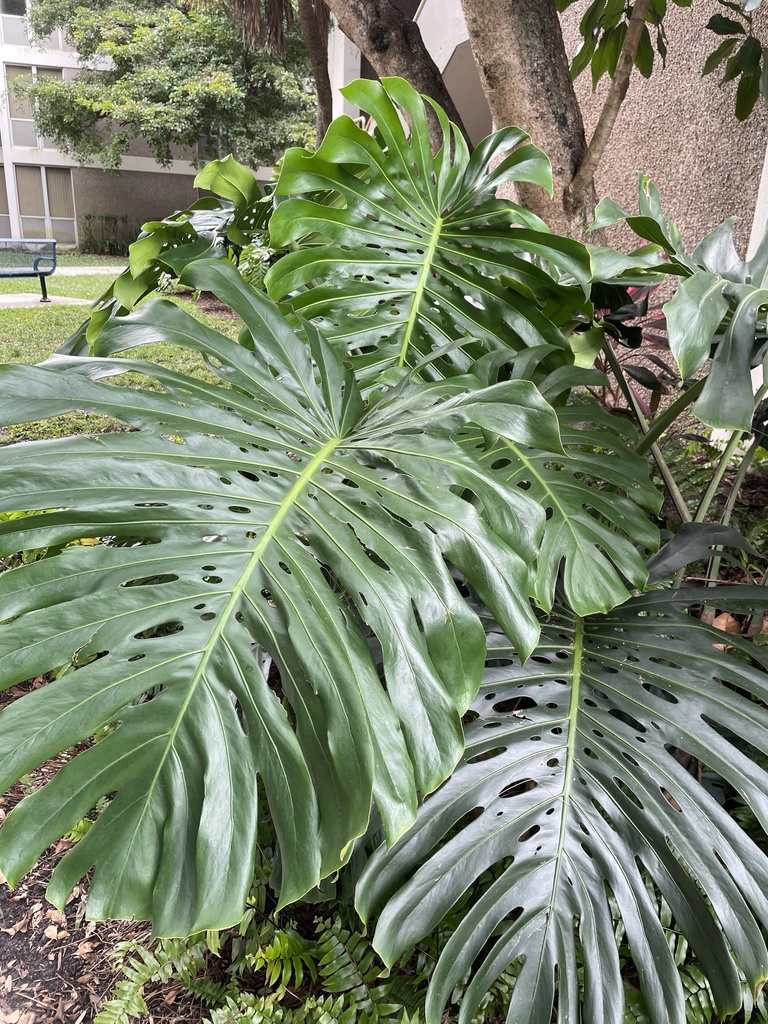
- The famous split-leaf (fenestrated) pattern only develops once the plant matures and gets enough bright light.
- Grown in soil, but stem cuttings root readily in plain water within 3-6 weeks.
- Toxic to cats, dogs, and humans if chewed. Calcium oxalate crystals cause oral irritation, drooling, and vomiting.
Care requirements#
| Plant type | Indoor (can summer outdoors in warm, frost-free climates) |
| Growing medium | Soil: well-draining aroid mix |
| Light needs | Bright, indirect light; tolerates medium light but grows and fenestrates slower |
| Water frequency | Every 7-10 days; let the top 2-3in of soil dry out between waterings |
| Humidity | 50%+ preferred; tolerates average home humidity (30-40%) |
| Temperature range | 18-29°C (65-85°F); avoid below 13°C (55°F) |
| Fertilizer | Balanced liquid feed, half strength, monthly through spring-summer |
| Soil pH | 5.5-7.0 (slightly acidic to neutral) |
| Drainage needs | High: must have drainage holes; standing water causes root rot within days |
| Pot recommendation | Terracotta or unglazed ceramic; one size up from nursery pot, never more than 2in larger |
| Hardiness zone (outdoor) | USDA 10-12 / RHS H1B |
| Toxicity | Toxic to cats, dogs, and humans if ingested. Calcium oxalate crystals cause oral irritation, drooling, and vomiting |
Growth, size & propagation#
| Mature height / spread | 2-3m tall, 1-1.5m spread indoors with a moss pole or trellis |
| Growth rate | Fast: 30-60cm of new growth per year in bright light |
| Propagation methods | Stem cuttings (must include a node), air layering for larger sections |
| Propagation difficulty | Beginner-friendly: cuttings root in water in 3-6 weeks |
| Repotting schedule | Every 1-2 years, or once roots circle the pot |
| Pruning needs | Minimal: trim leggy stems or damaged leaves as needed |
Common problems & troubleshooting#
| Symptom | Likely cause | Fix |
|---|---|---|
| Yellow leaves | Overwatering or poor drainage | Let soil dry out further; check roots for rot, repot into fresh mix if needed |
| No leaf splitting | Insufficient light or plant still juvenile | Move to brighter indirect light; splitting starts after 2-3 mature leaves |
| Brown, crispy edges | Low humidity, underwatering, or fertilizer burn | Raise humidity, check watering consistency, flush soil if over-fertilized |
| Cottony bugs on stems | Mealybugs | Wipe with isopropyl-alcohol swab; follow up with insecticidal soap weekly |
| Dark, mushy stem base | Root/stem rot from waterlogged soil | Remove plant, cut away dark tissue, repot in fresh dry mix, water sparingly for 2 weeks |
Never guess when to water this again
Sodate reads your actual light and season, then builds this Monstera's watering and feeding quests around them. Not a fixed 7-day rule.
Seasonal care#
Varieties & cultivars#
| Variety | Distinguishing trait | Note |
|---|---|---|
| 'Albo Variegata' | White/cream marbled variegation | 15-40x base price |
| 'Thai Constellation' | Creamy-yellow speckled, tissue-cultured | 8-20x base price |
| 'Aurea' | Yellow variegation, rarer than Albo | 10-25x base price |
| Standard (non-variegated) | Solid green fenestrated leaves | Base price |
Buying checklist#
- Leaves are firm, deep green, free of yellowing or brown patches
- No visible pests on leaf undersides or stem joints
- Roots are white to light tan at drainage holes, not mushy or dark
- Soil is moist but not waterlogged at time of purchase
- For variegated cultivars, confirm variegation is stable with growth-history photos
Pricing by region#
| Region | Price range | Typical unit | Basis |
|---|---|---|---|
| US | $25 – $75 | 6in pot, 3-4 leaves | Big-box + specialty nursery retail |
| UK | $25 – $70 | 17cm pot | Garden centre + online retailer |
| India | $5 – $14 | 6in pot | Urban nursery + online delivery |
| Australia | $23 – $59 | 150mm pot | Nursery + online retailer |
| Canada | $22 – $58 | 6in pot | Garden centre + online retailer |
USD figures are approximate conversions for comparison; switch the dropdown to see each region's actual local-currency listing price.
Often confused with#
Name confusion warning#
Not the same as "money plant." In India and South Asia, "money plant" almost always means Epipremnum aureum (golden pothos), not Monstera. In parts of Europe and China it can mean Pilea peperomioides. Always check the botanical name.
Where it's actually grown#
Most Monstera deliciosa sold globally is propagated in wholesale nurseries in the Netherlands, Costa Rica, Florida, or Southeast Asia, then shipped to regional retailers. A plant bought in a UK garden centre and one bought in a US big-box store often trace back to the same wholesale growers.
Import & biosecurity restrictions#
| Region | Note |
|---|---|
| Australia | Tightly restricted under biosecurity law. Source from an approved domestic nursery, never bring cuttings from overseas. |
| US | Domestic sale unrestricted; personal import needs a USDA phytosanitary certificate. |
| UK | Post-Brexit EU imports need a phytosanitary certificate, buying UK-grown avoids this. |
| India | No domestic restriction; imported specimens may be held at customs without a permit. |
| Canada | CFIA permits required for commercial imports; travellers must declare live plants. |
Similar plants
Ranked in these guides
Did you know?
Frequently asked questions
Does Monstera deliciosa need soil?
Yes, it's grown in soil long-term, though cuttings are commonly rooted in water first before potting up.
How much does a Monstera cost?
A standard, non-variegated 6-inch potted plant typically runs $25-$75 in the US, while variegated cultivars like Albo or Thai Constellation can cost 8-40x more.
Is Monstera deliciosa pet-safe?
No, it's toxic to cats and dogs if chewed or ingested, causing oral irritation, drooling, and vomiting.
Why won't my Monstera's leaves split?
Fenestration only appears once the plant matures past its juvenile stage and is getting sufficient bright, indirect light.
What's the difference between Monstera deliciosa and Monstera adansonii?
Deliciosa has larger leaves with deep splits and grows upright; adansonii has smaller leaves with oval holes and trails as a vine.