 Sodate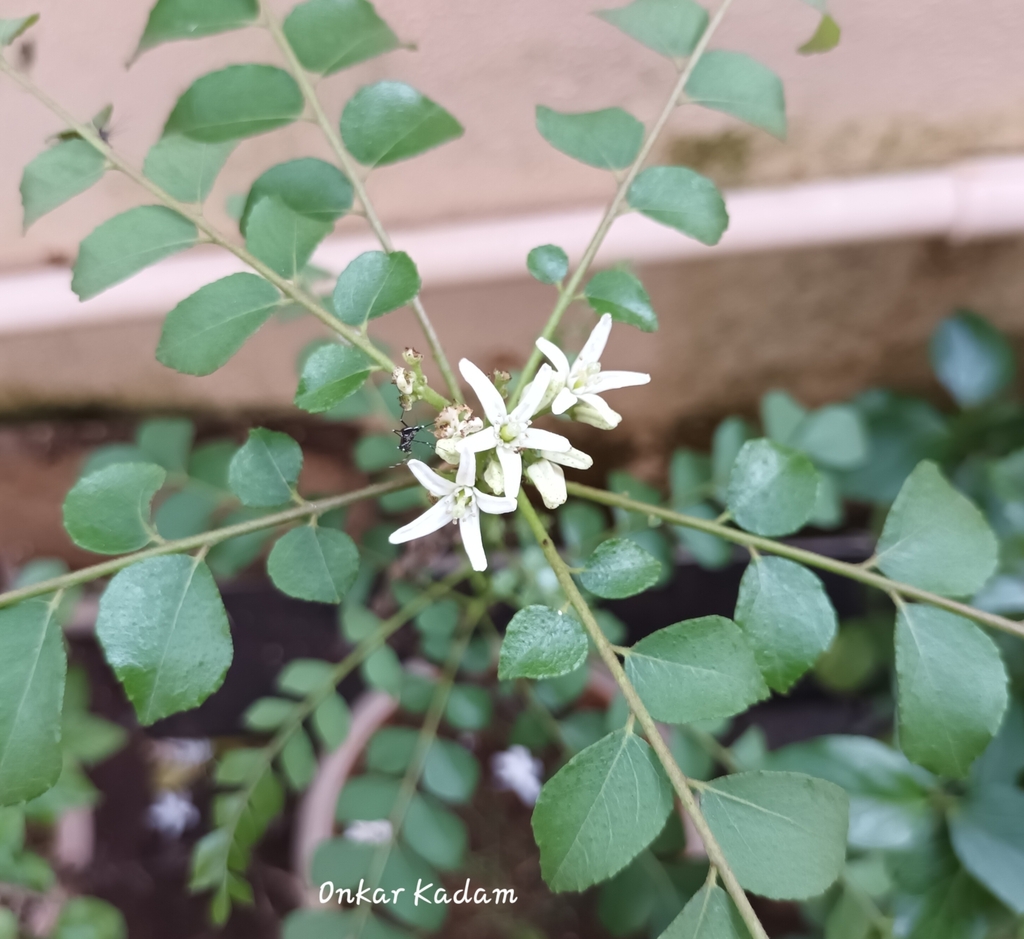
On this page
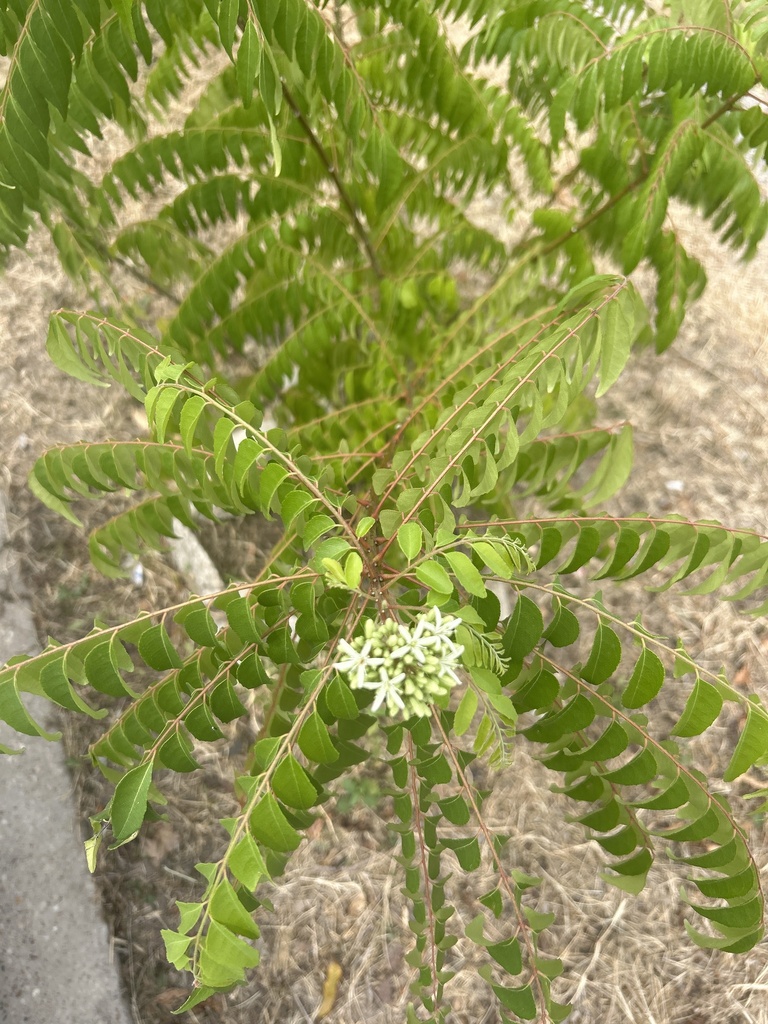
Curry leaf is a slow-starting but long-lived kitchen tree: give it warmth (it sulks below 15°C and is damaged by frost), full sun, and well-drained soil, and harvest whole leaf sprigs once the plant is established. It's in the citrus family and shares citrus's iron-hunger (yellow leaves) and dislike of wet feet. Outside the subtropics, grow it in a pot that summers outdoors and winters indoors. Plants cost $15-35 in the US, ₹30-150 in India.
Key facts
- Not related to 'curry powder'. The name comes from its use in curries; the flavour (from the leaves tempered in hot oil) is citrusy, nutty, and irreplaceable in South Indian cooking.
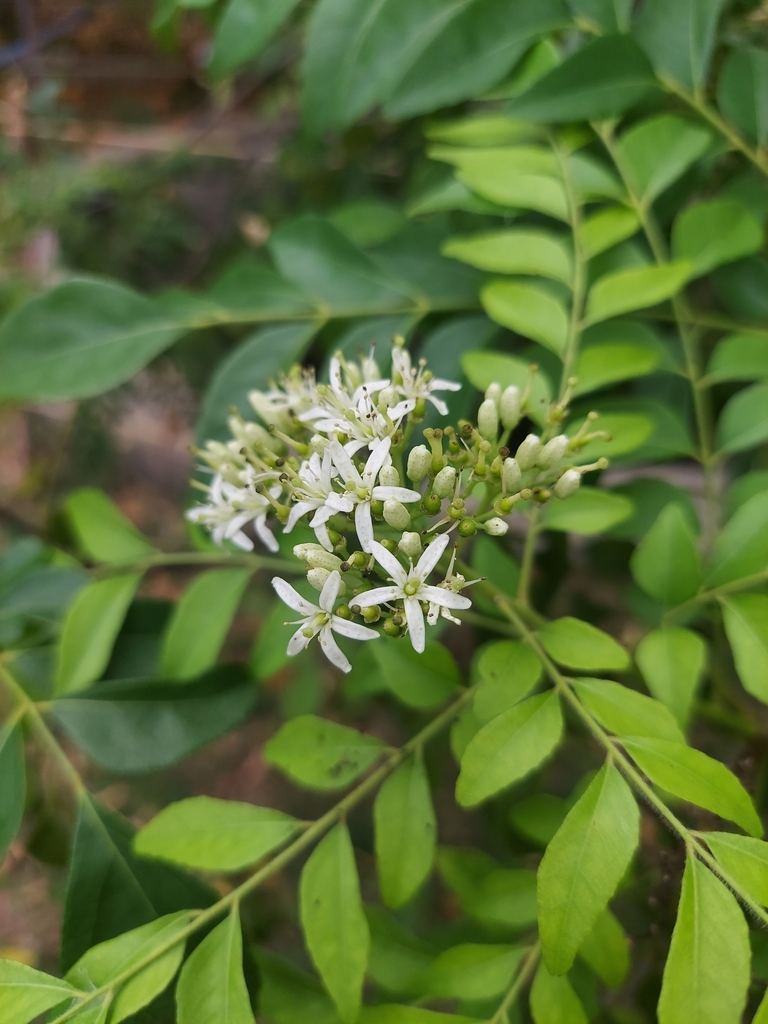
- A citrus relative (Rutaceae). Which explains its glossy leaves, fragrant white blossom, iron-deficiency yellowing, and hatred of waterlogged soil.
- Leaves lose most aroma when dried, so a living plant is the only real way to keep supply outside South Asia.
- The small black berries are edible (pulp only), but the seeds inside them are considered toxic and should not be eaten.
Care requirements#
| Plant type | Small evergreen tree; outdoors year-round in USDA 9b-12, container plant elsewhere |
| Growing medium | Rich, well-drained slightly acidic soil; citrus potting mix works well in containers |
| Light needs | Full sun to bright light. 6+ hours for dense, aromatic foliage |
| Water frequency | Water when the top 3-5cm dries; moderate in summer, very sparing in winter |
| Humidity | Prefers moderate humidity; tolerates dry air better than dry roots |
| Temperature range | 18-35°C (65-95°F) ideal; drops leaves below 12-15°C, frost-damaged at 0°C |
| Fertilizer | Monthly balanced or citrus feed in the growing season; iron chelate if new leaves yellow |
| Soil pH | 5.5-6.5 (slightly acidic, like its citrus cousins) |
| Drainage needs | High: waterlogged roots quickly rot |
| Pot recommendation | Deep pot with drainage; upsize gradually, it tolerates being slightly root-bound |
| Harvest habit | Pick whole leaf sprigs (petioles) from established plants, never stripping more than a third |
| Toxicity | Leaves are edible and safe around pets; avoid eating the seeds inside the berries |
Growth & propagation#
| Days to harvest | Light picking from year 2; regular harvests from year 3 onward |
| Mature size | 2-4m garden tree in warm climates; 1-1.5m maintained in containers |
| Growth rate | Slow the first year or two, then moderate once the root system establishes |
| Edible parts | Leaves (tempered in oil, ground into chutneys); berry pulp edible, seeds not |
| Propagation methods | Fresh seed (sow within weeks, germination is slow) or the root suckers the tree throws up; stem cuttings are unreliable |
| Pruning needs | Pinch and harvest tips regularly. An unpruned plant becomes a sparse, leggy pole |
Common problems & troubleshooting#
| Symptom | Likely cause | Fix |
|---|---|---|
| New leaves yellow with green veins | Iron chlorosis. Classic citrus-family response to alkaline soil or cold, wet roots | Apply chelated iron, acidify the mix, and never let the pot sit in water |
| Wholesale leaf drop in winter | Cold (below ~12-15°C) or the shock of moving indoors | Normal semi-dormancy. Keep it warmish and barely watered; it re-leafs in spring |
| Sticky leaves and black sooty film | Scale insects or citrus psyllids sucking sap | Wipe stems, treat repeatedly with neem or horticultural oil; check new nursery plants carefully |
| Leggy stem with sparse leaves | Insufficient light and no pinching | Move to full sun and cut the main stem back by a third to force branching |
| Wilting despite moist soil, sour-smelling mix | Root rot from overwatering, especially in winter | Repot into fresh, fast-draining mix, trim mushy roots, water far less until recovery |
A kitchen tree, tracked like one
Sodate reminds you when to feed, when to ease off winter watering, and when the sprigs are ready for the tadka.
Seasonal care#
Varieties & cultivars#
| Variety | Distinguishing trait | Note |
|---|---|---|
| Regular (standard) | Fast-growing tall type with large, strongly aromatic leaves | Best flavour and yield for cooking |
| Dwarf | Shorter, spreading habit with longer, lighter-green leaves | Suits containers; slightly milder |
| 'Gamthi' | Very slow, compact, with small thick intensely fragrant leaves | Most aromatic and most expensive type |
Buying checklist#
- Verify it's Murraya koenigii, not the ornamental 'curry plant' (Helichrysum italicum) or orange jasmine (Murraya paniculata)
- Deep green glossy leaves with no yellowing between veins
- Check stems and leaf undersides for scale insects
- A plant with multiple stems or visible root suckers establishes faster
- Bigger is better: curry leaf is slow from seed, so a 2-year-old plant saves real time
Pricing by region#
| Region | Price range | Typical unit | Basis |
|---|---|---|---|
| US | $15 – $35 | Young plant, 4in-1gal | Indian grocery nurseries + online specialty |
| UK | $13 – $32 | Young potted plant | Online specialty + Asian grocers |
| India | $0.35 – $2 | Potted plant | Local nursery. Everyday kitchen plant |
| Australia | $10 – $26 | Potted plant | Nursery + specialty edible growers |
| Canada | $15 – $37 | Young potted plant | Indian grocery nurseries + online |
USD figures are approximate conversions for comparison; switch the dropdown to see each region's actual local-currency listing price.
Often confused with#
Name confusion warning#
Three different plants get called 'curry plant'. Edible curry leaf is Murraya koenigii. The silvery Helichrysum italicum sold in Western garden centres as 'curry plant' is inedible, and the lookalike Murraya paniculata (orange jasmine) is ornamental only. Always check the botanical name. And crush-sniff a leaf before buying.
Where it's actually grown#
In South Asia, curry leaf is propagated in vast quantities by every local nursery, often from root suckers. In North America, Europe, and Australia, stock comes from small specialty growers and Indian-grocery supply chains, which keeps prices ten to fifty times higher than in India.
Import & biosecurity restrictions#
| Region | Note |
|---|---|
| Australia | Live plant and leaf imports restricted under biosecurity law (citrus-family pest pathways); buy domestic nursery stock. |
| US | Fresh curry leaves from overseas are restricted because the plant can carry citrus greening (HLB) vectors; buy US-grown plants and leaves. |
| UK | Commercial plant imports need phytosanitary certificates; leaves sold in Asian grocers are imported under inspection. |
| India | No restriction; grown in home gardens across the country and sold in every vegetable market. |
| Canada | CFIA rules restrict citrus-family plant imports; domestic specialty growers supply the market. |
Similar plants
Did you know?
Frequently asked questions
Is curry leaf the same as curry powder?
No. Curry powder is a spice blend containing no curry leaf at all. Curry leaves are fresh aromatic leaves tempered in hot oil in South Asian cooking, with a citrusy, nutty flavour of their own.
Is curry leaf plant safe for pets?
The leaves are edible and not considered toxic to cats or dogs. The seeds inside the small black berries are considered toxic though, so remove fallen fruit if pets forage.
Why are my curry leaf plant's leaves turning yellow?
New leaves yellowing with green veins is iron chlorosis, common in this citrus relative when soil is alkaline or roots are cold and wet. Apply chelated iron and let the pot dry properly. Whole-plant leaf drop in winter is normal cold response.
Can I grow curry leaf plant in a cold climate?
Yes, in a container: summer it outdoors in full sun, then overwinter it indoors in a bright, warmish room with minimal water. It drops leaves in winter but regrows in spring.
When can I start harvesting curry leaves?
Pick lightly from the second year and regularly from year three, taking whole leaf sprigs and never stripping more than a third of the foliage at once.