 Sodate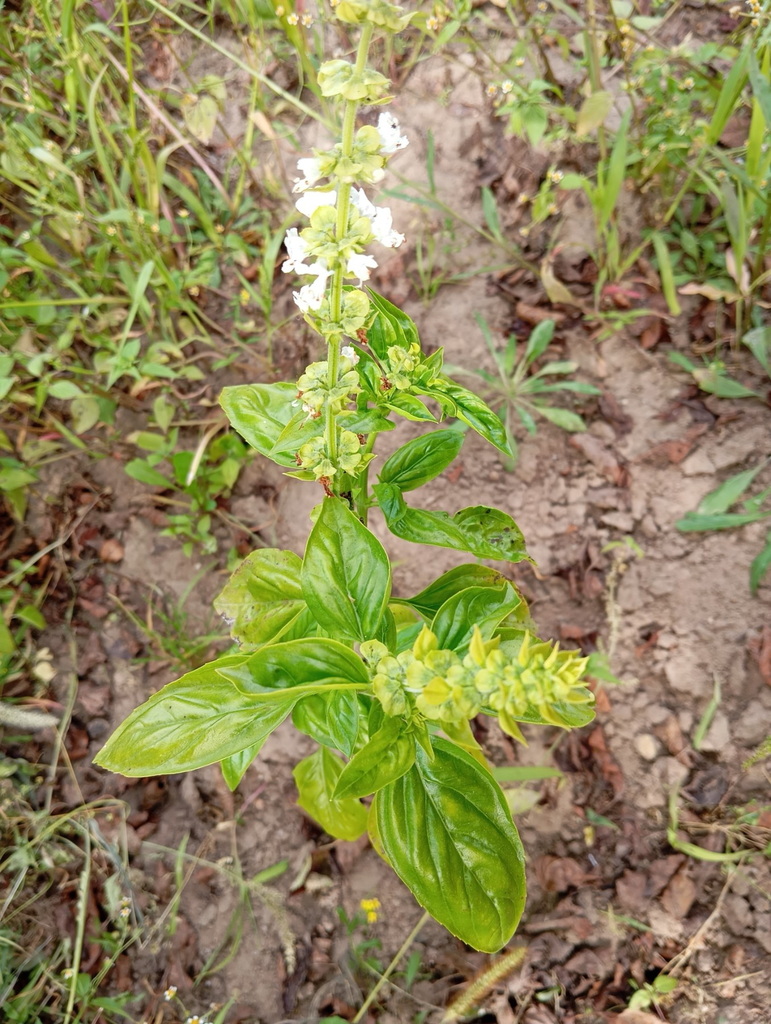
On this page
Basil wants heat, full sun, and regular picking. Pinch stems just above a leaf pair every week or two and it branches into a bush; let it flower and leaf production stops and flavor turns bitter. It's extremely frost-tender: one cold night below 10°C damages it. Pet-safe. First leaves are ready 3-4 weeks after transplanting; a seedling pot costs $2-5.
Key facts
- Harvesting makes basil grow more: pinching stem tips above a leaf pair forces two new stems, doubling the plant's production each time.
- One of the most cold-sensitive common herbs. Leaves blacken from chill damage below about 10°C, well above freezing.
- Non-toxic to cats and dogs, making it one of the safest kitchen herbs to grow around pets.
- Thai basil, holy basil (tulsi), and lemon basil are related but distinct. Holy basil is a different species (Ocimum tenuiflorum) entirely.
Care requirements#
| Plant type | Warm-season annual herb (outdoor beds, containers, or a bright windowsill) |
| Growing medium | Rich, moist, well-drained soil; 20cm+ pots for containers |
| Light needs | Full sun, 6-8 hours daily; tolerates light afternoon shade in very hot climates |
| Water frequency | Keep soil consistently moist. Water when the top 2-3cm dries; wilts fast but recovers |
| Humidity | Tolerates a wide range; good airflow prevents fungal disease |
| Temperature range | 21-30°C (70-85°F) ideal; damaged below 10°C (50°F), killed by frost |
| Fertilizer | Light monthly balanced feed; overfeeding produces big but bland leaves |
| Soil pH | 6.0-7.0 |
| Drainage needs | Good: constantly soggy soil causes root rot and downy mildew |
| Spacing | 25-30cm between plants |
| Harvest habit | Pinch stem tips weekly above a leaf pair; remove flower spikes on sight |
| Toxicity | Non-toxic to cats, dogs, and humans |
Growth & propagation#
| Days to harvest | 3-4 weeks from transplant to first picking; ~60-70 days from seed |
| Yield | A regularly pinched plant yields a good handful of leaves weekly all summer |
| Edible parts | Leaves and tender stems; flowers edible but their arrival signals declining leaf flavor |
| Propagation methods | Seed (very easy) or stem cuttings, which root in a glass of water within 1-2 weeks |
| Companion plants | Classic tomato companion; also good near peppers. Avoid planting with rue or sage |
| Pruning needs | Continuous: pinching is the pruning; never shear more than a third at once |
Common problems & troubleshooting#
| Symptom | Likely cause | Fix |
|---|---|---|
| Plant bolts: flower spikes, small bitter leaves | Heat, stress, or simply not being pinched | Cut flower spikes immediately and pinch tips weekly; flavor recovers in new growth |
| Blackened, translucent leaf patches | Chill damage from temperatures below ~10°C | Move pots indoors or cover on cold nights; remove damaged leaves |
| Yellowing between veins, grey fuzz under leaves | Basil downy mildew (Peronospora belbahrii) | Remove infected plants, improve airflow, water at soil level; buy resistant varieties like 'Prospera' next time |
| Sudden wilting despite moist soil | Fusarium wilt (soil-borne fungus, common in infected seed) | No cure. Remove and destroy the plant, don't replant basil in that soil for 2-3 years |
| Ragged holes in leaves | Slugs, snails, or Japanese beetles | Hand-pick at dusk, use traps or barriers; row cover works for beetles |
Pinch reminders that keep the pesto coming
Sodate reminds you to pinch and pick on schedule. The single habit that decides whether basil bushes out or bolts to flower.
Seasonal care#
Varieties & cultivars#
| Variety | Distinguishing trait | Note |
|---|---|---|
| 'Genovese' | Large, cupped, intensely aromatic leaves | The classic pesto basil |
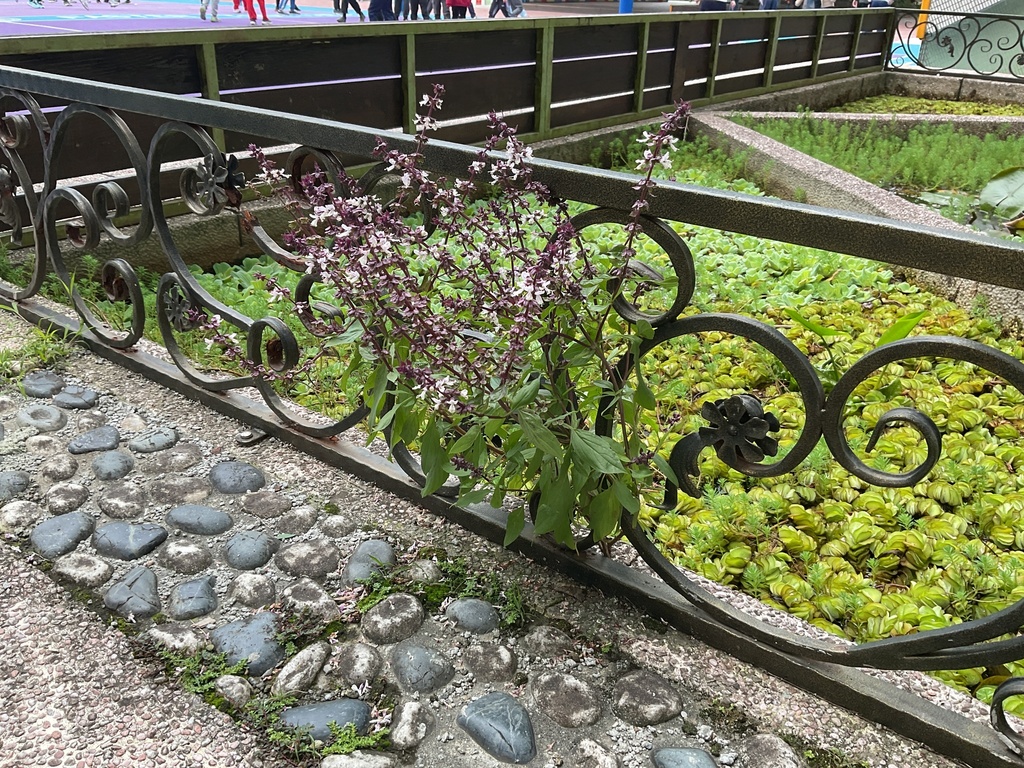
| Thai basil ('Siam Queen') | Purple stems, anise-clove flavor that survives cooking | Standard in Thai and Vietnamese dishes |
| 'Dark Opal' / purple basil | Deep purple leaves, milder flavor | Ornamental and culinary |
| Greek / bush basil | Tiny leaves on a compact dome | Best container and windowsill type |
Buying checklist#
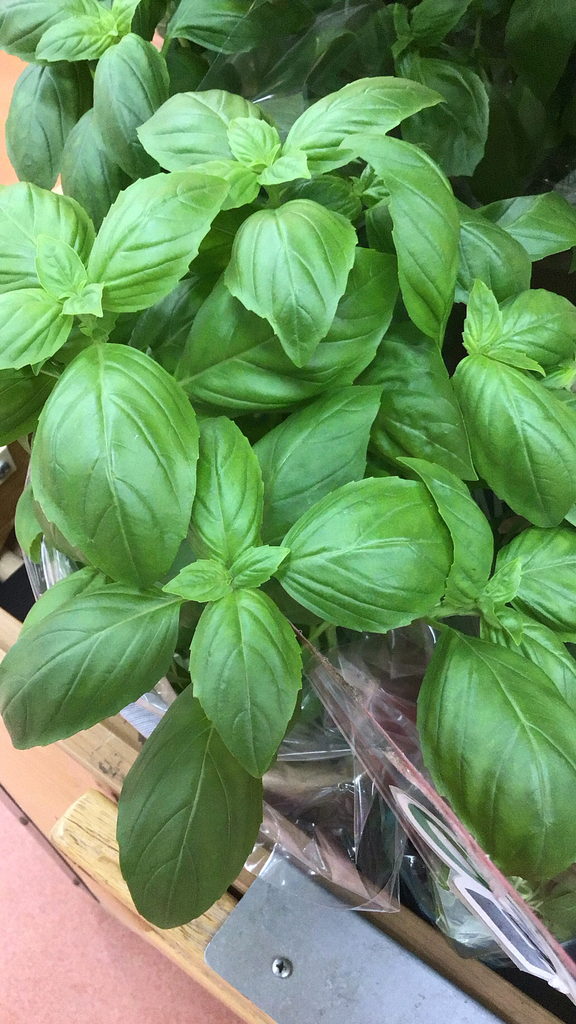
- Compact plant with deep green leaves, not stretched or pale
- No black patches (chill damage) or grey fuzz under leaves (downy mildew)
- Supermarket pots hold many crowded seedlings. Split and repot them for far better results
- No flower spikes yet. A bolting seedling has already peaked
- Sniff it: strong aroma means healthy oil production
Pricing by region#
| Region | Price range | Typical unit | Basis |
|---|---|---|---|
| US | $2 – $5 | Seedling pot | Garden centre + grocery retail |
| UK | $2 – $5 | Seedling pot | Supermarket + garden centre |
| India | $0.25 – $1.2 | Seedling pot | Local nursery + online |
| Australia | $3 – $6 | Seedling pot | Nursery + garden centre |
| Canada | $2 – $5 | Seedling pot | Garden centre + grocery retail |
USD figures are approximate conversions for comparison; switch the dropdown to see each region's actual local-currency listing price.
Often confused with#
Name confusion warning#
"Basil" and "tulsi" get swapped in India. In Indian English "basil" often means tulsi (holy basil, Ocimum tenuiflorum), a different species with a different flavor and religious significance. Recipes calling for sweet basil need Ocimum basilicum. Check the botanical name on the seed packet.
Where it's actually grown#
Pot basil is grown locally in high-turnover greenhouse operations, often hydroponically, because the plants only stay saleable for a couple of weeks. Seed comes from specialist producers in Italy, the US, and India; Genovese-type seed from Liguria carries protected-origin prestige for pesto purists.
Import & biosecurity restrictions#
| Region | Note |
|---|---|
| Australia | Seed imports need permits and phytosanitary certification under biosecurity law; live plants cannot be imported personally. |
| US | Domestic sale unrestricted; imported fresh basil is inspected due to downy mildew and whitefly concerns. |
| UK | Home-garden seed imports straightforward; commercial plant imports need phytosanitary documentation. |
| India | No restriction; both sweet basil and native tulsi are widely grown and sold. |
| Canada | CFIA rules apply to commercial imports; small seed packets for home use typically clear without issue. |
Similar plants
Ranked in these guides
Did you know?
Frequently asked questions
Is basil safe for cats and dogs?
Yes. Basil is non-toxic to cats and dogs, making it one of the safest herbs to grow around pets.
How do I stop basil from flowering?
Pinch stem tips weekly and snip off any flower spike as soon as you see it; once basil flowers, leaf production slows and flavor turns bitter.
Why did my basil turn black overnight?
Chill damage. Basil leaves blacken after nights below about 10°C, well above freezing. Move pots indoors or cover plants on cold nights.
How much does a basil plant cost?
A seedling pot runs $2-$5 in the US and as little as ₹20-100 in India; a seed packet costs about the same and grows dozens of plants.
Can I grow basil from cuttings?
Yes. A 10cm stem cutting roots in a glass of water within 1-2 weeks, which is the fastest way to multiply a favorite plant or bring basil indoors for winter.