 Sodate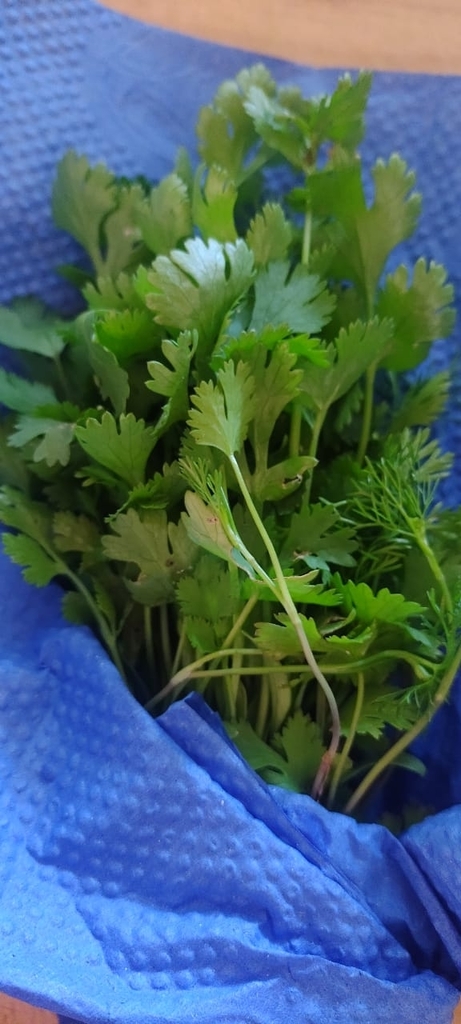
On this page
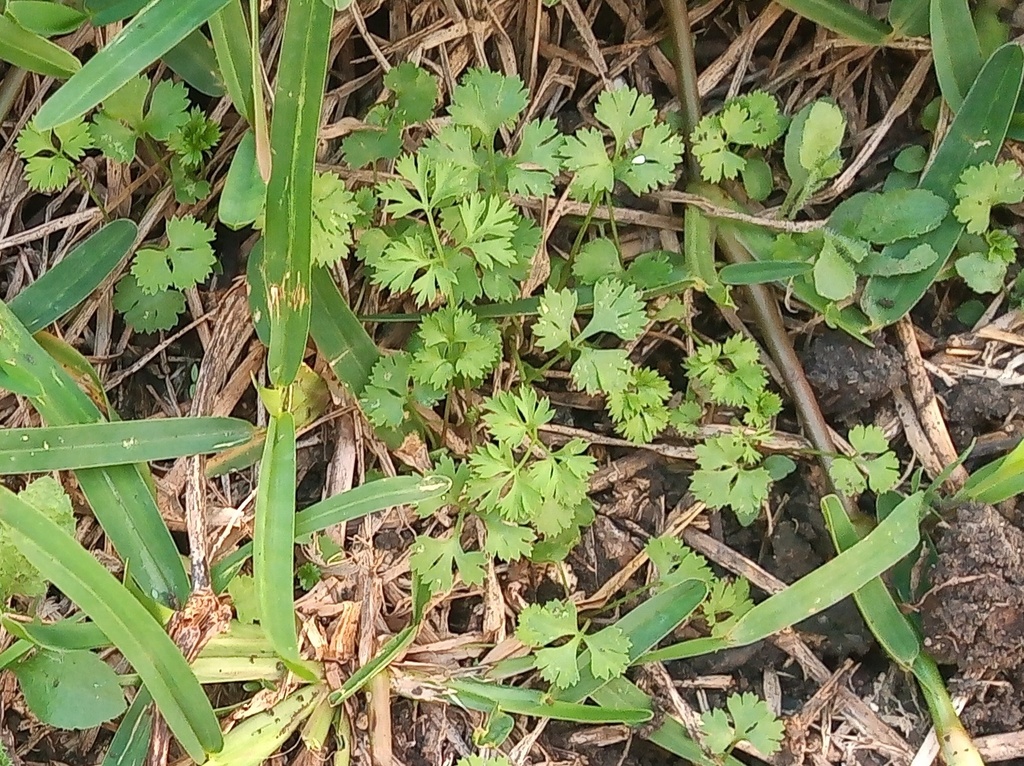
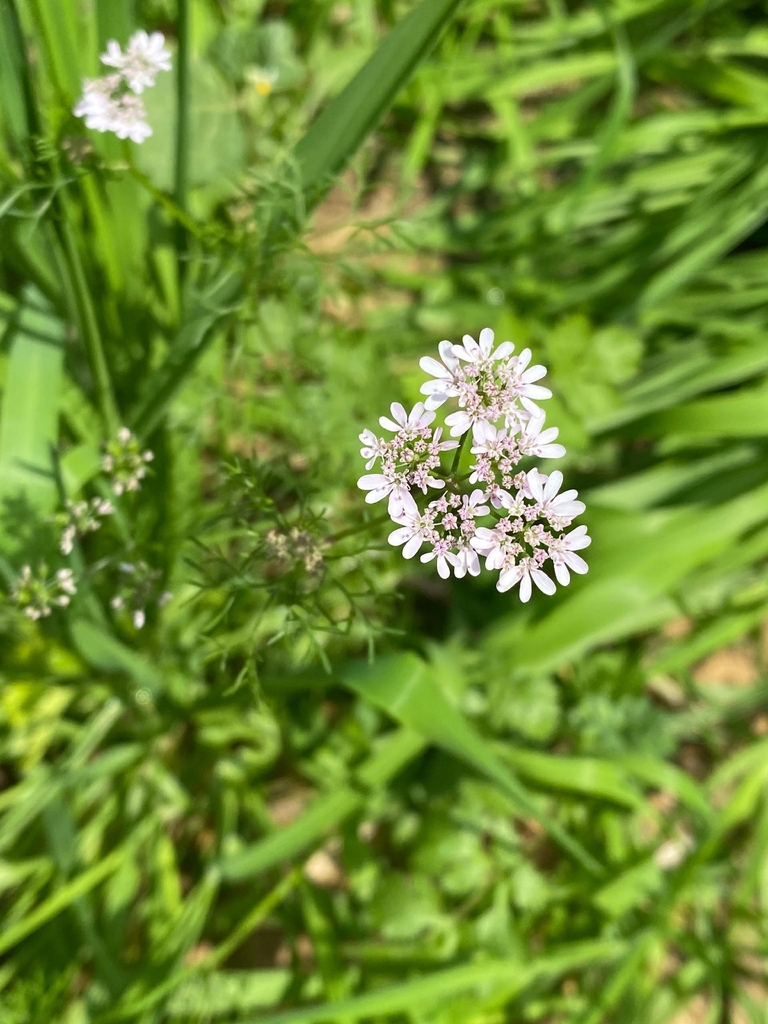
Cilantro bolts fast in heat, often within six weeks of sowing, so the trick is not preventing it but sowing a fresh batch every two to three weeks and growing it in the cooler parts of the year. Direct sow rather than transplant, since it has a taproot and resents disturbance. When it does bolt, let it finish: the seeds are coriander spice. Non-toxic to cats and dogs. Note the naming split between US and UK/India usage.
Key facts
- Bolts to flower fast in heat and long days, sometimes within six weeks, so successional sowing every 2-3 weeks is the only reliable way to keep leaf coming.
- One plant gives two distinct ingredients: fresh leaf and dried seed, which taste nothing alike.
- Has a taproot and transplants badly, so it should be direct sown or raised in deep modules rather than moved from a shallow pot.
- Roughly one person in ten carries an olfactory-receptor gene variant that makes cilantro leaf taste like soap; this is genetic, not fussiness.
Growing requirements#
| Plant type | Outdoor fast-growing cool-season annual herb |
| Growing medium | Light, free-draining, moderately fertile soil or a deep potting compost |
| Light needs | Full sun in cool seasons; light afternoon shade in summer noticeably delays bolting |
| Water frequency | Keep evenly moist, around 25mm a week; drought stress triggers immediate bolting |
| Spacing | Thin to 15-20cm for full plants, or sow densely at 5cm and cut as baby leaf |
| Sowing season (northern hemisphere) | March to May and again August to September; avoid high summer for leaf production |
| Sowing season (southern hemisphere) | March to May and August to October in Australia and New Zealand; the cool season is best |
| Temperature range | 10-24°C (50-75°F); bolts rapidly above 26°C |
| Fertilizer | Light. A balanced liquid feed every few weeks is ample, and excess nitrogen weakens the flavour |
| Soil pH | 6.2-6.8 |
| Container suitability | Good, but the pot must be at least 25cm deep for the taproot. Sow directly into the final pot rather than transplanting |
| Hardiness | Tolerates light frost and often overwinters under a cloche in mild regions |
| Toxicity | Non-toxic to cats and dogs; leaves and seeds are both safe |
Harvest, yield & propagation#
| Days to harvest | 3-4 weeks for baby leaf, 45-70 days for full plants, 90-105 days if growing on for seed |
| Yield per plant | 2-3 leaf cuttings before bolting, then a good handful of seed if left to finish |
| Harvest signal | Plant is 15cm tall with several broad lower leaves. Pick before any flower stalk appears |
| Harvest technique | Cut whole outer stems at the base, leaving the centre intact, or shear a densely sown patch at 5cm for baby leaf |
| Storage | Leaf keeps 5-7 days refrigerated with stems in water; it freezes reasonably chopped in oil but dries very poorly |
| Seed (coriander) | When the seed heads turn beige, cut the whole stalk, hang it upside down in a paper bag, and let the seed drop. Dried seed keeps 2-3 years |
| Propagation methods | Direct-sown seed only. Do not transplant from shallow pots, since the taproot will not recover |
| Companion plants | Spinach, tomatoes and legumes; the flowers attract hoverflies that predate aphids, so letting some bolt is useful |
Common problems & troubleshooting#
| Symptom | Likely cause | Fix |
|---|---|---|
| Plant shoots up a tall flower stem within weeks | Bolting from heat, long days, drought or root disturbance | Accept it and sow a new batch every 2-3 weeks. Use light shade in summer, keep moisture even, and grow slow-bolt varieties. Let bolted plants finish for coriander seed |
| Leaves become fine and feathery instead of broad | The plant is switching to flowering; feathery upper leaves are the bolting signal | Harvest the remaining broad lower leaves now and sow a replacement batch immediately |
| Bought supermarket pot collapses within days of planting out | Densely sown short-life plants with disturbed taproots | Do not try to transplant them. Sow your own directly into the ground or into a deep final pot |
| Yellowing leaves and stunted growth | Waterlogged soil or root disturbance | Improve drainage, water evenly rather than heavily, and avoid moving established plants |
| Pale mottled leaves with tiny green insects | Aphids, common on stressed plants | Wash off with water, and let a few plants flower since coriander flowers attract aphid-eating hoverflies |
| Brown spots and rotting stem bases | Bacterial leaf spot or damping off in crowded wet conditions | Thin plants for airflow, water at the base in the morning, and avoid overcrowding seedlings |
Sow the next batch before this one bolts
Cilantro runs to seed faster than you expect. Sodate tracks your temperatures and tells you the week to sow the next batch so you never run out of leaf.
Seasonal care#
Varieties & cultivars#
| Variety | Distinguishing trait | Note |
|---|---|---|
| 'Calypso' | Strongly slow-bolting, regrows after cutting | The best choice for leaf production |
| 'Santo' | Reliable slow-bolt leaf variety | Widely available and dependable |
| 'Leisure' | Slow-bolting with good leaf yield | Popular in North America |
| 'Confetti' | Very fine feathery leaves | Ornamental and milder in flavour |
| Moroccan / seed types | Bred for heavy seed production | Bolts fast by design; grow for spice, not leaf |
Buying checklist#
- Buy a named slow-bolt variety such as 'Calypso' if you want leaf rather than seed
- Choose a seed-type variety deliberately if you want coriander spice
- Buy seed rather than a supermarket pot, which is bred for a short indoor life and transplants terribly
- Get a generous seed count, since you will be sowing successionally all season
- Check whether the packet is sold as cilantro or coriander so you know which crop is intended
Pricing by region#
| Region | Price range | Typical unit | Basis |
|---|---|---|---|
| US | $2 – $4.5 | Seed packet (~200-500 seeds) | Seed catalogue + garden centre |
| UK | $1.8 – $4 | Seed packet (~200 seeds) | Garden centre retail |
| India | $0.15 – $0.6 | Seed packet or 100g whole dhania seed | Agri supply + local market |
| Australia | $2.5 – $5 | Seed packet (~200 seeds) | Nursery + seed retail |
| Canada | $2 – $4.5 | Seed packet (~250 seeds) | Garden centre retail |
USD figures are approximate conversions for comparison; switch the dropdown to see each region's actual local-currency listing price.
Often confused with#
Name confusion warning#
The same plant has different names depending on where you are, and which part you mean. In the US and Canada the fresh leaf is cilantro and only the dried seed is called coriander. In the UK, Ireland, Australia, New Zealand and India, both the leaf and the seed are called coriander, and in India the leaf is also dhania or kothmir. A seed packet labelled "coriander" in a British catalogue is usually intended for leaf, while one labelled "coriander seed" in an American catalogue is the spice.
Where it's actually grown#
Coriander seed is produced at enormous scale in India, which is by far the world's largest grower, alongside Morocco, Bulgaria, Romania and Canada. Home-garden packets of slow-bolt leaf varieties are typically produced in Europe and North America under separate breeding programmes, since leaf types and spice types are selected for opposite behaviour: one to delay flowering as long as possible, the other to flower and seed heavily.
Import & biosecurity restrictions#
| Region | Note |
|---|---|
| Australia | Seed imports need an import permit and phytosanitary certificate; domestic packets are freely sold. |
| US | Domestic sale unrestricted; imported seed may need a USDA small-lots-of-seed permit. |
| UK | Home-garden packets sold freely; commercial imports require phytosanitary documentation. |
| India | The world's largest producer; whole spice-grade dhania seed from a grocer germinates well and is very cheap. |
| Canada | A significant commercial coriander seed grower; home-garden packets clear without issue. |
Similar plants
Ranked in these guides
Did you know?
Frequently asked questions
Why does my cilantro bolt so quickly?
Because that is what the plant is built to do. Heat, long days, drought and root disturbance all trigger flowering, sometimes within six weeks. Rather than fighting it, sow a fresh batch every two to three weeks, grow it in the cooler parts of the year, use light afternoon shade in summer, and choose a slow-bolt variety such as 'Calypso'.
What is the difference between cilantro and coriander?
They are the same plant. In the US and Canada, cilantro means the fresh leaf and coriander means the dried seed. In the UK, Australia, New Zealand and India, coriander refers to both, and in India the leaf is also called dhania or kothmir. Check which part a recipe or seed packet means.
Can I transplant cilantro seedlings?
Not well. Cilantro forms a taproot and reacts to disturbance by bolting almost immediately, which is why supermarket pots so often collapse when planted out. Sow directly into the ground, or into the final deep pot, and thin rather than move.
What do I do when cilantro flowers?
Let it finish. The seeds it produces are coriander spice. Once the seed heads turn beige, cut the stalk, hang it upside down in a paper bag, and collect the seed as it drops. The flowers also attract hoverflies that eat aphids.
Is cilantro safe for cats and dogs?
Yes. Both the leaves and the seeds are non-toxic to cats and dogs, and small amounts cause no problems beyond possible mild stomach upset if a pet eats a lot at once.