 Sodate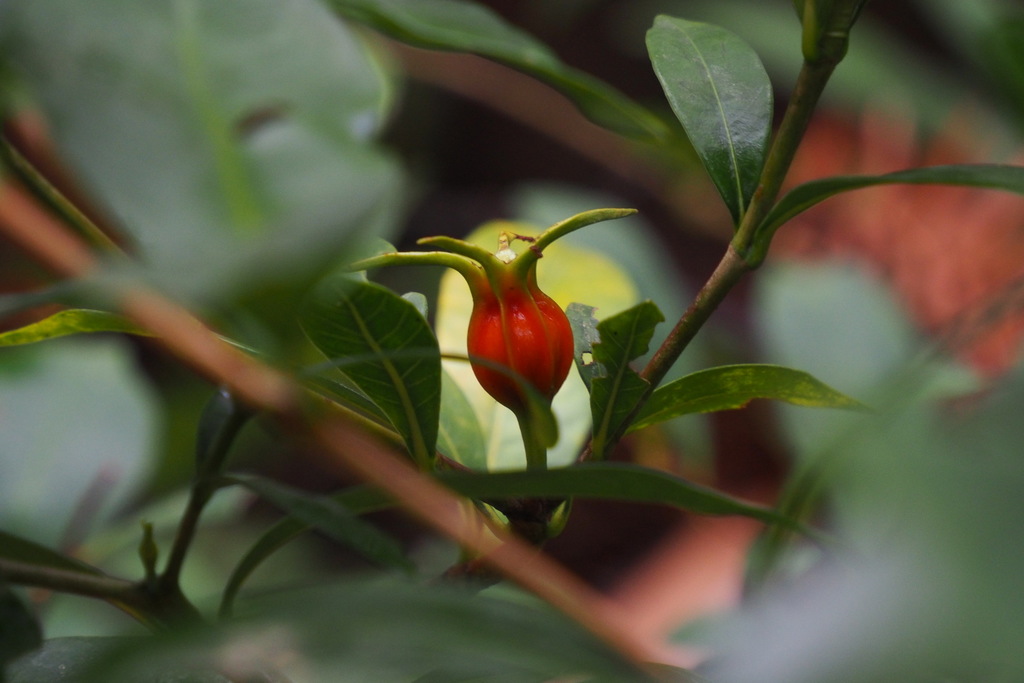
On this page
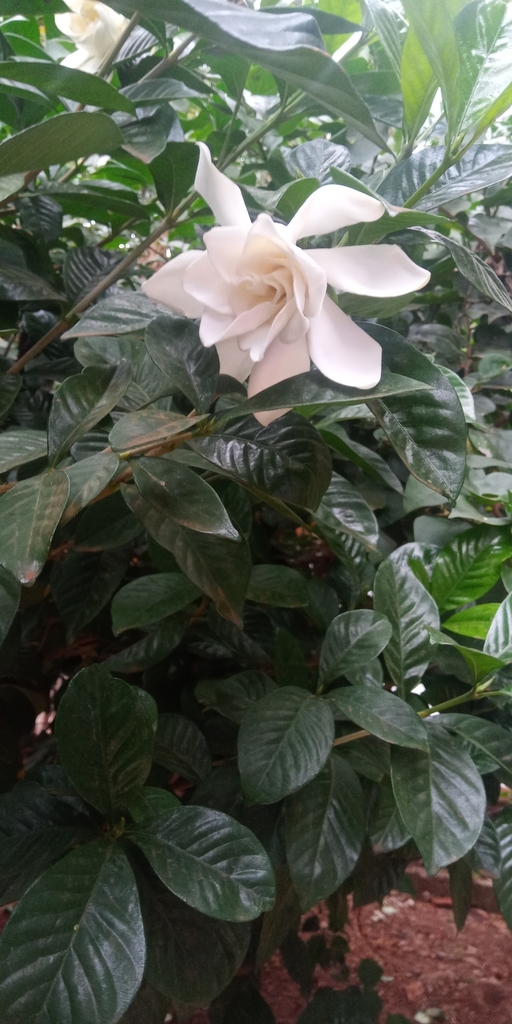
Gardenia is a demanding shrub and a poor choice for a first flowering plant. It needs acidic soil at pH 5.0-6.0, humidity above 50%, night temperatures around 15-16°C to set buds, and rainwater rather than hard tap water. Alkaline conditions turn the leaves yellow with chlorosis. Hardy only in USDA zones 8-11 (RHS H2-H3). Prune lightly just after flowering finishes in late summer. Mildly toxic to cats and dogs. Plants cost $20-$60.
Key facts
- Needs acidic soil at pH 5.0-6.0. In alkaline soil, or watered with hard tap water, it develops chlorosis: leaves go yellow between green veins and the plant slowly starves of iron.
- Bud drop is its signature failure. It is triggered by dry air, fluctuating temperatures, draughts, or letting the root ball dry out even once while buds are swelling.
- Sets buds best when night temperatures fall to about 15-16°C while days sit at 21-24°C. Constant warm indoor temperatures often mean no flowers at all.
- Mildly toxic to cats and dogs; the fruit and leaves cause vomiting, diarrhoea and hives.
Care requirements#
| Plant type | Evergreen flowering shrub; grown outdoors in warm climates and as a conservatory or houseplant elsewhere |
| Growing medium | Acidic, humus-rich, free-draining soil, or ericaceous (lime-free) compost |
| Light needs | Bright light with shade from hot afternoon sun; indoors, a bright east-facing window |
| Water frequency | Keep evenly moist at all times. Use rainwater or filtered water, never hard tap water |
| Humidity | Above 50%; dry air causes bud drop, so stand pots on damp pebble trays indoors |
| Hardiness zone (USDA) | 8-11; 'Frost Proof' and similar cultivars survive short spells in zone 7 |
| Hardiness zone (RHS) | H2-H3. Needs a conservatory or heated greenhouse in most of the UK |
| Bloom season | Late spring through summer, with a lighter repeat in autumn in warm climates |
| Temperature range | 21-24°C days with 15-16°C nights during bud set; damaged below 0°C |
| Fertilizer | Ericaceous or acid-plant feed every 2-4 weeks from spring to late summer; stop in autumn |
| Soil pH | 5.0-6.0 (acidic), non-negotiable |
| Toxicity | Mildly toxic to cats and dogs; the fruit and foliage cause vomiting, diarrhoea and hives |
Growth & propagation#
| Mature size | 60cm dwarf cultivars to 2m outdoors in warm climates |
| Growth rate | Slow to moderate |
| Propagation methods | Semi-ripe cuttings in late spring or summer, with bottom heat |
| Propagation difficulty | Demanding: cuttings need 21-24°C bottom heat and high humidity to root |
| Repotting schedule | Every 2-3 years into fresh ericaceous compost, one pot size up, in spring |
| Pruning timing | Prune lightly straight after the last flowers fade in late summer. Buds for the next season form on growth made in autumn, so pruning in winter or spring removes the coming flowers. Never cut into old bare wood, which regrows poorly. |
Common problems & troubleshooting#
| Symptom | Likely cause | Fix |
|---|---|---|
| Yellow leaves with green veins | Iron chlorosis from alkaline soil or hard tap water. The classic gardenia complaint | Switch entirely to rainwater, apply sequestered iron, and top-dress with ericaceous compost or sulphur chips |
| Buds swell then fall off before opening | Dry air, temperature swings, draughts, or the root ball drying out | Raise humidity above 50%, keep the compost evenly moist, and give it cooler nights around 15-16°C during bud set |
| Sticky leaves with sooty black film | Scale insects or mealybugs producing honeydew | Wipe stems and leaf undersides, treat with horticultural soap or oil, and repeat every 10 days |
| Overall leaf yellowing and drop, soil constantly wet | Root rot from waterlogged compost | Repot into fresh free-draining ericaceous mix and water only when the top 2cm is just drying |
Catch the conditions that cause bud drop
Sodate tracks humidity, night temperatures and watering gaps, the three things that make gardenia buds fall before they open.
Seasonal care#
Varieties & cultivars#
| Variety | Distinguishing trait | Note |
|---|---|---|
| 'August Beauty' | Long flowering season, 1.2-1.5m | One of the most reliable garden cultivars in warm zones |
| 'Frost Proof' | Hardier, narrower leaves, resists bud damage from late frost | The usual choice at the cold edge of gardenia range |
| 'Radicans' | Low spreading dwarf, 30-60cm | Suits containers and ground cover |
| 'Veitchii' | Compact, heavy flowering, good indoors | The traditional florist and conservatory gardenia |
Buying checklist#
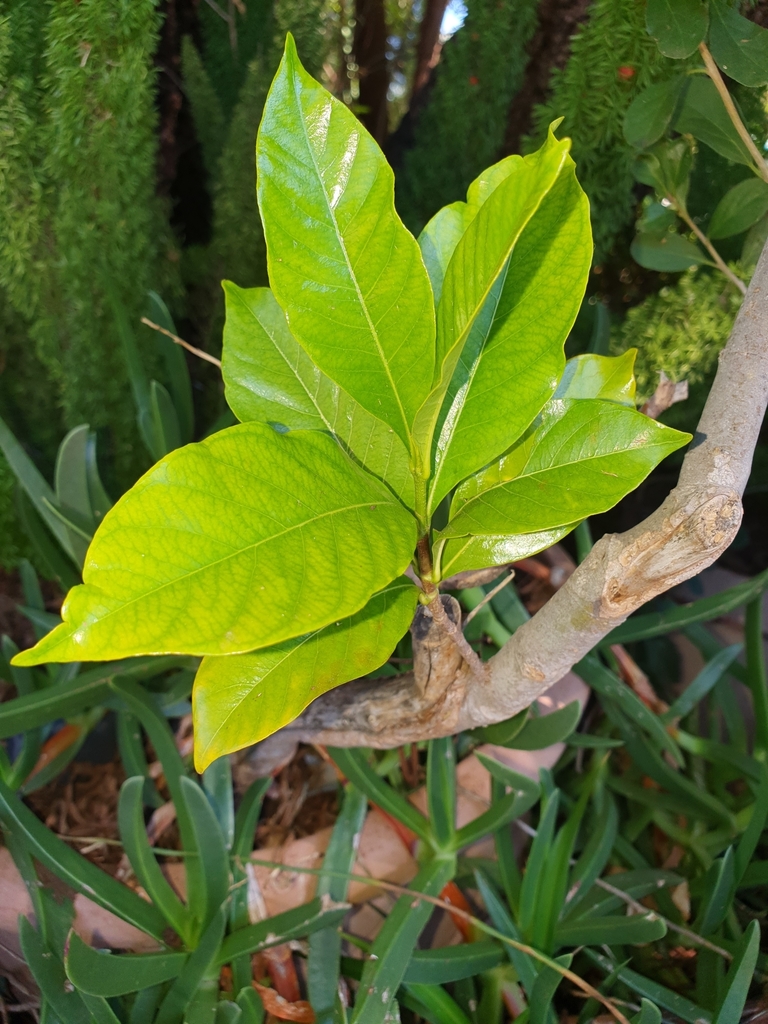
- Leaves are uniformly deep green, with no yellowing between the veins
- Buds are firm and green rather than yellowing at the base
- No sticky residue or white cottony mealybugs in the leaf joints
- Check the cultivar's hardiness against your zone before planting outdoors
Pricing by region#
| Region | Price range | Typical unit | Basis |
|---|---|---|---|
| US | $20 – $60 | 3 gallon shrub | Nursery + garden centre retail |
| UK | $15 – $45 | 2-3L pot | Garden centre / indoor plant retail |
| India | $2 – $8 | 8in pot | Urban nursery retail |
| Australia | $18 – $55 | 200mm pot | Nursery retail |
| Canada | $22 – $60 | 2-3 gallon pot | Garden centre retail (mostly sold as indoor) |
USD figures are approximate conversions for comparison; switch the dropdown to see each region's actual local-currency listing price.
Often confused with#
Where it's actually grown#
Gardenias are propagated from cuttings in warm-climate nurseries, mainly in Florida, California, southern China and the Netherlands under glass. Its fruit is also grown commercially in China and Japan as the source of gardenia yellow and blue food colourings.
Import & biosecurity restrictions#
| Region | Note |
|---|---|
| Australia | Live plant imports restricted; extremely popular domestically, especially in Queensland and NSW. |
| US | Unrestricted domestic sale; grown outdoors across the southeast and as a container plant further north. |
| UK | No restriction on sale; almost always sold as an indoor or conservatory plant because it is not hardy. |
| India | No restriction; grows well in warm humid regions and is widely used for temple and garland flowers. |
| Canada | CFIA rules apply to commercial imports; sold as a houseplant, as it cannot overwinter outdoors. |
Similar plants
Did you know?
Frequently asked questions
Why are my gardenia's leaves turning yellow?
Almost always iron chlorosis caused by alkaline soil or hard tap water. Gardenia needs a soil pH of 5.0-6.0. Switch to rainwater, apply sequestered iron, and top-dress with ericaceous compost.
Why do gardenia buds fall off before opening?
Bud drop is caused by dry air, swings in temperature, draughts, or the root ball drying out even briefly. Keep humidity above 50%, keep the compost evenly moist, and give it nights around 15-16°C while buds are forming.
Is gardenia toxic to cats and dogs?
Mildly, yes. The fruit and foliage cause vomiting, diarrhoea and hives in cats and dogs. It is not among the most dangerous garden plants, but it is not pet-safe either.
When should I prune a gardenia?
Straight after the last flowers fade in late summer. Buds for the next season form on autumn growth, so pruning in winter or spring cuts off the coming flowers.
Is gardenia a good plant for beginners?
No. It is one of the fussiest ornamental shrubs commonly sold, with strict requirements for acidic soil, humidity, water quality and night temperatures. Camellia gives a similar look with far less difficulty.