 Sodate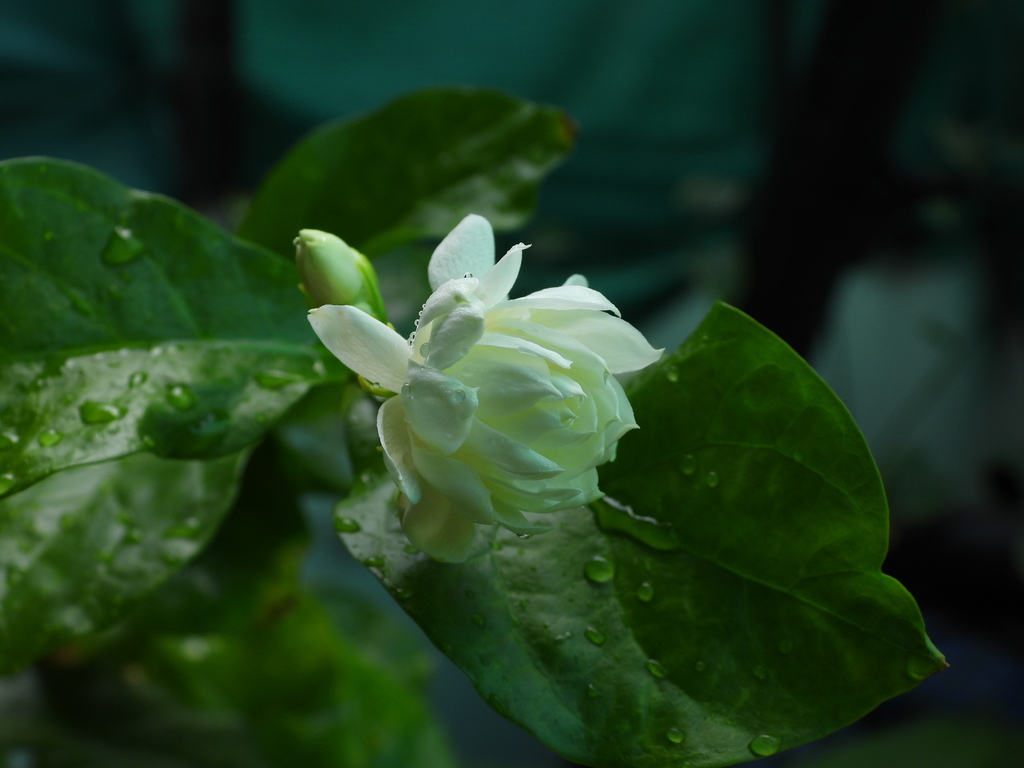
On this page
Arabian jasmine is an easygoing plant in warm climates: give it full sun to light shade, free-draining soil and regular water and it flowers on and off all through the warm months. It flowers on new wood, so prune in early spring before growth starts, cutting back hard to force the flowering shoots. Hardy only in USDA zones 9-11 (RHS H1c-H2), so it needs to come indoors over winter in cooler regions. Mildly toxic to cats and dogs. Plants cost $12-$35.
Key facts
- Flowers on new wood, which is the opposite of most spring-flowering shrubs. Prune in early spring before growth restarts; hard pruning increases flowering rather than removing it.
- Tender: hardy only in USDA zones 9-11 (RHS H1c-H2). In cooler climates it is grown in a container and overwintered indoors above 10°C.
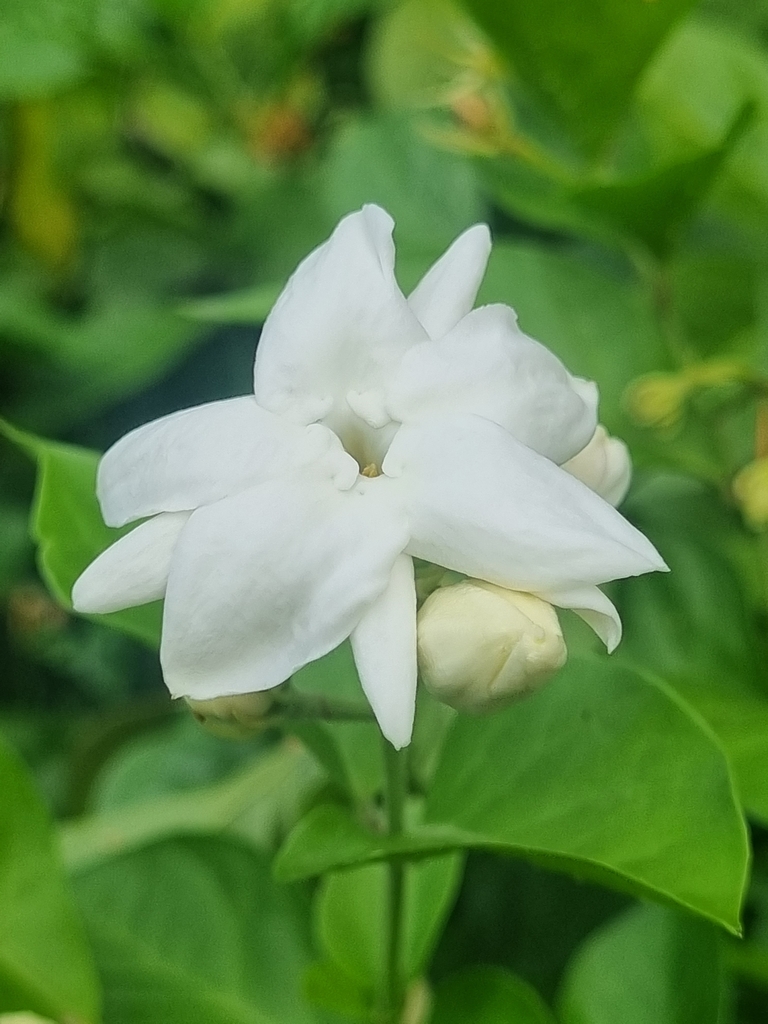
- Flowers open in the evening and release most of their scent at night, which is why it is traditionally planted by doorways and windows.
- Mildly toxic to cats and dogs, causing vomiting and mild digestive upset. Note that the unrelated Carolina jessamine and star jasmine are far more dangerous.
Care requirements#
| Plant type | Tender evergreen scrambling shrub or climber; grown in containers outside the tropics |
| Growing medium | Fertile free-draining soil or a loam-based container compost |
| Light needs | Full sun to light shade; at least 5-6 hours of sun for heavy flowering |
| Water frequency | Keep evenly moist in the growing season; reduce sharply in winter |
| Humidity | Prefers 50%+; indoors in winter it appreciates a pebble tray |
| Hardiness zone (USDA) | 9-11; grown as a summer container plant elsewhere |
| Hardiness zone (RHS) | H1c-H2. Needs a heated conservatory or bright indoor spot in the UK |
| Bloom season | Repeatedly through the warm months, mainly late spring to autumn; near-continuous in the tropics |
| Temperature range | 18-30°C (65-86°F); damaged below 5°C and killed by frost |
| Fertilizer | High-potash feed every 2-3 weeks through the growing season |
| Soil pH | 6.0-7.5 (slightly acidic to slightly alkaline) |
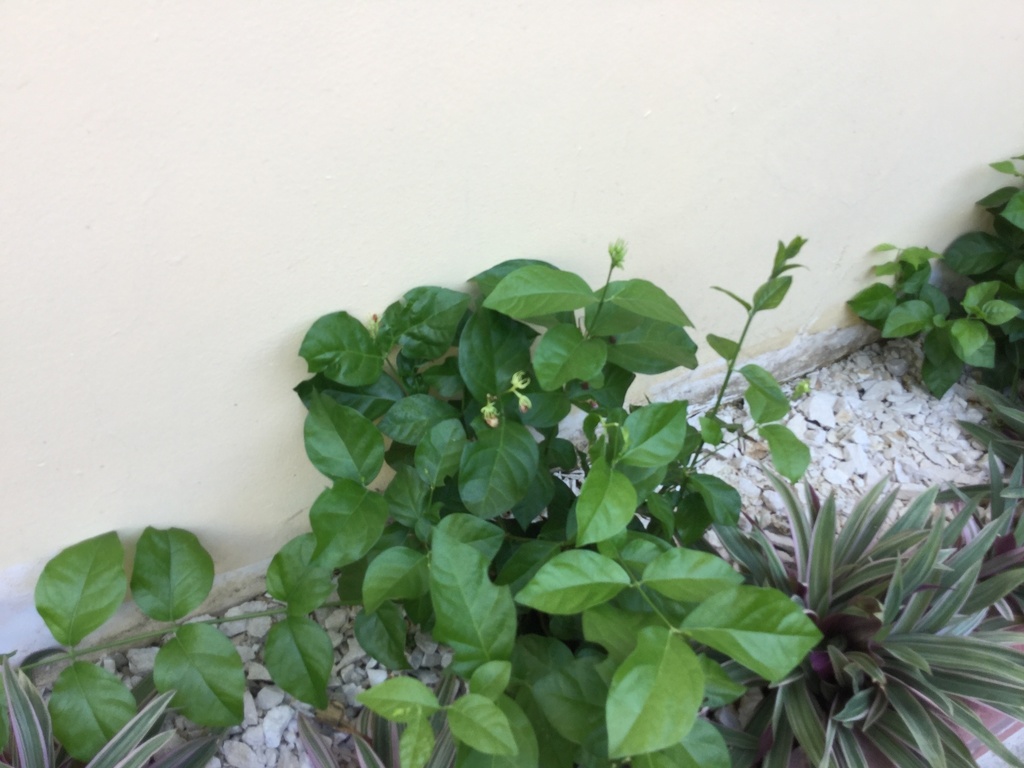
| Support | Scrambling habit: needs a trellis, obelisk or wires to climb, or can be kept as a loose shrub |
| Toxicity | Mildly toxic to cats and dogs; causes vomiting and digestive upset. True Jasminum species are far less dangerous than the lookalikes sold as jasmine. |
Growth & propagation#
| Mature size | 1-3m as a climber; 60cm-1.5m if kept clipped as a shrub or in a pot |
| Growth rate | Fast in warmth, near dormant below 15°C |
| Propagation methods | Semi-ripe cuttings in summer, or layering a low stem |
| Propagation difficulty | Beginner-friendly with warmth; cuttings root in 4-6 weeks |
| Repotting schedule | Every 2 years in spring, or top-dress large pots |
| Pruning timing | Prune in early spring, before new growth starts. Because flowers form on new wood, cutting stems back by a third to a half increases the number of flowering shoots. Light tip-pruning after each flush also encourages the next one. Avoid pruning in autumn, which leaves soft growth exposed to cold. |
Common problems & troubleshooting#
| Symptom | Likely cause | Fix |
|---|---|---|
| Plenty of leaves but no flowers | Too little sun, too much nitrogen, or pruned at the wrong time | Move into full sun, switch to a high-potash feed, and prune only in early spring |
| Sticky leaves and black sooty film | Mealybugs or scale insects, common on indoor overwintered plants | Wipe stems and leaf joints, treat with horticultural soap or oil, and repeat every 10 days |
| Yellowing leaves in winter indoors | Overwatering while growth has slowed, or cold draughts | Water only when the top 3cm dries and move away from cold windows and doorways |
| Fine webbing and speckled leaves | Spider mite in dry indoor air | Raise humidity, rinse the foliage, and treat with insecticidal soap |
Prune for flowers, not against them
Sodate knows which of your plants flower on new wood and which on old, and schedules each cut in the right window.
Seasonal care#
Varieties & cultivars#
| Variety | Distinguishing trait | Note |
|---|---|---|
| 'Grand Duke of Tuscany' | Fully double rosette-like flowers | Long-lasting blooms, slower growing |
| 'Maid of Orleans' | Semi-double, very free flowering | The commonest mogra grown for garlands |
| Jasminum officinale (common jasmine) | Hardier deciduous climber, summer flowering | Hardy to USDA zone 7; the right choice for cooler gardens |
| Jasminum nudiflorum (winter jasmine) | Bare yellow flowers in midwinter, scentless | Fully hardy, and prunes after flowering rather than before, unlike sambac |
Buying checklist#
- Stems flexible and green with no dieback at the tips
- Leaf joints clear of white cottony mealybugs
- Buds present, since a plant already flowering proves it is a free-flowering form
- Check which Jasminum species it is. Hardiness varies enormously across the genus
Pricing by region#
| Region | Price range | Typical unit | Basis |
|---|---|---|---|
| US | $12 – $35 | 1-2 gallon pot | Nursery + garden centre retail |
| UK | $10 – $30 | 2-3L pot | Garden centre retail |
| India | $1 – $4 | 6-8in pot | Urban nursery retail |
| Australia | $12 – $35 | 150-200mm pot | Nursery retail |
| Canada | $15 – $40 | 1-2 gallon pot | Garden centre retail (sold as indoor) |
USD figures are approximate conversions for comparison; switch the dropdown to see each region's actual local-currency listing price.
Often confused with#
Name confusion warning#
Several unrelated plants are sold as jasmine. True jasmines are Jasminum species and only mildly toxic; star jasmine (Trachelospermum) and Carolina jessamine (Gelsemium) are different genera, and Gelsemium is highly poisonous. Always check the botanical name on the label.
Where it's actually grown#
Jasminum sambac is grown at large scale in Tamil Nadu, Karnataka and Andhra Pradesh in India, and in the Philippines, Thailand and southern China, for the fresh flower and garland trade. Jasmine absolute for perfumery is produced mainly in India and Egypt from Jasminum grandiflorum.
Import & biosecurity restrictions#
| Region | Note |
|---|---|
| Australia | Live plant imports restricted; note that Jasminum polyanthum is a declared environmental weed in parts of the east coast. |
| US | Unrestricted domestic sale; grown outdoors in Florida, the Gulf Coast and southern California. |
| UK | No restriction; J. sambac is sold as a conservatory plant, while hardy J. officinale and J. nudiflorum grow outdoors. |
| India | No restriction; a major commercial flower crop and culturally central to garlands and temple offerings. |
| Canada | CFIA rules apply to commercial imports; grown as an indoor or summer patio plant only. |
Similar plants
Ranked in these guides
Did you know?
Frequently asked questions
Is jasmine toxic to cats and dogs?
True jasmine (Jasminum sambac and relatives) is mildly toxic, causing vomiting and digestive upset. The bigger risk is misidentification: Carolina jessamine (Gelsemium), often sold as yellow jasmine, is highly poisonous to pets and people.
When should I prune jasmine?
For Jasminum sambac, prune in early spring before growth starts. It flowers on new wood, so cutting stems back by a third to a half actually increases flowering. Winter jasmine, by contrast, flowers on old wood and is pruned right after flowering.
Why won't my jasmine flower?
Usually too little sun or too much nitrogen. Give it at least five or six hours of direct sun and switch to a high-potash feed. Pruning at the wrong time of year is the other common cause.
Can jasmine survive winter outdoors?
Jasminum sambac only in USDA zones 9-11. In cooler climates keep it in a container and bring it indoors above 10°C. If you want a hardy outdoor jasmine, choose Jasminum officinale (zone 7) or winter jasmine, J. nudiflorum.
How much does a jasmine plant cost?
A 1-2 gallon plant typically costs $12-$35 in the US, £8-£24 in the UK, and ₹80-₹350 in India where it is grown at scale.