 Sodate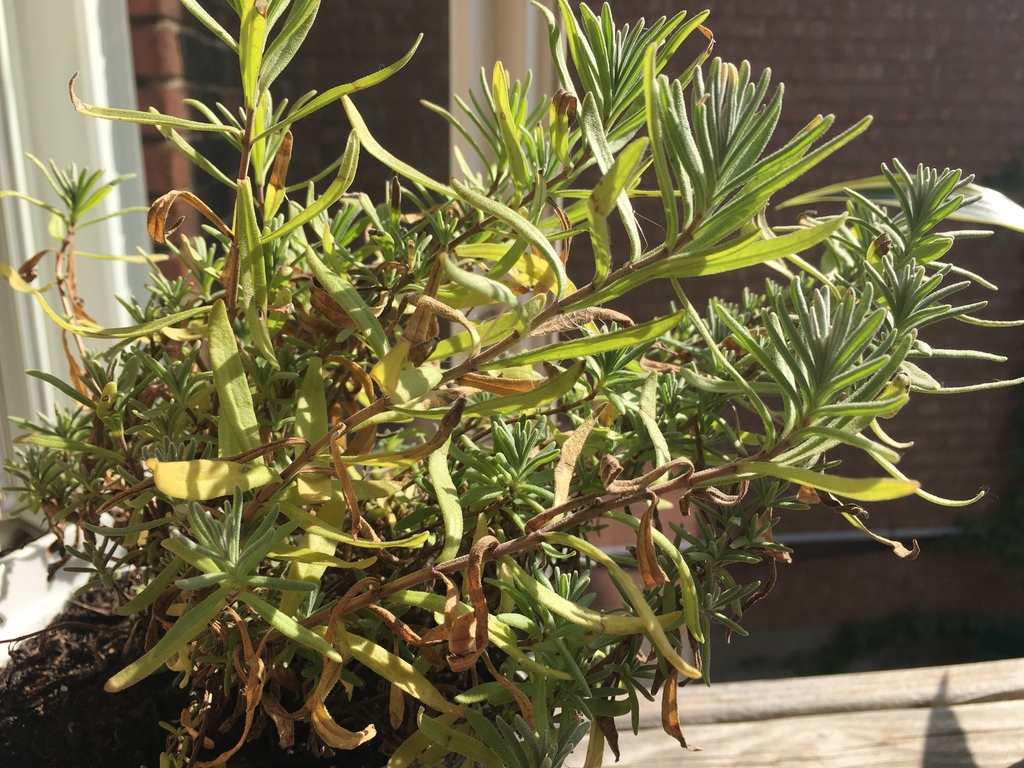
On this page
English lavender is a perennial evergreen sub-shrub hardy in USDA zones 5-9 that wants the opposite of most garden plants: full sun, lean sandy soil, and minimal water. It blooms early-to-mid summer; shear it back by a third right after flowering but never into bare old wood, which won't resprout. Wet winter soil kills more lavender than cold. Mildly toxic to cats and dogs. Plants cost $8-$25.
Key facts
- A true Mediterranean plant: full sun, sharp drainage, and lean alkaline soil produce more flowers and stronger scent than rich, fertilized ground.
- Prune annually right after flowering, removing about a third of growth. But never cut into leafless old wood, because lavender cannot regrow from bare stems. Skipping this trim is why plants turn woody and sparse within a few years.
- Winter wet is the main killer: roots rot in heavy or poorly drained soil long before cold ever harms a zone-5-hardy plant.
- Mildly toxic to cats and dogs. The linalool in its oil can cause vomiting or lethargy if plants or concentrated oil are ingested.
Care requirements#
| Plant type | Evergreen perennial sub-shrub, USDA zones 5-9 (RHS H5) |
| Light needs | Full sun. 6-8 hours minimum; flowering and fragrance collapse in shade |
| Water frequency | Weekly the first summer to establish; after that only in extended drought |
| Soil | Lean, sandy or gravelly, sharply draining; add grit to clay or plant on a mound |
| Soil pH | 6.5-8.0: happily alkaline; acidic soil benefits from lime |
| Bloom season | Late spring to midsummer; a lighter second flush if deadheaded |
| Pruning timing | Shear by one-third right after flowering; never cut into bare old wood |
| Fertilizer | Little to none. Rich soil produces floppy, scentless growth |
| Spacing | 45-90cm apart for airflow; hedges at 30-40cm |
| Humidity | Dislikes humid summers, L. angustifolia struggles in the US Gulf South |
| Winter care | Ensure drainage; avoid winter mulch touching the crown |
| Toxicity | Mildly toxic to cats and dogs (linalool); essential oil is more concentrated and riskier than the plant |
Growth & propagation#
| Mature size | 40-60cm tall and wide; up to 1m in bloom |
| Growth rate | Moderate: full size in 2-3 years |
| Lifespan | Productive for 5-10 years with annual pruning; woody and sparse without it |
| Propagation methods | Semi-hardwood cuttings in summer; seed is slow and variable |
| Propagation difficulty | Easy from cuttings |
| Pruning needs | Annual post-bloom shear plus a light spring tidy, essential, not optional |
Common problems & troubleshooting#
| Symptom | Likely cause | Fix |
|---|---|---|
| Plant collapsed or died over winter | Root rot from wet, heavy soil. Not cold | Replant in a raised mound or gritty soil; choose a spot that never puddles |
| Woody, bare-legged plant with tufts at the tips | Years without post-bloom pruning | Prune harder just above the lowest green shoots; badly woody plants are best replaced since bare wood won't resprout |
| Floppy stems and weak scent | Soil too rich, too much fertilizer, or too little sun | Stop feeding, move to full sun, and let soil stay lean |
| Grey fuzzy mold on stems in humid weather | Botrytis in still, damp air | Widen spacing, prune for airflow, water at soil level in the morning only |
| Yellowing leaves | Overwatering or nitrogen excess | Cut watering back sharply; lavender prefers to dry out fully between drinks |
Water less, not more
Sodate learns that lavender wants dry feet and spaces reminders out accordingly, so you stop killing Mediterranean plants with kindness.
Seasonal care#
Varieties & cultivars#
| Variety | Distinguishing trait | Note |
|---|---|---|
| 'Hidcote' | Deep violet flowers, compact 40-50cm habit | The classic dark English lavender for edging |
| 'Munstead' | Earlier, lighter purple, very cold-hardy | Reliable to zone 5 |
| 'Phenomenal' (L. x intermedia) | Larger hybrid tolerant of humidity and cold | Best pick for the US Southeast and Midwest |
Buying checklist#
- Compact, silver-green plant: not stretched or floppy
- Check the label: angustifolia (hardy), stoechas/French (zone 8+, frost-tender)
- No yellowing lower leaves (overwatered stock)
- Rub a leaf: strong fragrance signals a good oil-rich clone
Pricing by region#
| Region | Price range | Typical unit | Basis |
|---|---|---|---|
| US | $8 – $25 | 1 gal pot | Big-box + nursery retail |
| UK | $6 – $19 | 2-3L pot | Garden centre retail |
| India | $2 – $6 | potted plant | Online nursery (limited availability) |
| Australia | $6 – $20 | 140-200mm pot | Nursery + garden centre |
| Canada | $7 – $22 | 1 gal pot | Garden centre retail |
USD figures are approximate conversions for comparison; switch the dropdown to see each region's actual local-currency listing price.
Often confused with#
Name confusion warning#
'Lavender' spans species with very different hardiness. English lavender (angustifolia) survives to zone 5, but 'French' or 'Spanish' lavender (L. stoechas, the one with bunny-ear bracts) dies below zone 8. Big-box stores sell both under one sign. Check the botanical name before planting in a cold climate.
Where it's actually grown#
Garden-center lavender is propagated from cuttings in wholesale herb nurseries; the essential-oil industry grows vast field acreage in Provence (France), Bulgaria, the world's largest producer, and newer farms in Washington State, Tasmania, and Kashmir.
Import & biosecurity restrictions#
| Region | Note |
|---|---|
| Australia | Live plant imports restricted under biosecurity law; strong domestic nursery and oil-farm supply. L. stoechas is a declared environmental weed in parts of Victoria. |
| US | No restriction; sold nationwide. |
| UK | No restriction; one of the best-selling garden plants. |
| India | No restriction; commercial cultivation promoted in Jammu & Kashmir under the 'Purple Revolution' aroma mission. |
| Canada | CFIA phytosanitary rules for imports; domestic stock unrestricted. |
Similar plants
Ranked in these guides
Did you know?
Frequently asked questions
Is lavender safe for cats and dogs?
It's mildly toxic. The linalool in the plant can cause vomiting or lethargy if eaten, and concentrated lavender essential oil is significantly more dangerous to cats. Casual sniffing is fine; ingestion is not.
Why did my lavender die over winter?
Almost certainly wet soil rather than cold. English lavender is hardy to zone 5 but its roots rot in heavy or waterlogged ground. Replant in gritty soil on a mound or slope.
When and how should I prune lavender?
Shear off about a third of the growth right after flowering each summer, keeping some green leaves on every stem. Never cut into bare woody stems, they will not regrow.
Is lavender an annual or a perennial?
A perennial evergreen sub-shrub that lives 5-10+ productive years in zones 5-9 with annual pruning; only the frost-tender French/Spanish types get treated as annuals in cold climates.
How much does a lavender plant cost?
A 1-gallon plant runs $8-$25 in the US; small starter pots for hedging cost less in quantity.