 Sodate
On this page
Zinnias are true annuals: sow seed directly into warm soil after the last frost and they bloom in 6-8 weeks, continuing until frost kills them. They want full sun, average soil, and water at the base only. Wet leaves invite powdery mildew, their one real weakness. Deadhead (or cut for the vase) constantly and they keep pumping out flowers. Non-toxic to pets. A seed packet costs $2-$5.
Key facts
- A true annual: it completes its whole life in one season, dies at frost, and returns only from seed. No crown, bulb, or tuber survives winter anywhere.
- One of the fastest flowers in gardening. Direct-sown seed blooms in 6-8 weeks, and succession sowing every 2-3 weeks keeps fresh plants coming until frost.
- Zinnias are 'cut and come again': the more stems you harvest or deadhead, the more the plant branches and blooms.
- Non-toxic to cats and dogs, and a top-tier nectar plant for butterflies and bees.
Care requirements#
| Plant type | True annual. Frost-tender, grown from seed each year in all zones |
| Light needs | Full sun, 6+ hours; mildew and floppiness follow shade |
| Sowing | Direct sow 5mm deep after last frost in soil above 15°C; transplants resent root disturbance |
| Days to bloom | 40-60 days from sowing |
| Water frequency | 1-2 deep waterings a week at the base, keep foliage dry |
| Soil | Average, well-drained; tolerates poor soil better than soggy soil |
| Bloom season | Early summer to first frost with deadheading |
| Deadheading | Constant: cut spent blooms (or harvest stems) to keep new flowers coming |
| Pinching | Pinch seedlings at 30cm above a leaf pair for longer stems and more branches |
| Fertilizer | Light: one balanced feed at planting is usually enough |
| Spacing | 15-30cm: tighter for cut flowers, wider for airflow against mildew |
| Toxicity | Non-toxic to cats, dogs, and humans |
Growth & propagation#
| Mature size | 15cm dwarf bedding types to 1.2m cutting varieties |
| Growth rate | Very fast. Among the quickest seed-to-flower annuals |
| Classification | True annual (Asteraceae) |
| Propagation methods | Seed only; seeds are large, cheap, and easy to save from spent heads |
| Propagation difficulty | Very easy. A classic first plant for children |
| Succession sowing | Every 2-3 weeks until midsummer for continuous fresh plants |
Common problems & troubleshooting#
| Symptom | Likely cause | Fix |
|---|---|---|
| White powdery film on leaves by late summer | Powdery mildew. The defining zinnia problem, worst with overhead watering and crowding | Water at the base, space plants for airflow, choose resistant series (Profusion, Zahara), and succession-sow so fresh plants replace tired ones |
| Seedlings never emerged | Sown into cold soil, or seed rotted in wet ground | Wait until soil is reliably above 15°C. Zinnias sown late quickly overtake ones sown too early |
| Tall plants flopping over | Overcrowding, shade, or rich soil producing weak stems | Thin to proper spacing, grow in full sun, and pinch young plants to encourage sturdy branching |
| Brown spots with pale centers on leaves | Alternaria or bacterial leaf spot in warm wet weather | Remove affected leaves, avoid overhead water, rotate the bed location next year |
| Flowering stalled mid-season | Spent heads left to set seed | Deadhead hard. Cutting deep down the stem restarts branching and bloom within two weeks |
Succession sowing on autopilot
Sodate nudges you every few weeks through summer to sow the next round of zinnias, so the cutting patch never runs dry.
Seasonal care#
Varieties & cultivars#
| Variety | Distinguishing trait | Note |
|---|---|---|
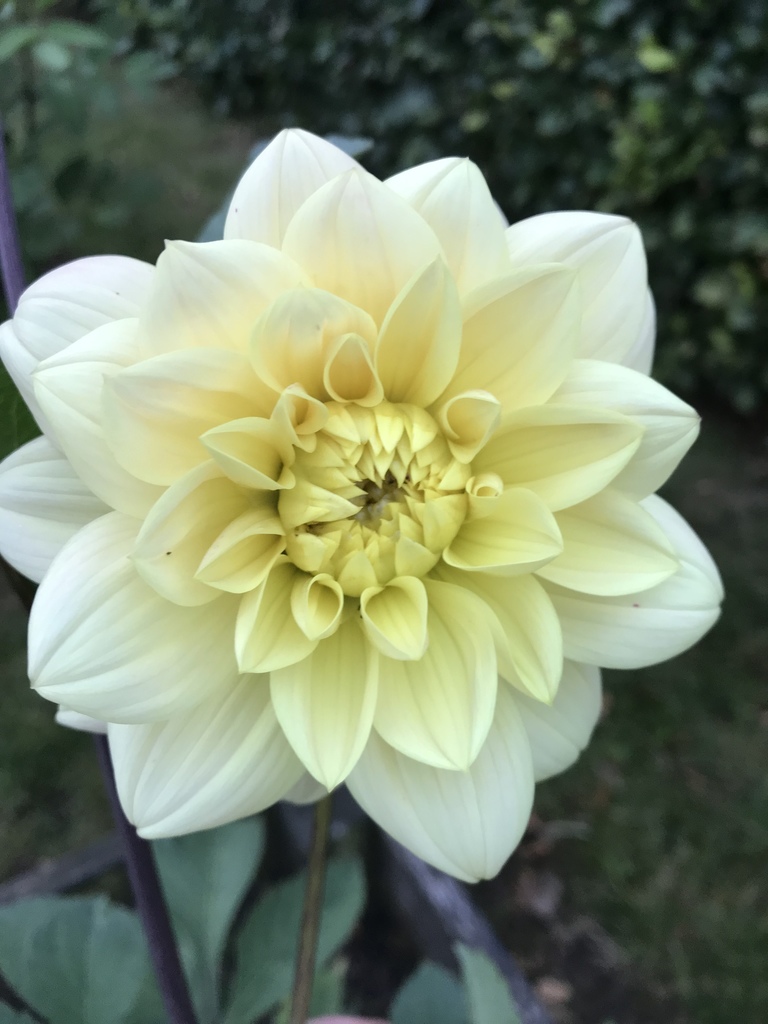
| 'Benary's Giant' series | 1m stems, 10-13cm dahlia-form blooms | The professional cut-flower standard |
| 'Profusion' series | Compact, mildew-resistant interspecific hybrid | Best for bedding and humid climates |
| 'Queeny Lime' series | Antique lime-and-blush tones | Florist favorite for unusual color |
Buying checklist#
- Buy seed, not transplants. Direct-sown zinnias outgrow disturbed transplants
- Check the series height: 'dwarf' bedding vs 1m+ cutting types are different plants in use
- For humid climates pick mildew-resistant series (Profusion, Zahara)
- Fresh seed matters: germination drops noticeably after 2-3 years
Pricing by region#
| Region | Price range | Typical unit | Basis |
|---|---|---|---|
| US | $2 – $5 | seed packet | Seed rack + online seed retail |
| UK | $2 – $5 | seed packet | Garden centre seed racks |
| India | $0 – $2 | seed packet | Local seed shops + online |
| Australia | $2 – $5 | seed packet | Nursery + seed mail order |
| Canada | $2 – $5 | seed packet | Seed rack + online |
USD figures are approximate conversions for comparison; switch the dropdown to see each region's actual local-currency listing price.
Often confused with#
Where it's actually grown#
Zinnia seed is field-produced at scale in seed-growing regions of the US, India, Kenya, and Chile; breeding of the major series is dominated by Benary (Germany) and Sakata (Japan), whose Profusion series won multiple All-America Selections awards.
Import & biosecurity restrictions#
| Region | Note |
|---|---|
| Australia | Seed generally importable with permits and inspection; live plants restricted under biosecurity law. Domestic seed widely sold. |
| US | No restriction; among the most popular garden seeds sold. |
| UK | No restriction; seed freely available. |
| India | No restriction; a bedding staple sown for both summer and winter seasons depending on region. |
| Canada | Seed imports routine; no restriction on domestic sale. |
Similar plants
Ranked in these guides
Did you know?
Frequently asked questions
Are zinnias annuals or perennials?
True annuals everywhere. They sprout, bloom, set seed, and die with the first frost in a single season, returning only from seed.
How long do zinnias take to bloom from seed?
About 6-8 weeks from direct sowing in warm soil, which makes them one of the fastest cut flowers you can grow.
Are zinnias safe for pets?
Yes. Zinnias are non-toxic to cats and dogs, making them one of the safest bold-colored annuals for pet households.
Why do my zinnia leaves turn white and powdery?
Powdery mildew, the classic zinnia disease. Water at the base instead of overhead, give plants space for airflow, and grow resistant series like Profusion in humid climates.
Should I deadhead zinnias?
Yes, constantly. Zinnias are 'cut and come again,' so every spent bloom you remove (or stem you cut for the vase) triggers more branching and more flowers.