 Sodate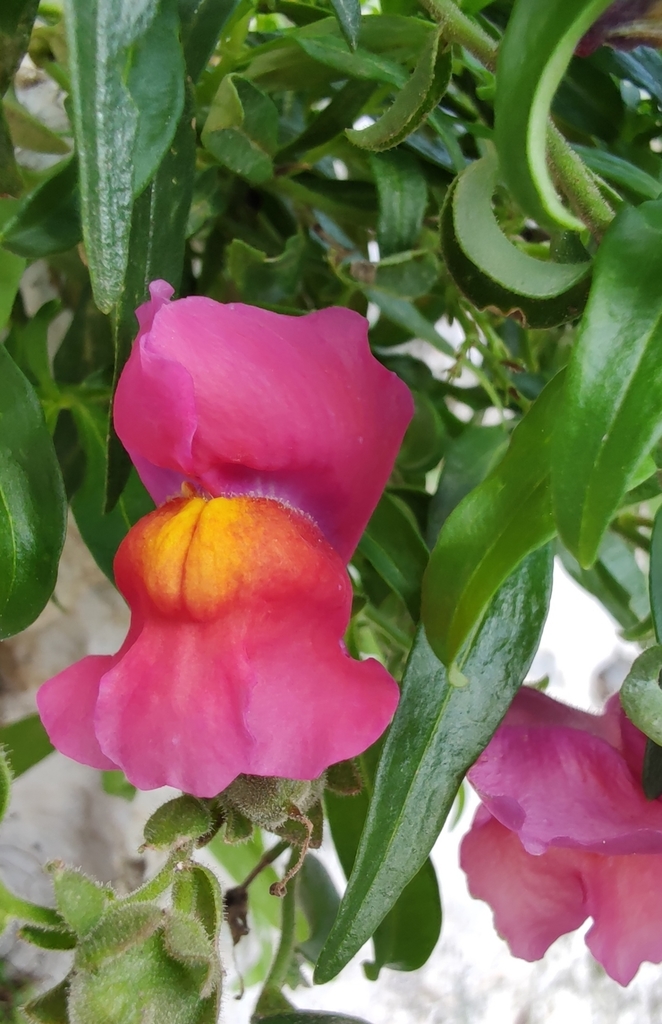
On this page
Snapdragon is a forgiving cool-season annual that flowers hardest in spring and autumn and stalls in midsummer heat. Grow it in full sun and free-draining soil, pinch the tips at 10cm for more spikes, and cut spent spikes right down to a lower leaf pair to trigger a second flush. Hardy to USDA zone 7 (RHS H3) where it often overwinters as a short-lived perennial. Non-toxic to pets. Plants cost $2-$8.
Key facts
- A cool-season plant: it flowers best at 15-20°C and largely stops setting buds above 27°C, then restarts as autumn cools.
- Behaves as a short-lived perennial in USDA zones 7-10 (RHS H3) and as an annual in colder gardens; autumn-sown plants overwinter for very early spring flowers.
- Cutting the spike back to a leaf pair rather than just snipping the faded tip is what produces the second and third flush of flowers.
- Non-toxic to cats, dogs and horses.
Care requirements#
| Plant type | Short-lived perennial grown as a cool-season annual; bedding and cut-flower plant |
| Growing medium | Free-draining, fertile garden soil or container compost |
| Light needs | Full sun; tolerates light afternoon shade in hot climates |
| Water frequency | Water when the top 2-3cm dries; avoid wetting the foliage to reduce rust |
| Hardiness zone (USDA) | 7-10 as a perennial; annual in zones 2-6 |
| Hardiness zone (RHS) | H3. Hardy in coastal and milder parts of the UK, cut down by hard frost |
| Bloom season | Late spring into early summer, then again from late summer to frost |
| Temperature range | 10-24°C (50-75°F) is ideal; bud set stalls above 27°C (80°F) |
| Fertilizer | Balanced feed monthly, or a high-potash feed fortnightly for cut-flower rows |
| Soil pH | 6.2-7.0 (slightly acidic to neutral) |
| Drainage needs | High: crown rot follows winter wet more often than cold |
| Toxicity | Non-toxic to cats, dogs, horses and humans |
Growth & propagation#
| Mature size | 20cm dwarf types to 120cm tall cut-flower types |
| Growth rate | Moderate; 12-16 weeks from seed to first flower |
| Propagation methods | Seed, surface-sown as it needs light to germinate; softwood cuttings also root readily |
| Propagation difficulty | Moderate: seed is dust-fine and must not be buried |
| Repotting schedule | Not usually repotted; pot on seedlings once before planting out |
| Pruning timing | Pinch the growing tip when the plant is 10cm tall for more stems. After the first flush, cut each spent spike right back to a healthy pair of leaves low on the plant. Deadheading only the tip gives weak regrowth. Leave overwintering plants uncut until spring. |
Common problems & troubleshooting#
| Symptom | Likely cause | Fix |
|---|---|---|
| Orange-brown pustules on leaves and stems | Snapdragon rust, encouraged by overhead watering and crowding | Remove affected leaves, water at soil level, space plants further apart, and grow rust-resistant series |
| Flowering stops in midsummer | Heat above 27°C suppresses bud set. Normal behaviour, not a fault | Cut plants back by a third, keep them watered, and they will reflower as temperatures drop in late summer |
| Tall spikes flopping over | Unsupported tall varieties, or too much shade | Net or stake tall cut-flower types at planting and grow in full sun |
| Seedlings collapse at soil level | Damping-off from sowing too thickly in cold wet compost | Sow thinly on the surface, use fresh compost, and improve ventilation |
Cut-back timing that earns you a second flush
Sodate watches your local temperatures and tells you when to cut spikes back so the plant reflowers instead of setting seed.
Seasonal care#
Varieties & cultivars#
| Variety | Distinguishing trait | Note |
|---|---|---|
| 'Rocket' series | 90-120cm spikes, strong stems | The standard cut-flower snapdragon |
| 'Madame Butterfly' series | Open azalea-form double flowers | Flowers do not snap; grown for the ruffled look |
| 'Montego' / 'Snapshot' dwarf series | 20-30cm compact plants | Bedding and container use, no staking needed |
| 'Chantilly' series | Open-faced butterfly blooms, early flowering | Popular with cut-flower growers for spring crops |
Buying checklist#
- Compact, branched plants rather than a single tall stem
- No orange rust pustules on lower leaves or stem
- Buds still closed at the top of the spike
- Roots visible but not spiralling tightly in the pot
Pricing by region#
| Region | Price range | Typical unit | Basis |
|---|---|---|---|
| US | $2 – $8 | 4in pot / cell pack | Garden centre + big-box retail |
| UK | $2 – $7 | 9cm pot / 6-pack | Garden centre retail |
| India | $1 – $2 | 4in pot | Urban nursery retail |
| Australia | $3 – $9 | punnet / 100mm pot | Nursery retail |
| Canada | $3 – $9 | 4in pot / cell pack | Garden centre retail |
USD figures are approximate conversions for comparison; switch the dropdown to see each region's actual local-currency listing price.
Often confused with#
Where it's actually grown#
Snapdragon is grown from seed produced by breeders including Sakata and Syngenta Flowers, with seed multiplication concentrated in Chile, Kenya and southern Europe. Cut-flower spikes reaching florists come largely from Colombia, Kenya and the Netherlands.
Import & biosecurity restrictions#
| Region | Note |
|---|---|
| Australia | Seed imports permitted under standard conditions; plants widely available domestically. |
| US | Unrestricted domestic sale; a major cool-season bedding and cut-flower crop. |
| UK | No restriction; sold as spring bedding and as an autumn-sown cut flower. |
| India | No restriction; grown as a winter-season annual in the plains, where it performs very well. |
| Canada | CFIA rules apply to commercial imports; grown as a spring-to-autumn annual. |
Similar plants
Ranked in these guides
Did you know?
Frequently asked questions
Are snapdragons toxic to cats and dogs?
No. Snapdragons are non-toxic to cats, dogs and horses.
When should I cut back snapdragons?
Pinch the tip at 10cm to build more stems, then after the first flush cut each spent spike right down to a low pair of healthy leaves. Cutting only the faded tip produces thin, weak regrowth.
Why did my snapdragon stop flowering in summer?
It is a cool-season plant and stops setting buds above about 27°C. Cut it back, keep it watered, and it will flower again as the weather cools in late summer and autumn.
Do snapdragons come back every year?
In USDA zones 7-10 they often survive as short-lived perennials for two or three years. In colder gardens they are grown as annuals, though they self-sow readily.
How much do snapdragons cost?
Cell packs and 4-inch pots typically cost $2-$8 in the US and £2-£6 in the UK.