 Sodate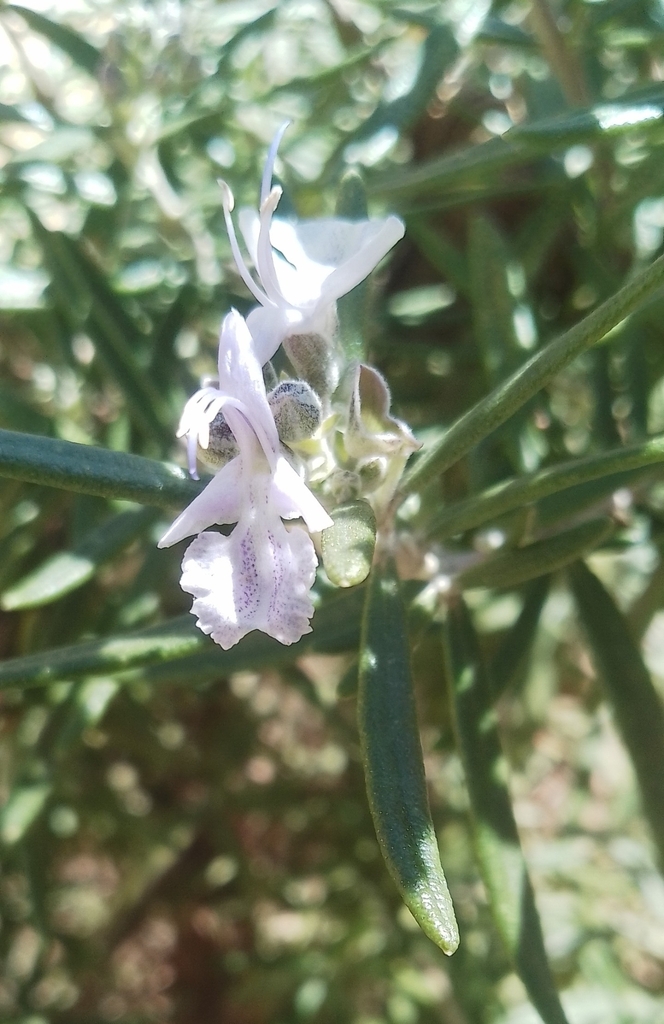
On this page
Rosemary is a Mediterranean shrub: give it full sun (6+ hours), lean well-drained soil, and water sparingly once established. Do not overwater or over-fertilize. Its number-one killer is wet winter roots, not cold, so in rainy or heavy-clay climates grow it in a terracotta pot with gritty mix. Harvest sprigs year-round by snipping stem tips; rich feeding actually dulls the flavour. Nursery plants are the practical start. Seed is slow and erratic.
Key facts
- Reclassified from Rosmarinus officinalis into the sage genus in 2017. Rosemary is literally a Salvia now.
- Evergreen: unlike most herbs it can be harvested fresh straight through winter in zones 8+.
- Lean soil = better flavour. The aromatic oils concentrate under mild stress; lush, fertilized growth is milder and floppier.
- The most common cause of death is winter root rot in wet soil, not frost itself.
Growing requirements#
| Plant type | Evergreen Mediterranean perennial shrub (hardy roughly USDA zones 8-10; some cultivars to zone 6) |
| Growing medium | Lean, gritty, sharply drained soil; low fertility is a feature, not a problem |
| Light needs | Full sun. 6+ hours of direct light; leggy and disease-prone in shade |
| Water frequency | Sparingly once established; let soil dry between waterings. Overwatering kills far more rosemary than drought |
| Days to harvest | Light snipping possible from a nursery plant immediately; from seed allow a full year before meaningful harvests (seed is slow and erratic. Most growers buy plants or root cuttings) |
| Sowing/planting season | Northern hemisphere: plant out in spring (Apr-May) after frost. Southern hemisphere: Sep-Nov. Mild-winter regions can also plant in autumn |
| Container suitability | Very good. A terracotta pot with gritty mix is the safest option in wet-winter climates and lets you move the plant under cover |
| Winter care | Rosemary dislikes wet winter roots above all: ensure drainage, raise pots on feet, and shelter from cold rain. It tolerates cold far better dry than wet |
| Fertilizer | Little to none. Over-fertilizing produces soft, mild-flavoured growth prone to flopping and rot |
| Soil pH | 6.0-7.5; tolerates slightly alkaline soil well |
| Harvest technique | Snip 5-10cm stem tips as needed year-round; never cut into old bare wood. It rarely resprouts from it |
| Culinary storage | Sprigs keep 1-2 weeks wrapped in the fridge; dries excellently. Hang bunches, then strip and jar the needles |
Growth, harvest & propagation#
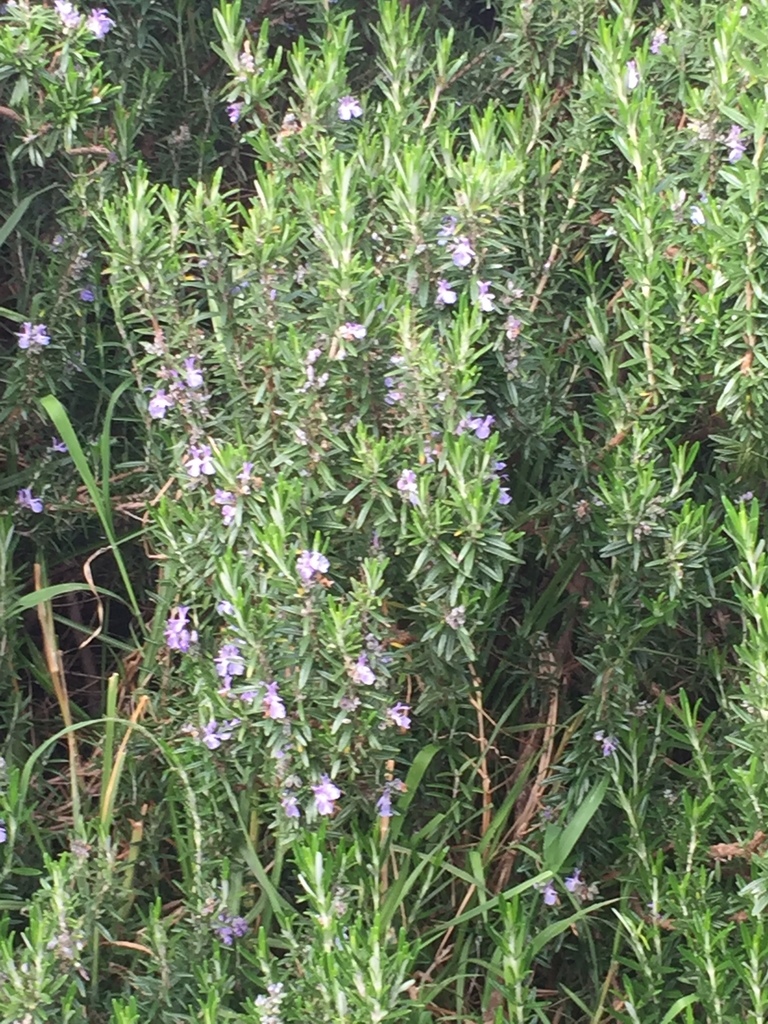
| Growth habit | Upright or prostrate evergreen shrub, typically 60-150cm tall depending on cultivar |
| Growth rate | Slow-moderate in year one, then steady; a plant lasts many years with light pruning |
| Edible parts | Leaves (needles) and flowers; stems make good skewers for grilling |
| Propagation methods | Semi-ripe cuttings in summer root readily; layering; seed is slow, erratic, and rarely worth it |
| Pruning needs | Light trim after flowering to keep compact; never cut into leafless old wood |
| Pollinator value | Blue flowers in late winter-spring are an important early nectar source for bees |
Common problems & troubleshooting#
| Symptom | Likely cause | Fix |
|---|---|---|
| Plant suddenly browns and dies in winter or early spring | Root rot from cold, wet soil. The classic rosemary death | Prevention only: gritty free-draining soil, terracotta pot raised on feet, shelter from winter rain. A rotted plant can't be saved. Take cuttings from healthy tips |
| White froth on stems in spring | Spittlebug (froghopper) nymphs | Cosmetic. Hose off with water; no spray needed |
| Powdery white coating on leaves | Powdery mildew from poor airflow, common on indoor/overwintered plants | Improve air circulation, give more light, avoid wetting foliage; prune congested growth |
| Leggy, sparse, weak-flavoured growth | Too little sun and/or too much fertilizer and water | Move to full sun, stop feeding, water less, rosemary wants lean conditions |
| Yellowing lower needles dropping in an indoor pot | Winter light starvation and overwatering indoors | Give the brightest, coolest windowsill available, water only when the mix is dry, and move it back out after frost |
Stop killing rosemary with kindness
Sodate learns that your rosemary wants less water than everything else on the patio and reminds you accordingly.
Seasonal care#
Varieties & cultivars#
| Variety | Distinguishing trait | Note |
|---|---|---|
| 'Tuscan Blue' | Vigorous upright form to 1.5m+, broad needles | Classic culinary and hedging choice |
| 'Arp' | One of the most cold-hardy cultivars (to about USDA zone 6) | Best pick for cold climates |
| 'Prostratus' | Trailing/creeping habit | Walls, hanging baskets, groundcover in mild zones |
| 'Miss Jessopp's Upright' | Narrow, upright UK favourite | Good for tight spaces and light hedging |
Buying checklist#
- Buy a plant, not seed. Rosemary seed germinates slowly and unevenly
- Foliage deep green-grey and aromatic when brushed; avoid dull, greyed-out plants
- Check the base: stems firm, no blackening at the soil line
- Tip the pot: roots white and firm, not brown or sour-smelling
- For cold climates, choose a hardy cultivar like 'Arp' by name
Pricing by region#
| Region | Price range | Typical unit | Basis |
|---|---|---|---|
| US | $4 – $9 | 4in-1qt potted plant | Garden centre + nursery retail |
| UK | $3 – $9 | 9cm-1L potted plant | Garden centre + supermarket |
| India | $1 – $3.50 | Potted plant | Urban nurseries + online plant shops (niche herb, pricier than pudina) |
| Australia | $3 – $8 | Potted plant | Nursery + hardware garden retail |
| Canada | $4 – $8 | Potted plant | Garden centre retail |
USD figures are approximate conversions for comparison; switch the dropdown to see each region's actual local-currency listing price.
Often confused with#
Where it's actually grown#
Retail rosemary is propagated by cuttings in regional wholesale nurseries. Named cultivars don't come true from seed, so virtually every plant sold is a clone. Mediterranean countries (Spain, Italy, Morocco) dominate production of dried culinary rosemary, while live plants are grown close to their retail market.
Import & biosecurity restrictions#
| Region | Note |
|---|---|
| Australia | Live plant imports effectively prohibited for individuals under biosecurity law; dried herb for consumption is fine, seed needs a permit. Buy plants domestically. |
| US | No restriction on domestic sale; live plant imports require USDA phytosanitary paperwork. |
| UK | Freely sold; commercial imports from the EU need phytosanitary certificates post-Brexit. |
| India | No domestic restriction; availability is mainly through urban and online nurseries in cooler regions. |
| Canada | Freely sold; CFIA import rules apply to live plants from abroad. |
Similar plants
Did you know?
Frequently asked questions
Why did my rosemary die over winter?
Almost always root rot from cold, wet soil rather than the cold itself. Rosemary tolerates frost far better when its roots are dry, so grow it in sharply drained soil or a sheltered terracotta pot in rainy climates.
Should I fertilize rosemary?
Barely or not at all. Rosemary evolved on lean Mediterranean hillsides; over-fertilizing produces soft, floppy growth with weaker flavour and more rot problems.
How do I harvest rosemary without hurting the plant?
Snip 5-10cm stem tips as needed, year-round on established plants. Never cut back into old, leafless wood. Rosemary rarely regrows from it.
Is rosemary safe for cats and dogs?
Yes. Culinary rosemary is considered non-toxic to cats and dogs in normal garden and food quantities.
Can I grow rosemary indoors?
Only with difficulty: it needs the brightest, coolest spot you have and very restrained watering. Most indoor rosemary dies from low light plus overwatering; a sunny outdoor pot brought in only for hard freezes works better.