 Sodate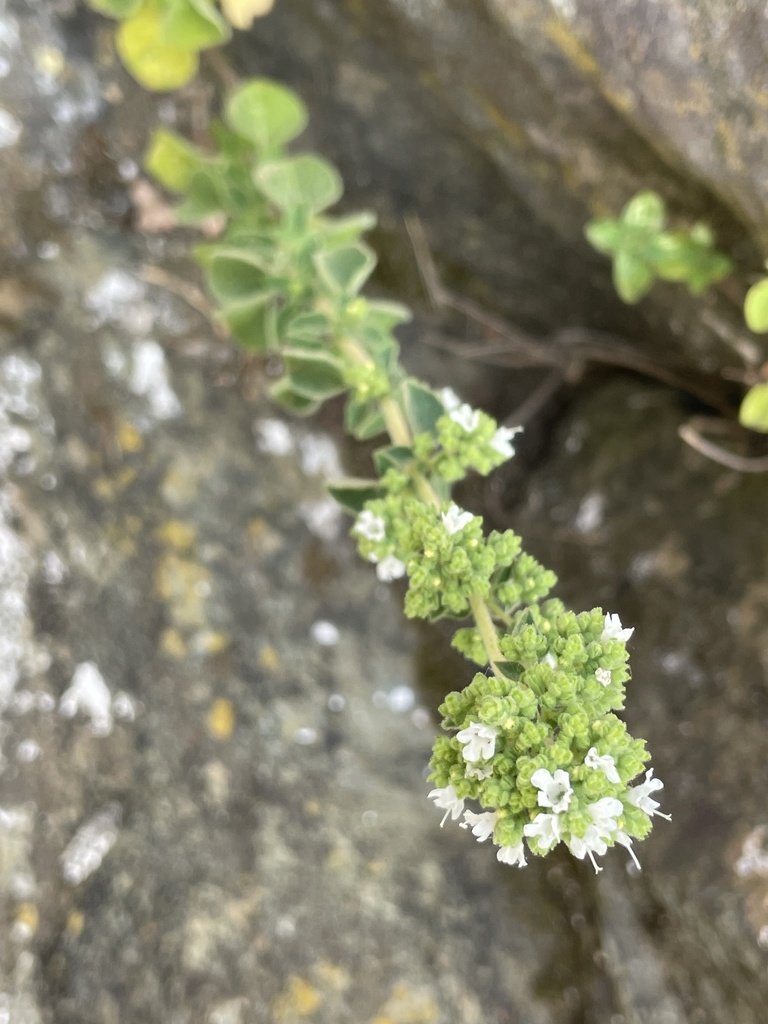
On this page
Oregano is a set-and-forget Mediterranean perennial: full sun, lean well-drained soil, minimal water once established, and no fertilizer. Lean living concentrates the flavour oils. Harvest cut-and-come-again by snipping stems just above a leaf pair; flavour peaks just before flowering. From seed expect first picking around 80-90 days; it's hardy to about USDA zone 4 and comes back for years. Greek oregano (subsp. hirtum) is the strong culinary form. Common oregano can be surprisingly bland.
Key facts
- Mediterranean rules apply: full sun + lean dry soil = strong flavour; shade + rich moist soil = bland leaves and root rot.
- Very hardy perennial (roughly USDA zones 4-9); dies back in cold winters and regrows from the crown.
- Buy Greek oregano (Origanum vulgare subsp. hirtum) for cooking: generic seed-grown oregano is often nearly flavourless.
- Pet-safe-ish caveat: oregano can cause mild GI upset in cats and dogs if they eat a lot; it's not dangerously toxic like alliums.
Growing requirements#
| Plant type | Hardy herbaceous Mediterranean perennial, 30-60cm, in the mint family |
| Growing medium | Lean, well-drained soil; add grit to heavy clay or grow in a pot, fertility should be low |
| Light needs | Full sun (6+ hours) for the strongest flavour; tolerates light part-shade at the cost of aroma |
| Water frequency | Sparingly once established; let soil dry between waterings, do not overwater |
| Days to harvest | 80-90 days from seed to first picking; nursery plants within a few weeks |
| Sowing season | Northern hemisphere: sow indoors Mar-Apr, plant out after last frost. Southern hemisphere: Sep-Nov. Autumn planting works in mild-winter climates |
| Container suitability | Excellent: a 20-25cm pot in full sun suits it perfectly and guarantees drainage |
| Temperature range | Hardy to roughly USDA zone 4 once established; top growth dies back in hard frost and returns in spring |
| Fertilizer | None: over-fertilizing produces lush, weak, bland growth. Lean soil concentrates the oils |
| Soil pH | 6.5-7.5; happy in slightly alkaline soil |
| Harvest technique | Cut-and-come-again: snip stems above a leaf pair; flavour peaks just before flowers open. Cut hard then for drying |
| Culinary storage | Unusually for herbs, oregano is often better dried than fresh: hang bunches, strip, and jar. Fresh sprigs keep ~1 week in the fridge |
Growth, harvest & propagation#
| Growth habit | Spreading clump that widens each year by creeping stems and self-seeding |
| Yield | Several full cuttings per season from an established clump |
| Edible parts | Leaves and flowering tops |
| Propagation methods | Division in spring (easiest and true to type), stem cuttings, seed (variable flavour) |
| Pruning needs | Cut back by half after flowering; shear dead top growth away in late winter |
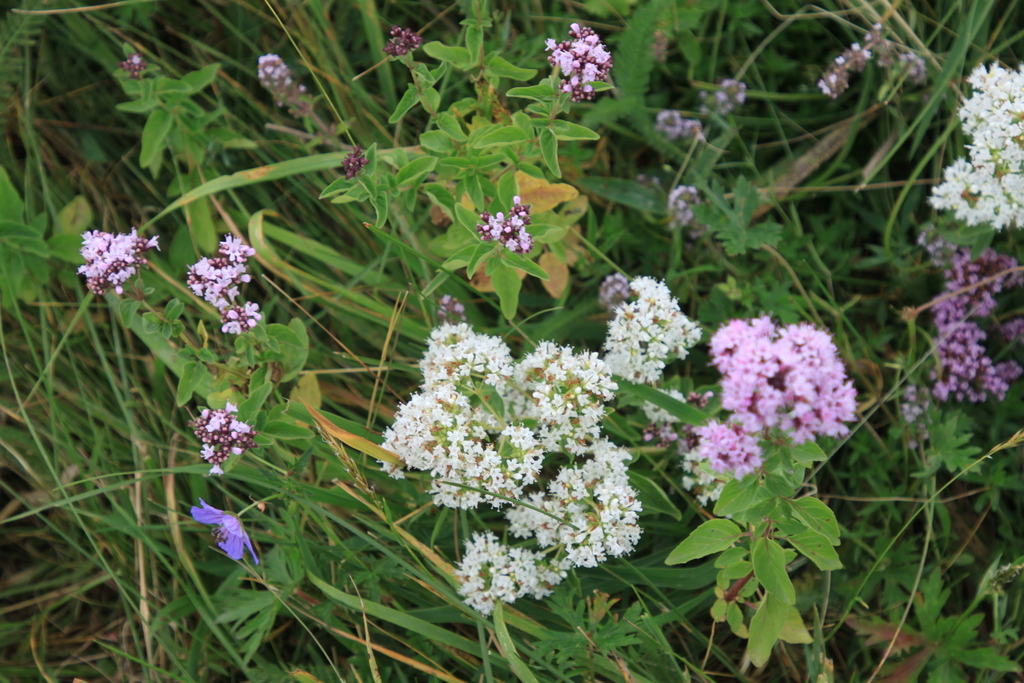
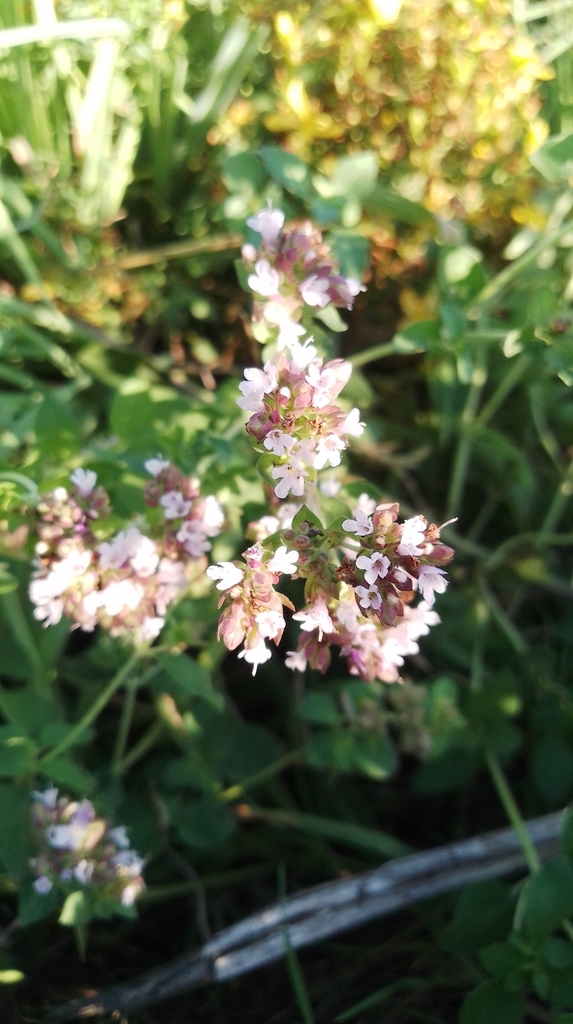
| Pollinator value | Pink flower clusters are exceptional bee and butterfly magnets in mid-late summer |
Common problems & troubleshooting#
| Symptom | Likely cause | Fix |
|---|---|---|
| Bland, weak-flavoured leaves | Too much water, fertilizer, or shade. Or a flavourless seed strain | Grow hard: full sun, no feed, minimal water. If flavour never improves, replace with Greek oregano (subsp. hirtum) bought as a named plant |
| Crown turns black and mushy in winter | Root/crown rot in wet, heavy soil | Prevention only: raise the bed, add grit, or move to a pot. Replant divisions from healthy edges |
| Clump spreading beyond its allotted space | Creeping stems and self-sown seedlings | Chop the edges back with a spade each spring; deadhead before seed drop; a pot contains it entirely |
| Fine webbing, bronzed leaves in hot dry spells | Spider mites | Hose foliage down; insecticidal soap if severe |
| Woody, sparse centre after a few years | Natural clump ageing | Lift and divide in spring, replanting the vigorous outer sections |
The pizza herb that hates being pampered
Sodate keeps you from overwatering the one plant on your balcony that genuinely prefers drought.
Seasonal care#
Varieties & cultivars#
| Variety | Distinguishing trait | Note |
|---|---|---|
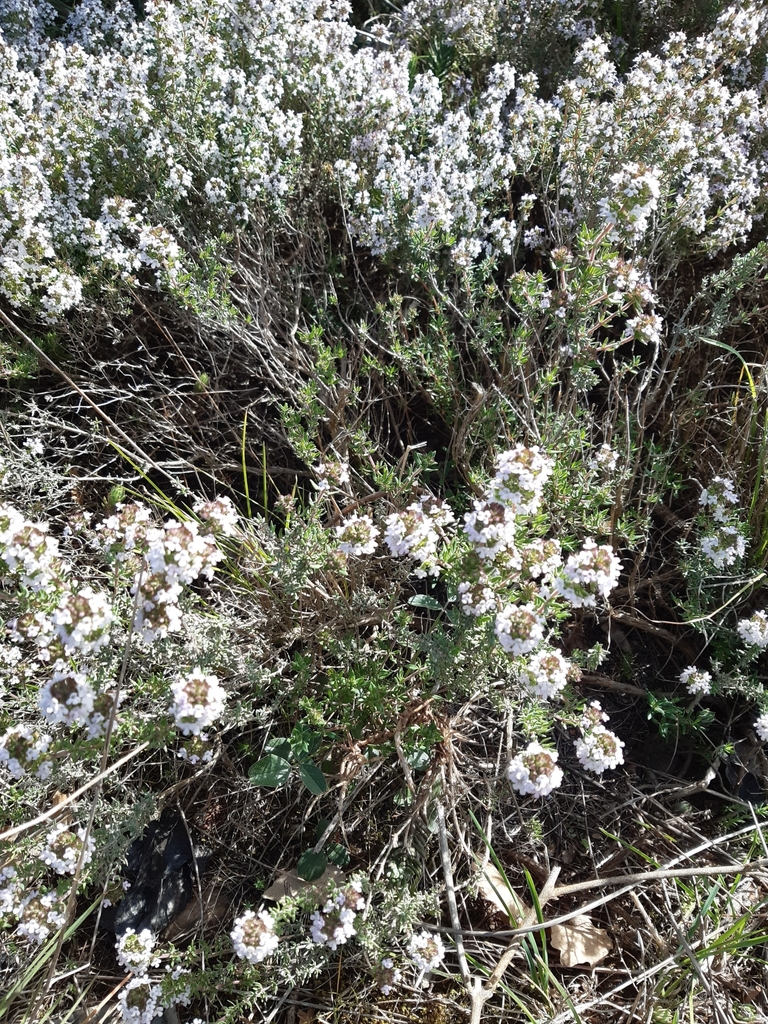
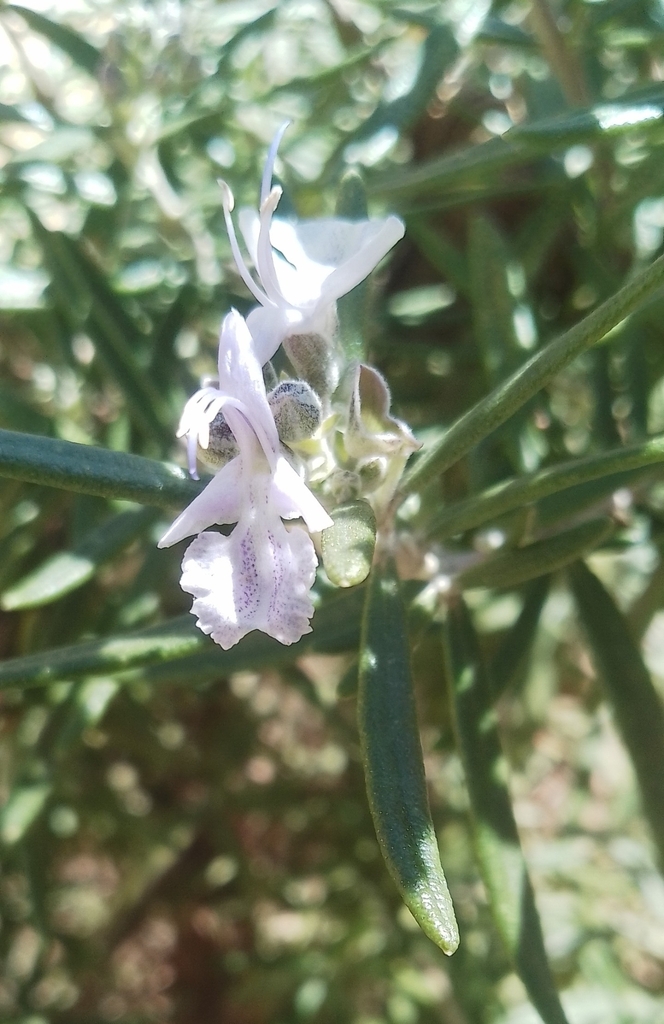
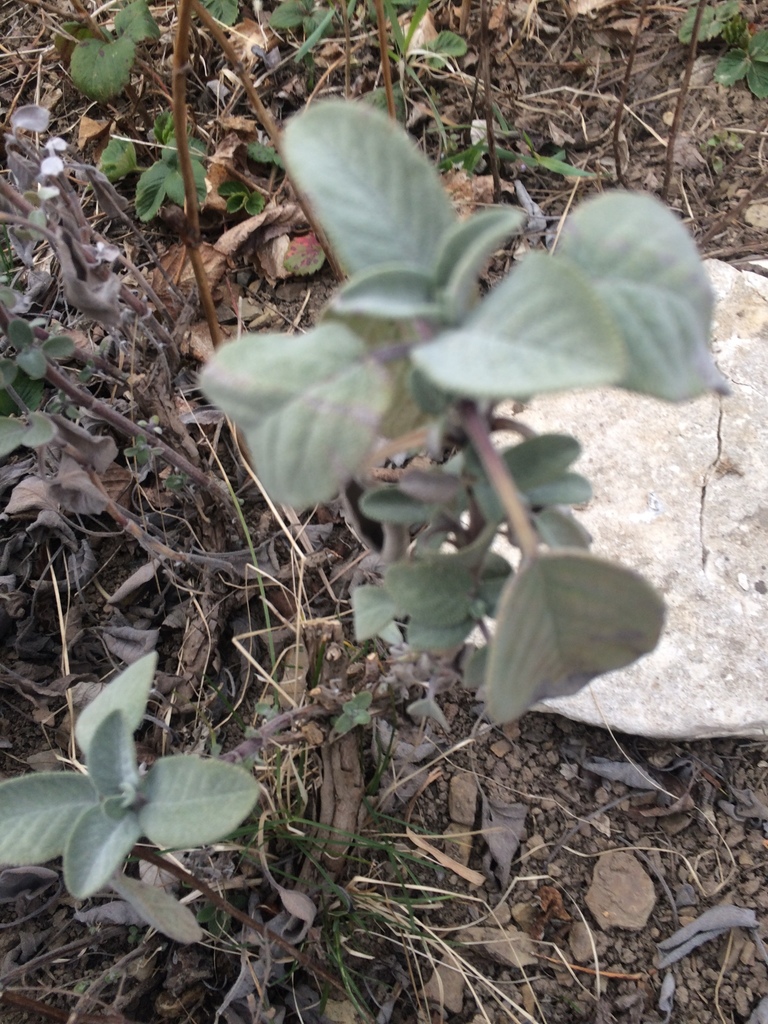
| Greek oregano (subsp. hirtum) | The pungent 'true' culinary oregano. White flowers, fuzzy grey-green leaves | Buy this one for cooking |
| Common/wild oregano | Pink flowers, often mild to nearly flavourless | Fine for pollinators, weak in the kitchen |
| Sweet marjoram (O. majorana) | Closely related, sweeter and gentler flavour, frost-tender | Treated as an annual in cold climates |
| 'Aureum' (golden oregano) | Gold foliage, mild flavour, scorches in fierce sun | Mostly ornamental edging |
Buying checklist#
- Rub and sniff a leaf. Buy with your nose; bland plants stay bland
- For cooking, insist on Greek oregano (Origanum vulgare subsp. hirtum) by name
- Compact growth, no blackened stems at the base
- Avoid pot-bound plants with circling roots
- One plant is enough. It widens into a clump within a season or two
Pricing by region#
| Region | Price range | Typical unit | Basis |
|---|---|---|---|
| US | $3 – $7 | 4in potted plant | Garden centre + grocery herb retail |
| UK | $2.50 – $7 | 9cm potted plant | Garden centre + supermarket |
| India | $0.70 – $2.50 | Potted plant | Urban + online nurseries (niche herb) |
| Australia | $3 – $6 | Potted herb | Nursery + hardware garden retail |
| Canada | $3 – $6 | Potted herb | Garden centre retail |
USD figures are approximate conversions for comparison; switch the dropdown to see each region's actual local-currency listing price.
Often confused with#
Name confusion warning#
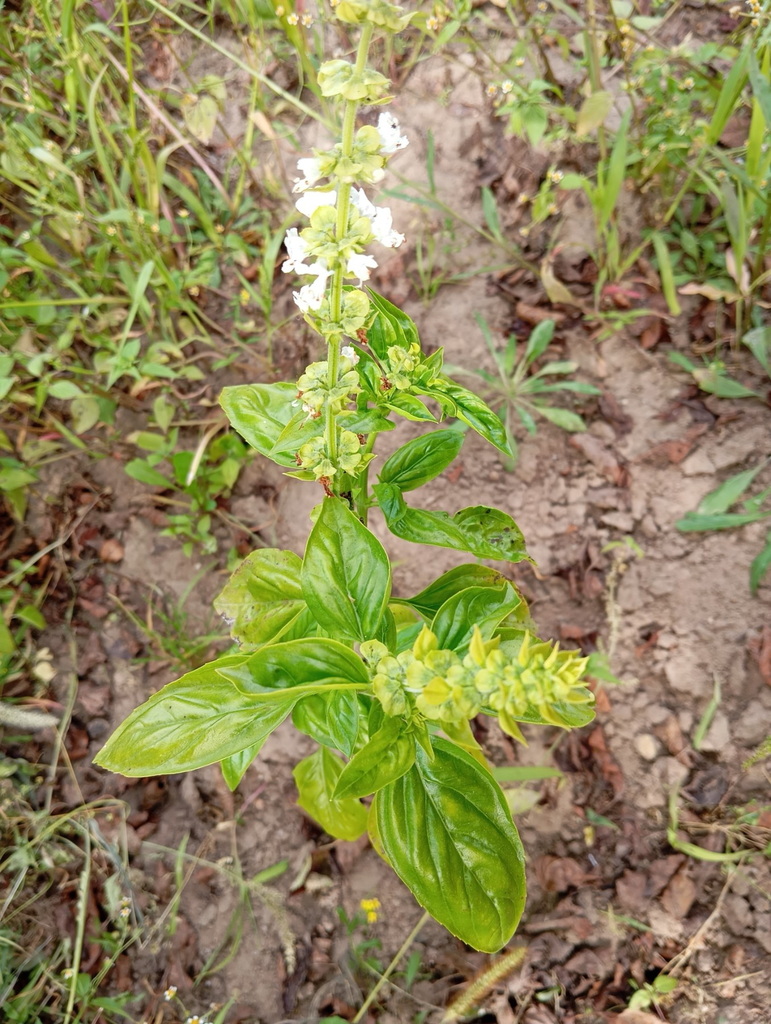
"Oregano" is a flavour more than one plant: Mexican oregano (Lippia graveolens) is an unrelated verbena-family shrub, and much "oregano" seed is bland wild marjoram. For Mediterranean cooking, buy Greek oregano (Origanum vulgare subsp. hirtum) as a named plant, not generic seed.
Where it's actually grown#
Live plants are propagated by division and cuttings in regional nurseries. Most of the world's dried oregano is field-grown in Turkey, Greece, and Mexico (the latter often the unrelated Lippia species), then exported globally as the dried herb.
Import & biosecurity restrictions#
| Region | Note |
|---|---|
| Australia | Live plant imports effectively prohibited for individuals under biosecurity law; seed needs an import permit. Domestic nursery supply is plentiful. |
| US | No restriction on domestic sale; live imports need USDA phytosanitary paperwork. |
| UK | Freely sold; commercial EU plant imports need phytosanitary certificates. |
| India | No domestic restriction; sold as a niche herb through urban and online nurseries. |
| Canada | Freely sold; CFIA rules apply to live-plant imports. |
Similar plants
Did you know?
Frequently asked questions
Why doesn't my oregano taste like anything?
Either it's a bland seed strain (much generic oregano is), or it's being grown too soft. Shade, rich soil, fertilizer, and frequent watering all dilute the flavour oils. Grow Greek oregano hard in full sun and lean soil.
How do I harvest oregano for the best flavour?
Cut-and-come-again through the season, snipping above a leaf pair. For drying, cut stems hard just before the flowers open, when the oil content peaks.
Is oregano safe for cats and dogs?
Oregano can cause mild stomach upset in cats and dogs if eaten in quantity, but it is not dangerously toxic the way onions, garlic, and chives are. Concentrated oregano essential oil, however, should be kept away from pets.
Does oregano come back every year?
Yes. It's a hardy perennial to roughly USDA zone 4. Top growth dies back in cold winters and the crown resprouts in spring.
Is dried oregano really better than fresh?
For many dishes, yes: drying concentrates carvacrol, so dried oregano tastes stronger and more classically 'pizza-like' than fresh leaves.