 Sodate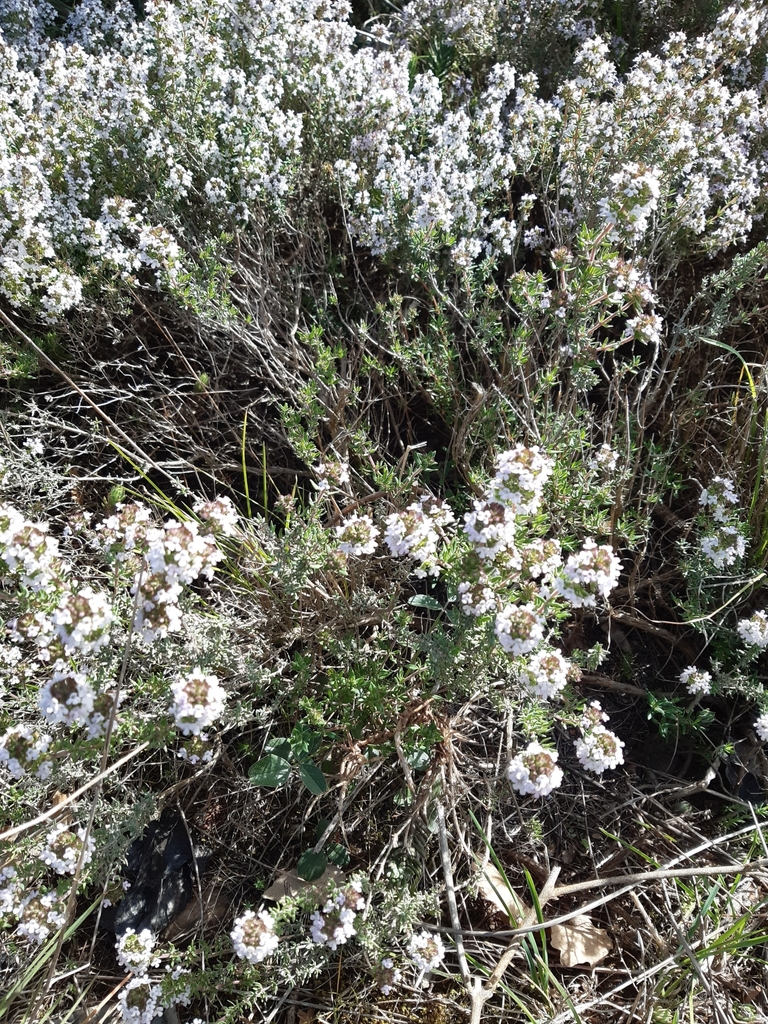
On this page
Thyme is a tough little Mediterranean perennial: full sun (6+ hours), lean gritty soil, sharp drainage, and very little water or fertilizer once established. It excels in containers, rockeries, and path edges. Harvest cut-and-come-again by snipping sprigs above the woody base. Regular trimming keeps it dense. From seed expect a first light harvest in about 90 days; nursery plants can be picked within weeks. Replace plants every 3-4 years as they turn woody.
Key facts
- Mediterranean native: lean, dry, sunny conditions produce the strongest flavour. Rich soil and fertilizer make it soft and bland.
- Hardy perennial (roughly USDA zones 5-9) that keeps some leaf through winter in mild climates.
- Pet-safe: culinary thyme is non-toxic to cats and dogs.
- Plants naturally get woody and sparse after 3-4 years. Plan to replace them from cuttings or layering.
Growing requirements#
| Plant type | Woody evergreen Mediterranean perennial sub-shrub, 15-30cm tall |
| Growing medium | Lean, gritty, sharply drained soil; add coarse sand or grit to heavy soil, or grow in a pot |
| Light needs | Full sun. 6+ hours; flavour and density collapse in shade |
| Water frequency | Sparingly; water young plants to establish, then only in prolonged drought. Do not overwater |
| Days to harvest | From seed: light picking at ~90 days, proper harvests in year two. From a nursery plant: within a few weeks |
| Sowing season | Northern hemisphere: sow indoors Mar-Apr, plant out after frost (May). Southern hemisphere: Sep-Nov. Mild climates can plant out in autumn too |
| Container suitability | Excellent: thrives in shallow terracotta pots and troughs where drainage is guaranteed |
| Temperature range | Hardy roughly USDA zones 5-9; tolerates frost well if roots are dry |
| Fertilizer | None to minimal. Over-fertilizing dilutes the essential oils and softens growth |
| Soil pH | 6.5-7.5; happy in slightly alkaline, chalky soil |
| Harvest technique | Cut-and-come-again: snip 5-8cm sprigs just above the woody base; trim regularly to keep the plant dense and delay woodiness |
| Culinary storage | Sprigs keep ~2 weeks in the fridge; thyme dries superbly and keeps its flavour. Hang bunches, strip, and jar |
Growth, harvest & propagation#
| Growth habit | Low spreading mound or small upright bush, woody at the base |
| Lifespan | Productive 3-4 years, then increasingly woody; replace from cuttings or layering |
| Edible parts | Leaves and flowering tops; flowers are edible and bee-magnets |
| Propagation methods | Semi-ripe cuttings in early summer; layering (pegging a stem to soil); division; seed (slow, tiny) |
| Pruning needs | Shear lightly after flowering; never cut into bare old wood, it won't reshoot |
| Companion value | Flowers attract bees and hoverflies; traditional edging companion for brassicas and roses |
Common problems & troubleshooting#
| Symptom | Likely cause | Fix |
|---|---|---|
| Plant blackens and collapses in a wet spell | Root rot in heavy or waterlogged soil | Prevention only. Replant survivor cuttings into gritty raised soil or a pot; nothing revives a rotted crown |
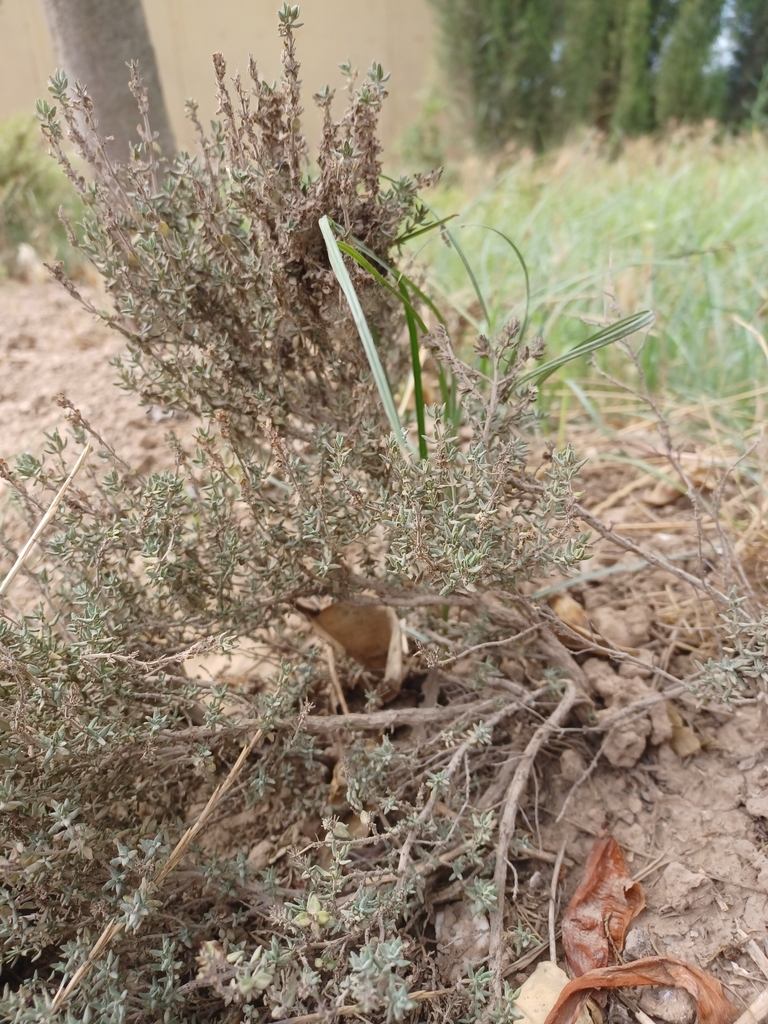
| Centre of the plant bare and woody, growth only at the edges | Natural ageing plus lack of trimming | Shear after flowering each year to delay it; when it happens, layer or take cuttings and replace the plant |
| Weak, sprawling, pale growth with little scent | Too much shade, water, or fertilizer | Move to full sun, stop feeding, cut watering right back, thyme wants hard living |
| Fine webbing and stippled leaves in hot, dry spells | Spider mites (mostly on sheltered or indoor plants) | Hose the plant down and improve airflow; insecticidal soap if severe |
The herb that thrives on being ignored
Sodate tells you the rare occasions your thyme actually needs water. And stops you the rest of the time.
Seasonal care#
Varieties & cultivars#
| Variety | Distinguishing trait | Note |
|---|---|---|
| Common thyme (T. vulgaris) | The standard culinary thyme, upright grey-green mound | All-purpose cooking |
| Lemon thyme (T. × citriodorus) | Distinct citrus scent, often gold-variegated | Fish, chicken, teas |
| Creeping thyme (T. serpyllum) | Flat groundcover, masses of flowers | Paths and rockeries more than the kitchen |
| 'Silver Posie' | White-edged variegated leaves, compact | Ornamental + culinary dual use |
Buying checklist#
- Dense, compact growth: avoid leggy, stretched plants
- Brush the foliage: strong aroma is the quality signal
- No blackened stems at the base (early root/stem rot)
- Named variety if you want lemon thyme. Scent varies hugely between species
- Small plants establish faster than large pot-bound ones
Pricing by region#
| Region | Price range | Typical unit | Basis |
|---|---|---|---|
| US | $3 – $7 | 4in potted plant | Garden centre + grocery herb retail |
| UK | $2.50 – $7 | 9cm potted plant | Garden centre + supermarket |
| India | $0.70 – $2.50 | Potted plant | Urban + online nurseries (niche herb) |
| Australia | $3 – $6 | Potted herb | Nursery + hardware garden retail |
| Canada | $3 – $6 | Potted herb | Garden centre retail |
USD figures are approximate conversions for comparison; switch the dropdown to see each region's actual local-currency listing price.
Often confused with#
Where it's actually grown#
Live thyme plants are grown from cuttings or seed in regional wholesale nurseries close to their market. Most of the world's dried culinary thyme is field-grown around the Mediterranean. Spain, Morocco, and Egypt are major exporters.
Import & biosecurity restrictions#
| Region | Note |
|---|---|
| Australia | Live plant imports effectively prohibited for individuals under biosecurity law; seed requires an import permit. Domestic supply is plentiful. |
| US | No restriction on domestic sale; live imports need USDA phytosanitary paperwork. |
| UK | Freely sold; commercial EU plant imports need phytosanitary certificates. |
| India | No domestic restriction; grown mainly in cooler regions and hill nurseries. |
| Canada | Freely sold; CFIA rules apply to live-plant imports. |
Similar plants
Did you know?
Frequently asked questions
Why does my thyme keep dying?
Almost always too much water or too-rich soil. Thyme evolved on dry Mediterranean hillsides; give it full sun, gritty fast-draining soil, no fertilizer, and water only in real drought.
How do I harvest thyme so it keeps producing?
Cut-and-come-again: snip sprigs just above the woody base and trim the plant regularly. Frequent light cutting keeps it dense; leaving it untouched makes it woody faster.
Is thyme safe for cats and dogs?
Yes. Culinary thyme is non-toxic to cats and dogs in normal quantities.
Does thyme survive winter?
Yes, it's hardy to roughly USDA zone 5 and stays semi-evergreen in mild climates. The real winter risk is wet roots, not cold, so keep drainage sharp and pots rain-sheltered.
Should I let thyme flower?
Yes. The flowers are edible, bees love them, and flavour loss is minimal. Shear the plant lightly after flowering to keep it compact.