 Sodate


On this page
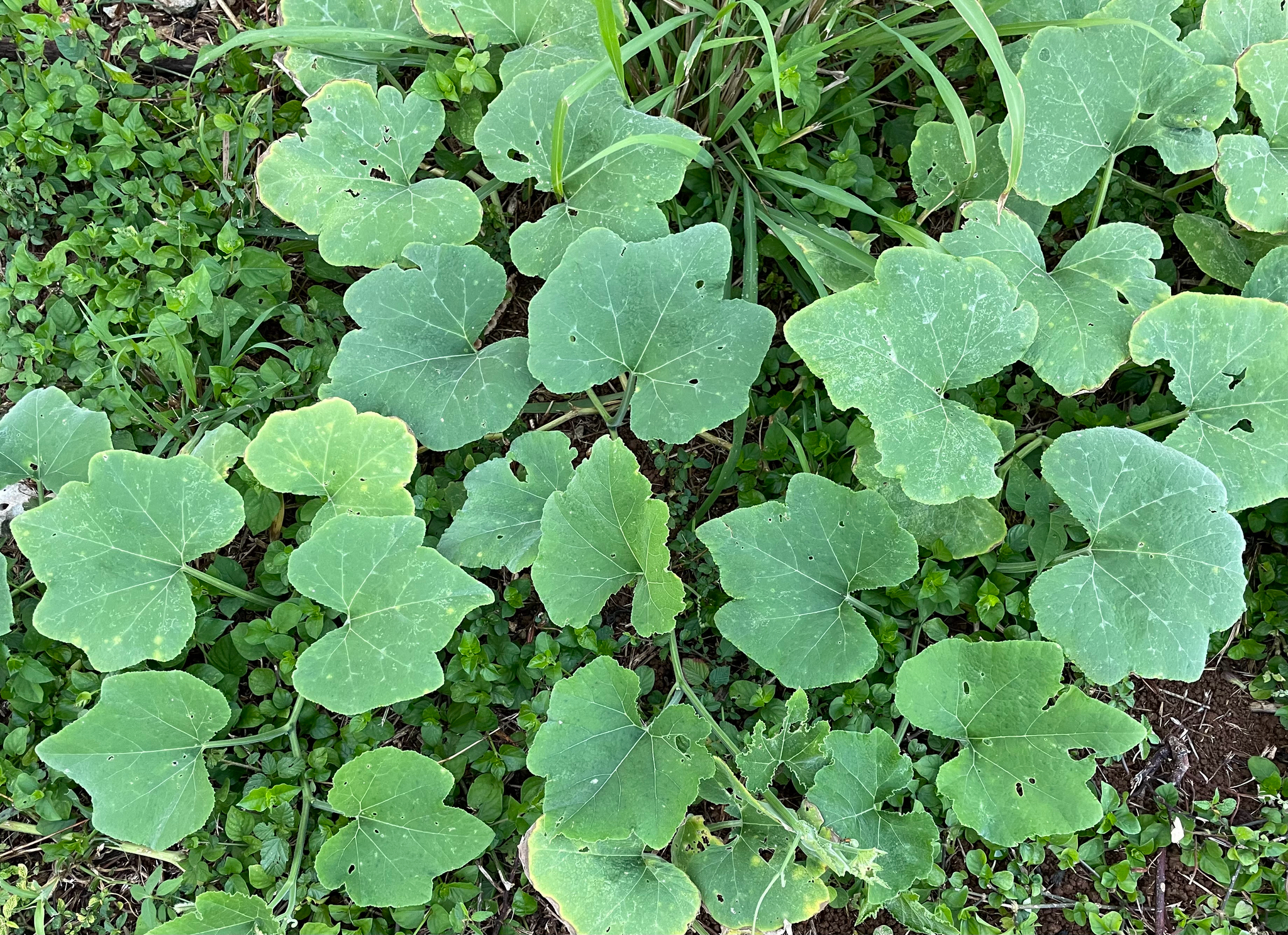
Zucchini is the fastest big producer in the vegetable garden: 45-60 days from seed to a harvest that can hit 3-5kg per plant per season. Two plants feed a family. Give it a full metre of space, full sun, and even water; harvest fruit at 15-20cm every 1-2 days before they turn into marrows. Blossom end rot and powdery mildew are the two classic problems.
Key facts
- Despite the Italian name, zucchini is a Cucurbita pepo squash domesticated in Mesoamerica thousands of years ago. The slender 'zucchini' form was bred in 19th-century Italy.
- One of the fastest-fruiting vegetables: 45-60 days from sowing, with fruit sizing from finger to full harvest length in 2-3 days at peak.
- Plants bear separate male and female flowers, and both are edible. Stuffed squash blossoms are a delicacy.
- A single healthy plant commonly out-produces a household, which is why gardeners joke about leaving zucchini on neighbours' porches.
Care requirements#
| Plant type | Outdoor warm-season annual (bush-habit summer squash) |
| Growing medium | Rich, compost-heavy, well-drained soil; possible in 40L+ containers with steady water |
| Light needs | Full sun. 6-8+ hours of direct light daily |
| Sowing season | Direct sow 1-2 weeks after last frost, once soil is above 16°C (60°F); a second sowing in midsummer beats late-season mildew |
| Water frequency | Deep watering 1-2 times a week at the base, about 2.5-4cm total; consistency prevents blossom end rot |
| Temperature range | Best at 18-32°C (65-90°F); frost-tender at both ends of the season |
| Spacing | 90-100cm between plants, the bushes get enormous |
| Fertilizer | Generous compost at planting, then a balanced feed monthly once fruiting |
| Soil pH | 6.0-7.0 |
| Support needs | None for bush types; a sturdy stake can lift the crown for airflow in humid climates |
| Companion plants | Beans, nasturtium, borage (bee magnet for pollination); avoid crowding with potatoes |
| Toxicity | Fruit and flowers edible; rare bitter fruit (cucurbitacin, usually from rogue cross-pollinated seed) should not be eaten |
Growth & propagation#
| Days to harvest | 45-60 days from direct sowing |
| Yield per plant | 3-5kg or more across the season with regular picking |
| Harvest size | 15-20cm and glossy. Beyond 25cm the fruit turns seedy, watery marrow |
| Edible parts | Fruit, flowers (stuffed or fried), and even young shoots in some cuisines |
| Propagation methods | Direct-sown seed; transplants possible if roots are undisturbed |
| Pruning needs | Cut the oldest lower leaves once fruiting starts to improve airflow and slow mildew |
Common problems & troubleshooting#
| Symptom | Likely cause | Fix |
|---|---|---|
| Fruit rots from the blossom end while small | Blossom end rot, calcium delivery failure from uneven watering (and sometimes plain poor pollination on the earliest fruit) | Water deeply on a consistent schedule and mulch; remove affected fruit, the next flush is usually fine |
| White powdery coating spreading over leaves from midsummer | Powdery mildew, the standard end-of-season fate of all squash | Space plants a full metre apart, cut crowded leaves, spray milk solution (1:9) weekly at first sign; a July sowing gives clean plants for autumn |
| Tiny fruit yellow, shrivel, and drop off | Unpollinated female flowers. Common early season or in bee-poor gardens | Hand-pollinate in the morning: pick a male flower, strip its petals, and dab pollen onto female flower centres |
| Plant wilts suddenly; stem base looks chewed with sawdust-like frass | Squash vine borer larvae inside the stem (mainly North America) | Slit the stem, remove the borer, and bury the wounded stem section to reroot; cover young plants with row cover until flowering next year |
| Harvested fruit tastes intensely bitter | Cucurbitacin poisoning risk. Rogue seed or stress-crossed genetics | Do not eat bitter zucchini (it can cause serious stomach upset); pull that plant and use fresh commercial seed next season |
Catch fruit before they become marrows
Sodate nudges you to check under the leaves every couple of days. Zucchini double in size faster than any other garden fruit.
Seasonal care#
Varieties & cultivars#
| Variety | Distinguishing trait | Note |
|---|---|---|
| 'Black Beauty' | Classic dark-green open-pollinated standard | Reliable heavy cropper |
| 'Golden' | Bright yellow fruit, easy to spot under leaves | Fewer overlooked marrows |
| 'Costata Romanesco' | Ribbed Italian heirloom with nutty flavour, best-tasting of all | Lower yield but worth it |
| 'Ronde de Nice' | Round French fruit ideal for stuffing | Pick at tennis-ball size |
Buying checklist#
- One or two plants is genuinely enough for most households
- Seedlings young with 2-3 true leaves, overgrown cucurbit transplants stall
- No powdery-white leaf patches at the nursery
- Check the label: bush habit for beds, compact varieties for large containers
- Buy fresh commercial seed rather than saving your own. Squash cross freely and crossed seed can produce bitter fruit
Pricing by region#
| Region | Price range | Typical unit | Basis |
|---|---|---|---|
| US | $2 – $5 | Seed packet or single seedling | Garden centre + seed catalogue retail |
| UK | $3 – $6 | Seed packet or plug plant (courgette) | Garden centre retail |
| India | $0.25 – $1.2 | Seed packet | Online seed retail (an exotic-veg crop in India) |
| Australia | $2 – $6 | Seed packet or seedling punnet | Nursery + garden centre |
| Canada | $2 – $5 | Seed packet or seedling | Garden centre retail |
USD figures are approximate conversions for comparison; switch the dropdown to see each region's actual local-currency listing price.
Often confused with#
Name confusion warning#
Zucchini vs courgette vs marrow. 'Zucchini' (US, Australia, Italy) and 'courgette' (UK, Ireland, France, India) are the same vegetable. A 'marrow' in UK usage is the same fruit left to grow large and mature. Seed catalogues in different countries use different names for identical varieties.
Where it's actually grown#
Zucchini seed is produced by major cucurbit breeders in the US, Italy, France, and China; garden-centre seedlings are raised by regional greenhouse growers close to the point of sale because squash transplants outgrow their pots within weeks.
Import & biosecurity restrictions#
| Region | Note |
|---|---|
| Australia | Cucurbit seed imports require permits and phytosanitary certification; live seedlings cannot be imported personally. |
| US | Domestic seed and seedling sale unrestricted. |
| UK | Courgette seed freely available; one of the easiest UK vegetable crops. |
| India | No restriction; zucchini is a growing 'exotic vegetable' crop around Indian cities, sown in the cool season in the plains. |
| Canada | Home-garden seed packets clear customs without issue. |
Similar plants
Did you know?
Frequently asked questions
Why do my baby zucchini rot at the end and fall off?
Either blossom end rot from uneven watering or, very commonly, failed pollination. Water on a consistent schedule and hand-pollinate female flowers with a male flower in the morning.
How big should I let zucchini get before picking?
15-20cm with glossy skin. Beyond about 25cm the fruit becomes a watery, seedy marrow and also signals the plant to slow production.
How many zucchini plants do I need?
One or two per household. A single healthy plant yields 3-5kg or more over a season with regular picking.
Are zucchini and courgette the same thing?
Yes. Zucchini is the American/Italian name and courgette the British/French name for the same summer squash, Cucurbita pepo.
Why is my zucchini bitter?
Rare but important: intensely bitter fruit contains high cucurbitacin, usually from crossed or rogue seed, and can cause real stomach upset. Don't eat it: pull the plant and use fresh commercial seed.