 Sodate
On this page
Pumpkins need full sun, extremely rich soil, and 2-3 square metres of sprawl per plant, which is the single thing most gardeners underestimate. Expect 90-120 days to harvest and 2-5 fruits per plant. Cut with a good length of stem attached, then cure in the sun for 10-14 days before storing, which is what turns a two-week fruit into a five-month one. Non-toxic to cats and dogs. Seed packets cost $2-5 in the US.
Key facts
- Needs 2-3 square metres of ground per plant; vines routinely run 3-5m and will smother neighbouring crops.
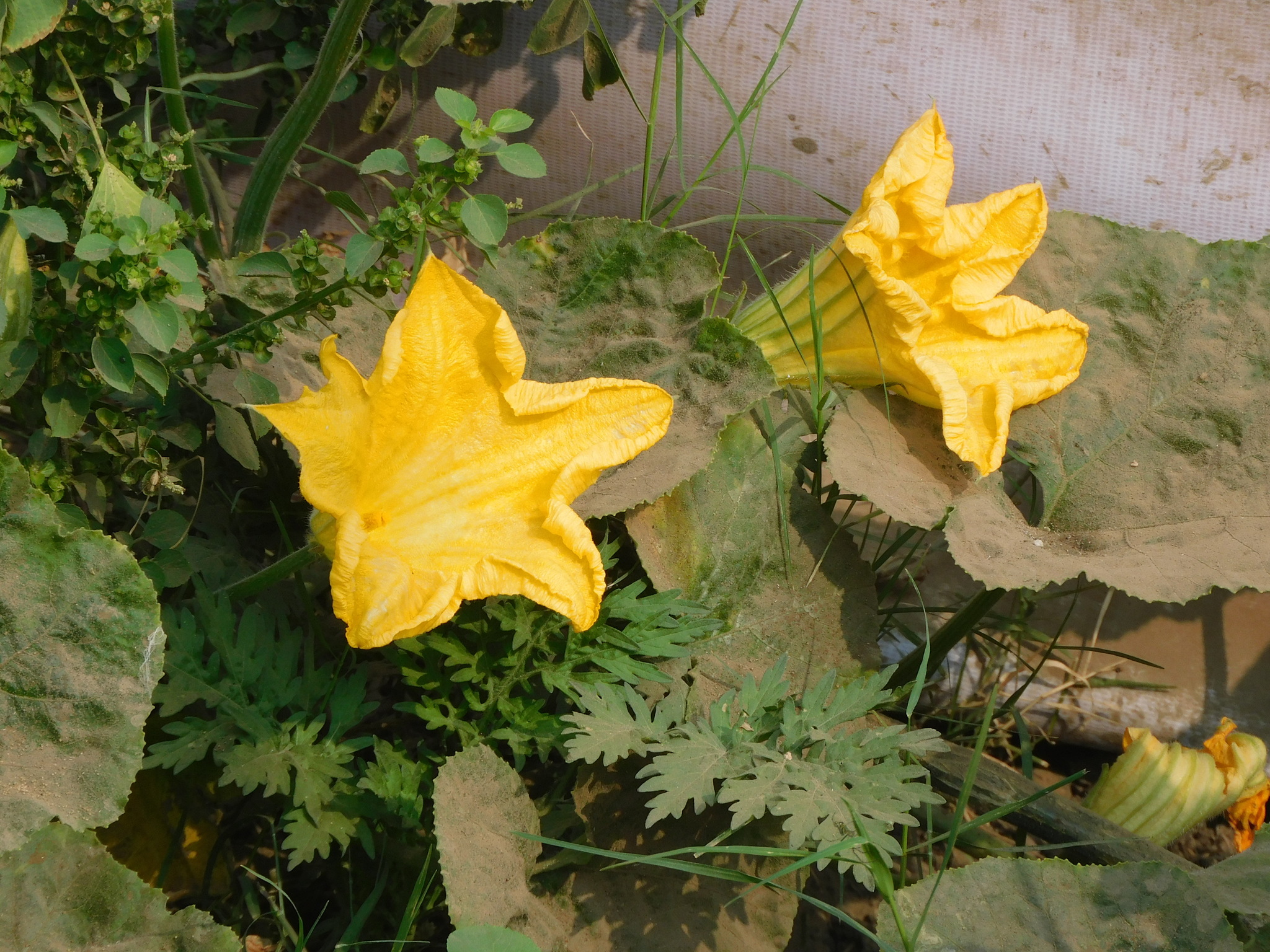
- Male flowers appear one to two weeks before female flowers, so early flower drop is completely normal and not a problem.
- Curing in sun for 10-14 days after cutting hardens the skin and is the difference between a few weeks and several months of storage.
- Every part is non-toxic to cats and dogs, and the seeds and flowers are edible alongside the flesh.
Growing requirements#
| Plant type | Outdoor warm-season annual vine; frost-tender |
| Growing medium | Deep, heavily composted soil; traditionally grown on a mound or old compost heap |
| Light needs | Full sun, 6-8+ hours daily |
| Water frequency | Deep soak 1-2 times a week at the base; keep water off the leaves to limit mildew |
| Spacing | 90-120cm between plants, 1.8-3m between rows; allow 2-3 m² of sprawl per plant |
| Sowing season (northern hemisphere) | Sow indoors April, or direct sow May to early June after last frost |
| Sowing season (southern hemisphere) | Sow October to December in Australia and New Zealand; earlier in subtropical Queensland |
| Temperature range | 18-30°C (65-86°F); growth stalls below 15°C |
| Fertilizer | Very heavy feeder. Rich compost at planting, balanced feed monthly, then higher potassium once fruit sets |
| Soil pH | 6.0-6.8 |
| Container suitability | Poor for full-size varieties. Bush or 'patio' types can work in a 60L+ container with daily watering |
| Hardiness | Annual everywhere; the first frost kills the vine |
| Toxicity | Non-toxic to cats and dogs; flesh, seeds and flowers are all edible |
Harvest, yield & propagation#
| Days to harvest | 90-120 days from sowing, depending on variety size |
| Yield per plant | 2-5 fruits for standard varieties; only 1-2 for giant types |
| Harvest signal | Skin is deep, uniform colour and hard enough to resist a thumbnail, and the stem has turned corky and dry |
| Harvest technique | Cut with secateurs leaving 8-10cm of stem. Never carry a pumpkin by its stem. If it snaps off, the fruit rots quickly |
| Curing & storage | Cure in sun at 25-30°C for 10-14 days, then store at 10-15°C in a dry spot. Well-cured winter types keep 3-6 months |
| Edible parts | Flesh, seeds, young shoots and the male flowers |
| Propagation methods | Seed, direct sown or started in pots 3-4 weeks before transplant; disturb roots as little as possible |
| Companion plants | Corn and climbing beans (the Three Sisters); nasturtium as a trap crop for aphids |
Common problems & troubleshooting#
| Symptom | Likely cause | Fix |
|---|---|---|
| Tiny fruits yellowing and shrivelling at the stem | Female flowers not pollinated, common in wet weather or where bees are scarce | Hand-pollinate at mid-morning: pick a male flower, strip the petals, and brush its pollen onto the female stigma |
| White powdery film spreading over leaves | Powdery mildew, triggered by warm days with cool humid nights | Improve spacing and airflow, water at the base only, remove worst leaves, and spray a milk or potassium bicarbonate solution early |
| Whole vine wilts suddenly with sawdust-like frass at the base | Squash vine borer larvae tunnelling inside the stem | Slit the stem lengthwise, remove the grub, then bury that stem section so it re-roots. Wrap stem bases with foil next season |
| Only male flowers for weeks | Normal timing. Males always open first | Wait. Female flowers with a tiny fruit behind them typically appear 1-2 weeks later |
| Fruit rotting where it touches soil | Prolonged ground contact in damp conditions | Slide a tile, board or straw pad under each developing fruit |
| Leaves speckled and bronzed, fine webbing underneath | Spider mites in hot, dry conditions | Hose down the undersides of the leaves, raise humidity around the plant, and apply insecticidal soap if it persists |
Catch powdery mildew before it takes the vine
Sodate watches your local humidity and night temperatures to flag the exact conditions that trigger powdery mildew on cucurbits, days before you would spot it.
Seasonal care#
Varieties & cultivars#
| Variety | Distinguishing trait | Note |
|---|---|---|
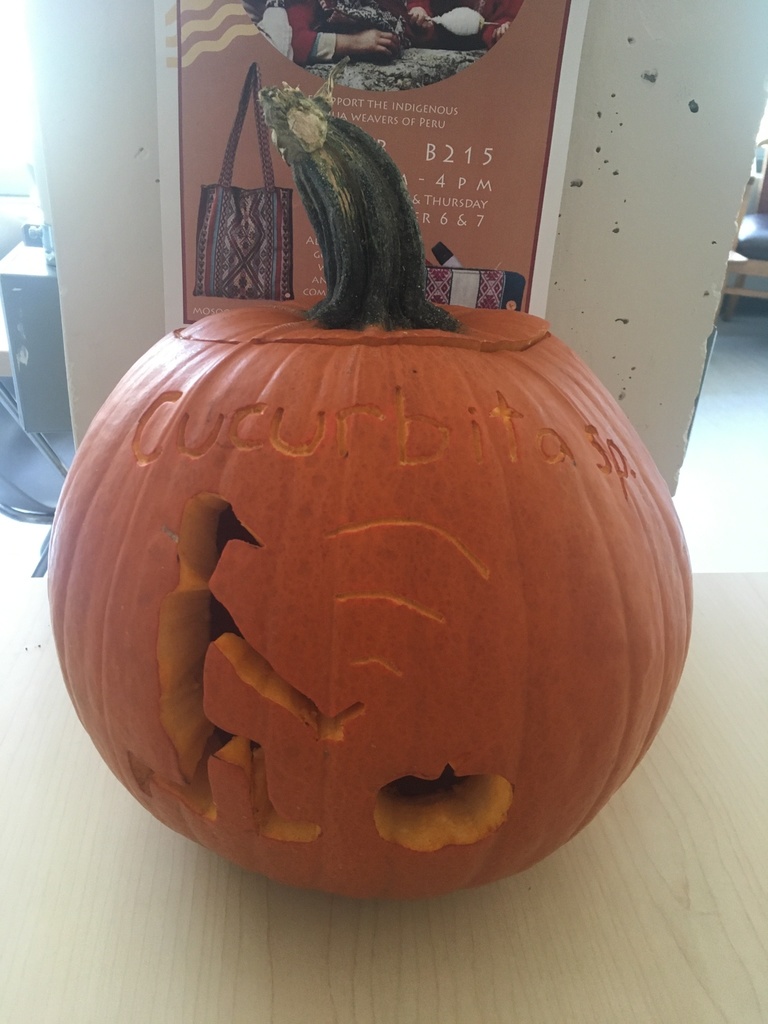
| 'Jack O'Lantern' | Classic carving pumpkin, 4-8kg, thin walls | Better for carving than eating |
| 'Sugar Pie' / 'Small Sugar' | 2-3kg, dense sweet flesh | The one to grow for cooking |
| 'Queensland Blue' | Blue-grey ribbed skin, excellent keeper | Australian heirloom, C. maxima |
| 'Atlantic Giant' | Competition variety, can exceed 200kg | One fruit per plant, enormous feeding needs |
| 'Crown Prince' | Steel-blue skin, deep orange flesh, stores 6+ months | Popular UK variety |
Buying checklist#
- Confirm the variety's mature fruit size matches the space you actually have
- Check days to maturity against your frost-free window. 120-day types fail in short seasons
- Choose a bush or semi-bush type if your plot is under 4 square metres
- Pick a carving type or an eating type deliberately; they are rarely both
- If buying seedlings, choose small young plants. Large pot-bound cucurbits transplant badly
Pricing by region#
| Region | Price range | Typical unit | Basis |
|---|---|---|---|
| US | $2 – $5 | Seed packet (~15-25 seeds) | Seed catalogue + garden centre |
| UK | $2 – $5 | Seed packet (~10-15 seeds) | Garden centre retail |
| India | $0.3 – $1.0 | Seed packet (~20 seeds) | Agri supply + local nursery |
| Australia | $3 – $6 | Seed packet (~15 seeds) | Nursery + seed retail |
| Canada | $2 – $5 | Seed packet (~20 seeds) | Garden centre retail |
USD figures are approximate conversions for comparison; switch the dropdown to see each region's actual local-currency listing price.
Often confused with#
Name confusion warning#
"Pumpkin" is a culinary word, not a botanical one. In the US it usually means a round orange Cucurbita pepo for carving. In Australia and New Zealand it covers most winter squash including Queensland Blue and butternut. In the UK "pumpkin" and "squash" are sold as separate things despite often being the same species. Check the botanical name and the pictured fruit rather than the word on the packet.
Where it's actually grown#
Pumpkin seed for home gardens is produced mostly in the US, Chile, India and China, where dry harvest conditions allow clean seed extraction. Because cucurbits cross-pollinate readily between varieties, commercial seed fields keep large isolation distances, which is why seed saved from your own garden pumpkin so often produces an unpredictable hybrid the following year.
Import & biosecurity restrictions#
| Region | Note |
|---|---|
| Australia | Cucurbit seed imports require an import permit and phytosanitary certificate; domestic packets are freely sold. |
| US | Domestic sale unrestricted; imported seed may need a USDA small-lots-of-seed permit. |
| UK | Home-garden seed packets sold freely; commercial imports need phytosanitary paperwork. |
| India | Widely grown domestically; imported hybrid seed requires customs clearance. |
| Canada | CFIA seed rules apply to commercial lots; home-garden packets normally clear without issue. |
Similar plants
Ranked in these guides
Did you know?
Frequently asked questions
How much space does one pumpkin plant need?
Plan on 2-3 square metres per plant. Vines commonly run 3-5 metres, and crowding is the most common reason home pumpkins stay small and mildew badly.
Why are my pumpkin flowers falling off without fruit?
Male flowers open one to two weeks before female flowers and always drop, which is normal. If female flowers with a small fruit behind them are shrivelling, that is failed pollination, so hand-pollinate mid-morning with a picked male flower.
When do I harvest a pumpkin?
When the skin has reached full colour and resists a thumbnail, and the stem has gone corky. Cut with 8-10cm of stem attached, and never lift the fruit by that stem.
Do I really need to cure pumpkins?
Yes if you want them to keep. Ten to fourteen days in warm sun hardens the skin and seals the cut stem, taking storage life from a few weeks to three to six months.
Are pumpkin plants toxic to pets?
No. The vine, leaves, flesh and seeds are all non-toxic to cats and dogs, and plain cooked pumpkin is commonly fed to dogs in small amounts.