 Sodate
On this page
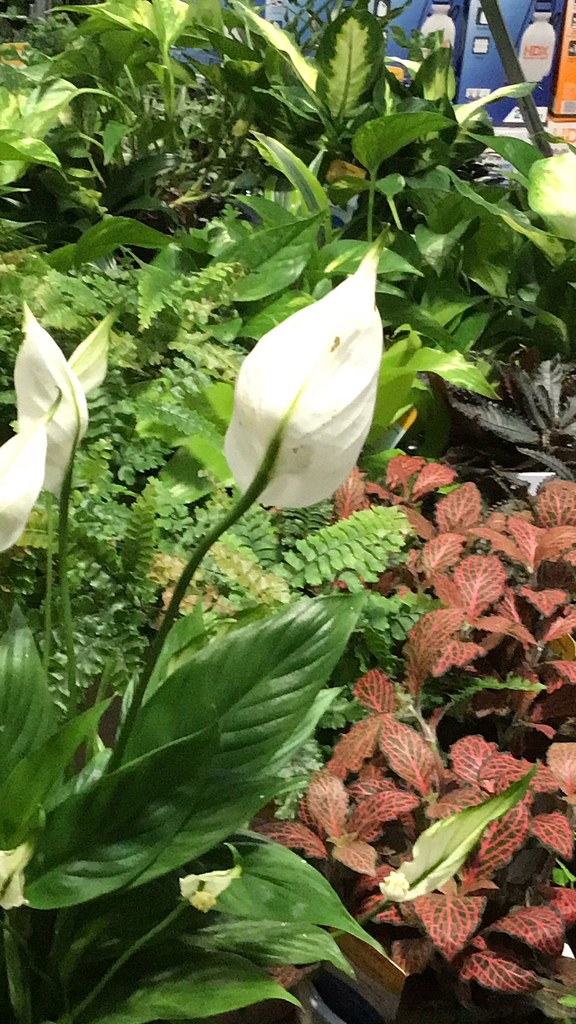
A peace lily can live for years with its roots in water: rinse all soil off, suspend the crown above the waterline, change the water every 1-2 weeks, and feed very dilute fertilizer monthly. Expect slower growth, smaller leaves, and far fewer blooms than a potted plant. Water culture trades vigour for a clean, soil-free display. Keep the crown dry; a submerged crown rots.
Key facts
- The crown (where leaves meet roots) must sit above the waterline, only roots submerged. A drowned crown is the #1 killer of vase peace lilies.
- Peace lilies in plain water bloom rarely; dilute monthly feeding helps, but a potted plant will always flower more.
- Soil-to-water transition means the old soil roots partially die and are replaced by water roots over several weeks, trim the casualties.
- Peace lily is chlorine- and fluoride-sensitive; use filtered or rested water. For soil care see /plants/indoor/peace-lily.
Care requirements#
| Growing method | Permanent water culture. Bare-rooted plant suspended in a vessel, roots in water, crown above it |
| Vessel choice | Wide-necked vase or jar that supports the root ball at the rim; opaque or dark glass limits algae; a plastic collar or pebbles can hold the crown up |
| Water change cadence | Full change every 1-2 weeks; rinse roots and glass each time |
| Nutrients in water | Very dilute (1/4-strength or less) balanced liquid fertilizer monthly in spring-summer; overdosing burns water roots fast |
| Algae control | Opaque vessel or scrub clear glass at each change; keep out of direct sun |
| Root transition | Rinse all soil off; expect old soil roots to yellow and die back over 4-8 weeks while white water roots regrow, trim as needed |
| Water quality | Sensitive to chlorine and fluoride; use filtered, distilled, or 24-hour-rested tap water |
| Light needs | Medium to bright indirect light; too dark and the already-reluctant blooming stops entirely |
| Temperature | 18-27°C (65-80°F); keep the vessel off cold sills, chilled water shocks roots |
| Water level | Roots submerged, crown and leaf bases fully above water at all times |
| Toxicity | Toxic to cats and dogs (calcium oxalates). It is not a true lily, but still not pet-safe |
Growth & propagation#
| Growth rate in water | Slow. Smaller leaves and fewer of them than a potted plant |
| Mature size in water | Typically 25-40cm, well under potted size |
| Blooming | Occasional at best; dilute feeding and bright indirect light improve the odds |
| Propagation | Divide the crown into clumps; each division can go straight into its own vessel |
| Refresh cycle | Trim and re-set the plant yearly; replace water-tired plants with fresh divisions |
| Root appearance | New water roots are white and brittle; old soil roots turn tan and shed |
Common problems & troubleshooting#
| Symptom | Likely cause | Fix |
|---|---|---|
| Crown turns brown and mushy | Crown sitting in or under the waterline | Raise the plant so only roots are submerged; cut away rotted tissue. Advanced crown rot is usually fatal |
| Brown leaf tips | Chlorine/fluoride in tap water, or fertilizer too strong | Switch to filtered or rested water and halve the feed concentration |
| Whole plant wilts despite roots in water | Root die-back during soil-to-water transition, or stale deoxygenated water | Trim dead roots, change water fully, and shorten the change interval to weekly |
| No flowers, ever | Normal for water culture. Energy is limited in dilute solution | Feed monthly at 1/4 strength, give brighter indirect light, and accept blooms are a bonus not a promise |
| Green water and slimy glass | Algae fed by light plus nutrients | Opaque vessel or scrub each change; keep out of sun; dose fertilizer only right after a change |
Water changes without the guesswork
Sodate tracks each vessel's cadence and nudges you before the water turns.
Seasonal care#
Varieties & cultivars#
| Variety | Distinguishing trait | Note |
|---|---|---|
| Spathiphyllum 'Petite' | Compact 25-30cm habit | Best fit for desktop vessels |
| Spathiphyllum 'Domino' | White-speckled variegation | Slower again in water; needs bright light |
| Spathiphyllum 'Sensation' | Giant leaves to 50cm+ | Too big for most vases, avoid for water culture |
Buying checklist#
- Pick a small, multi-crowned plant you can divide. One division for water, one kept in soil as backup
- Check the crown is firm with no dark, soft patches before converting
- Choose a vessel whose neck supports the root ball with the crown clear of the water
- Have filtered or distilled water ready; tap water causes most early problems
Pricing by region#
| Region | Price range | Typical unit | Basis |
|---|---|---|---|
| US | $6 – $25 | small plant + vessel + nutrient | 4in peace lily retail + jar + liquid feed |
| UK | $5 – $20 | small plant + vessel + nutrient | Supermarket/garden centre plant + vase |
| India | $1 – $5 | small plant + bottle + feed | Nursery peace lilies are inexpensive |
| Australia | $7 – $26 | small plant + vessel + nutrient | Nursery + homewares retail |
| Canada | $6 – $25 | small plant + vessel + nutrient | Garden centre + jar + feed |
USD figures are approximate conversions for comparison; switch the dropdown to see each region's actual local-currency listing price.
Often confused with#
Name confusion warning#
Method page, and a naming trap. This is an ordinary peace lily kept in water. For potted care see our main peace lily page. Note the peace lily is not a true lily: true lilies (Lilium) are lethally toxic to cats, while peace lily is unpleasant-but-rarely-fatal. It is still toxic to pets either way.
Where it's actually grown#
The trade sells potted peace lilies grown in Florida, the Netherlands, and Asian nurseries; water culture is a home conversion. The 'peace lily in a betta bowl' fad of the 1990s-2000s sold pre-converted plants. A setup that starves both fish and plant and is no longer recommended.
Import & biosecurity restrictions#
| Region | Note |
|---|---|
| Australia | Live plant imports restricted under biosecurity law; peace lilies are cheap and everywhere domestically. |
| US | No restriction; convert any retail plant. |
| UK | No restriction. |
| India | No restriction; a common gift plant. |
| Canada | No domestic restriction; CFIA permits for commercial imports only. |
Similar plants
Did you know?
Frequently asked questions
Can a peace lily live in water permanently?
Yes, for years. Keep only the roots submerged, change the water every 1-2 weeks, and feed very dilute fertilizer monthly. Expect slower growth and rare blooms.
Why won't my water-grown peace lily flower?
Water culture gives the plant less energy than soil, so blooming is rare. Brighter indirect light and monthly 1/4-strength feeding improve the odds but don't guarantee it.
How do I convert a potted peace lily to water?
Rinse all soil off the roots, suspend the plant so the crown sits above the waterline, and trim old roots as they die back over the first 4-8 weeks.
What water should I use?
Filtered, distilled, or tap water rested for 24 hours. Peace lilies are sensitive to chlorine and fluoride, which cause brown tips.
Is a peace lily in water safe for cats?
No. It contains calcium oxalate crystals and is toxic to cats and dogs regardless of how it's grown, though it's not a true lily and rarely causes fatal poisoning.