 Sodate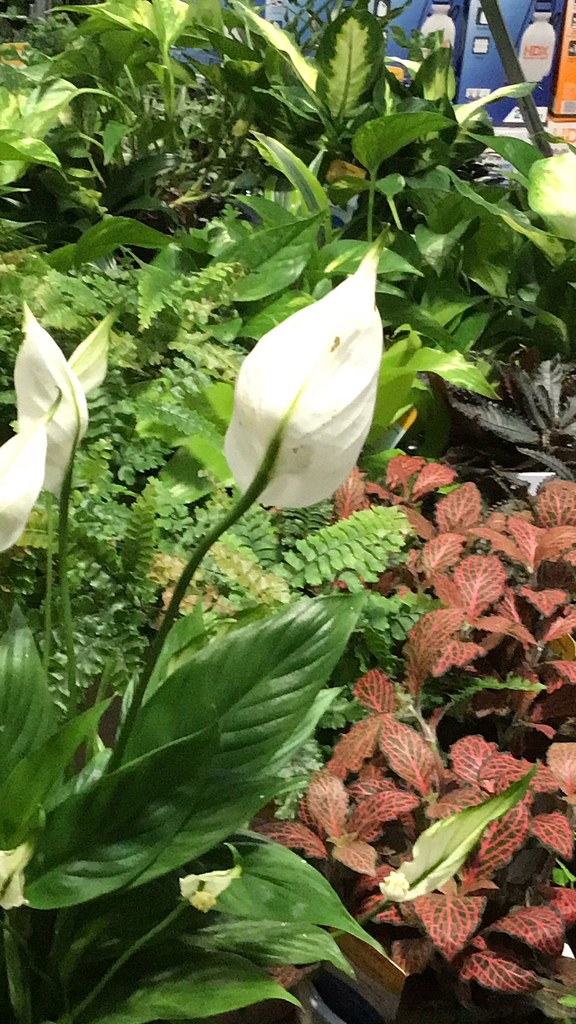
On this page
Peace lily thrives in low light where most flowering plants fail, and communicates clearly: it droops dramatically when thirsty and perks up within hours of watering. Keep soil lightly moist, expect white spathes in spring-summer, and note the white 'flower' is really a modified leaf. Toxic to cats and dogs, and typically costs $12-$35.
Key facts
- Native to shaded rainforest floors of Central America. The basis of its unusual low-light flowering ability.
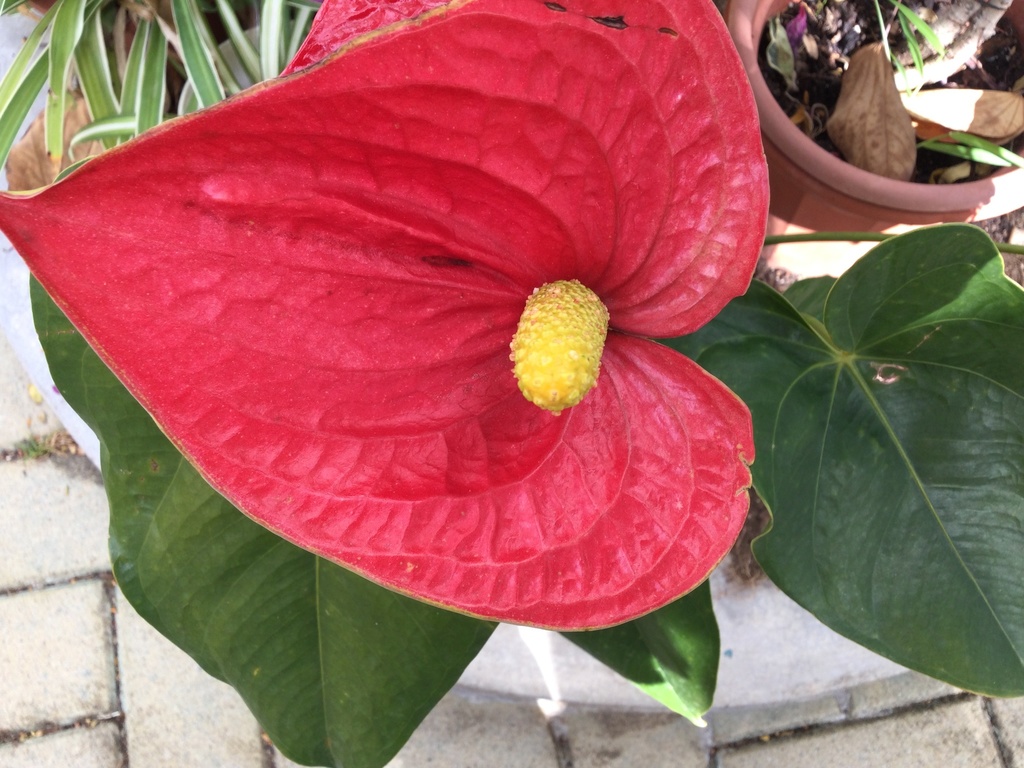
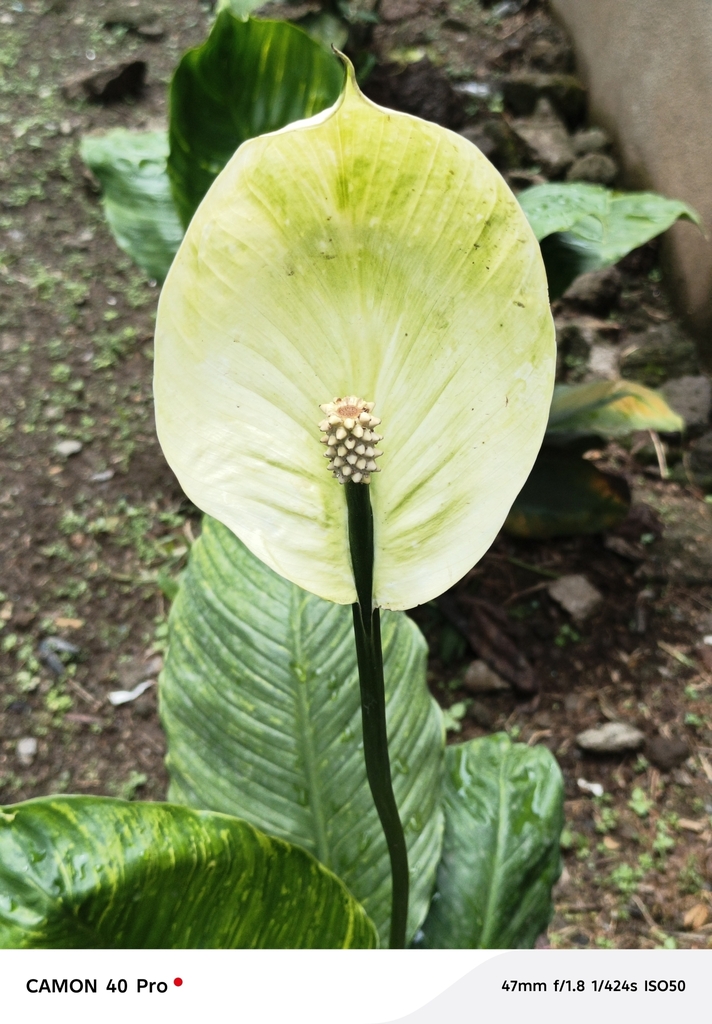
- The white 'flower' is a spathe (modified leaf bract) surrounding the true flower spike (spadix).
- Droops visibly and quickly when thirsty, then recovers within hours of watering. The clearest watering signal of any common houseplant.
- Toxic to cats and dogs (calcium oxalates). A frequent surprise given how often it's given as a gift.
Care requirements#
| Plant type | Indoor |
| Growing medium | Rich, well-draining potting mix |
| Light needs | Low to medium indirect light; more light means more flowers, but no direct sun |
| Water frequency | Every 5-7 days; keep soil lightly moist. It wilts fast when dry but recovers |
| Humidity | 40-60% preferred; tolerates average homes |
| Temperature range | 18-27°C (65-80°F); avoid below 13°C (55°F) |
| Fertilizer | Balanced liquid feed, half strength, monthly in spring-summer |
| Soil pH | 5.8-6.5 (slightly acidic) |
| Drainage needs | Moderate-high; likes moisture but not standing water |
| Pot recommendation | Any pot with drainage; slightly snug pots encourage blooming |
| Hardiness zone (outdoor) | USDA 11-12 (essentially indoor-only) |
| Toxicity | Toxic to cats and dogs if chewed |
Growth & propagation#
| Mature size | 30-90cm depending on variety |
| Growth rate | Moderate |
| Propagation methods | Division of crowns at repotting |
| Propagation difficulty | Easy: separate crowns with roots attached |
| Repotting schedule | Every 1-2 years in spring |
| Pruning needs | Cut spent flower stalks at the base; remove yellowed leaves |
Common problems & troubleshooting#
| Symptom | Likely cause | Fix |
|---|---|---|
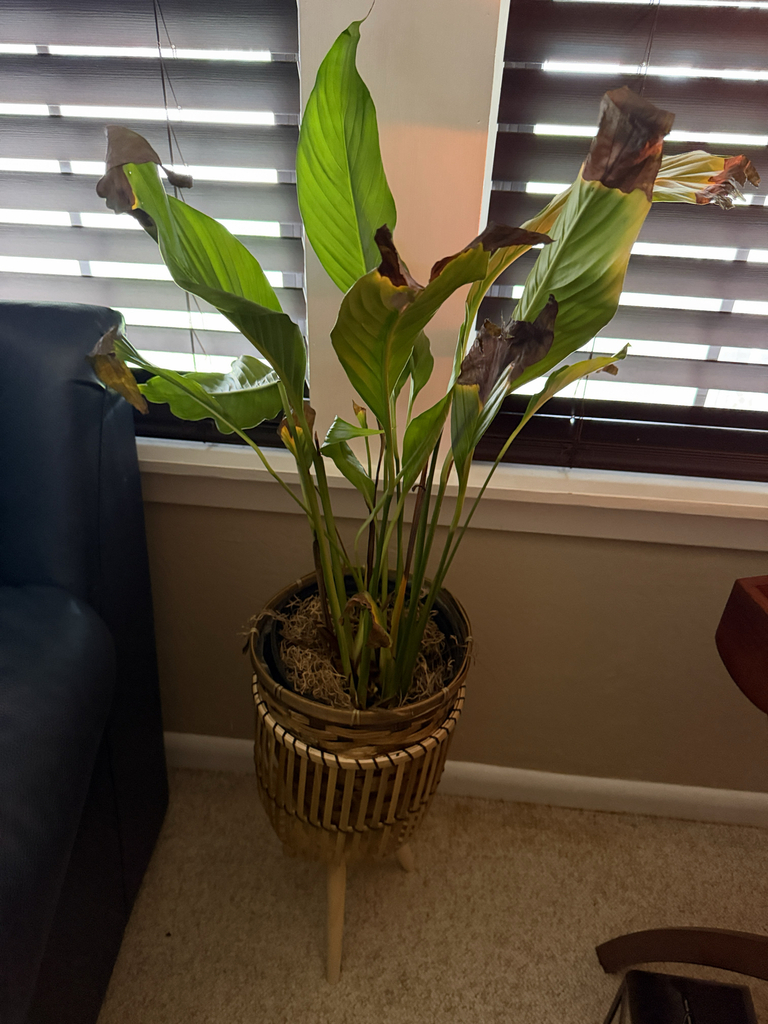
| Whole plant drooping | Thirst. Its trademark signal | Water thoroughly; recovery within hours. Repeated severe wilts damage roots over time, so don't rely on it as a schedule |
| No flowers | Light too low (it survives dim spots but blooms less) | Move to brighter indirect light; commercial growers also use gibberellic acid, so a store plant's heavy first flush may not repeat exactly |
| Brown leaf tips | Tap water minerals, dry air, or fertilizer buildup | Use filtered water, raise humidity, flush the soil occasionally |
| Green flowers | Normal aging of spathes, or excess fertilizer | Spathes naturally turn green then brown with age. Cut at the base; ease off feeding |
| Yellowing leaves | Overwatering | Let the top few centimeters dry before rewatering; check drainage |
Water before the dramatic droop
Sodate learns how fast your peace lily's soil dries and reminds you just before the wilt, not after.
Seasonal care#
Varieties & cultivars#
| Variety | Distinguishing trait | Note |
|---|---|---|
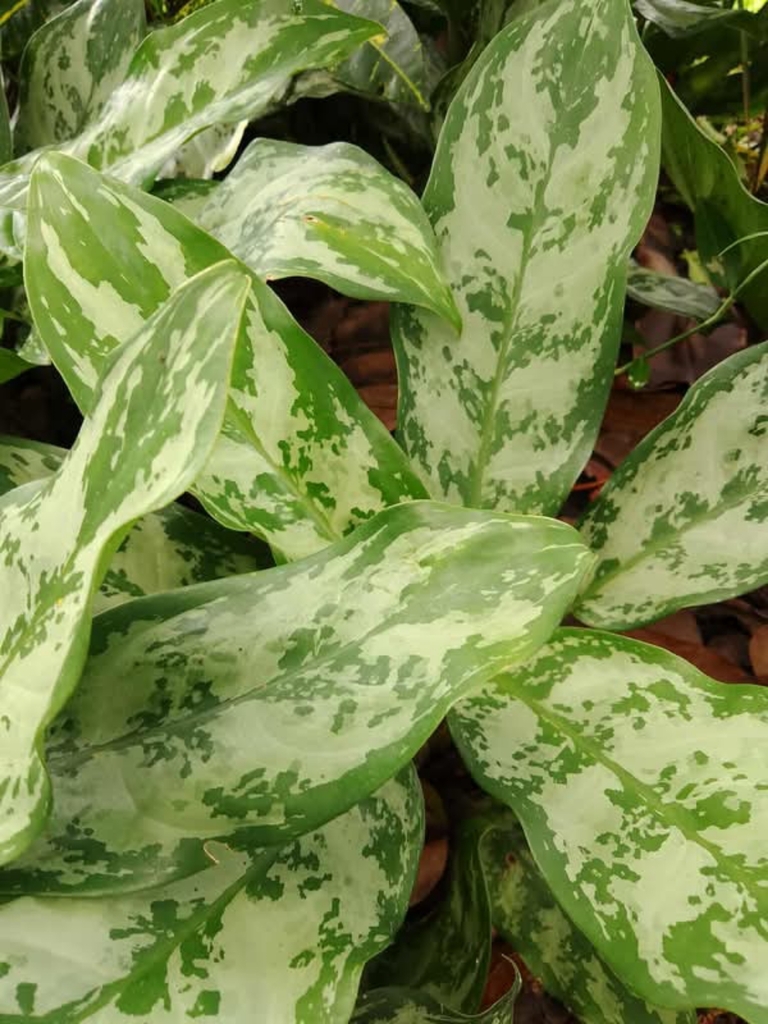
| 'Domino' | White-speckled variegated leaves | Foliage-interest cultivar |
| 'Sensation' | Giant form up to 1.5m with ribbed leaves | The largest peace lily variety |
| 'Petite' | Compact under 30cm | Desk-sized |
| Standard wallisii | Classic mid-sized form | The common gift plant |
Buying checklist#
- Leaves are deep green and upright, not drooping at purchase (or recovering from an obvious wilt cycle)
- Several unopened flower buds low in the crown mean weeks of coming blooms
- No brown crisping on multiple leaf tips (chronic care issues)
- Remember it's toxic to pets before buying as a gift for a pet household
Pricing by region#
| Region | Price range | Typical unit | Basis |
|---|---|---|---|
| US | $12 – $35 | 6-10in pot | Big-box + nursery retail |
| UK | $10 – $28 | 13-21cm pot | Garden centre retail |
| India | $2 – $6 | 6-10in pot | Urban nursery retail |
| Australia | $11 – $33 | 150-250mm pot | Nursery + garden centre |
| Canada | $12 – $33 | 6-10in pot | Garden centre retail |
USD figures are approximate conversions for comparison; switch the dropdown to see each region's actual local-currency listing price.
Often confused with#
Name confusion warning#
Not a true lily. Peace lily is an aroid, unrelated to true lilies (Lilium). Which matters medically: true lilies are lethally toxic to cats even in tiny amounts, while peace lily causes painful oral irritation but is rarely life-threatening. Either way, keep it from pets, but don't panic-treat a peace lily bite as a true-lily poisoning.
Where it's actually grown#
Peace lilies are among the highest-volume houseplants in the trade, mass-produced by tissue culture in Florida, the Netherlands, and Southeast Asia; commercial growers commonly treat them with gibberellic acid to force the dense flowering that makes retail plants so showy.
Import & biosecurity restrictions#
| Region | Note |
|---|---|
| Australia | Live plant imports restricted under biosecurity law; abundant domestic supply. |
| US | Domestic sale unrestricted. |
| UK | No specific restriction; grown as a houseplant. |
| India | No restriction; extremely common in domestic nurseries. |
| Canada | CFIA permits required for commercial imports. |
Similar plants
Ranked in these guides
Did you know?
Frequently asked questions
Why is my peace lily drooping?
Almost always thirst. Water it thoroughly and it typically recovers within hours. Repeated severe wilting does stress the roots, so aim to water just before the droop.
Is peace lily safe for cats?
No. It causes painful oral irritation if chewed. It is, however, far less dangerous than true lilies, which are lethal to cats; peace lily is an unrelated aroid.
How much does a peace lily cost?
A standard 6-10 inch pot runs $12-$35 in the US.
Why won't my peace lily flower?
Usually insufficient light. It survives dim corners but needs medium-bright indirect light to bloom well. Store plants are also hormone-treated to over-perform initially.
Can peace lily grow in water?
Yes, it adapts to water culture with roots submerged and crown dry. A popular vase arrangement, though growth is slower than in soil.