 Sodate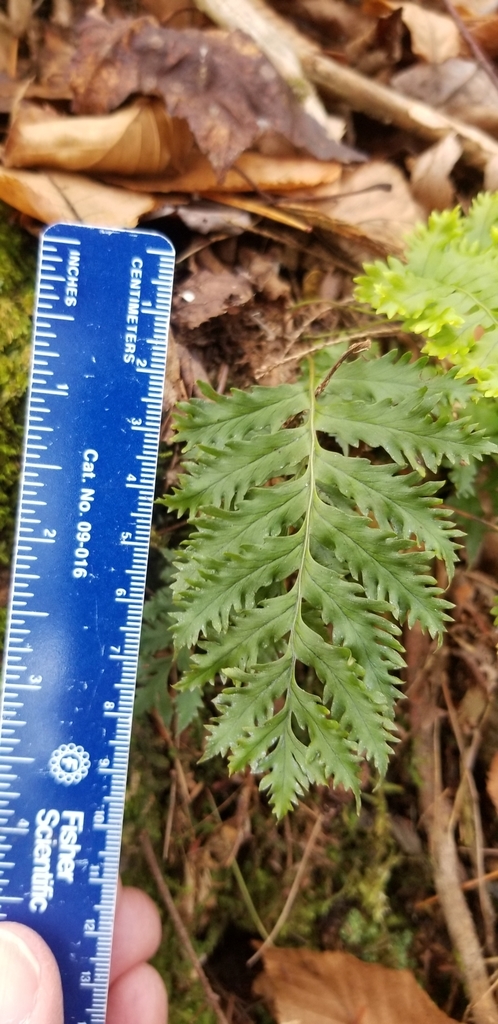
On this page
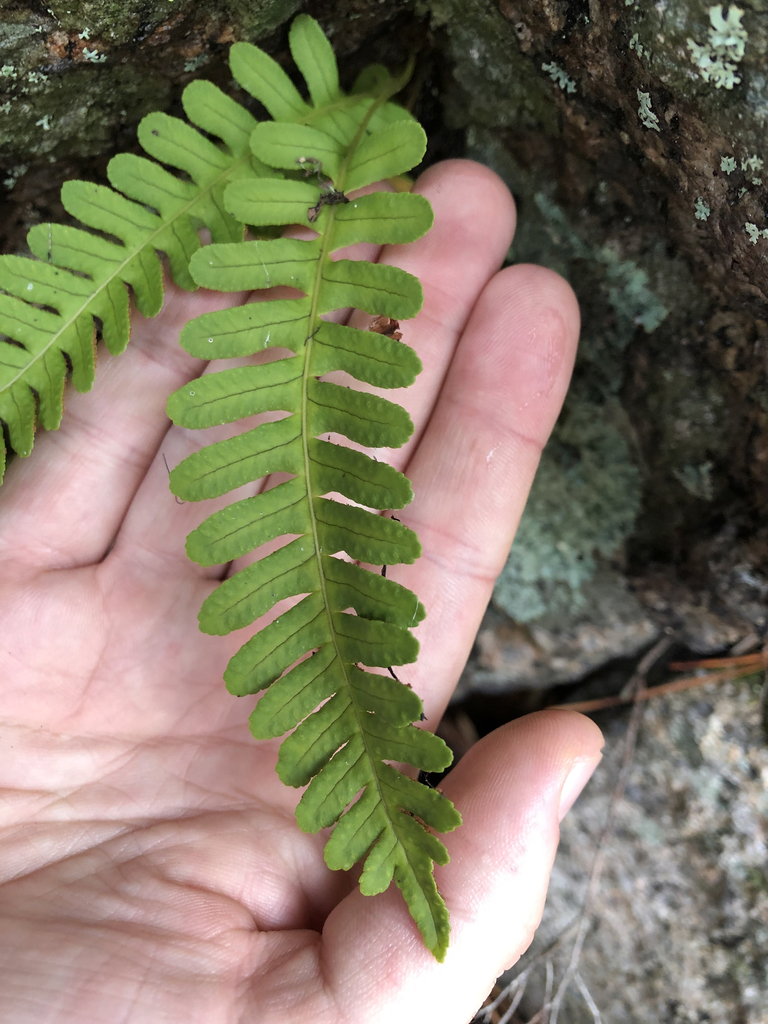
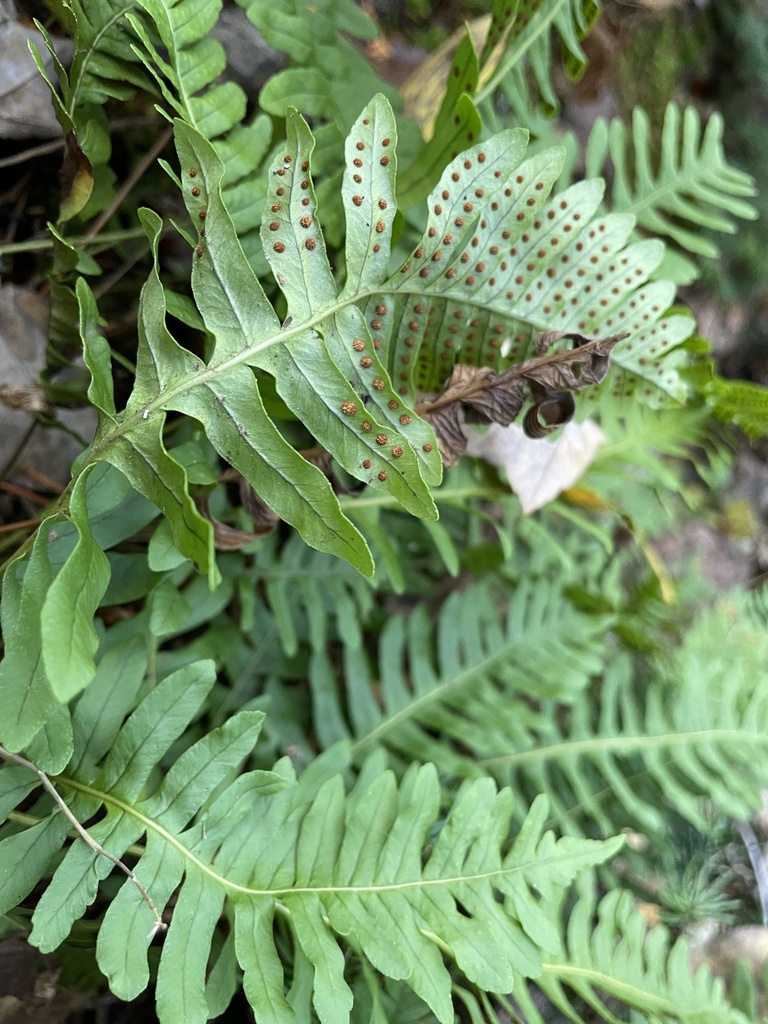
Rock cap fern is a lithophyte: it runs its rhizome across the surface of rock or bark rather than rooting into soil, so mount it on a stone slab, log or cork with only a thin moss pad. Keep it cool, shaded and evenly damp, water 2-3 times a week, and never bury the rhizome. Fully cold-hardy outdoors in much of North America. Pet-safe. Typically $12-$35.
Key facts
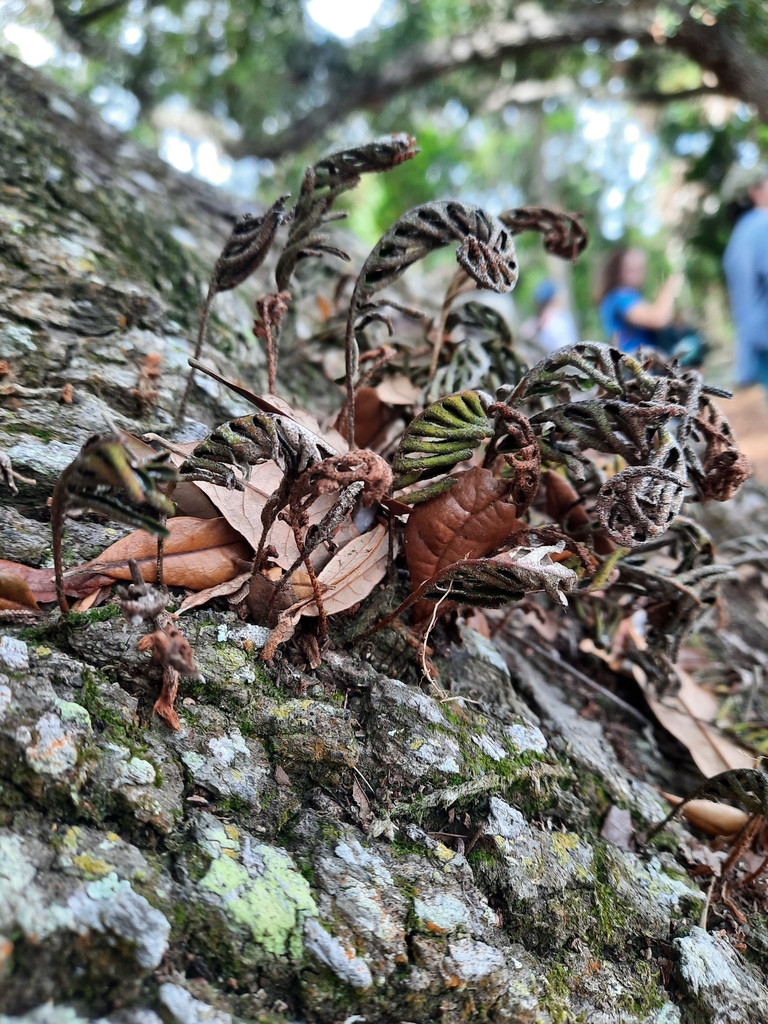
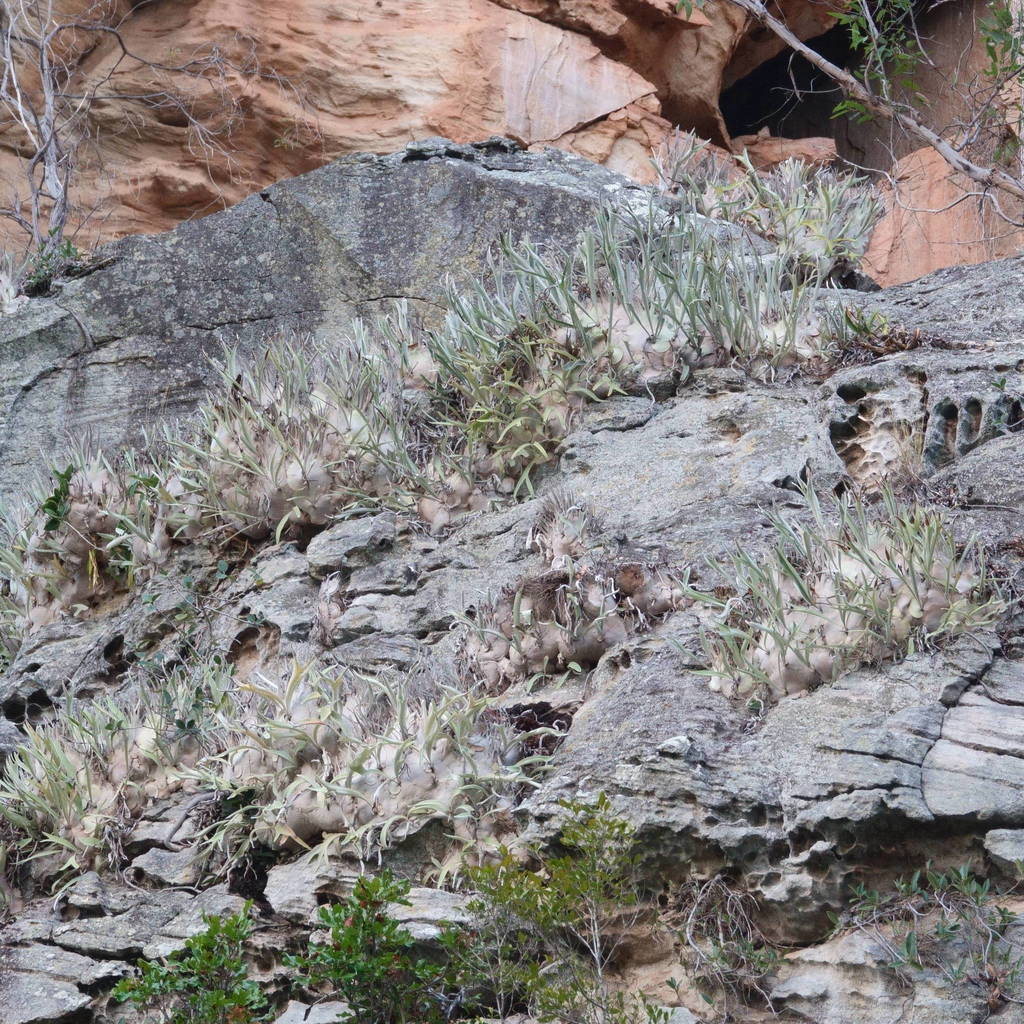
- Native to eastern and northern North America, growing on shaded boulders, cliff ledges and mossy logs rather than in soil.
- The wiry rhizome creeps over the surface and must stay exposed. Burying it in soil or thick moss causes rot.
- It is evergreen and fully cold-hardy, holding its fronds through snow in USDA zones 3-8.
- It tolerates short dry spells by curling its frond edges, but it is not a true desiccation-tolerant fern like the resurrection fern.
- Non-toxic to cats and dogs.
Care requirements#
| Plant type | Lithophytic/epiphytic hardy fern; outdoors year-round in USDA 3-8 |
| Mounting substrate | Porous rock, a mossy log, cork or tufa, with a thin layer of sphagnum and leaf mould under the rhizome |
| Fixing method | Fishing line or loose nylon mesh over the rhizome until it grips; the rhizome must remain visible on the surface |
| Light needs | Full to dappled shade; bright indirect light indoors, never direct sun |
| Watering method | Drench the mount until the moss layer is saturated, or mist heavily so the rhizome and moss stay damp |
| Soak-vs-mist schedule | Water 2-3 times a week; it prefers steady dampness rather than the wet-dry swing that suits a staghorn |
| Air circulation | Moderate airflow; it dislikes both stagnant damp and drying wind |
| Humidity | 50-70% indoors; outdoors in shade ambient humidity is enough |
| Temperature range | Fully hardy to -35°C (-30°F) and prefers cool conditions; struggles above 30°C (86°F) |
| Fertilizer | Very light: a dilute liquid feed once or twice through spring and summer at most |
| Winter siting | Best left outdoors on a shaded wall or rockery, where cold is entirely normal for it |
| Toxicity | Non-toxic to cats, dogs, and humans |
Growth & propagation#
| Mature size | Fronds 10-25cm long; colonies spread slowly to a metre or more across rock |
| Growth rate | Slow: a few centimetres of rhizome advance per year |
| Propagation methods | Divide the creeping rhizome into sections with several fronds, then tie to a new mount |
| Propagation difficulty | Easy by division; spore propagation is slow and fiddly |
| Establishment | Allow a full growing season for the rhizome to anchor to a new surface |
| Pruning needs | Remove browned or tattered fronds at the rhizome in late winter before new growth |
Common problems & troubleshooting#
| Symptom | Likely cause | Fix |
|---|---|---|
| Rhizome soft and brown | Buried under soil or thick wet moss with no air | Lift the rhizome back onto the surface, cut away rot, and remount with only a thin moss layer |
| Fronds brown and crisp at the edges | Too dry, too warm, or too much light | Move to deeper shade and cooler conditions, and water more consistently |
| Plant sulks and produces no new fronds | Indoor warmth. This is a cool-climate fern that resents heated rooms | Move it outdoors to a shaded wall or into an unheated porch |
| Fern lifts loose off the mount | Tied only over the fronds, or the rhizome never gripped | Retie loosely across the rhizome itself and give it a full season undisturbed |
| Fronds pale and washed out | Direct sun exposure | Relocate to shade; this fern grows on the shaded north faces of rocks in the wild |
Cool, shaded, and evenly damp
Sodate keeps a mounted woodland fern on a watering rhythm that matches its shade and your season.
Seasonal care#
Buying checklist#
- Rhizome is firm, wiry and sitting on the surface rather than buried
- Fronds are evergreen and leathery with no widespread browning
- Mount is rock, cork or a log rather than a pot of potting mix
- Nursery-propagated by division rather than collected from wild rock ledges
Pricing by region#
| Region | Price range | Typical unit | Basis |
|---|---|---|---|
| US | $12 – $35 | mounted division | Native plant nursery + online |
| UK | $15 – $40 | mounted division | Specialist fern nursery |
| India | $12 – $35 | mounted division | Rare; specialist import only |
| Australia | $20 – $50 | mounted division | Rare; specialist fern growers |
| Canada | $14 – $38 | mounted division | Native plant nursery |
USD figures are approximate conversions for comparison; switch the dropdown to see each region's actual local-currency listing price.
Often confused with#
Where it's actually grown#
Nursery plants come from divisions grown on by North American native plant nurseries, plus some spore-raised stock from specialist fern growers; wild collection off rock ledges is discouraged and damages slow-growing colonies.
Import & biosecurity restrictions#
| Region | Note |
|---|---|
| US | Native and unrestricted; buy nursery divisions rather than collecting from wild rock ledges. |
| Australia | Live plant imports restricted under biosecurity law; effectively unavailable domestically. |
| UK | Imports need phytosanitary paperwork; the near-identical native Polypodium vulgare is easier to source. |
| India | No specific restriction, but the climate is unsuitable outside high-altitude regions. |
| Canada | Native across much of eastern Canada; unrestricted domestically, CFIA rules apply to imports. |
Similar plants
Did you know?
Frequently asked questions
Can rock cap fern be planted in soil?
It does poorly. The rhizome is adapted to creep across the surface of rock or bark, and burying it in soil cuts off air and causes rot.
How often should I water a mounted rock cap fern?
Two to three times a week, keeping the thin moss layer under the rhizome evenly damp rather than letting it swing wet to bone dry.
Is rock cap fern cold-hardy?
Very. It is evergreen and hardy through USDA zone 3, holding its fronds under snow, and it prefers cool conditions to warm ones.
Is rock cap fern safe for pets?
Yes, Polypodium virginianum is non-toxic to cats and dogs.
Does rock cap fern revive from drying out like a resurrection fern?
No. It curls its frond edges in a dry spell but lacks the resurrection fern's full desiccation tolerance, so prolonged drought kills it.