 Sodate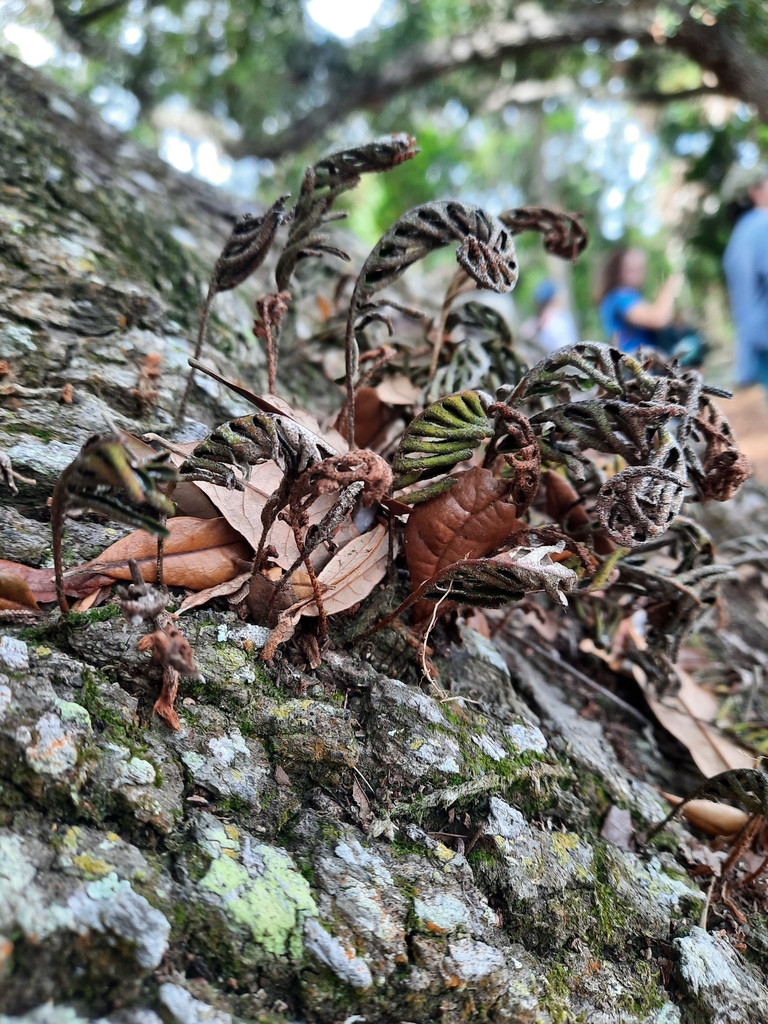
On this page
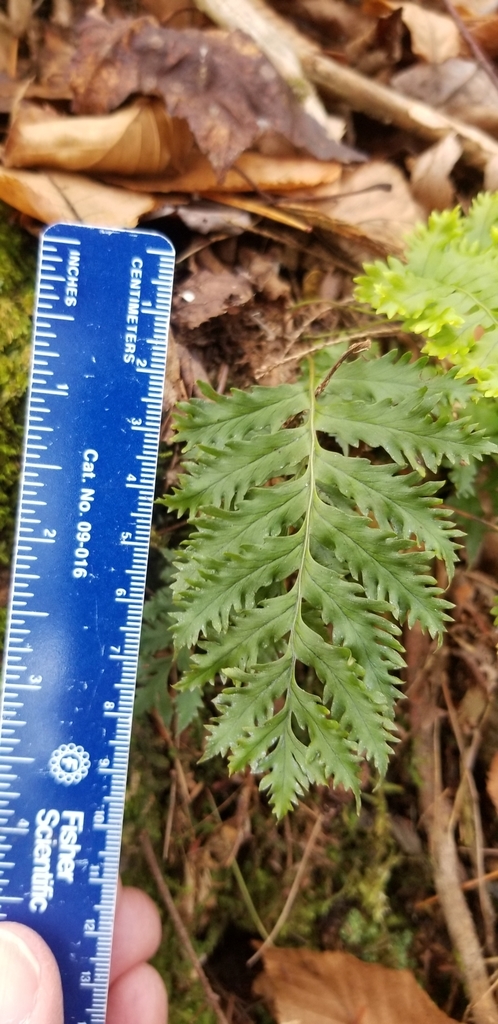
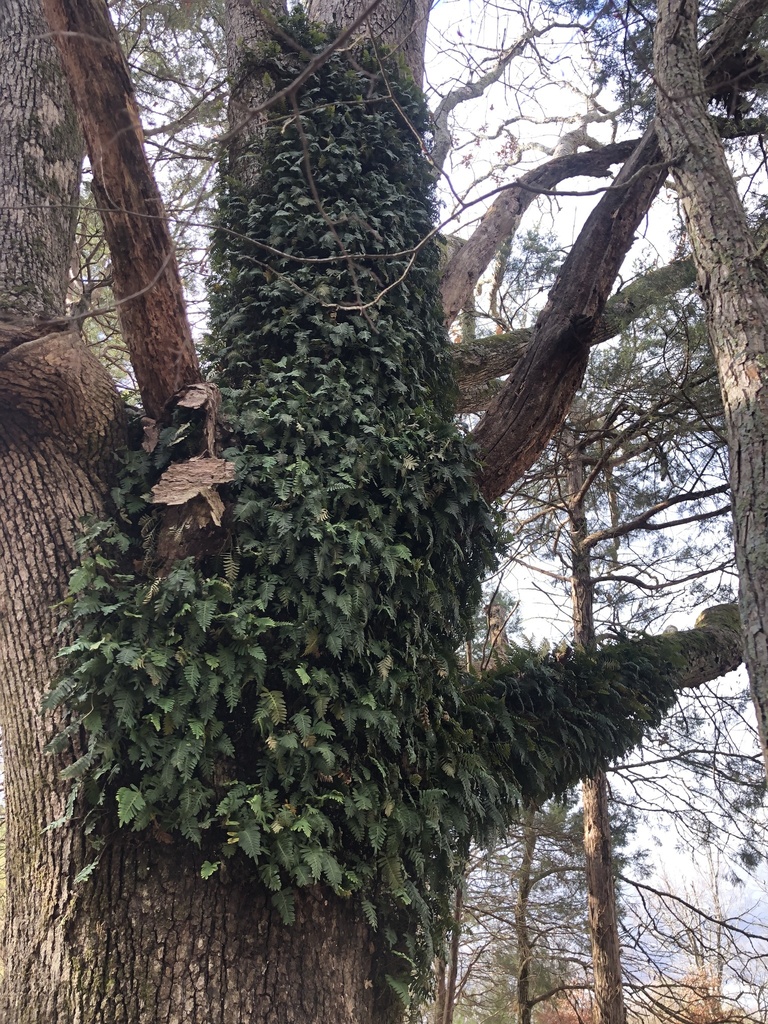
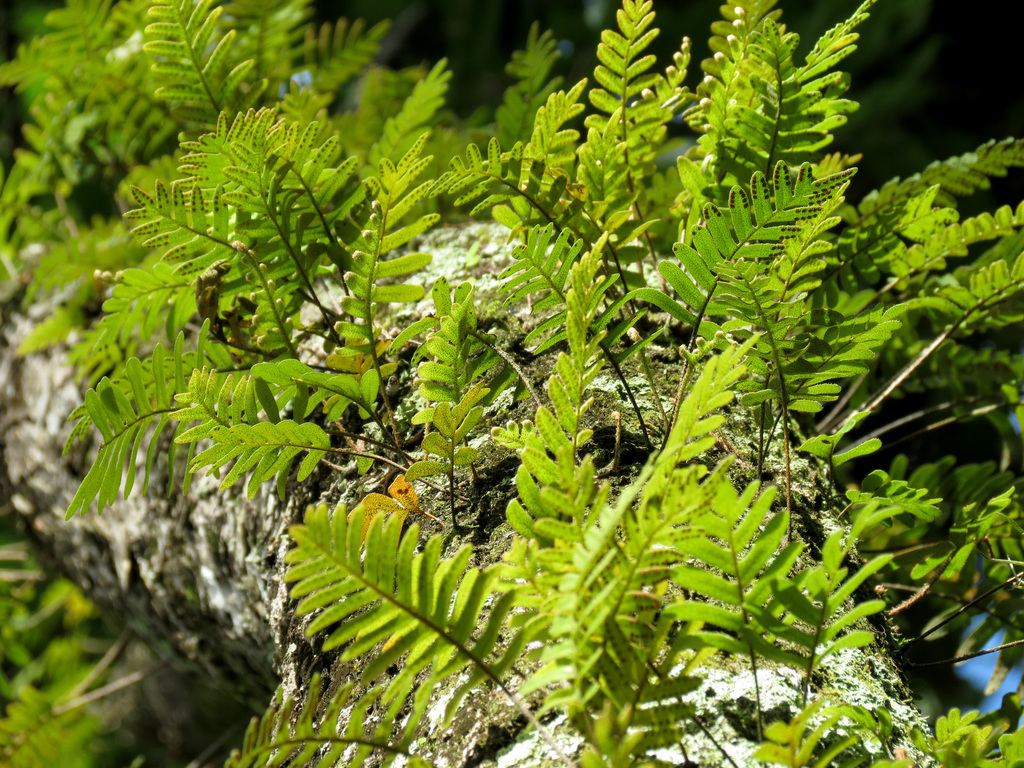
The signature fact: this fern dries to a brown, curled, apparently dead mat and revives to full green within a few hours of rain, and it can repeat that cycle for decades. It grows epiphytically on oak and cypress bark in the US Southeast, never in soil, taking nothing from its host tree. Grow it on a bark slab or log outdoors in humid shade; indoors it needs real humidity. Pet-safe. Typically $10-$30.
Key facts
- It curls into a brown, dead-looking ball during drought and rehydrates to full green within hours of rainfall. The trait it is named for.
- It can lose most of its water content and survive, a desiccation tolerance shared with very few vascular plants.
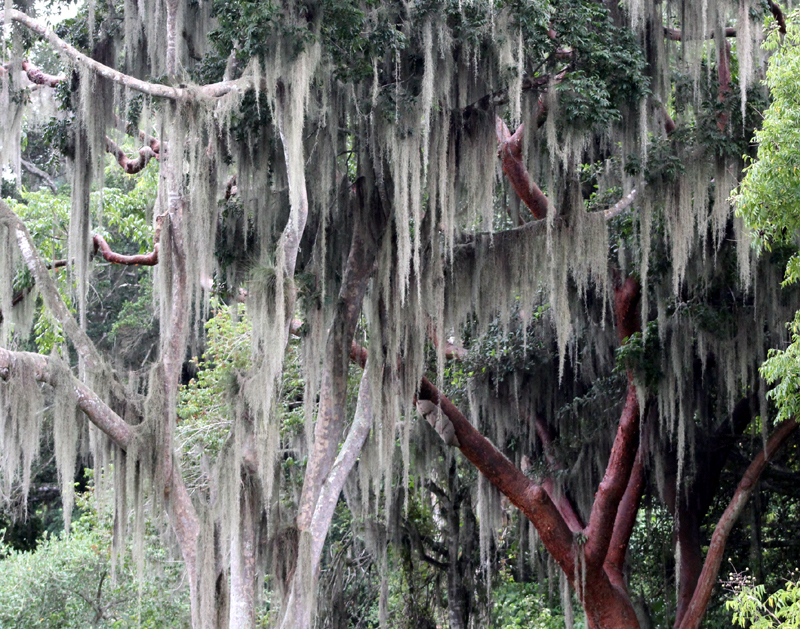
- Native to the southeastern United States and tropical America, growing on live oak and bald cypress branches and on shaded rock.
- It is an epiphyte, not a parasite. It takes nothing from the tree it perches on.
- Non-toxic to cats and dogs.
Care requirements#
| Plant type | Epiphytic fern; hardy outdoors in USDA 6-11 across the US Southeast |
| Mounting substrate | Rough bark, an oak log, cork slab or shaded rock; the creeping rhizome grips the surface directly |
| Fixing method | Fishing line or nylon mesh across the rhizome until it grips; never bury the rhizome and never glue it |
| Light needs | Dappled shade to bright indirect light, as under an oak canopy; avoid direct afternoon sun |
| Watering method | Wet the whole mount thoroughly with rain or filtered water until the fronds unfurl green |
| Soak-vs-mist schedule | Water 1-3 times a week in growth; it is entirely safe to let it dry out and curl between waterings |
| Drought behaviour | Curling brown is normal dormancy, not death. Do not discard a curled plant, just water it |
| Air circulation | Good airflow is important; it grows on exposed branches in the wild and dislikes stagnant damp |
| Humidity | Ambient outdoor humidity is ideal; indoors it needs 50%+ or it will spend most of its life curled |
| Temperature range | Tolerates freezing to well over 35°C (95°F); very hardy across its native range |
| Fertilizer | Almost none needed. A very dilute feed once or twice in the growing season at most |
| Toxicity | Non-toxic to cats, dogs, and humans |
Growth & propagation#
| Mature size | Fronds 10-25cm long, spreading into mats a metre or more wide over years |
| Growth rate | Slow: it only grows during the hydrated periods, which may be a few days at a time |
| Propagation methods | Divide a section of creeping rhizome with several fronds and tie it to new bark; also grows from spores |
| Propagation difficulty | Easy by division, slow to establish |
| Establishment | Allow 6-12 months for the rhizome to grip a new mount |
| Pruning needs | None beyond removing genuinely dead black fronds; brown curled fronds are dormant, not dead |
Common problems & troubleshooting#
| Symptom | Likely cause | Fix |
|---|---|---|
| Fern is brown, curled and looks dead | Normal desiccation dormancy | Water it thoroughly. It should green up and unfurl within a few hours |
| Curled fronds no longer revive after watering | The rhizome itself has died, usually from prolonged rot rather than drought | Check the rhizome; if it is brown and soft the plant is lost. Prevent by mounting on bark that drains, never in soil |
| Rhizome soft and blackened | Kept permanently wet, or planted into potting mix | Remount on bark with free airflow and allow full dry-out cycles between waterings |
| Fronds bleached or scorched | Direct hot afternoon sun while hydrated | Move to dappled shade; the fern is adapted to filtered canopy light |
| Stays curled almost permanently indoors | Indoor air is too dry, so it dehydrates within a day of each watering | Move to a bathroom, terrarium or outdoors in humid shade. It needs real ambient humidity to stay open |
Brown does not mean dead here
Sodate tells you which of your plants are dormant and which are actually in trouble, so you don't bin a resurrection fern.
Seasonal care#
Buying checklist#
- Rhizome is firm, wiry and pale brown with visible scales
- Ask the seller to water it. It should green up and unfurl within hours, proving it is alive
- It is growing on bark, cork or a log rather than potted in soil
- Sourced from nursery division or salvaged fallen limbs rather than stripped from living trees
Pricing by region#
| Region | Price range | Typical unit | Basis |
|---|---|---|---|
| US | $10 – $30 | bark-mounted division | Native plant nursery + online |
| UK | $15 – $40 | mounted division | Specialist fern nursery (uncommon) |
| India | $10 – $30 | mounted division | Rare in trade; specialist import |
| Australia | $18 – $45 | mounted division | Rare; specialist fern growers |
| Canada | $14 – $38 | mounted division | Specialist nursery + online |
USD figures are approximate conversions for comparison; switch the dropdown to see each region's actual local-currency listing price.
Often confused with#
Name confusion warning#
Several unrelated plants are sold as 'resurrection plant', including Selaginella lepidophylla and Anastatica hierochuntica. Only Pleopeltis polypodioides is the resurrection fern.
Where it's actually grown#
Nursery stock comes from division of cultivated mats or from ferns salvaged off storm-fallen oak limbs in Florida, Georgia and Louisiana; it is not commercially mass-produced and should never be stripped from living trees.
Import & biosecurity restrictions#
| Region | Note |
|---|---|
| US | Native and unrestricted; collect only from fallen limbs or buy nursery divisions rather than stripping live trees. |
| Australia | Live plant imports restricted under biosecurity law; rarely available domestically. |
| UK | Imports need phytosanitary paperwork; uncommon and sold only by specialist fern nurseries. |
| India | No specific restriction; effectively absent from the trade. |
| Canada | CFIA permits required for commercial imports; hardy only in the mildest coastal areas. |
Similar plants
Ranked in these guides
Did you know?
Frequently asked questions
Why does resurrection fern look dead?
It curls into a brown, shrivelled mat when it dries out, which is normal dormancy. Water it and it unfurls fully green within a few hours.
Does resurrection fern harm the tree it grows on?
No. It is an epiphyte that only perches on bark for support and takes water and nutrients from rain and airborne debris, not from the host.
Can I grow resurrection fern indoors?
Only with real humidity above about 50%, such as a bathroom or terrarium. In dry heated rooms it stays curled and dormant almost permanently.
Is resurrection fern safe for pets?
Yes, Pleopeltis polypodioides is non-toxic to cats and dogs.
Where does resurrection fern grow naturally?
Mainly the southeastern United States, along live oak and bald cypress limbs, plus parts of tropical America and southern Africa.