 Sodate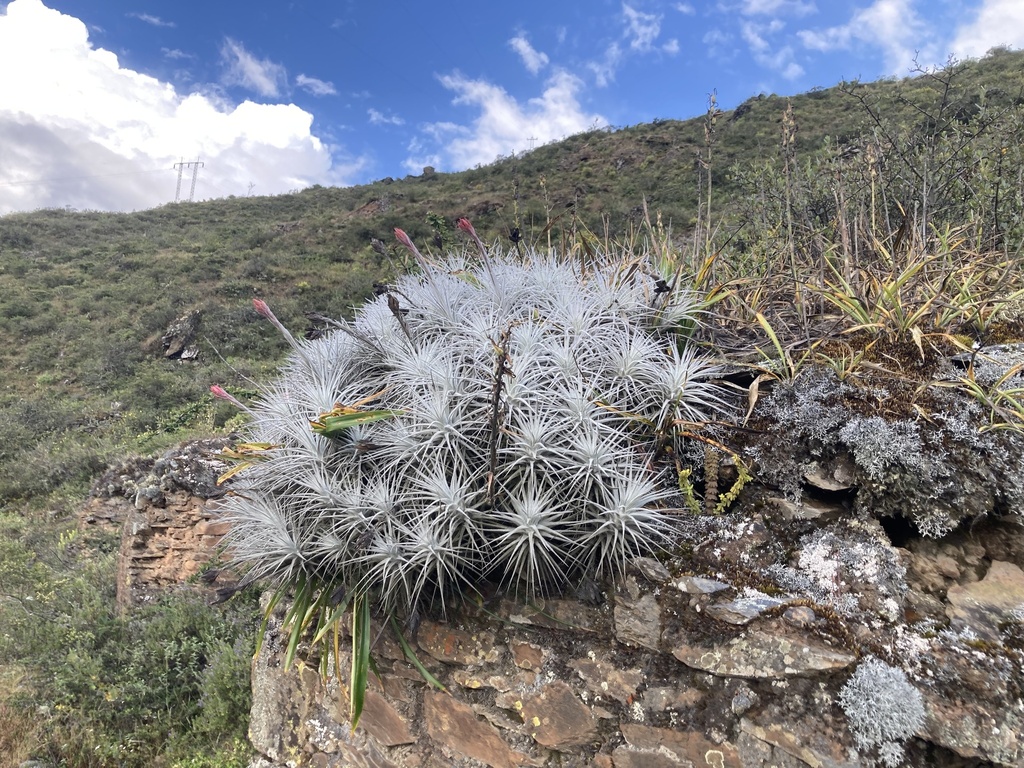
On this page
Tectorum is the exception to every air plant rule: it wants the brightest light (even some direct sun), the driest air, and misting only. One to two light mists a week, NEVER a soak. Its huge fuzzy trichomes hold water so well that soaking waterlogs and rots it. Slowest-growing and priciest of the common species. Pet-safe. Typically $12-$35.
Key facts
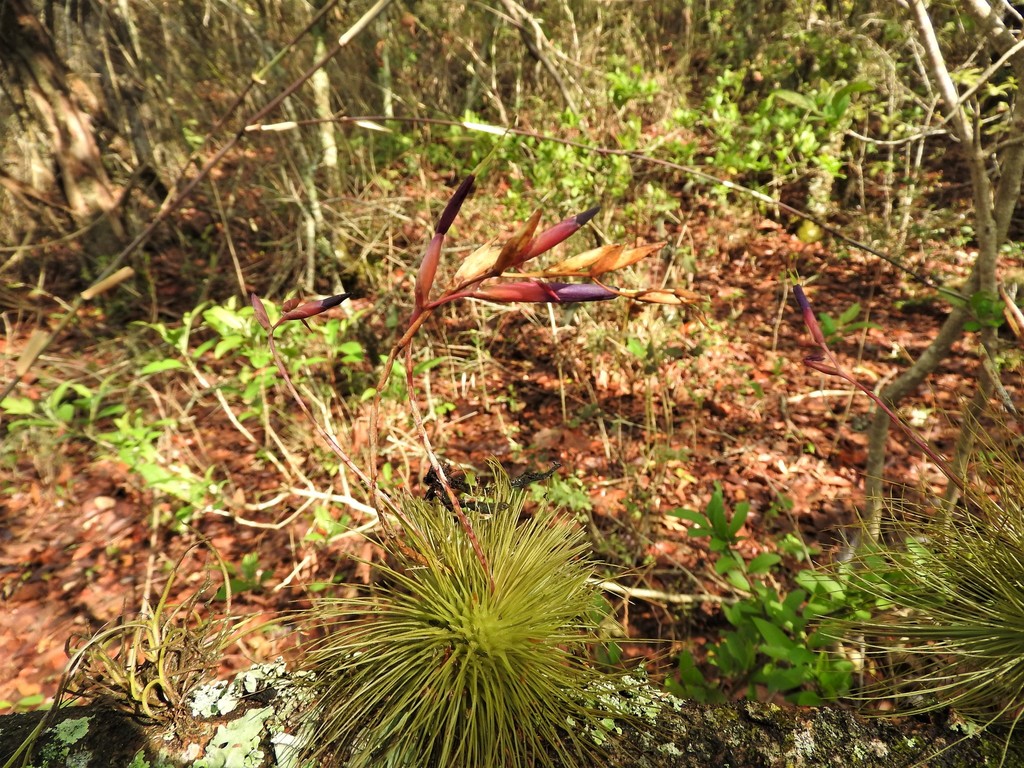
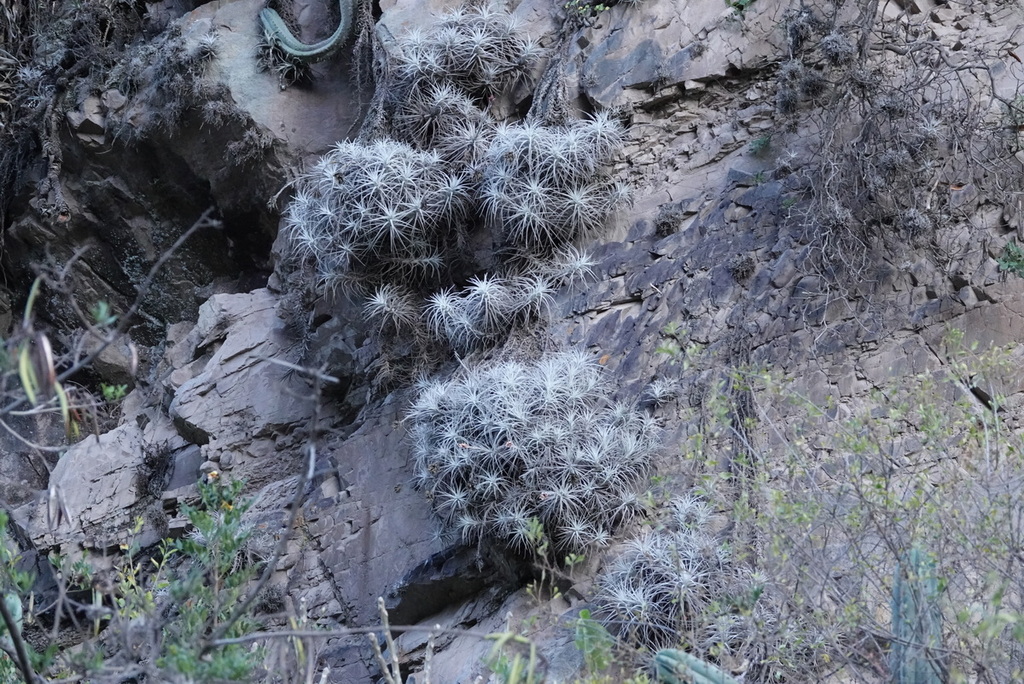
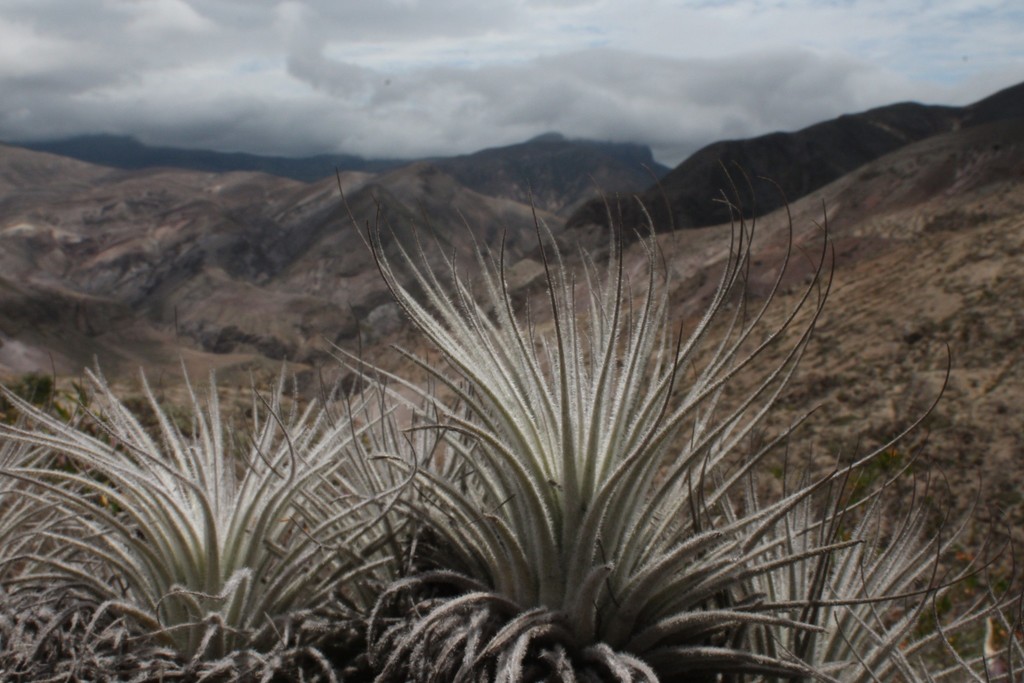
- Native to arid, high-altitude slopes and cliff faces in Peru and Ecuador, up to ~2,500m, where its only water is fog and rare rain.
- The 'snow' is a coat of oversized trichomes, the largest of any common tillandsia, that grab moisture from humid air and reflect intense sun.
- It is the driest-adapted popular air plant: mist-only care, never soaked, and it tolerates direct sun most species can't.
- Very slow growing; large specimens are years old, which is why it costs several times an ionantha.
- Non-toxic to cats and dogs.
Care requirements#
| Plant type | Epiphytic/saxicolous air plant (indoor; outdoors year-round only in dry USDA 9-11 climates) |
| Growing medium | None: display loose or wired to rock, cork, or driftwood; never soil, never glued into damp moss |
| Light needs | The brightest spot you have. Bright indirect to several hours of direct sun; more light keeps the fuzz dense |
| Watering method | Light misting 1-2x weekly only; NEVER soak. The dense trichomes waterlog and the plant rots |
| Drying after watering | Mist lightly enough that it dries within an hour; if it ever gets drenched, dry upside down with moving air |
| Water quality | Rain or rested tap water in a fine mister; never softened water |
| Air circulation | Dry moving air is its natural habitat. Never a sealed terrarium or humid cabinet |
| Humidity | 30-50% is fine; unlike other tillandsias, high humidity plus stale air harms it |
| Temperature range | 5-30°C (41-86°F); tolerates cool dry nights better than most species |
| Fertilizer | Very dilute (1/8 strength) tillandsia feed in the mist monthly at most; it is adapted to lean conditions |
| Mounting | Wire loosely to rock or wood; avoid glue over the fuzzy base and never copper wire |
| Toxicity | Non-toxic to cats, dogs, and humans |
Growth & propagation#
| Mature size | 8-20cm sphere; old cliff specimens form caulescent (stemmed) columns |
| Growth rate | Very slow. The slowest of the common air plants; expect a few leaves a year |
| Bloom cycle | Tall spike with pale pink bracts and white-to-violet flowers; rosette pups afterwards |
| Propagation methods | Pups after flowering, or grown from seed by specialists (taking many years) |
| Propagation difficulty | Moderate: pups are slow to size up |
| Pruning needs | None beyond removing spent spikes |
Common problems & troubleshooting#
| Symptom | Likely cause | Fix |
|---|---|---|
| Fuzz flattens, base browns, plant falls apart | Soaking or heavy wetting. The fatal tectorum mistake | Rarely recoverable; switch to light misting only and maximum airflow for any survivors |
| Fuzz looks thin and the plant greens up | Too little light. Trichome density drops in shade | Move to your brightest window; gentle direct sun is welcome |
| Leaf tips crisp and curl inward severely | Genuine dehydration after months of neglect | Increase to 2-3 light mists weekly; do not compensate with a soak |
| Grey mould or sour smell at the base | Misted at night in still, humid air | Mist in the morning only and add air movement |
| No growth for months | Normal. Tectorum is extremely slow | Patience; confirm light is strong and care is otherwise unchanged |
Never over-love a tectorum again
Sodate keeps a light-touch misting schedule so your fuzziest air plant never gets the fatal soak.
Seasonal care#
Varieties & cultivars#
| Variety | Distinguishing trait | Note |
|---|---|---|
| T. tectorum 'Snowball' | Compact globe form with maximum fuzz | The classic trade form |
| T. tectorum 'Enano' | Dwarf clumping form | Collector's miniature |
| T. tectorum stem form (caulescent) | Grows a long scaly stem over years | Priciest form, mimics wild cliff plants |
Buying checklist#
- Fuzz is full, white, and springy. Flattened or matted fuzz means it has been kept too wet
- Base is tight and pale, with no brown softness
- Buy from sellers who list it as mist-only; a tectorum kept on a soak schedule is already compromised
- Expect to pay more than for other species. Cheap large tectorums are usually wild-collected
Pricing by region#
| Region | Price range | Typical unit | Basis |
|---|---|---|---|
| US | $12 – $35 | single plant | Specialist air plant nurseries |
| UK | $13 – $38 | single plant | Specialist online sellers |
| India | $8 – $24 | single plant | Online exotic plant sellers |
| Australia | $13 – $33 | single plant | Tillandsia specialists |
| Canada | $13 – $37 | single plant | Specialist online sellers |
USD figures are approximate conversions for comparison; switch the dropdown to see each region's actual local-currency listing price.
Often confused with#
Name confusion warning#
Latin 'tectorum' means 'of rooftops'. The same epithet appears in unrelated plants like Sempervivum tectorum (houseleek). Make sure you're buying the tillandsia.
Where it's actually grown#
Slow growth kept wild-collected Peruvian plants common in trade for decades; reputable stock now comes from seed-raised nursery programmes in Peru, the US, and Europe. Worth asking your seller about.
Import & biosecurity restrictions#
| Region | Note |
|---|---|
| Australia | Live plant imports restricted under biosecurity law; buy from domestic tillandsia nurseries. |
| US | Legal to import with phytosanitary certificates; ethical buyers favour seed-grown stock over wild-collected. |
| UK | Post-Brexit imports need phytosanitary paperwork; specialist sellers stock it domestically. |
| India | No specific restriction; available from online exotic plant sellers at a premium. |
| Canada | CFIA permits required for commercial imports; available via specialist sellers. |
Similar plants
Did you know?
Frequently asked questions
Can I soak Tillandsia tectorum like my other air plants?
No. This is the one common air plant you should never soak; its dense trichomes hold water against the plant and it rots. Mist lightly 1-2 times a week instead.
How much light does tectorum need?
The most of any common tillandsia. Bright indirect at minimum, and it happily takes hours of direct sun, which keeps the white fuzz dense.
Is Tillandsia tectorum pet-safe?
Yes, like all tillandsias it is non-toxic to cats and dogs.
Why is tectorum so expensive?
It grows extremely slowly, so a display-sized sphere represents many years of nursery time. Expect $12-$35 rather than ionantha prices.
Why is my tectorum turning green and losing its fuzz?
Not enough light; trichome density drops in shade. Move it to your brightest window or gentle direct sun.