 Sodate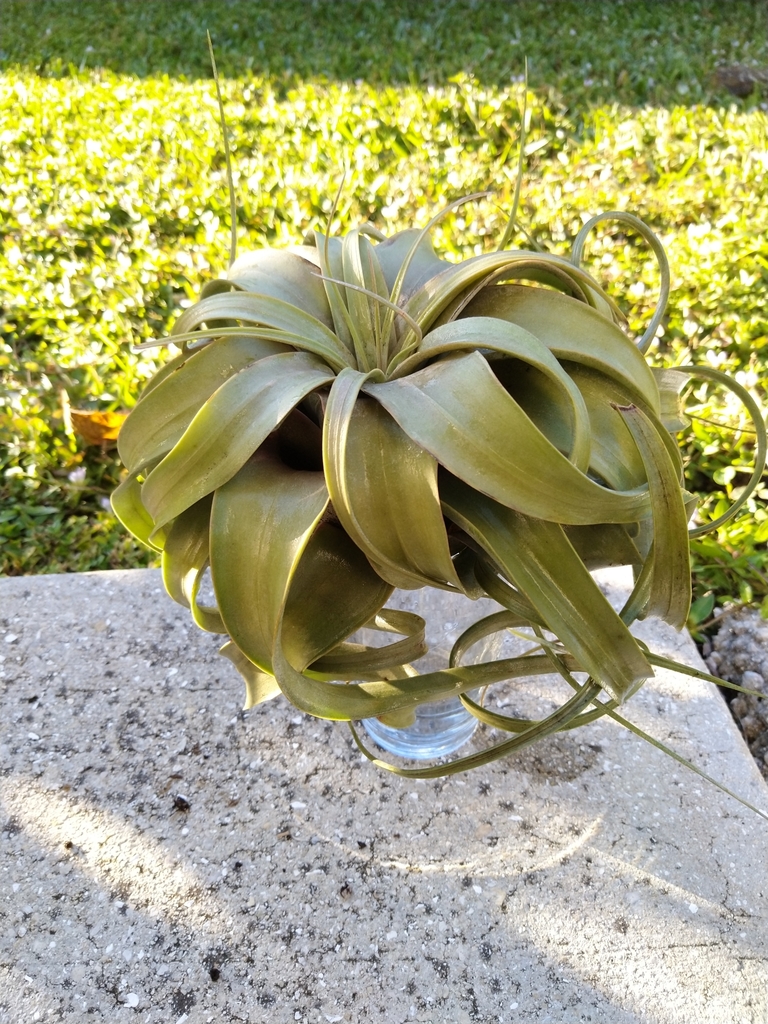
On this page
Xerographica is a xeric (dry-adapted) air plant, so it wants less water than other tillandsias: a 20-30 minute soak every 2-3 weeks, dried thoroughly upside down, plus more light than most, even some direct sun. Its thick silvery trichomes are its water storage system. It grows very slowly, is pet-safe, and is CITES-listed, so all trade is from nursery-propagated stock. Expect $15-$50 depending on size.
Key facts
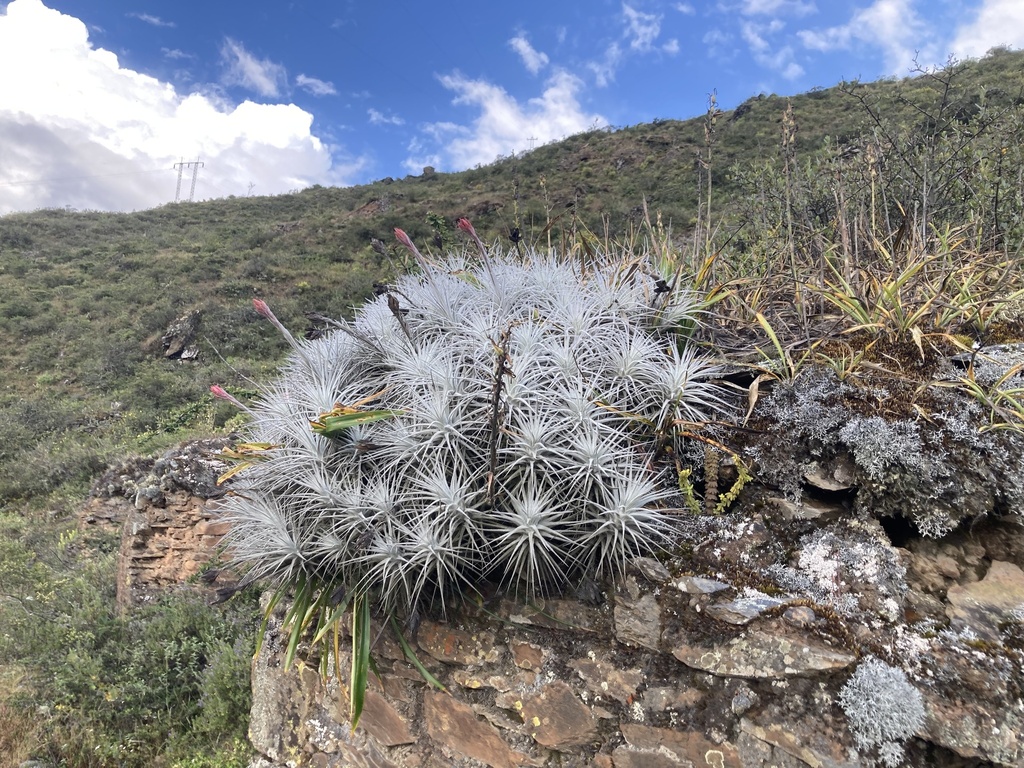
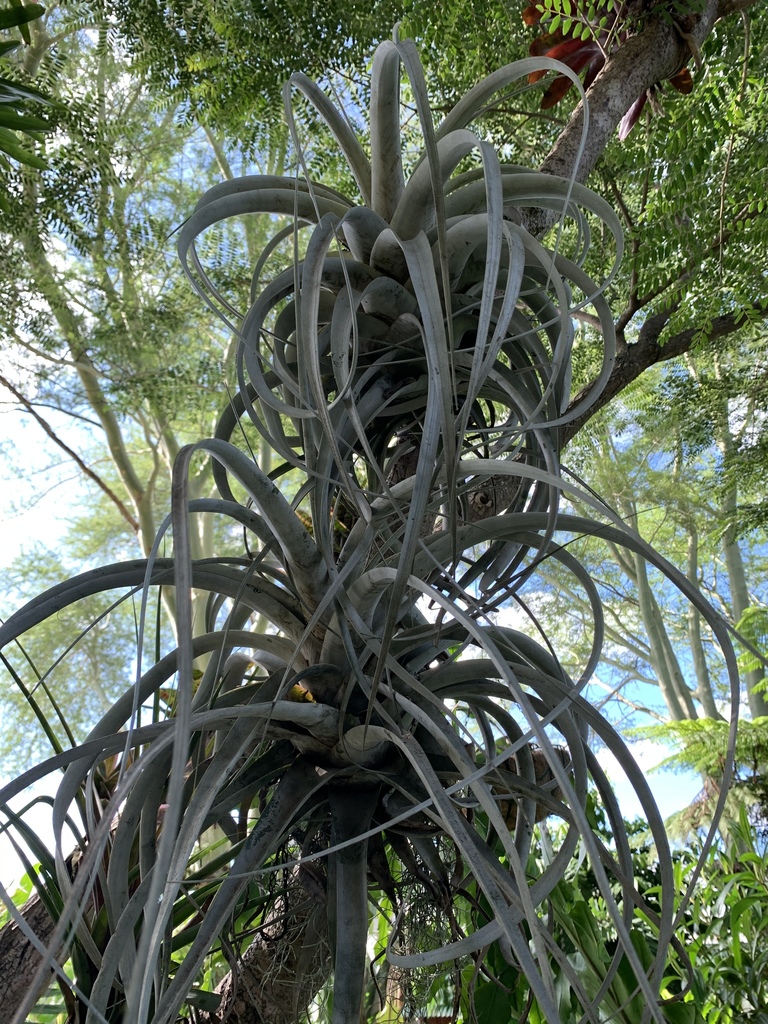
- Native to dry forests and thorn scrub of southern Mexico, Guatemala, and El Salvador, growing high in trees in strong light.
- The dense silver trichome coating reflects sun and captures dew. The reason it tolerates far drier care than green tillandsias.
- Listed on CITES Appendix II since 1992 after wild populations were stripped by collectors; all legal exports are nursery-grown.
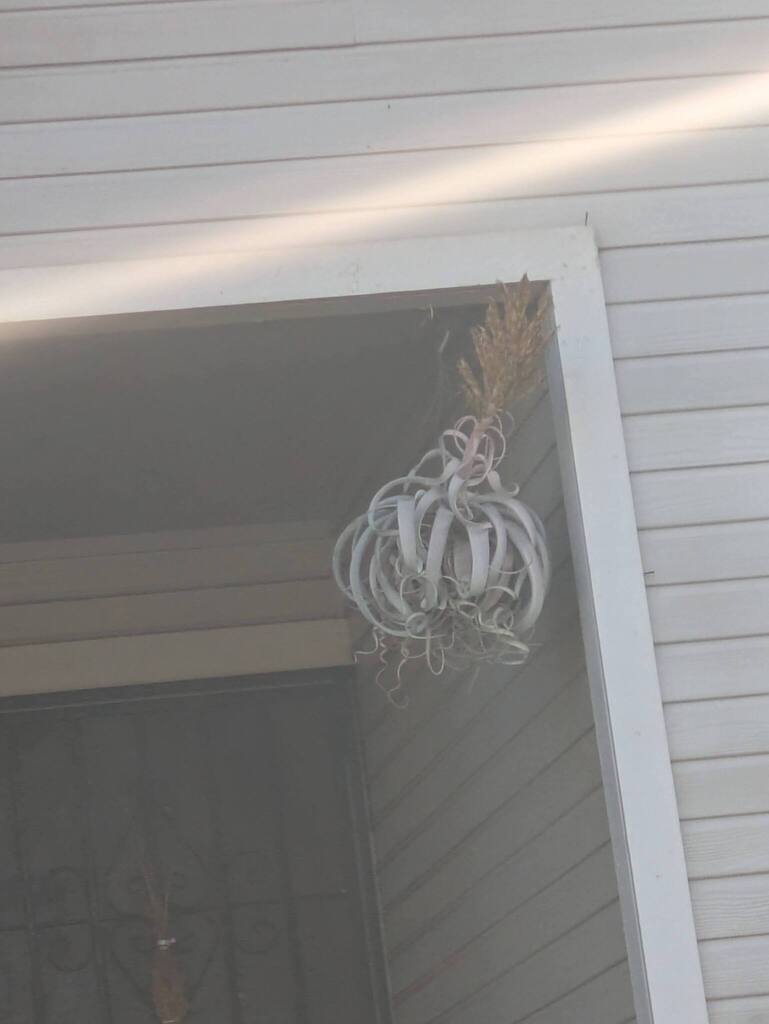
- One of the largest and slowest air plants: rosettes take 8-15 years to reach blooming size, then send up a branched flower spike that can last months.
- Non-toxic to cats and dogs.
Care requirements#
| Plant type | Xeric epiphytic air plant (indoor; outdoors year-round only in USDA 10-11) |
| Growing medium | None: display loose in a bowl, on driftwood, or hung; never pot in soil |
| Light needs | The brightest spot you have. Bright indirect to several hours of direct sun; more light than most tillandsias |
| Watering method | Soak 20-30 minutes every 2-3 weeks; light misting between soaks in very dry homes |
| Drying after watering | Shake vigorously and dry fully upside down. Water trapped in the deep rosette base is the #1 killer |
| Water quality | Rain or rested tap water; avoid softened water |
| Air circulation | Essential; never display in a closed vessel or sealed terrarium |
| Humidity | Tolerates dry household air better than any common air plant |
| Temperature range | 10-35°C (50-95°F); protect from frost |
| Fertilizer | Tillandsia feed at 1/4 strength in the soak, monthly in spring-summer |
| Mounting | Usually displayed loose; if mounting, use glue or non-copper wire |
| Toxicity | Non-toxic to cats, dogs, and humans |
Growth & propagation#
| Mature size | 30-60cm across at maturity, a genuine centerpiece plant |
| Growth rate | Very slow; noticeable size gain takes years |
| Bloom cycle | A tall branched red-and-chartreuse spike after 8-15 years; the inflorescence can persist for months |
| Propagation methods | Pups at the base after flowering; also seed-grown commercially (very slow) |
| Propagation difficulty | Easy to separate pups, but reaching sale size takes many years, hence the price |
| Pruning needs | None; remove fully dried outer leaves by peeling gently |
Common problems & troubleshooting#
| Symptom | Likely cause | Fix |
|---|---|---|
| Center leaves pull out easily; base smells sour | Crown rot from water pooled in the deep rosette or overwatering | Almost always fatal once the core is soft; prevent by drying upside down and soaking less often, not more |
| Leaves curl into tight ringlets and feel papery | Dehydration. Normal curl tightens when thirsty | Give a long soak (1-2 hours), dry well; some curl is the plant's natural shape |
| Silvery sheen dulls, leaves look grey-green and limp | Too little light | Move to the brightest window in the house; xerographica sulks in dim corners |
| Brown scorch patches after moving outdoors | Sudden full midday sun without acclimation | Damaged tissue won't recover; reintroduce sun gradually over 2 weeks |
| Plant loosens and pales in a humid, airless bathroom | Constant moisture without airflow. The opposite of its desert-canopy habitat | Move to a bright, airy room and cut watering back to the 2-3 week cycle |
Drier care, but not no care
Sodate spaces reminders to match xeric air plant rhythms, so you soak every few weeks instead of never.
Seasonal care#
Varieties & cultivars#
| Variety | Distinguishing trait | Note |
|---|---|---|
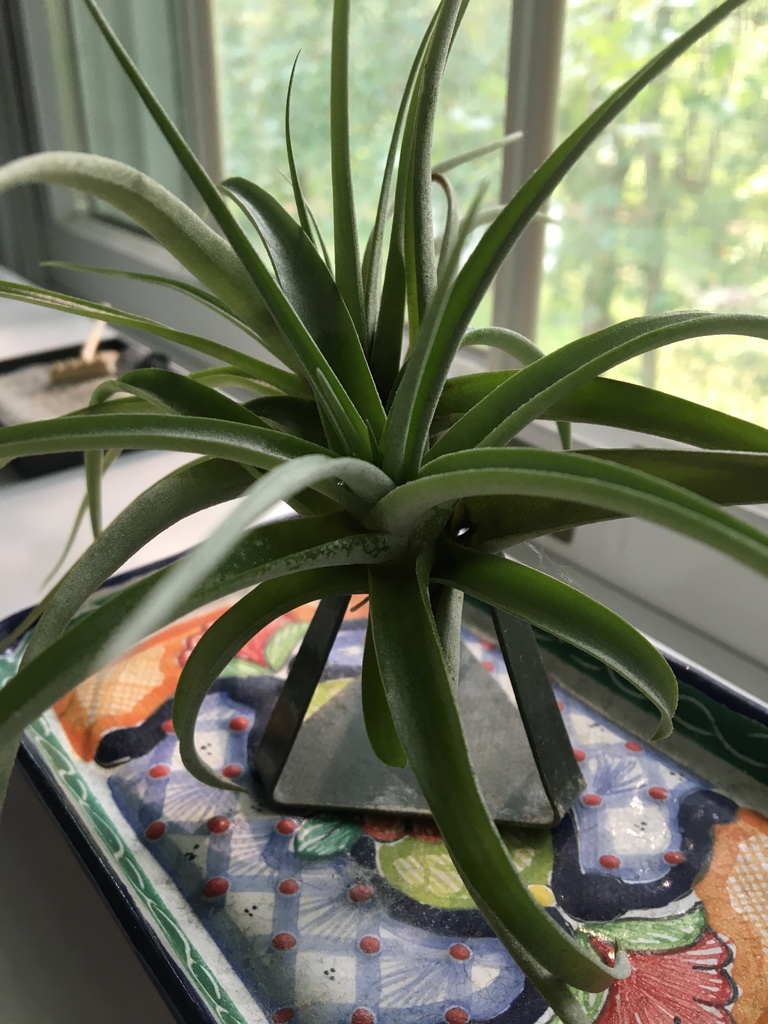
| Standard nursery form | Wide silvery leaves, tight curl | Nearly all trade is seed-grown Guatemalan stock |
| T. xerographica × brachycaulos hybrids | Faster growth, softer greener leaves, red blush at bloom | Sold as easier, cheaper alternatives |
Buying checklist#
- Pick it up: a healthy plant feels solid and heavy for its size, not loose or hollow
- Tug a center leaf gently; it must not slide out
- Even silvery color with no dark, wet-looking patches at the base
- Buy from sellers stating nursery-grown/CITES-compliant stock
Pricing by region#
| Region | Price range | Typical unit | Basis |
|---|---|---|---|
| US | $15 – $50 | 15-30cm plant | Air plant specialist + online retail |
| UK | $16 – $57 | 15-30cm plant | Specialist online sellers |
| India | $10 – $36 | 15-25cm plant | Online exotic plant importers |
| Australia | $20 – $65 | 15-30cm plant | Domestic tillandsia nurseries (import-restricted) |
| Canada | $15 – $51 | 15-30cm plant | Specialist + garden centre |
USD figures are approximate conversions for comparison; switch the dropdown to see each region's actual local-currency listing price.
Often confused with#
Where it's actually grown#
Virtually all legal xerographica comes from large CITES-registered farms in Guatemala, where plants are seed-raised or grown from pups for 6-12 years before export; wild collection is prohibited.
Import & biosecurity restrictions#
| Region | Note |
|---|---|
| US | CITES Appendix II. Imports require a CITES export permit from the origin country; buying domestically from reputable sellers avoids the paperwork. |
| UK | CITES Appendix II. Commercial imports need CITES export documents plus phytosanitary certificates; domestic retail stock is already cleared. |
| Australia | Live plant imports restricted under biosecurity law on top of CITES rules; buy Australian-grown stock. |
| India | Imports require CITES export permits from origin; a small number of importers supply the domestic market. |
| Canada | CITES Appendix II plus CFIA import permits for commercial shipments; retail stock is pre-cleared. |
Similar plants
Ranked in these guides
Did you know?
Frequently asked questions
How often should I water Tillandsia xerographica?
Far less than other air plants: soak 20-30 minutes every 2-3 weeks and dry it thoroughly upside down. Its silvery trichomes store and capture moisture between soaks.
Is xerographica safe for pets?
Yes, it is non-toxic to cats and dogs, like all tillandsias.
Why is Tillandsia xerographica so expensive?
It grows extremely slowly, a sale-size plant is typically 6-12 years old, and CITES trade controls add permit and paperwork costs.
Does xerographica need direct sunlight?
It takes more light than any common air plant: bright indirect at minimum, and it genuinely appreciates a few hours of gentle direct sun.
Why are my xerographica's leaves curling?
Tighter-than-usual ringlets and a papery feel mean it's thirsty. A long soak plumps it back up; a soft curl is just its natural shape.