 Sodate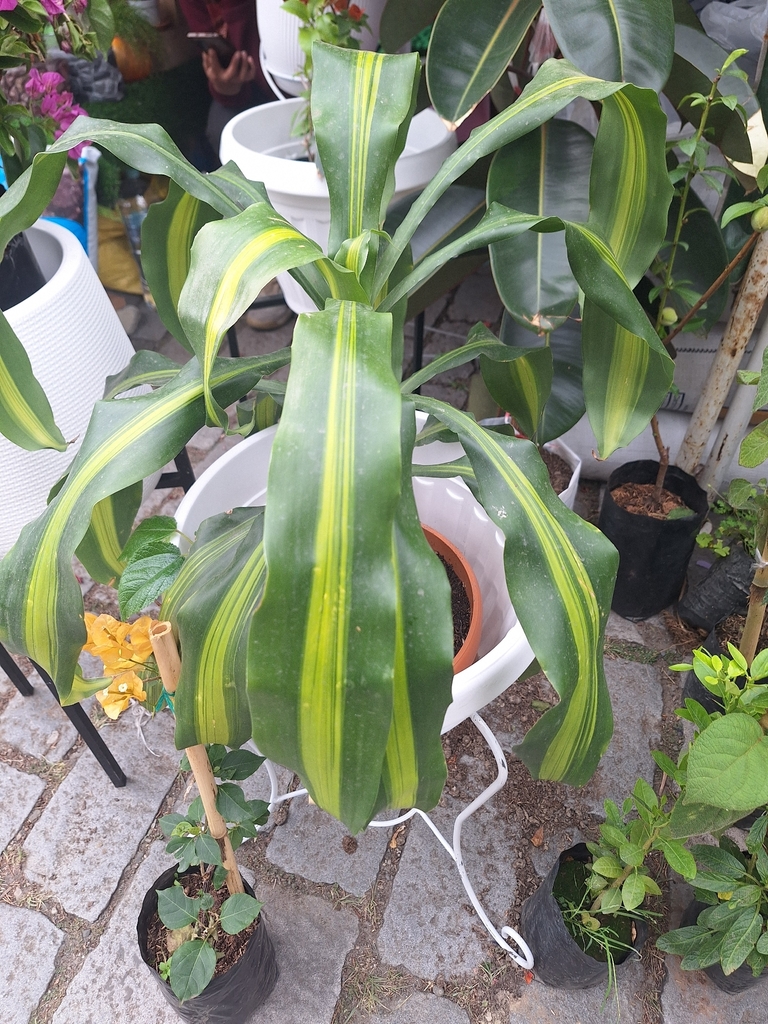
On this page
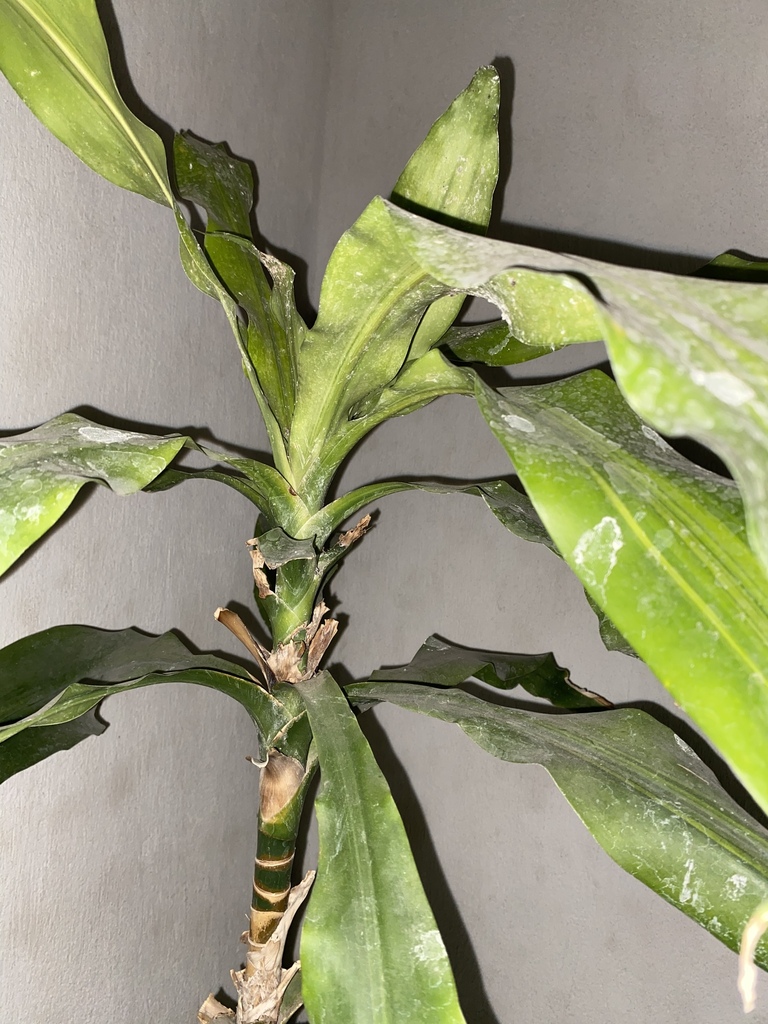
Lemon Lime is a Dracaena fragrans cultivar whose pale yellow-green stripes carry far less chlorophyll than a plain corn plant, so it needs brighter indirect light and grows more slowly. Like all dracaenas it is acutely sensitive to fluoride in tap water, which shows up as brown tips, use filtered or rainwater. It is toxic to cats and dogs (unusually for a non-aroid houseplant) and typically costs $20-$50. Base guide: Dracaena.
Key facts
- The chartreuse and white stripes contain little or no chlorophyll, so Lemon Lime needs noticeably more light than plain green Dracaena fragrans and grows perhaps a third slower.
- Dracaena is one of the most fluoride-sensitive houseplant genera in cultivation. Municipal tap water alone will produce brown, dead leaf tips over a few months.
- It is toxic to cats and dogs through saponins, not calcium oxalate, and causes vomiting, drooling and in cats dilated pupils. Cats are affected more severely than dogs.
- Lemon Lime is a close relative of 'Warneckii'. The same species, selected for brighter yellow rather than white-and-grey striping.
Care requirements (and how Lemon Lime differs from plain Dracaena)#
| Plant type | Indoor cane-forming foliage cultivar of Dracaena fragrans |
| Base species page | Dracaena (corn plant). Read this for the species baseline |
| Growing medium | Free-draining peat-free houseplant mix with perlite; same as the base species |
| Light needs | Bright indirect light. More than a plain green corn plant needs. In dim rooms the stripes dull toward green and the plant stretches. No direct midday sun |
| Water quality | The critical difference-maker. Dracaenas accumulate fluoride in leaf tips; use filtered, distilled or rainwater, and the pale striped tissue shows the damage more visibly than green leaves would |
| Water frequency | Every 10-14 days, when the top 5cm is dry. Slower growth means slower water use than the plain species |
| Humidity | 40-50%; average room humidity is adequate |
| Temperature range | 18-27°C (65-80°F); damaged below 12°C |
| Fertilizer | Half-strength balanced feed every 8 weeks in spring and summer only. Dracaenas are salt-sensitive and over-feeding worsens tip burn |
| Soil pH | 6.0-6.5 |
| Drainage needs | High: the thick cane rots from the base in waterlogged mix |
| Pot recommendation | Deep, stable pot; canes get top-heavy as they grow |
| Toxicity | Toxic to cats and dogs via saponins. Causes vomiting, drooling, appetite loss and dilated pupils in cats |
Growth & propagation#
| Mature size | 1.2-1.8m indoors, occasionally taller; leaves 30-60cm long |
| Growth rate | Slow to moderate. Roughly a third slower than plain green Dracaena fragrans because of the reduced chlorophyll |
| Propagation methods | Cane cuttings: cut the stem into sections, root the top in water or mix, and the remaining stump reshoots |
| Propagation difficulty | Beginner-friendly, though rooting takes 4-8 weeks |
| Repotting schedule | Every 2-3 years; it tolerates being rootbound and dislikes oversized pots |
| Pruning needs | Cut the cane at any height in spring to control size and force branching; the cut point sprouts two or three new heads |
Common problems & troubleshooting#
| Symptom | Likely cause | Fix |
|---|---|---|
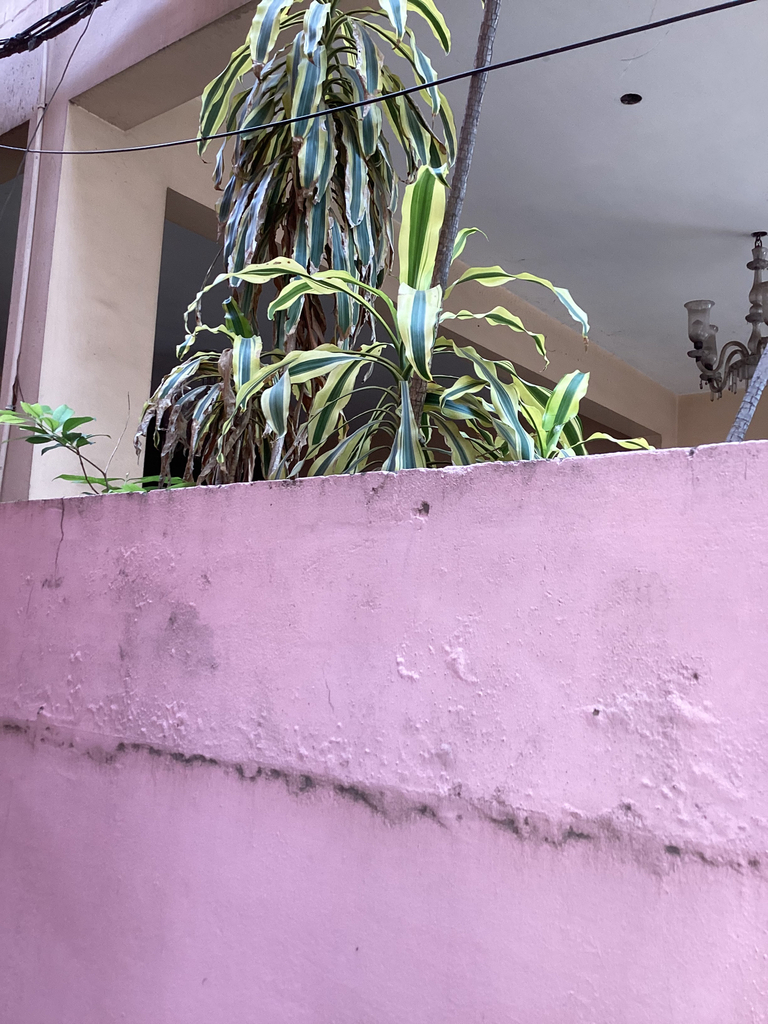
| Brown, dead leaf tips with a thin yellow halo | Fluoride toxicity from tap water. The classic dracaena problem, more visible on Lemon Lime's pale stripes | Switch permanently to filtered, distilled or rainwater and flush the pot to leach accumulated fluoride and salts |
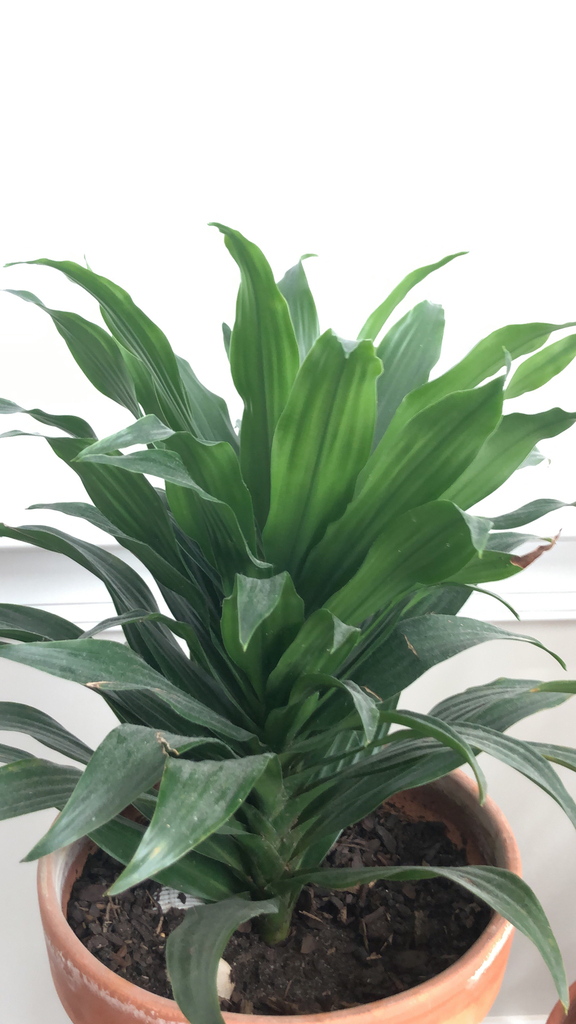
| Stripes fading from bright chartreuse toward plain green | Insufficient light. The Lemon Lime-specific failure | Move to a brighter position with strong indirect light; new leaves will emerge with proper colour, though existing ones will not recolour |
| Pale stripes bleaching white and scorching | Direct sun burning the low-pigment tissue, which burns before green tissue does | Pull back from the glass or filter with a sheer curtain |
| Soft, dark, foul-smelling cane base | Root and stem rot from overwatering, often in an oversized pot | Cut the cane above the rot, discard the wet mix, and re-root the healthy top section |
| Lower leaves yellowing and dropping steadily | Normal ageing if it is only the oldest few leaves; otherwise overwatering or cold | Remove spent leaves and check watering frequency and the room's minimum night temperature |
Brown tips have one usual culprit
Sodate factors your water type into this plant's quests, so you stop treating a fluoride problem as a humidity problem.
Seasonal care#
Varieties & cultivars#
| Variety | Distinguishing trait | Note |
|---|---|---|
| Dracaena fragrans 'Lemon Lime' (this plant) | Bright chartreuse-yellow, white and green striping | The brightest of the striped fragrans cultivars |
| Dracaena fragrans 'Warneckii' | White and grey-green striping, no yellow | The older sibling selection. See the Warneckii guide |
| Dracaena fragrans 'Massangeana' | Broad yellow central stripe on a plain green leaf | The classic corn plant; more shade-tolerant than Lemon Lime |
| Dracaena marginata | Thin red-edged leaves on wiry canes | A completely different look. See the Marginata guide |
Buying checklist#
- Stripes are genuinely yellow-chartreuse, not white. White striping means 'Warneckii', which is usually cheaper
- Leaf tips are green and intact; brown tips mean the plant has already been watered with fluoridated tap water
- Cane is firm all the way to soil level, with no soft or discoloured base
- Multiple heads on the cane give a fuller plant for the money
- Colour is bright rather than dull, indicating it was grown in adequate light
Pricing by region#
| Region | Price range | Typical unit | Basis |
|---|---|---|---|
| US | $20 – $50 | 8-10in pot | Nursery + big-box retail |
| UK | $19 – $48 | 17-21cm pot | Garden centre retail |
| India | $5 – $18 | 8in pot | Urban nursery retail |
| Australia | $23 – $55 | 200mm pot | Nursery retail |
| Canada | $22 – $52 | 8-10in pot | Garden centre retail |
USD figures are approximate conversions for comparison; switch the dropdown to see each region's actual local-currency listing price.
Often confused with#
Name confusion warning#
'Lemon Lime', 'Warneckii Lemon Lime' and 'Dracaena deremensis Lemon Lime' all refer to the same plant. Dracaena deremensis was folded into Dracaena fragrans. Do not pay extra for the longer botanical name.
Where it's actually grown#
Lemon Lime canes are grown in field nurseries in Central America and Southeast Asia, cut, shipped as bare canes, then rooted and finished by growers in Florida, the Netherlands and elsewhere. That cut-cane trade is why a tall plant is affordable and why fresh stock sometimes arrives with unrooted, unstable canes.
Import & biosecurity restrictions#
| Region | Note |
|---|---|
| Australia | Live plant imports restricted under biosecurity law; produced domestically from imported material. |
| US | Domestic sale unrestricted; cane imports require USDA phytosanitary clearance. |
| UK | Plant health certificates required for imports; grown strictly indoors. |
| India | No restriction. Indian tap water is frequently high in fluoride and salts, so filtered water matters more here than almost anywhere. |
| Canada | CFIA import permit required for commercial imports; domestic sale unrestricted. |
Similar plants
Did you know?
Frequently asked questions
How is Dracaena Lemon Lime different from a plain Dracaena?
Lemon Lime carries bright chartreuse and white stripes with far less chlorophyll, so it needs brighter indirect light, grows around a third more slowly, and costs somewhat more than a plain green corn plant.
Why does my Dracaena Lemon Lime have brown tips?
Almost always fluoride in tap water. Dracaenas accumulate it in the leaf tips, killing the tissue. Switch to filtered, distilled or rainwater and flush the pot to leach out what has built up.
Is Dracaena Lemon Lime toxic to cats and dogs?
Yes. Dracaenas contain saponins that cause vomiting, drooling and appetite loss, with dilated pupils in cats. Cats are affected more severely than dogs.
Why are my Lemon Lime's stripes turning green?
Not enough light. The pale striped tissue is low in chlorophyll, so in dim conditions new growth comes in greener. Move it to a brighter spot with strong indirect light.
How do I make a leggy Dracaena Lemon Lime bushier?
Cut the cane at whatever height you want in spring. The cut point normally sprouts two or three new heads, and the removed top can be rooted as a separate plant.