 Sodate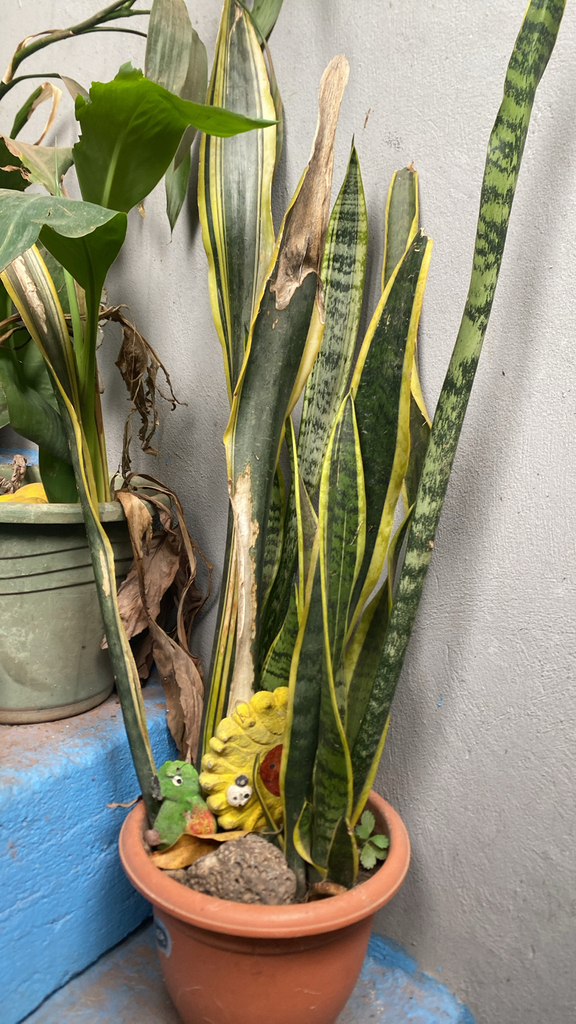
On this page
Snake plant tolerates nearly everything: low light, missed waterings, dry air, and neglect. Water every 2-6 weeks depending on season, only when soil is fully dry, and give it any light from dim to bright. The single way to kill it is overwatering. Mildly toxic to pets, and typically costs $15-$40.
Key facts
- Native to tropical West Africa; reclassified from the genus Sansevieria into Dracaena in 2017, though the old name persists everywhere in the trade.
- Uses CAM photosynthesis (like cacti), opening its pores at night. The basis of the popular claim it 'makes oxygen at night'.
- Tolerates light levels from dim corners to full sun. The widest light tolerance of almost any common houseplant.
- Mildly toxic to cats and dogs if chewed, causing nausea and vomiting.
Care requirements#
| Plant type | Indoor (can grow outdoors year-round in USDA 9-11) |
| Growing medium | Well-draining cactus/succulent mix |
| Light needs | Tolerates everything from low light to direct sun; grows fastest in bright indirect light |
| Water frequency | Every 2-4 weeks in the growing season, up to 6 weeks in winter; only when soil is fully dry |
| Humidity | Any household humidity is fine, including very dry air |
| Temperature range | 15-29°C (60-85°F); avoid prolonged cold below 10°C (50°F) |
| Fertilizer | Diluted balanced feed 2-3 times during spring-summer, optional |
| Soil pH | 5.5-7.5 (highly adaptable) |
| Drainage needs | Very high. Root rot from overwatering is the only common cause of death |
| Pot recommendation | Heavy terracotta prevents both waterlogging and tall-leaf tipping |
| Hardiness zone (outdoor) | USDA 9-11 |
| Toxicity | Mildly toxic to cats and dogs if chewed |
Growth & propagation#
| Mature height | 30cm-1.2m depending on variety |
| Growth rate | Slow: a few new leaves per year |
| Propagation methods | Division of rhizomes, or leaf cuttings in soil/water (cuttings of variegated types lose the yellow edge) |
| Propagation difficulty | Easy via division; leaf cuttings are slow (months) |
| Repotting schedule | Every 2-4 years. It actively prefers being rootbound, and strong rhizomes can crack plastic pots |
| Pruning needs | None beyond removing damaged leaves at the base |
Common problems & troubleshooting#
| Symptom | Likely cause | Fix |
|---|---|---|
| Mushy, collapsing leaves at the base | Overwatering. Effectively the only way this plant dies | Stop watering, remove rotted leaves, let soil dry completely; repot in gritty mix if rot is advanced |
| Wrinkled, curling leaves | Severe long-term underwatering | Water deeply; recovery takes a week or two |
| Leaves falling over/splaying | Low light over a long period or loose potting | Move brighter; repot firmly in a heavier pot |
| Brown, dry leaf tips | Cosmetic damage from cold, injury, or very dry air | Trim if desired. The tip won't regrow but the plant is unbothered |
Even this one has a watering rhythm
Sodate tracks the long, seasonal gaps between snake plant waterings so you neither forget it entirely nor kill it with kindness.
Seasonal care#
Varieties & cultivars#
| Variety | Distinguishing trait | Note |
|---|---|---|
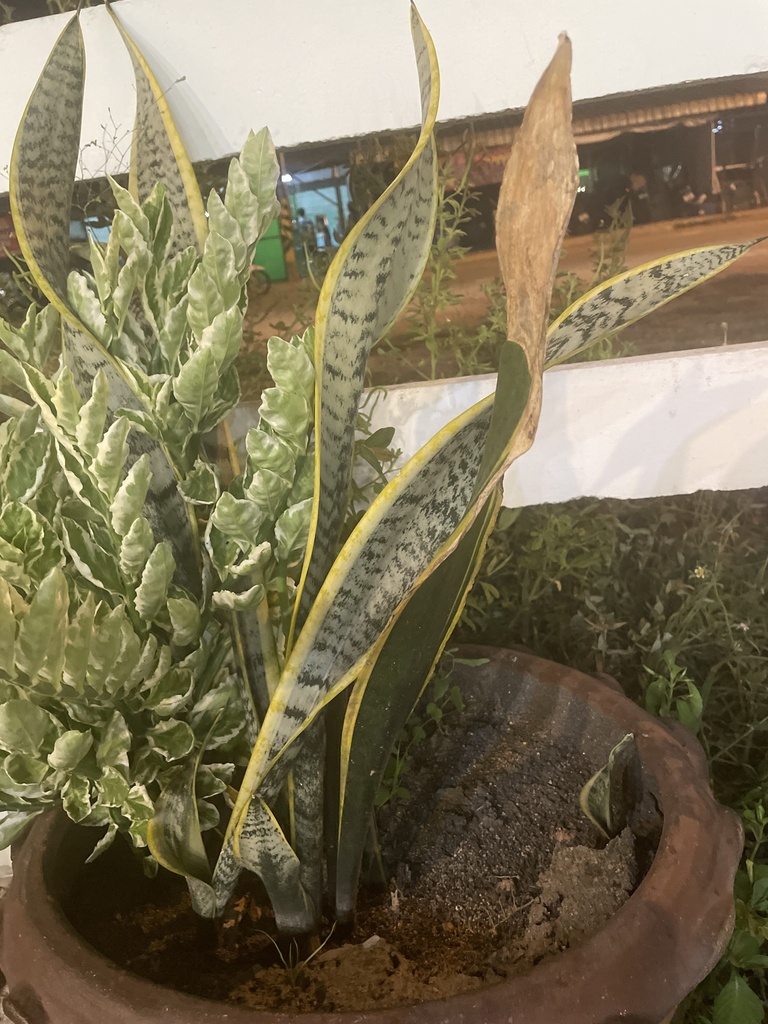
| 'Laurentii' | Yellow-edged tall leaves | The classic, most common form |
| 'Zeylanica' | Dark green with wavy banding, no yellow edge | Slightly hardier look-alike of Laurentii |
| 'Hahnii' (bird's nest) | Short rosette form under 30cm | Compact desk-sized variety |
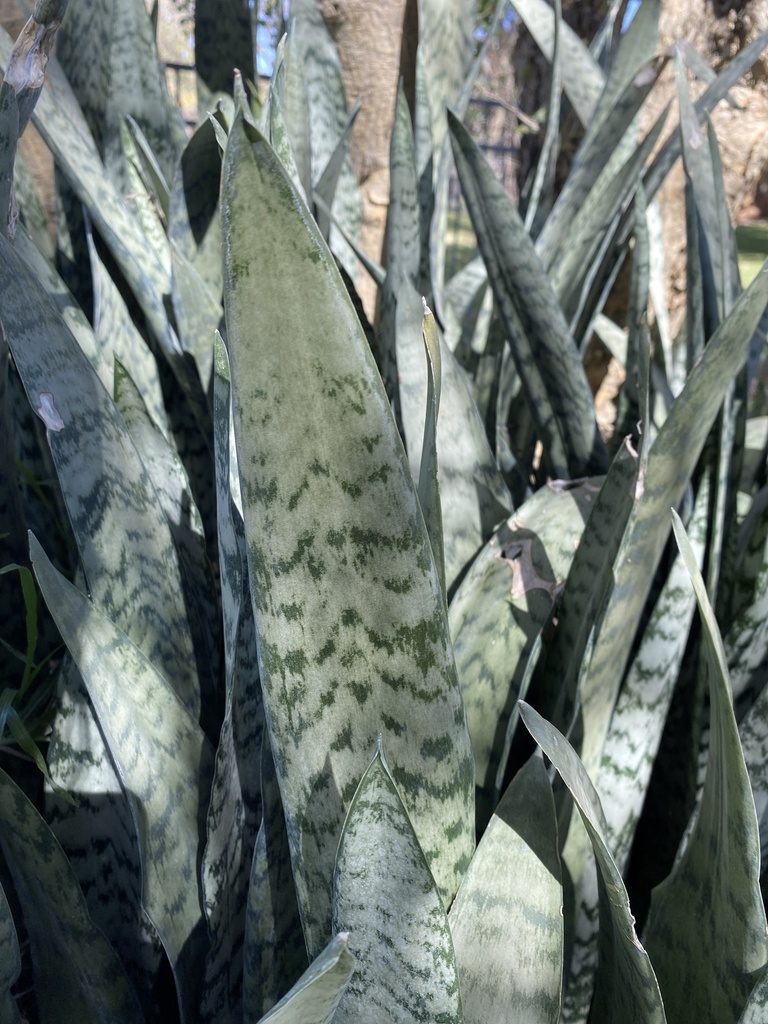
| 'Moonshine' | Pale silvery-green leaves | Popular modern variety |
| Dracaena cylindrica | Round, spear-like leaves | Often braided; same care |
Buying checklist#
- Leaves are firm and upright with no mushy patches at the soil line
- No wrinkling or inward curling
- Soil is dry or barely moist at purchase. Chronically wet nursery soil is a warning sign
- For variegated types, crisp defined margins indicate good light history
Pricing by region#
| Region | Price range | Typical unit | Basis |
|---|---|---|---|
| US | $15 – $40 | 6-10in pot | Big-box + nursery retail |
| UK | $12 – $32 | 14-21cm pot | Garden centre retail |
| India | $2 – $6 | 6-10in pot | Urban nursery retail |
| Australia | $14 – $38 | 150-250mm pot | Nursery + garden centre |
| Canada | $15 – $38 | 6-10in pot | Garden centre retail |
USD figures are approximate conversions for comparison; switch the dropdown to see each region's actual local-currency listing price.
Often confused with#
Name confusion warning#
Sansevieria vs. Dracaena. Botanists moved snake plants into the genus Dracaena in 2017 based on DNA evidence, but nearly every shop still labels them Sansevieria. Both names refer to exactly the same plant.
Where it's actually grown#
Snake plants are mass-produced by rhizome division and leaf cuttings in nurseries across Florida, Central America, China, and India. Their near-indestructibility in shipping makes them one of the lowest-loss plants in the wholesale trade, helping keep prices low.
Import & biosecurity restrictions#
| Region | Note |
|---|---|
| Australia | Live plant imports restricted under biosecurity law; abundant domestic supply. |
| US | Domestic sale unrestricted; naturalized (and considered weedy) in parts of Florida. Avoid planting in the ground there. |
| UK | No specific restriction; grown as a houseplant. |
| India | No restriction; extremely common and cheap in domestic nurseries. |
| Canada | CFIA permits required for commercial imports; grown as a houseplant. |
Similar plants
Ranked in these guides
Did you know?
Frequently asked questions
How often should I water a snake plant?
Every 2-4 weeks in the growing season and as little as every 6 weeks in winter. Only when the soil is completely dry. Overwatering is the only common way to kill it.
Can snake plants live in low light?
Yes. They tolerate everything from dim corners to direct sun, though growth is fastest in bright indirect light.
Is snake plant pet-safe?
No, it's mildly toxic to cats and dogs if chewed, typically causing nausea and vomiting.
Is Sansevieria the same as snake plant?
Yes. Botanists reclassified the genus into Dracaena in 2017, but shops still widely use the old name Sansevieria for the identical plant.
Does snake plant really produce oxygen at night?
Technically yes, it uses CAM photosynthesis and opens its pores at night, but the amount is negligible for room air quality.