 Sodate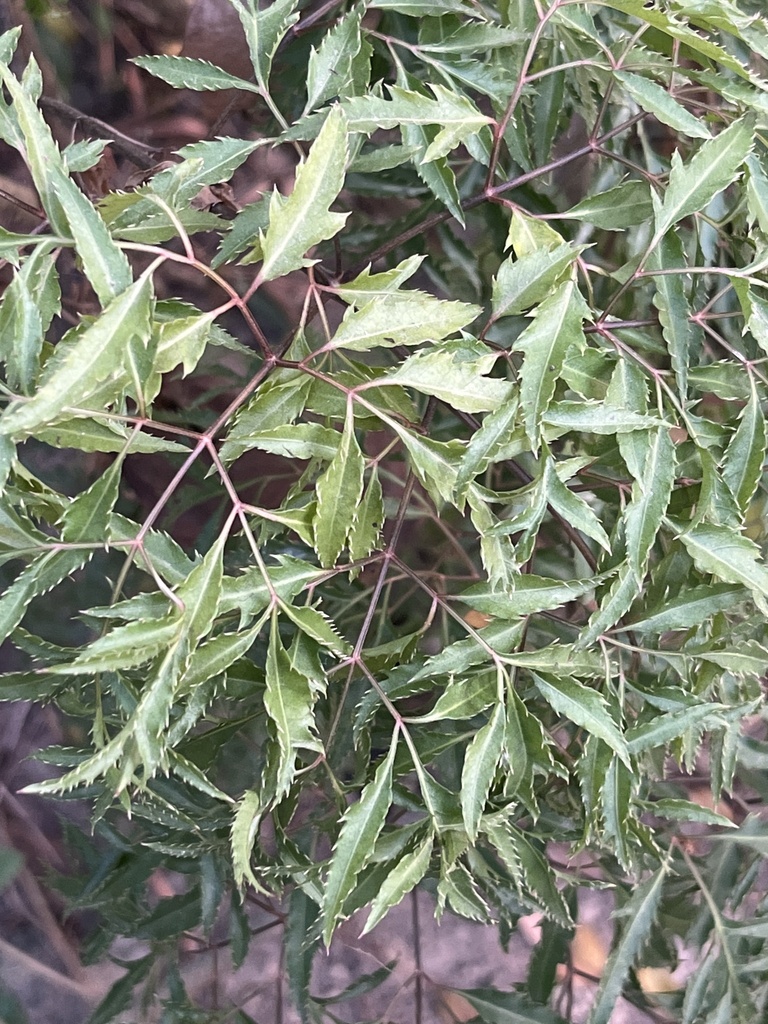
On this page
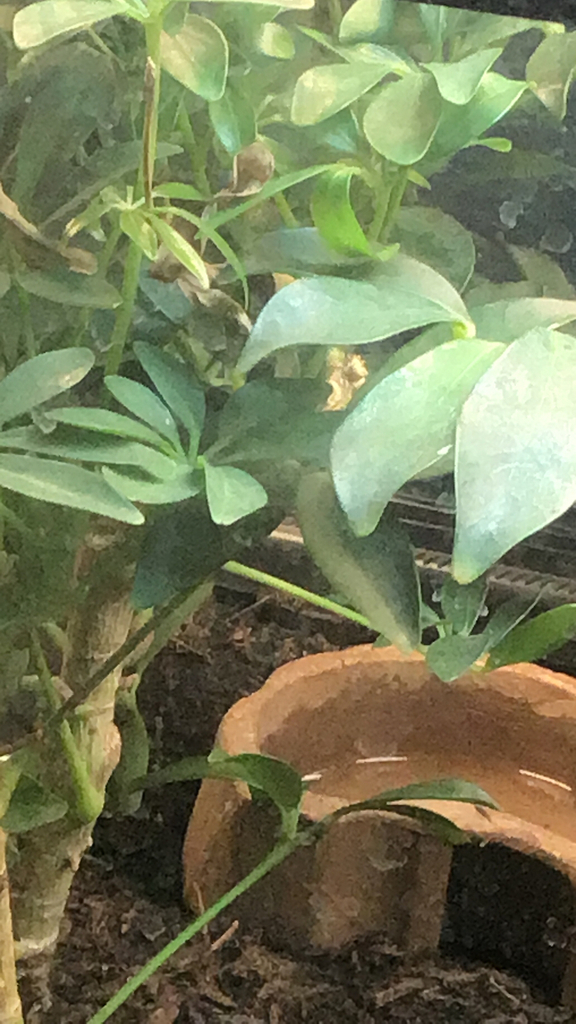
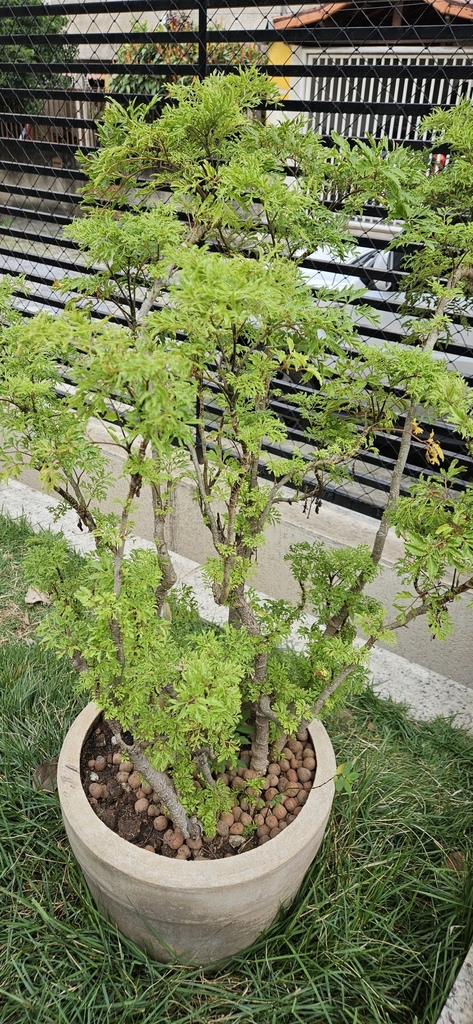
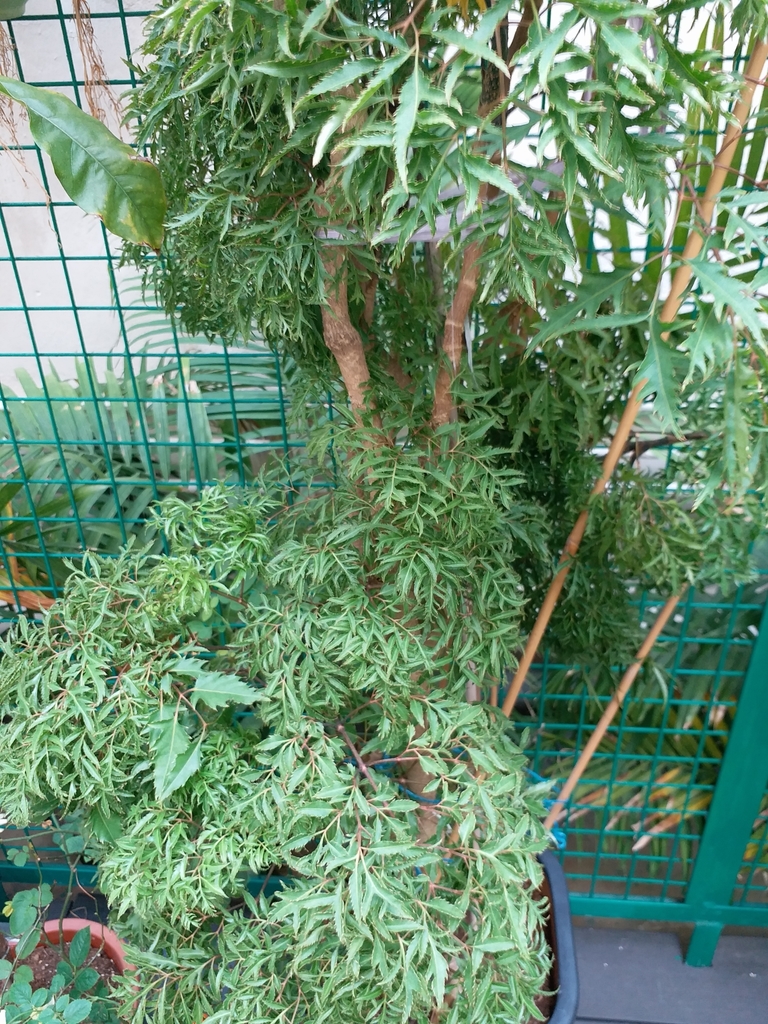
The ming aralia looks like a ready-made bonsai: gnarled stems topped with lacy, ferny foliage. It wants warmth, stability, and even moisture. It drops leaves dramatically when moved, chilled, or left in a draft, then regrows once conditions settle. Note it is mildly toxic to cats and dogs (it contains saponins), so it is not a pet-safe pick despite sometimes being sold as one. Typically $20-$70.
Key facts
- Native to the Pacific islands and Southeast Asia, where it is grown as a hedge and its leaves are used in traditional cooking and medicine.
- Famously fussy about change: moving it, cold drafts, or sudden light shifts trigger heavy leaf drop, though it usually re-leafs once left alone.
- Naturally self-miniaturizing habit makes it one of the most popular tropical species for indoor bonsai.
- Mildly toxic to cats and dogs. It contains saponins that can cause vomiting, drooling, and skin irritation. It is often mislabeled as pet-safe; it is not.
Care requirements#
| Plant type | Indoor (outdoors year-round only in USDA 11-12) |
| Growing medium | Light, well-draining peat/coir mix with perlite; slightly moisture-retentive |
| Light needs | Bright indirect light; tolerates medium light with slower, sparser growth; no harsh direct sun |
| Water frequency | When the top 2-3cm of soil dries. Keep evenly, lightly moist; both drought and soggy soil cause leaf drop |
| Humidity | Prefers 50%+; tolerates average rooms but drops leaflets in very dry air |
| Temperature range | 18-29°C (65-85°F); keep above 15°C (60°F) and away from cold drafts and AC vents |
| Fertilizer | Half-strength balanced feed monthly in spring-summer |
| Soil pH | 6.0-6.5 |
| Drainage needs | Good: roots rot quickly in stagnant wet soil |
| Pot recommendation | Snug pot with drainage; it flowers along happily slightly root-bound |
| Hardiness zone (outdoor) | USDA 11-12 |
| Toxicity | Mildly toxic to cats and dogs (saponins); sap can irritate skin. Keep away from chewing pets |
Growth & propagation#
| Mature size | 1-2m indoors after many years; up to 5m as an outdoor shrub in the tropics |
| Growth rate | Slow: a few centimeters of new growth per season indoors |
| Propagation methods | Stem cuttings in warm, humid conditions; air layering for thick stems |
| Propagation difficulty | Moderate: cuttings root reliably with bottom heat and high humidity, slowly without |
| Repotting schedule | Every 2-3 years in spring; it tolerates being root-bound well |
| Pruning needs | Prune tips any time to shape; it back-buds readily, which is why bonsai growers love it |
Common problems & troubleshooting#
| Symptom | Likely cause | Fix |
|---|---|---|
| Sudden heavy leaf drop | Change: relocation, cold draft, temperature dip, or a big swing in watering | Put it somewhere warm and bright, keep care consistent, and wait. It almost always re-leafs within weeks |
| Leaflets crisping and shedding gradually | Low humidity or underwatering | Water more evenly and raise humidity with a humidifier or pebble tray |
| Yellowing leaves and a sour-smelling pot | Overwatering and root rot | Repot into fresh, draining mix, trim mushy roots, and water only when the top layer dries |
| Sticky residue and small bumps on stems | Scale insects or mealybugs, common on aralia stems | Wipe off with alcohol-dipped swabs and treat repeatedly with horticultural oil |
| Skin irritation after pruning | The sap contains saponins that irritate some people's skin | Wear gloves when pruning and wash hands afterward |
Stability is this plant's whole care plan
Sodate keeps ming aralia waterings even and predictable. The moisture swings are what trigger its infamous leaf drop.
Seasonal care#
Varieties & cultivars#
| Variety | Distinguishing trait | Note |
|---|---|---|
| Polyscias fruticosa 'Elegans' | Denser, more compact form with tighter foliage | Popular for bonsai and dish gardens |
| Polyscias scutellaria (balfour aralia) | Rounded, cupped leaves instead of lacy ones | A related species sold alongside ming aralia |
| Polyscias guilfoylei (geranium aralia) | Broader, variegated white-edged leaflets | Coarser texture, same care |
Buying checklist#
- Full canopy with no large bare stem sections (evidence of recent stress-shedding)
- Stems firm and gnarled, not soft at the soil line
- No sticky residue or brown bumps on stems (scale)
- Buy locally in cold months. Winter shipping alone can trigger total leaf drop
Pricing by region#
| Region | Price range | Typical unit | Basis |
|---|---|---|---|
| US | $20 – $70 | 6-10in pot | Nursery + online houseplant retail |
| UK | $20 – $75 | 13-21cm pot | Houseplant retail (less common) |
| India | $2 – $12 | 6-10in pot | Urban nursery (common hedge/pot plant) |
| Australia | $20 – $80 | 140-200mm pot | Nursery + specialist retail |
| Canada | $22 – $80 | 6-10in pot | Garden centre + online retail |
USD figures are approximate conversions for comparison; switch the dropdown to see each region's actual local-currency listing price.
Often confused with#
Name confusion warning#
Not reliably labeled on pet safety. Ming aralia is sometimes marketed as pet-friendly, but Polyscias contains saponins and is listed as toxic to cats and dogs, typically causing vomiting and drooling if chewed. Treat it as a mildly toxic plant.
Where it's actually grown#
Commercial ming aralias are propagated from cuttings in tropical foliage nurseries in Florida, Hawaii, Thailand, and Indonesia; older bonsai-style specimens are field-grown for years in Southeast Asia before export.
Import & biosecurity restrictions#
| Region | Note |
|---|---|
| Australia | Live plant imports restricted under biosecurity law; available from domestic tropical nurseries. |
| US | Domestic sale unrestricted; grown in Florida and Hawaii. |
| UK | No specific restriction; imported via EU nurseries, less common than mainstream foliage plants. |
| India | No restriction; widely grown as a pot and hedge plant in warm regions. |
| Canada | CFIA permits required for commercial imports; sold through specialist retailers. |
Similar plants
Did you know?
Frequently asked questions
Is ming aralia safe for cats and dogs?
No. It is mildly toxic to both, containing saponins that can cause vomiting, drooling, and skin irritation, despite sometimes being sold as pet-safe.
Why is my ming aralia dropping leaves?
Almost always a reaction to change. Relocation, drafts, cold, or watering swings; stabilize its conditions and it typically regrows within weeks.
How fast does ming aralia grow?
Slowly. A few centimeters a season indoors, which is exactly why old, gnarled specimens are prized and priced like bonsai.
Can I prune a ming aralia hard?
Yes, it back-buds readily from old wood; prune in spring and wear gloves as the sap can irritate skin.
How much does a ming aralia cost?
Young plants run $20-$70 in the US; mature bonsai-form specimens can cost several hundred dollars.