 Sodate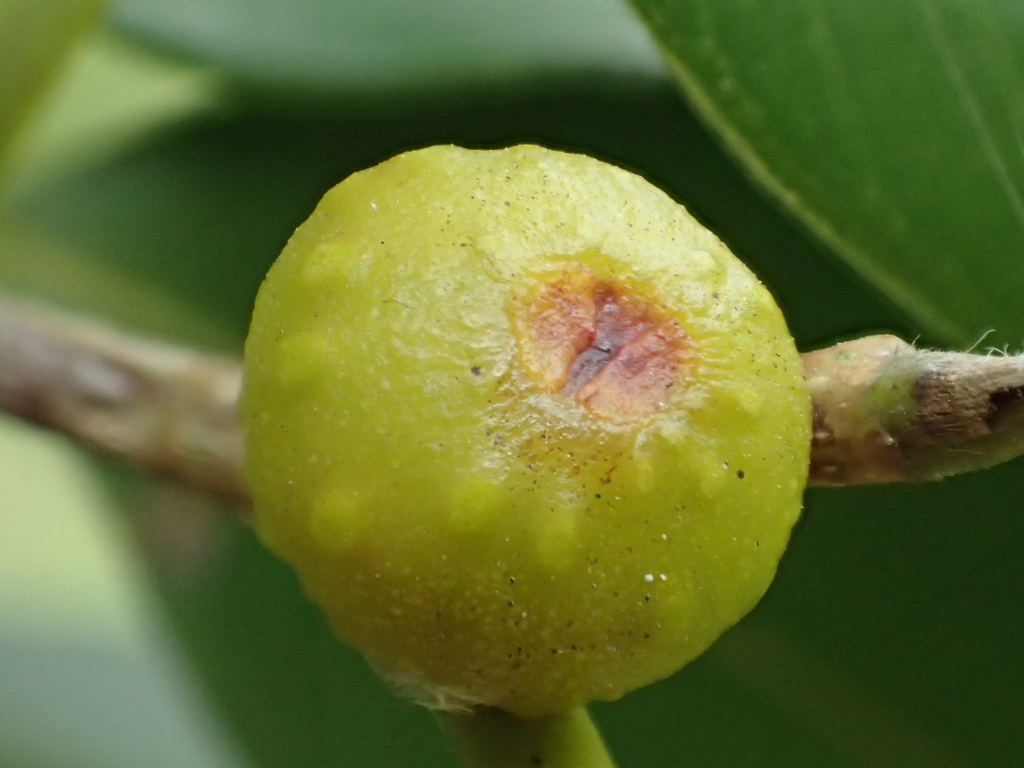
On this page
The weeping fig is the most tree-like of the common houseplants and the most notorious leaf-dropper: move it, change its light, or hit it with a draft and it can shed hundreds of leaves in protest. The fix is boring consistency: one bright spot, steady watering, no relocations. Its milky sap is toxic to pets and a known allergen for some people. Typically $15-$40.
Key facts
- The most famous leaf-dropper in the houseplant world: any change in light, position, or temperature triggers heavy shedding. It nearly always releafs once conditions stabilize.
- Milky latex sap is toxic to cats and dogs and a recognized allergen: ficus latex cross-reacts with rubber latex allergy in sensitive people.
- Can live for decades indoors and takes pruning and braiding well; braided-trunk specimens are standard nursery products.
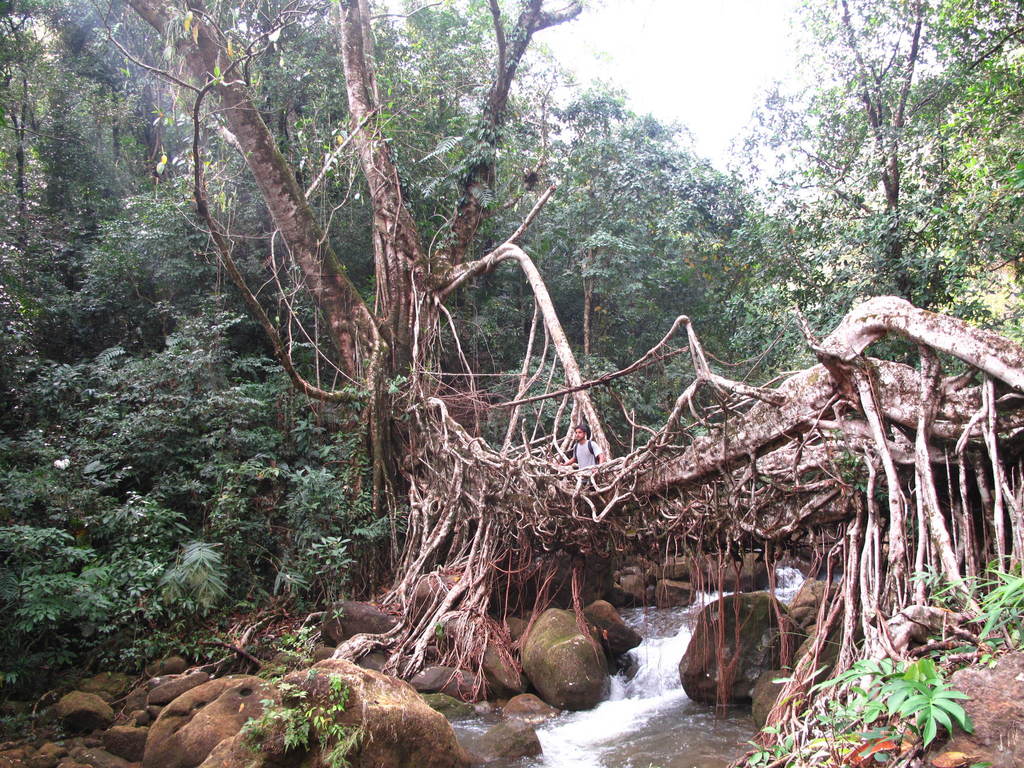
- In the tropics it becomes a massive banyan-like tree whose roots crack pavements, and it's considered invasive in parts of Florida and elsewhere.
Care requirements#
| Plant type | Indoor tree; outdoor tree in USDA 10-12 |
| Growing medium | Rich, well-draining potting mix |
| Light needs | Bright indirect light with some gentle morning sun; keep the light direction constant |
| Water frequency | When the top 3-5cm of soil dries, roughly weekly; consistent moisture matters more than exact frequency |
| Humidity | Moderate (40-60%); tolerates average homes |
| Temperature range | 18-27°C (65-80°F); avoid drafts, vents, and anything below 13°C (55°F) |
| Fertilizer | Balanced liquid feed monthly in spring-summer |
| Soil pH | 6.0-6.5 |
| Drainage needs | Good; soggy soil triggers the same leaf drop as drought |
| Pot recommendation | Heavy pot with drainage; repot rarely, it prefers being slightly rootbound |
| Hardiness zone (outdoor) | USDA 10-12 |
| Toxicity | Toxic to cats and dogs; latex sap irritates skin and can trigger latex allergies |
Growth & propagation#
| Mature size | 1.8-3m indoors; up to 30m in the tropics |
| Growth rate | Moderate; 20-30cm per year in a settled, bright spot |
| Propagation methods | Stem cuttings with a node, rooted in water or moist mix; air layering for thick branches |
| Propagation difficulty | Moderate; cuttings root in 3-6 weeks with warmth and humidity |
| Repotting schedule | Every 2-3 years at most; expect leaf drop after repotting |
| Pruning needs | Prune in late winter to shape; it tolerates hard cutting and sap-seals quickly (wear gloves) |
Common problems & troubleshooting#
| Symptom | Likely cause | Fix |
|---|---|---|
| Massive leaf drop after moving, repotting, or bringing it home | Relocation stress; Ficus benjamina recalibrates to any change by shedding | Do nothing drastic: keep it in one bright spot, water normally, and wait; new leaves emerge in 3-6 weeks |
| Steady leaf drop with yellowing, soil stays wet | Overwatering or poor drainage | Let the top few cm dry before watering, check the pot drains, and trim any rotted roots |
| Green leaves dropping with dry, pulling-away soil | Underwatering | Water thoroughly until it drains; set a consistent schedule rather than reacting to droop |
| Sticky film on leaves and floor beneath | Scale insects, a classic ficus pest | Wipe stems with alcohol swabs and treat with horticultural oil every 1-2 weeks until clear |
| Leaves pale and dropping on the side facing the room | One-sided or reduced light after seasonal change | Keep it near the window as seasons shift; if you must rotate, do it gradually |
Stability is the whole trick
Sodate keeps watering perfectly consistent, removing the one variable you can control for a fig that hates surprises.
Seasonal care#
Varieties & cultivars#
| Variety | Distinguishing trait | Note |
|---|---|---|
| 'Starlight' | Leaves heavily edged in creamy white | Needs brighter light than green forms |
| 'Danielle' | Very dark green, glossy, slightly wavy leaves | The common modern retail form; holds leaves better than older strains |
| 'Golden King' | Grey-green leaves with ivory margins | Classic variegated form |
Buying checklist#
- Dense canopy with no large bare patches inside
- No sticky residue or brown bumps on stems (scale)
- Straight or well-braided trunk, stable in the pot
- Plan its permanent bright spot before buying; every future move costs leaves
Pricing by region#
| Region | Price range | Typical unit | Basis |
|---|---|---|---|
| US | $15 – $40 | 6-10in pot | Big-box + nursery retail |
| UK | $13 – $44 | 14-21cm pot | Garden centre retail |
| India | $2 – $7 | 8-10in pot | Nursery retail; also a common landscape tree |
| Australia | $13 – $39 | 200-250mm pot | Nursery + garden centre |
| Canada | $15 – $44 | 6-10in pot | Garden centre retail |
USD figures are approximate conversions for comparison; switch the dropdown to see each region's actual local-currency listing price.
Often confused with#
Name confusion warning#
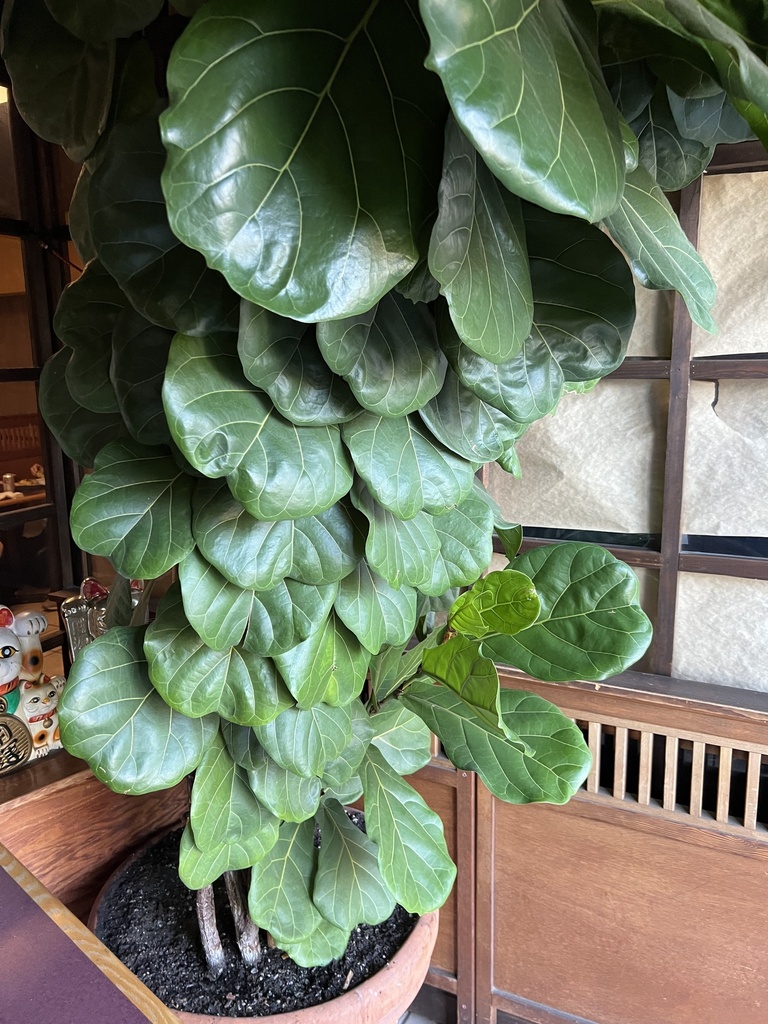
"Ficus" is not one plant. Shops label weeping fig, rubber plant, fiddle leaf fig, and ginseng ficus all as "ficus," but their care differs; benjamina is the only one with a hair-trigger leaf-drop response. Check for Ficus benjamina on the label.
Where it's actually grown#
Grown from cuttings in enormous foliage nurseries in Florida, the Netherlands, and southern China; braided-trunk and standard forms are trained for one to two years before export, and much European stock ships as young trees from Sri Lanka and India for finishing.
Import & biosecurity restrictions#
| Region | Note |
|---|---|
| Australia | Live plant imports restricted under biosecurity law; the species also has weed potential in warm regions and roots damage pipes when planted out. |
| US | Domestic sale unrestricted; naturalized/invasive in parts of Florida, where planting in the ground is discouraged. |
| UK | No specific restriction; houseplant only. |
| India | No restriction; native to the region and common as both houseplant and street tree. |
| Canada | CFIA permits required for commercial imports; houseplant only. |
Similar plants
Did you know?
Frequently asked questions
Why is my weeping fig dropping so many leaves?
Almost always a change: new home, moved pot, season shift, draft, or a watering swing. Stabilize its conditions and it typically releafs within weeks.
Is Ficus benjamina toxic to cats and dogs?
Yes. The milky sap causes drooling, vomiting, and skin irritation in pets, and can trigger reactions in people with latex allergy.
Where should I put a weeping fig?
One permanently bright spot with indirect light and no drafts. It rewards consistency and punishes relocation.
How big does a weeping fig get indoors?
With time, 1.8-3m; regular pruning keeps it at any size you like.
How much does a weeping fig cost?
Small plants run $15-$40 in the US; braided floor-height trees typically cost $60-$150.