 Sodate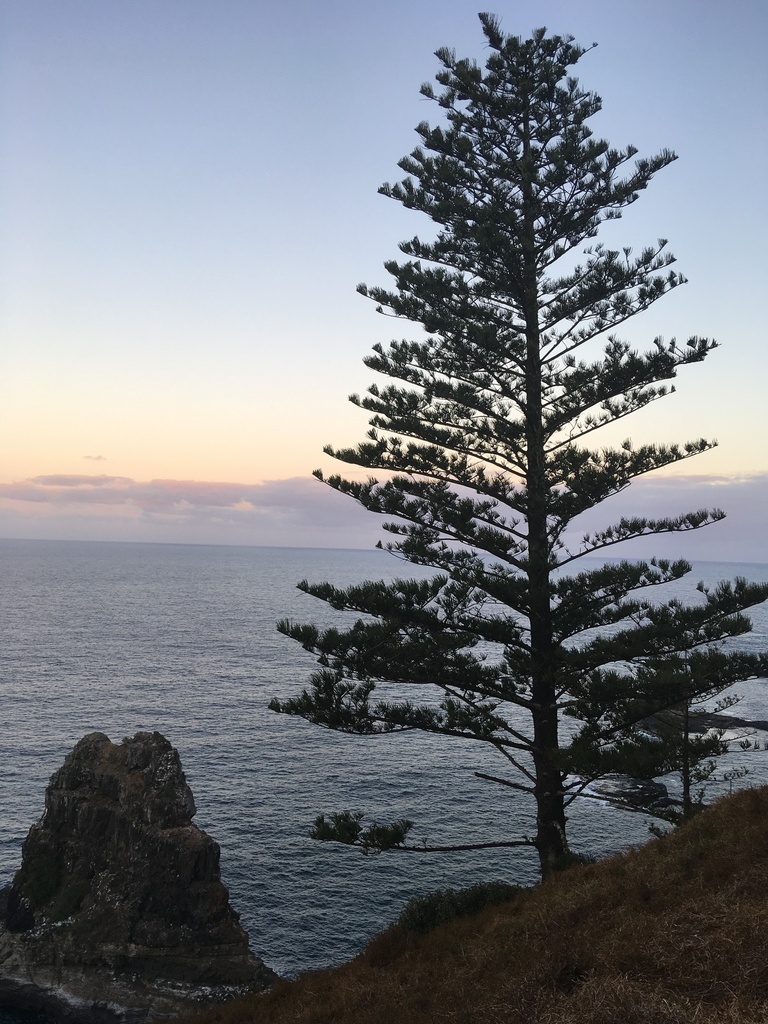
On this page
Despite the name, this is not a pine and not frost-hardy: it's a subtropical tree that dies in a freeze, which is why millions bought as Christmas decor get discarded each January when they could live for decades indoors. Give it bright light, even moisture, and decent humidity, and never cut the top: it can't regrow its shape. Typically $15-$50 (far more at Christmas).
Key facts
- Not a true pine: it belongs to Araucariaceae, an ancient conifer family from the Southern Hemisphere that predates the dinosaurs' extinction.
- Frost-tender: damaged below about 2°C and killed by a hard freeze, so it cannot live outdoors in most of the US, UK, or Canada.
- Millions are sold as tabletop Christmas trees and thrown away in January, yet a kept plant can live for decades indoors and reach 2-3m.
- Never top it: a conifer with a single central leader cannot regrow its symmetrical shape once the tip is cut.
Care requirements#
| Plant type | Indoor houseplant; outdoor tree only in USDA 10-11 |
| Growing medium | Peat-based potting mix with sand or perlite for drainage |
| Light needs | Bright light, ideally some direct sun; rotate weekly so it grows straight |
| Water frequency | When the top 2-3cm of soil dries, roughly weekly; never let the rootball dry out fully |
| Humidity | Moderate to high (50%+); dry winter air browns branch tips |
| Temperature range | 16-24°C (60-75°F); damaged below 2°C (35°F) |
| Fertilizer | Balanced liquid feed monthly in spring-summer |
| Soil pH | 5.5-6.5, slightly acidic |
| Drainage needs | Good; soggy soil kills lower branches first |
| Pot recommendation | Deep, stable pot with drainage; the tree gets top-heavy |
| Hardiness zone (outdoor) | USDA 10-11 |
| Toxicity | Not seriously toxic, but needles can cause mild stomach upset in pets if eaten |
Growth & propagation#
| Mature size | 1.5-3m indoors over decades; 30-60m in habitat |
| Growth rate | Slow indoors; one new tier of branches per year |
| Propagation methods | Seed only for a proper tree; cuttings from side branches never form an upright leader |
| Propagation difficulty | Impractical at home; buy nursery seed-grown plants |
| Repotting schedule | Every 2-3 years in spring, moving up one pot size |
| Pruning needs | Only remove fully dead lower branches; never cut the central leader |
Common problems & troubleshooting#
| Symptom | Likely cause | Fix |
|---|---|---|
| Whole lower tiers turning brown and dropping | Low humidity, underwatering, or too little light; lower branches never regrow | Raise humidity, keep soil evenly moist, and give the brightest spot available; remove dead tiers cleanly |
| Branch tips brown and crispy | Dry indoor air, especially near heaters in winter | Move away from heat sources and run a humidifier or group with other plants |
| Plant leaning or curving toward the window | One-sided light | Rotate the pot a quarter turn weekly |
| Sudden decline after a cold night by the window or a January curbside stint | Chill injury; this subtropical tree is damaged near freezing | Keep above 10°C at all times; badly frozen tissue will not recover |
| Weak, floppy, pale new growth | Insufficient light | Move to bright light with some direct sun; growth firms up on the next tier |
Don't let the Christmas tree die in February
Sodate keeps post-holiday watering on schedule, the exact stretch when most Norfolk pines get forgotten.
Seasonal care#
Buying checklist#
- A single straight central leader; a topped or kinked leader never recovers its shape
- Green, flexible branches down to the lowest tier
- Buying at Christmas? Check it hasn't sat by a cold shop door; chilled plants decline weeks later
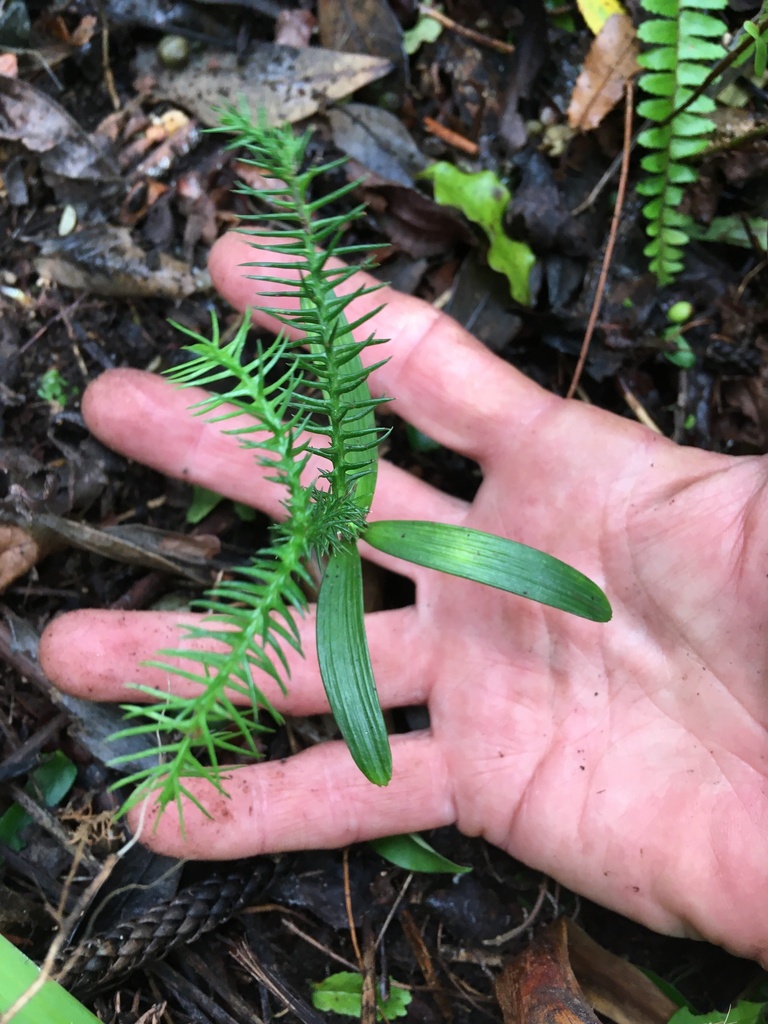
- Several seedlings are often potted together; separate them young if you want single specimen trees
Pricing by region#
| Region | Price range | Typical unit | Basis |
|---|---|---|---|
| US | $15 – $50 | 6-10in pot | Big-box + nursery; prices spike in December |
| UK | $15 – $50 | 13-19cm pot | Garden centre retail, seasonal availability |
| India | $2 – $9 | 8-12in pot | Nursery retail; popular decorative plant |
| Australia | $13 – $46 | 200-300mm pot | Nursery retail; also a common landscape tree in coastal areas |
| Canada | $15 – $44 | 6-10in pot | Garden centre; heavily stocked before Christmas |
USD figures are approximate conversions for comparison; switch the dropdown to see each region's actual local-currency listing price.
Often confused with#
Name confusion warning#
Not a pine, and often not even a Norfolk pine. True pines (Pinus) are frost-hardy; this Araucaria dies in a freeze, so "plant the Christmas tree outside" advice is fatal in most climates. Studies of US retail stock have also found many plants sold as Norfolk Island pine are actually the near-identical Cook pine (Araucaria columnaris).
Where it's actually grown#
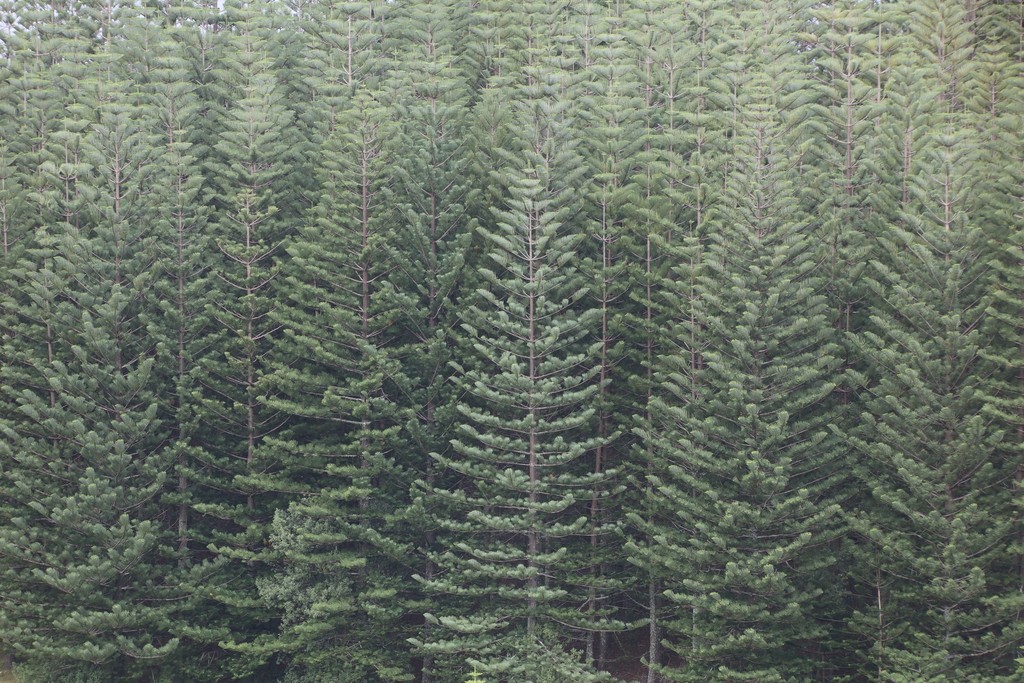
Commercial stock is seed-grown in subtropical nurseries, with Florida supplying most of the North American holiday market; seeds are collected from plantation trees since Norfolk Island itself exports little live stock.
Import & biosecurity restrictions#
| Region | Note |
|---|---|
| Australia | Live plant imports restricted under biosecurity law; the species is widely planted domestically along the east coast. |
| US | Domestic sale unrestricted; hardy outdoors only in Florida, Hawaii, coastal California, and similar frost-free zones. |
| UK | No specific restriction; strictly a houseplant or conservatory tree, it cannot survive UK winters outside. |
| India | No restriction; grown as a decorative pot plant and landscape tree in milder regions. |
| Canada | CFIA permits required for commercial imports; houseplant only, never hardy outdoors. |
Similar plants
Did you know?
Frequently asked questions
Can I plant my Norfolk Island pine outside after Christmas?
Only in frost-free climates (USDA 10-11). It's a subtropical tree, not a true pine, and a hard freeze kills it. Everywhere else, keep it as a houseplant.
Is Norfolk Island pine toxic to cats and dogs?
It's not seriously toxic, but chewed needles can cause mild vomiting or stomach upset in pets, so discourage nibbling.
Why are the bottom branches of my Norfolk pine dying?
Usually dry air, dry soil, or low light. Fix the conditions, but know that dropped lower tiers never regrow; the tree only adds height.
How long can a Norfolk Island pine live indoors?
Decades. Many houseplants sold as tabletop Christmas trees are still alive 30+ years later at 2-3m tall.
Can I trim the top to keep it short?
No. Cutting the central leader permanently ruins the symmetrical shape; it can't regrow a proper top. Control size with pot size and slower feeding instead.