 Sodate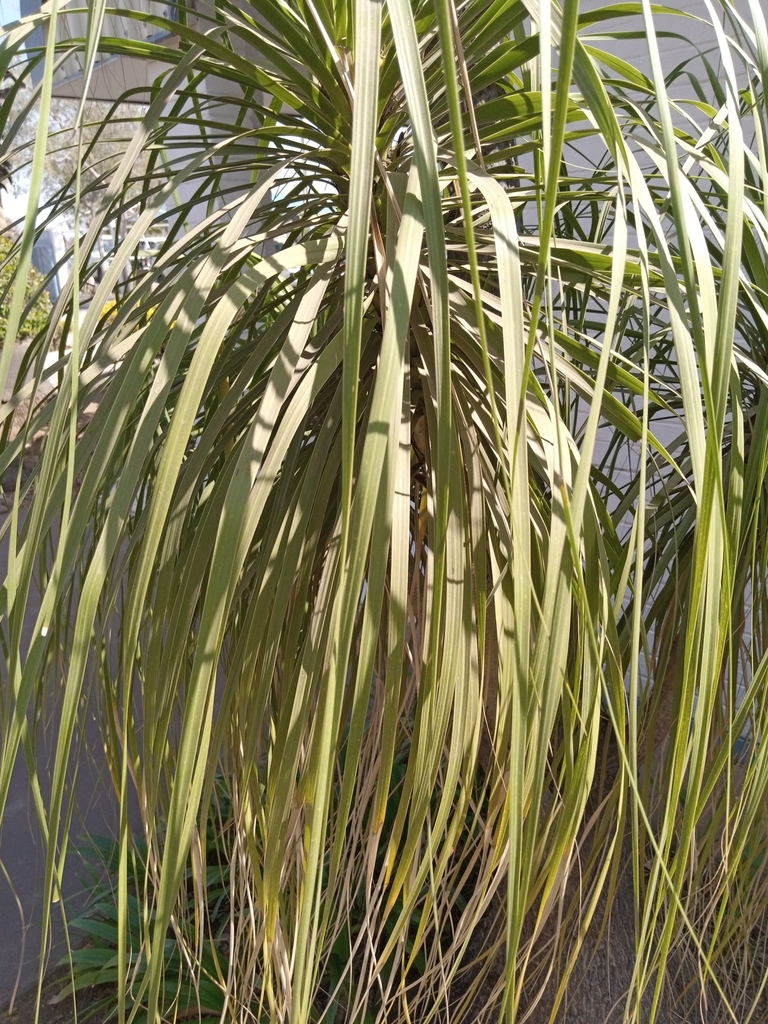
On this page
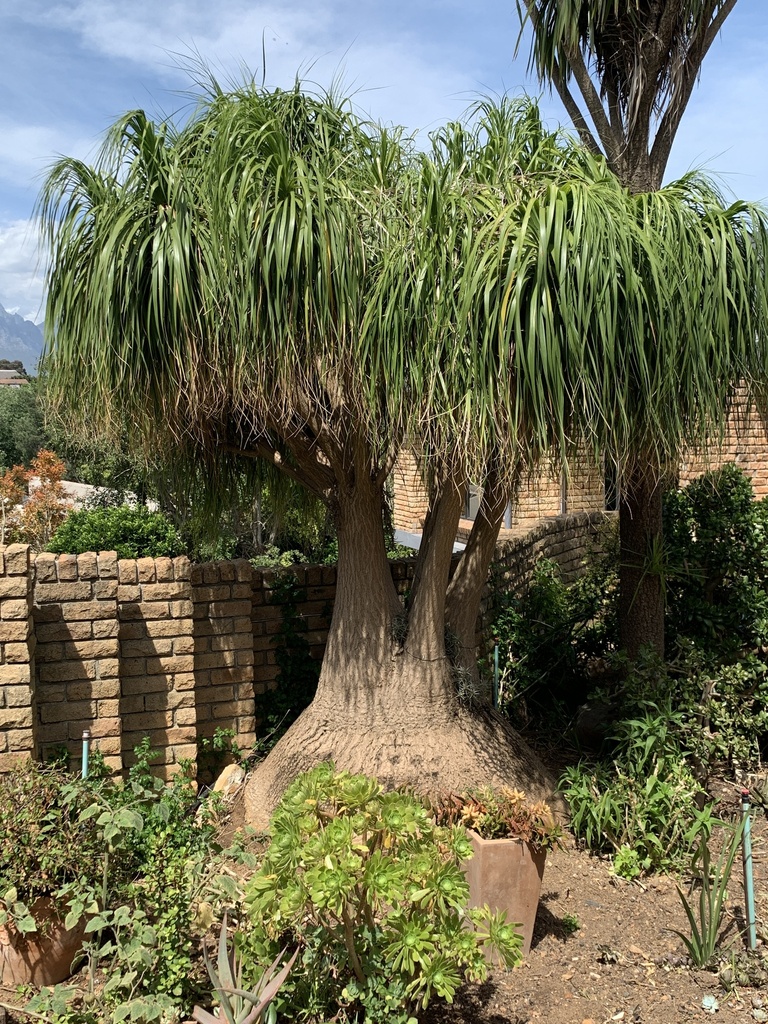
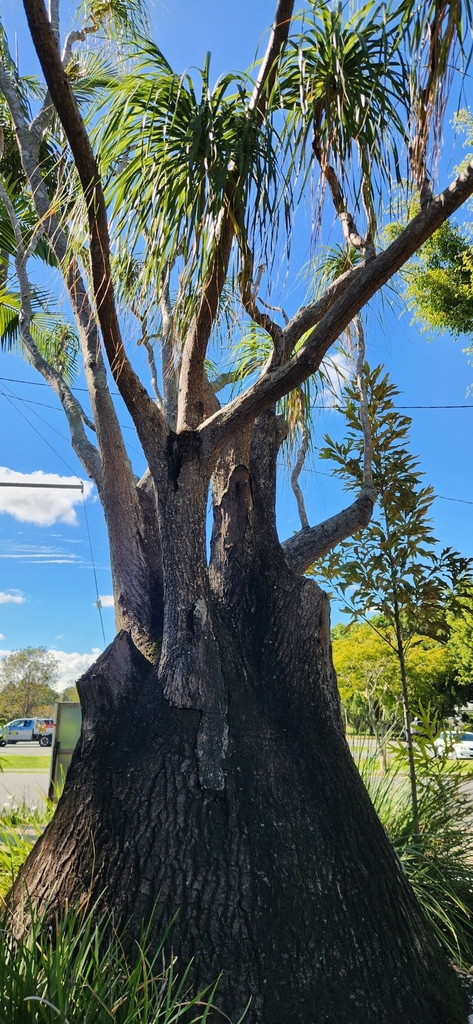
Ponytail palm is an extremely drought-tolerant succulent, not a true palm, that stores water in its swollen trunk base. Water only when the soil is completely dry, give it bright light, and expect it to tolerate weeks of neglect without issue. It's non-toxic to pets, very slow-growing, and typically costs $15-$45.
Key facts
- Native to the semi-arid regions of eastern Mexico, where its bulbous trunk base stores water to survive long dry seasons.
- Despite the common name and palm-like leaves, it's actually more closely related to asparagus and yucca than to true palms.
- One of the most drought-tolerant common houseplants. Overwatering, not underwatering, is by far its biggest risk.
- Non-toxic to cats and dogs, making it a safe statement plant for pet-owning households.
Care requirements#
| Plant type | Indoor (can grow outdoors year-round in USDA 9-11) |
| Growing medium | Well-draining cactus/succulent soil mix |
| Light needs | Bright light, including direct sun; tolerates some lower light with slower growth |
| Water frequency | Every 2-3 weeks; water only when soil is completely dry |
| Humidity | Tolerates low humidity well, typical of a desert-adapted succulent |
| Temperature range | 18-29°C (65-85°F); tolerates brief cooler dips better than most tropical houseplants |
| Fertilizer | Balanced liquid feed, half strength, 2-3 times during spring-summer |
| Soil pH | 6.0-7.5 (adaptable) |
| Drainage needs | Very high. The swollen base rots quickly in soggy soil |
| Pot recommendation | Terracotta pot with excellent drainage; avoid oversized pots that hold excess moisture |
| Hardiness zone (outdoor) | USDA 9-11 |
| Toxicity | Non-toxic to cats, dogs, and humans |
Growth & propagation#
| Mature height | Up to 1.8m indoors over many years; several meters outdoors in native habitat |
| Growth rate | Very slow. A few centimeters of trunk growth per year |
| Propagation methods | Offsets (pups) at the base, or seed (slow) |
| Propagation difficulty | Moderate: offsets can be removed and rooted, but this plant is usually bought rather than propagated |
| Repotting schedule | Every 3-5 years; grows slowly enough to stay in the same pot for a long time |
| Pruning needs | Trim brown leaf tips; otherwise minimal pruning needed |
Common problems & troubleshooting#
| Symptom | Likely cause | Fix |
|---|---|---|
| Soft, mushy trunk base | Overwatering. By far the most common failure mode | Stop watering immediately, let soil dry out completely, repot in fresh dry mix if rot has set in |
| Brown, dry leaf tips | Low humidity or occasional underwatering | Generally cosmetic and not a major concern; trim if desired |
| Slow or no new growth | Normal. This plant grows very slowly even in ideal conditions | No action needed; ensure adequate bright light |
| Small brown or white bumps on leaves | Scale insects | Wipe off with isopropyl-alcohol swab; treat with insecticidal soap if widespread |
Never overwater this one again
Sodate tracks how long it's actually been since your last watering and holds off the next reminder until the soil has genuinely dried out.
Seasonal care#
Varieties & cultivars#
| Variety | Distinguishing trait | Note |
|---|---|---|
| Beaucarnea recurvata (standard) | Classic swollen base with cascading strap leaves | Most common form |
| Beaucarnea guatemalensis | Taller, narrower trunk, less bulbous base | Less common, sometimes sold under the same common name |
Buying checklist#
- Trunk base is firm, not soft or mushy
- Leaves are not excessively browned or dried out
- Soil is dry to slightly moist at time of purchase, never waterlogged
- No visible pests on leaves or at the crown
Pricing by region#
| Region | Price range | Typical unit | Basis |
|---|---|---|---|
| US | $15 – $45 | 6-8in pot, small trunk | Nursery + big-box retail |
| UK | $12 – $38 | 17cm pot | Garden centre retail |
| India | $3 – $8 | 6-8in pot | Urban nursery retail |
| Australia | $14 – $42 | 150-200mm pot | Nursery + garden centre |
| Canada | $15 – $40 | 6-8in pot | Garden centre retail |
USD figures are approximate conversions for comparison; switch the dropdown to see each region's actual local-currency listing price.
Often confused with#
Name confusion warning#
Not a true palm. Despite the common name, ponytail palm is not related to true palms (Arecaceae) at all. It's in the Asparagaceae family, more closely related to yucca and agave. This matters for care: it should be treated like a drought-tolerant succulent, not watered like a typical tropical palm.
Where it's actually grown#
Ponytail palms grow so slowly that most retail specimens with a substantial trunk are many years old, grown in large-scale succulent nurseries primarily in Mexico, the southwestern US, and increasingly Southeast Asia, which is why larger trunk sizes command significantly higher prices.
Import & biosecurity restrictions#
| Region | Note |
|---|---|
| Australia | Live plant imports restricted under biosecurity law; widely available domestically. |
| US | Domestic sale unrestricted; grows outdoors year-round in the Southwest and similar arid, frost-free zones. |
| UK | No specific restriction; grown strictly as a houseplant given the UK climate. |
| India | No restriction; well-suited to warm, dry Indian climates. |
| Canada | CFIA permits required for commercial imports; grown as a houseplant. |
Similar plants
Ranked in these guides
Did you know?
Frequently asked questions
Is ponytail palm a real palm?
No, despite the name and appearance, it's in the Asparagaceae family, more closely related to yucca and agave than to true palms.
How much does a ponytail palm cost?
A small 6-8 inch potted plant typically runs $15-$45 in the US; larger, older specimens with a thicker trunk cost significantly more.
Is ponytail palm pet-safe?
Yes, it's non-toxic to cats and dogs.
How often should I water ponytail palm?
Every 2-3 weeks, only when the soil is completely dry. It's extremely drought-tolerant and overwatering is its biggest risk.
Why is my ponytail palm's trunk soft and mushy?
This is a sign of overwatering and rot. Stop watering immediately, let it dry out fully, and repot in fresh, dry, well-draining soil.