 Sodate
On this page
Tradescantia zebrina is about the fastest, cheapest gratification in houseplants: brilliant silver-and-purple trailing color, growth you can almost watch, and cuttings that root in days in plain water. Bright indirect light keeps the stripes vivid; dim light fades them to green. Sap is a mild irritant to pets and skin. Older stems go bald at the base, so restart from cuttings yearly. Typically $5-$15.
Key facts
- Among the easiest houseplants to propagate: any stem segment with a node roots in water or soil within days.
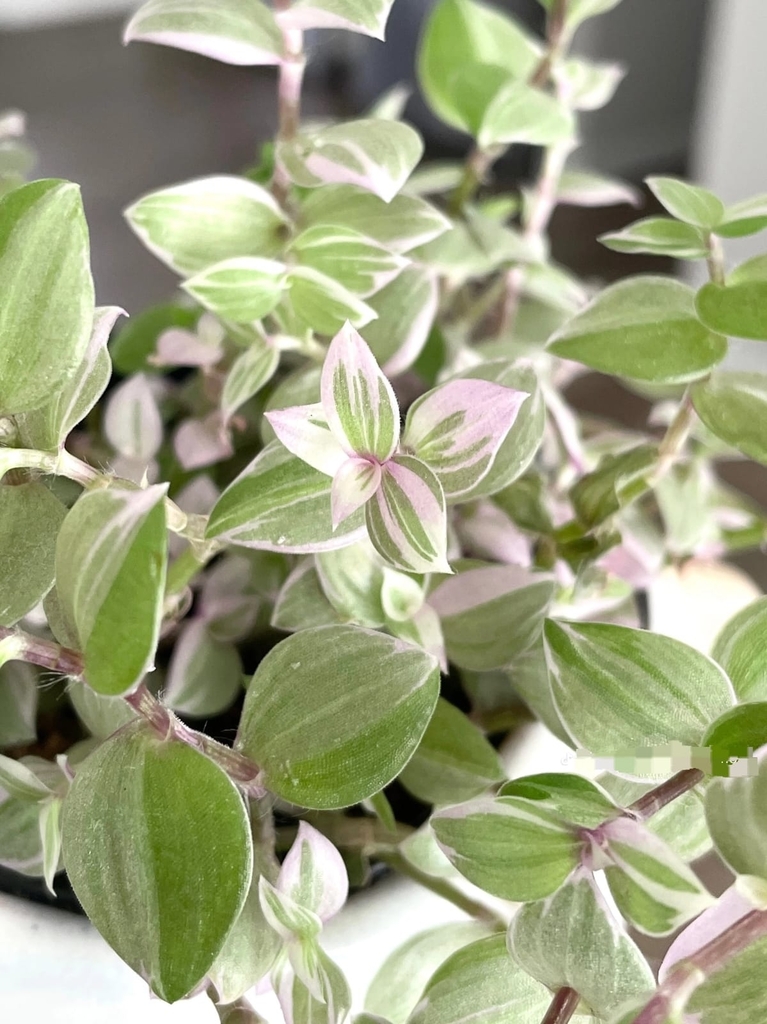
- Leaf color is light-driven: bright indirect light saturates the purple and silver; low light fades new growth toward plain green.
- Sap contains irritant compounds; it's mildly toxic to cats and dogs and can cause contact dermatitis in people and pets.
- Naturally short-lived in form: stems go leggy and bald at the base after a year or two, and the fix is simply replanting cuttings.
Care requirements#
| Plant type | Indoor trailing plant; outdoor groundcover in USDA 9-12 |
| Growing medium | Any standard potting mix; not fussy |
| Light needs | Bright indirect light for strongest color; tolerates medium light with fading; some gentle direct sun is fine |
| Water frequency | When the top 2-3cm of soil dries, roughly weekly; wilts dramatically but recovers fast |
| Humidity | Average home humidity is fine; higher humidity fuels faster growth |
| Temperature range | 16-27°C (60-80°F); keep above 10°C (50°F) |
| Fertilizer | Half-strength liquid feed monthly in spring-summer |
| Soil pH | 5.5-7.0; unfussy |
| Drainage needs | Moderate; tolerates brief sogginess better than most but prefers drainage |
| Pot recommendation | Hanging basket or shelf pot so stems can trail |
| Hardiness zone (outdoor) | USDA 9-12 |
| Toxicity | Mildly toxic to cats and dogs; sap can irritate skin and pet mouths/stomachs |
Growth & propagation#
| Mature size | Trails 60-90cm; stems keep extending indefinitely |
| Growth rate | Very fast; visible extension weekly in season |
| Propagation methods | Stem cuttings in water or straight into soil; even single nodes work |
| Propagation difficulty | Trivially easy; among the best first plants to learn propagation on |
| Repotting schedule | Annually, or simply restart the pot from fresh cuttings when it goes leggy |
| Pruning needs | Pinch tips regularly to keep it dense; use the pinched tips as new cuttings |
Common problems & troubleshooting#
| Symptom | Likely cause | Fix |
|---|---|---|
| Bald, stringy stems near the pot with leaves only at the ends | Natural aging plus low light; older zebrina always thins at the base | Take tip cuttings, root them, and replant the pot; pinch regularly going forward |
| Color fading to green | Insufficient light | Move to bright indirect light; new growth recolors within weeks |
| Crispy, translucent, or brown patches on leaves | Harsh direct midday sun or prolonged bone-dry soil | Soften the light, water when the topsoil dries, and trim damaged stems back to a node |
| Mushy stems at soil level | Overwatering in a cool, dim spot | Salvage healthy tips as cuttings, discard rot, and repot in fresh mix with better drainage |
| Skin redness after handling, or drooling pet | Irritant sap on skin or chewed stems | Wash skin after pruning or wear gloves; keep the plant hung out of pet reach |
Fast plant, fast-drying pot
Sodate keeps up with how quickly a rampant tradescantia drinks, so trailing stems never crisp out.
Seasonal care#
Varieties & cultivars#
| Variety | Distinguishing trait | Note |
|---|---|---|
| 'Violet Hill' | Deeper purple with strong silver banding | Richest coloring of the common forms |
| 'Burgundy' | Dark wine-purple leaves with subtle stripes | Moodier, darker look |
| 'Quadricolor' | Striped green, silver, pink, and cream | Slower and needs more light to hold four colors |
Buying checklist#
- Dense growth from the soil line, not a few long straggly stems
- Vivid silver striping; all-green growth means it sat in the dark
- Even a scrappy discount plant is fine; it rebuilds from cuttings in weeks
- Check for stem rot at soil level in shops that overwater
Pricing by region#
| Region | Price range | Typical unit | Basis |
|---|---|---|---|
| US | $5 – $15 | 4-6in pot | Big-box + nursery retail |
| UK | $5 – $16 | 10-14cm pot | Garden centre retail |
| India | $1 – $3 | 4-6in pot | Local nursery; extremely common |
| Australia | $5 – $16 | 100-140mm pot | Nursery + garden centre |
| Canada | $5 – $15 | 4-6in pot | Garden centre retail |
USD figures are approximate conversions for comparison; switch the dropdown to see each region's actual local-currency listing price.
Often confused with#
Name confusion warning#
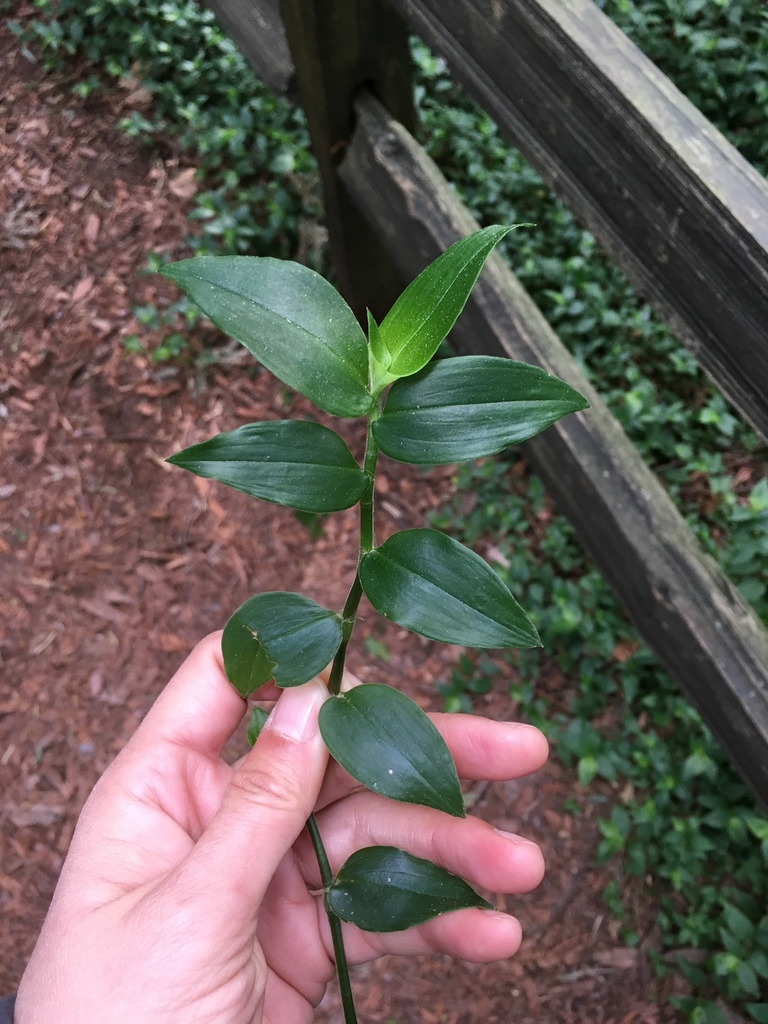
Common names are a tangle here. "Wandering jew" and "inch plant" are applied to zebrina, fluminensis, and pallida interchangeably; the older name is also now widely avoided, with "inch plant" or "wandering dude" preferred. If invasiveness or exact care matters, go by the botanical name.
Where it's actually grown#
Grown from cuttings by the million in foliage nurseries; because it roots in days, most stock is produced locally to each market (Florida, the Netherlands, and countless small nurseries worldwide) rather than shipped internationally.
Import & biosecurity restrictions#
| Region | Note |
|---|---|
| Australia | Live plant imports restricted under biosecurity law. Related T. fluminensis is a declared environmental weed here; keep zebrina contained and never dump cuttings in bushland. |
| US | Domestic sale unrestricted; can naturalize in Gulf Coast states, so avoid planting in the ground in warm climates. |
| UK | No specific restriction; houseplant only, not winter-hardy. |
| India | No restriction; a very common nursery and groundcover plant. |
| Canada | CFIA permits required for commercial imports; houseplant only. |
Similar plants
Ranked in these guides
Did you know?
Frequently asked questions
Is tradescantia zebrina toxic to cats and dogs?
Mildly. The sap irritates mouths, stomachs, and skin, causing drooling or dermatitis rather than serious poisoning; hang it out of reach.
Why is my zebrina losing its purple color?
Not enough light. Move it to bright indirect light and new growth will regain its silver-and-purple striping.
How do I fix a leggy, balding tradescantia?
Take tip cuttings, root them in water for a week, and replant the pot densely. Going leggy with age is normal for this plant.
How fast does tradescantia zebrina grow?
Very fast; in the growing season, stems can extend several centimeters a week, roughly the 'inch a week' behind the name inch plant.
How much does it cost?
One of the cheapest houseplants: $5-$15 in the US, and free forever after via cuttings.