 Sodate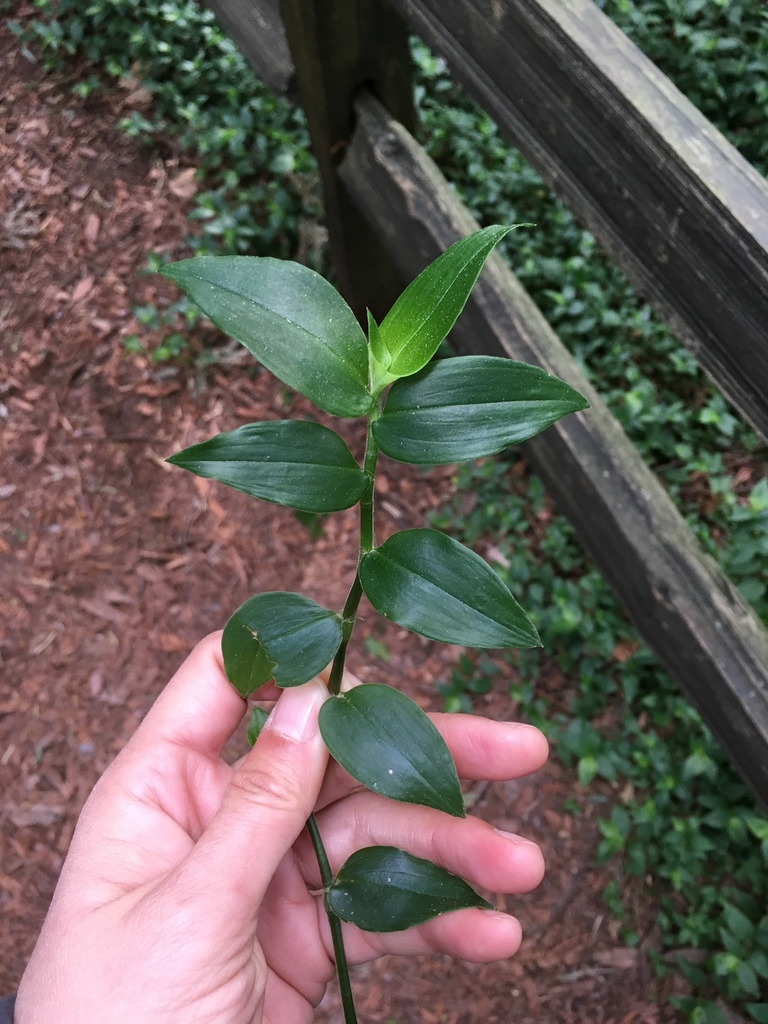
On this page
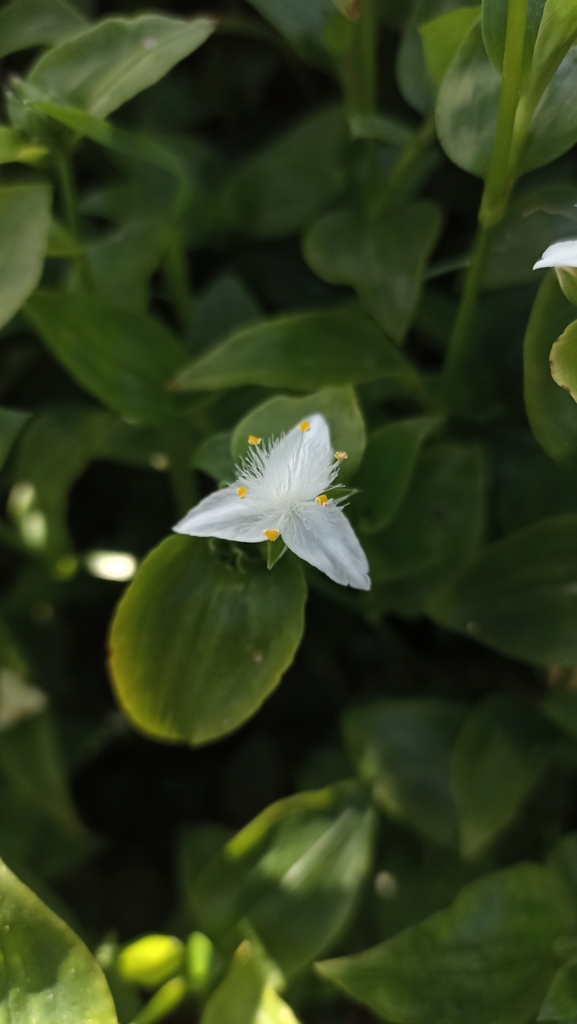
The inch plant is about as fast and forgiving as trailing houseplants get: cuttings root in water within days, stems fill a hanging basket in a season, and it copes with ordinary indoor light and humidity. Two caveats. It is mildly toxic if chewed and its sap causes contact dermatitis in some people and in dogs, so wear gloves when pruning. And it is a serious invasive weed in New Zealand, Australia and parts of the US, so never compost it outdoors or plant it in the ground. Typical price $6-$15.
Key facts
- Cuttings root within days in water, and stems root from any node touching soil, which is exactly why it is invasive where it escapes.
- The sap causes contact dermatitis in some people and is a known cause of allergic skin reactions in dogs, particularly around the belly and paws.
- Classed as a serious environmental weed in New Zealand, where its sale and distribution is banned, and in parts of eastern Australia and the southeastern US.
- It is one of the fastest houseplants to fill a pot: expect a basket to look full within a single growing season.
Care requirements#
| Plant type | Indoor trailing perennial; a groundcover weed where it escapes outdoors |
| Growing medium | Standard peat-free potting mix with perlite |
| Light needs | Bright indirect light; tolerates medium light with paler, leggier growth |
| Water frequency | Every 5-7 days; water when the top 2-3cm dries out |
| Humidity | 40%+; average indoor humidity is fine |
| Temperature range | 15-27°C (59-80°F); keep above 10°C (50°F) |
| Fertilizer | Balanced liquid feed at half strength monthly in spring and summer |
| Soil pH | 6.0-6.5 |
| Drainage needs | Moderate to high; the succulent stems rot in soggy compost |
| Pot recommendation | Hanging basket or shelf pot with drainage holes |
| Hardiness zone (outdoor) | USDA 9-11, but do not plant outdoors where it is invasive |
| Toxicity | Mildly toxic if ingested; the sap causes contact dermatitis in humans and dogs |
Growth & propagation#
| Mature size | Stems 60-120cm long trailing; sprawls indefinitely as groundcover |
| Growth rate | Very fast through spring and summer |
| Propagation methods | Stem cuttings in water or straight into mix; any node will root |
| Propagation difficulty | Beginner-friendly and close to foolproof |
| Repotting schedule | Annually, or restart from cuttings when the centre goes bare |
| Pruning needs | Cut back hard every few months to prevent bare stringy stems; wear gloves |
Common problems & troubleshooting#
| Symptom | Likely cause | Fix |
|---|---|---|
| Long bare stems with leaves only at the tips | Low light and no pruning | Move somewhere brighter and cut stems back by half; root the trimmings into the same pot to refill the centre |
| Variegation fading to plain green | Insufficient light | Increase light and pinch out any fully green shoots, which grow faster and take over |
| Mushy blackened stem bases | Overwatering and poor drainage | Let the top few centimetres dry between waterings; salvage healthy tips as cuttings if the base is lost |
| Crisp brown leaf tips | Very dry air or salt build-up from feeding | Raise humidity a little and flush the pot with plain water every few months |
| Skin rash after pruning | Contact dermatitis from the sap | Wash the area promptly and wear gloves whenever you cut or repot the plant |
Fast growers need pruning, not just water
Sodate reads your light and season and prompts the watering and cutting-back this plant needs to stay full rather than stringy.
Seasonal care#
Varieties & cultivars#
| Variety | Distinguishing trait | Note |
|---|---|---|
| 'Variegata' | Cream and white striped leaves | Reverts to green in low light |
| 'Quicksilver' | Broad silver-white striping | Vigorous and widely sold |
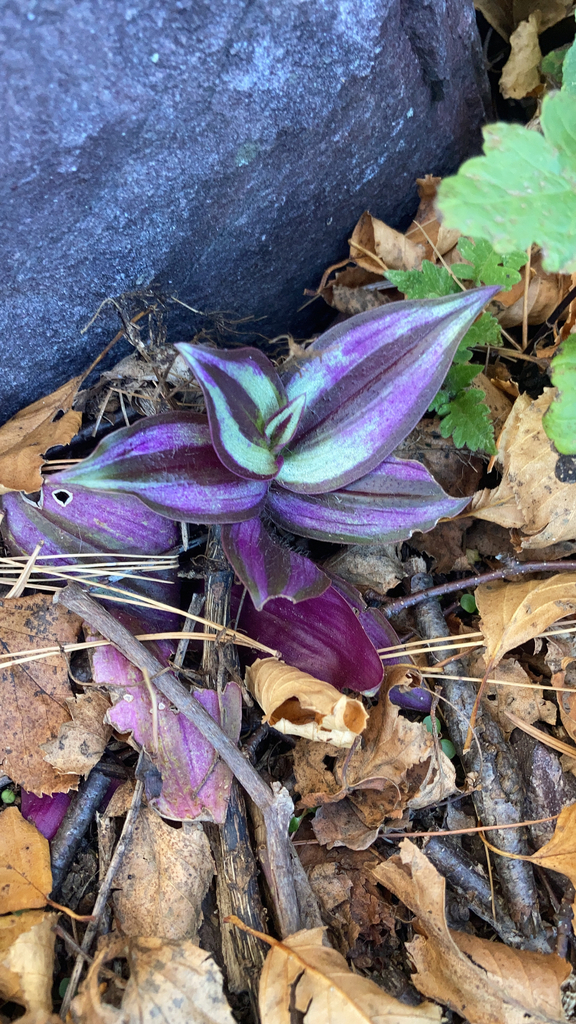
| Tradescantia zebrina | Purple leaves with two silver bands | A different species with the same care and the same naming history |
Buying checklist#
- Stems are leafy right down to the soil, not bare in the middle of the pot
- Variegated forms show strong even striping rather than reverted green shoots
- No blackened or mushy stem bases
- You have a hanging or raised spot away from pets, since the sap irritates skin
Pricing by region#
| Region | Price range | Typical unit | Basis |
|---|---|---|---|
| US | $6 – $15 | 4-6in pot | Big-box + garden centre retail |
| UK | $6 – $14 | 12-15cm pot | Garden centre retail |
| India | $1 – $4 | 5in pot | Urban nursery retail |
| Australia | $8 – $17 | 130mm pot | Nursery retail (restricted in some states) |
| Canada | $7 – $15 | 5in pot | Garden centre retail |
USD figures are approximate conversions for comparison; switch the dropdown to see each region's actual local-currency listing price.
Often confused with#
Name confusion warning#
This plant was long sold as the "wandering jew". That name derives from an antisemitic medieval legend and is being retired across the horticultural trade; "inch plant" is the preferred modern common name, with "wandering dude" and "spiderwort" also in use. Nurseries, plant societies and major retailers have largely relabelled their stock, and we use "inch plant" throughout this guide. The old name appears here only so people searching for it can find the right plant and the right name.
Where it's actually grown#
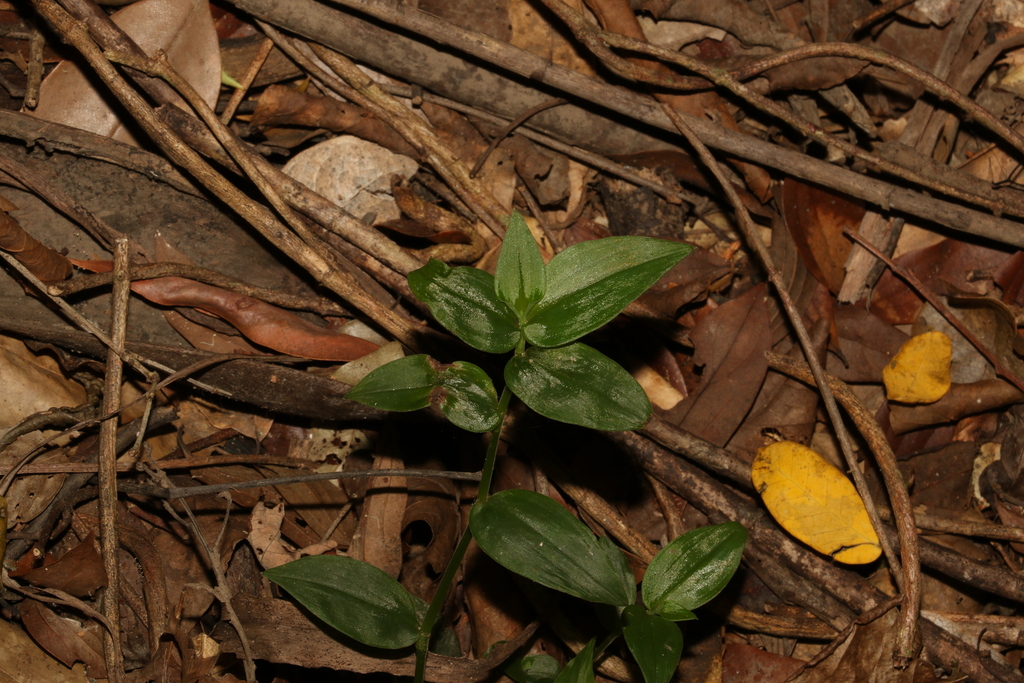
Inch plants are propagated from cuttings by houseplant nurseries worldwide, since a single stock plant yields hundreds of cuttings a year. The species is native to southeastern Brazil, Argentina, Paraguay and Uruguay, and has naturalised widely from discarded garden waste rather than from any wild trade.
Import & biosecurity restrictions#
| Region | Note |
|---|---|
| Australia | Declared an environmental weed in parts of New South Wales, Queensland and Victoria; sale and disposal are restricted in some areas. |
| US | Sold freely as a houseplant, but invasive in the southeastern states; never dispose of cuttings outdoors. |
| UK | No restriction; not frost-hardy enough to naturalise. |
| India | No restriction; grows extremely vigorously in warm humid conditions. |
| New Zealand | Banned from sale, propagation and distribution as a National Pest Plant Accord species. |
Similar plants
Ranked in these guides
Did you know?
Frequently asked questions
What should I call the wandering jew plant now?
Inch plant. The old name comes from an antisemitic legend and the trade has largely moved to "inch plant", with "wandering dude" also used. The botanical name is Tradescantia fluminensis.
Is the inch plant toxic to cats and dogs?
It is mildly toxic if eaten and, more commonly, the sap causes contact dermatitis in dogs, typically as an itchy rash on the belly and paws.
Why is my inch plant getting long and bare?
Low light plus no pruning. Move it brighter and cut the stems back by half, then root the trimmings into the same pot.
How do I propagate an inch plant?
Cut a stem below a node and stand it in water. Roots usually appear within three to seven days.
Is the inch plant invasive?
Yes, in New Zealand, parts of eastern Australia and the southeastern US. Never plant it outdoors or put cuttings in garden waste in those regions.