 Sodate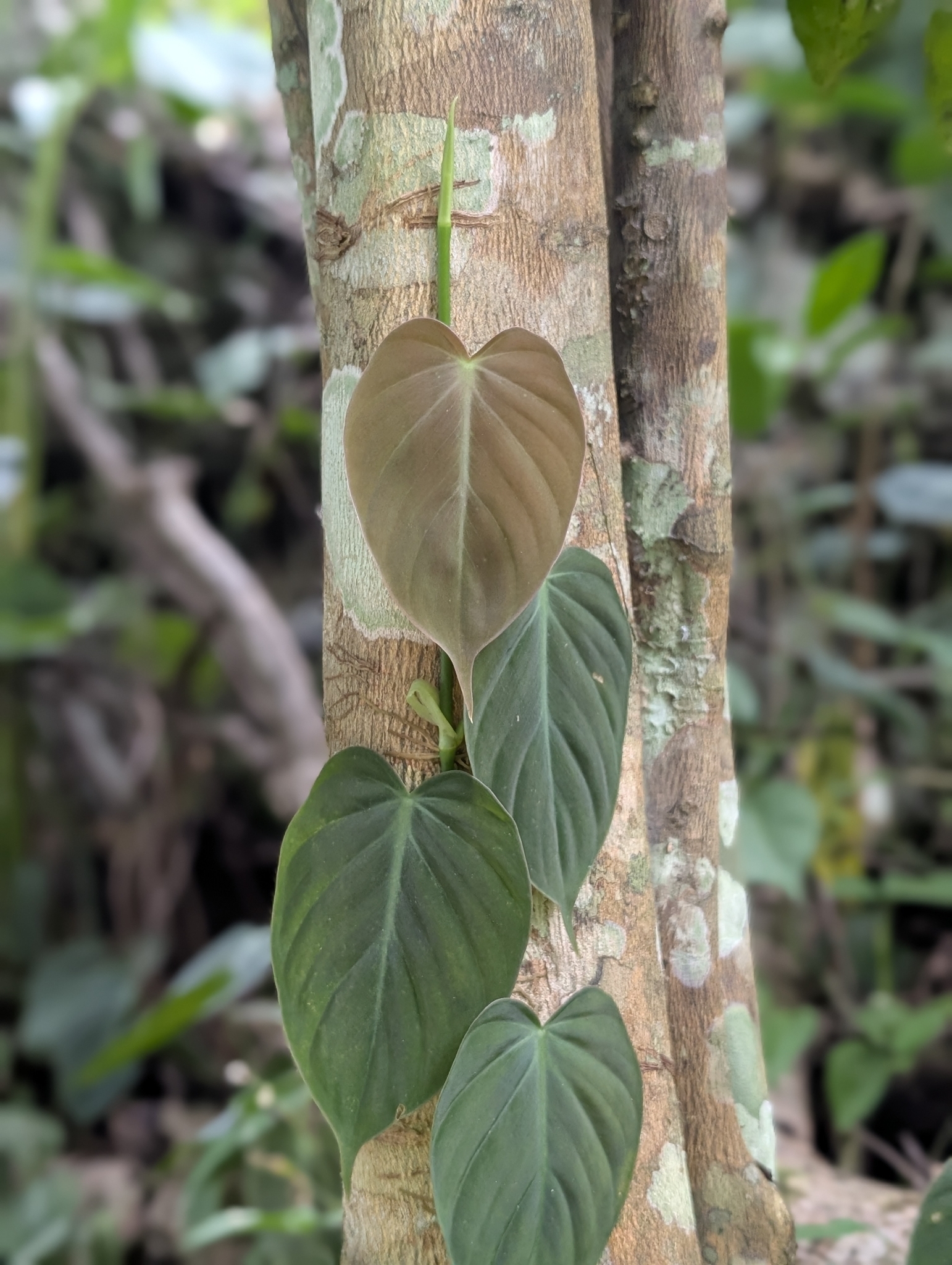
On this page
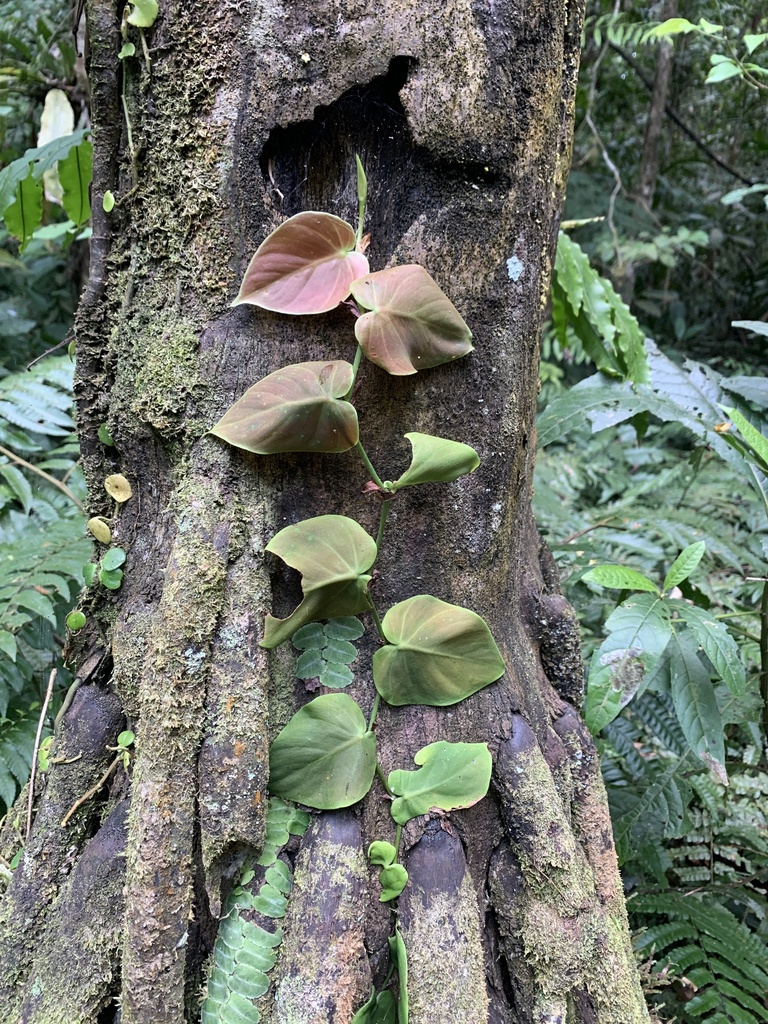
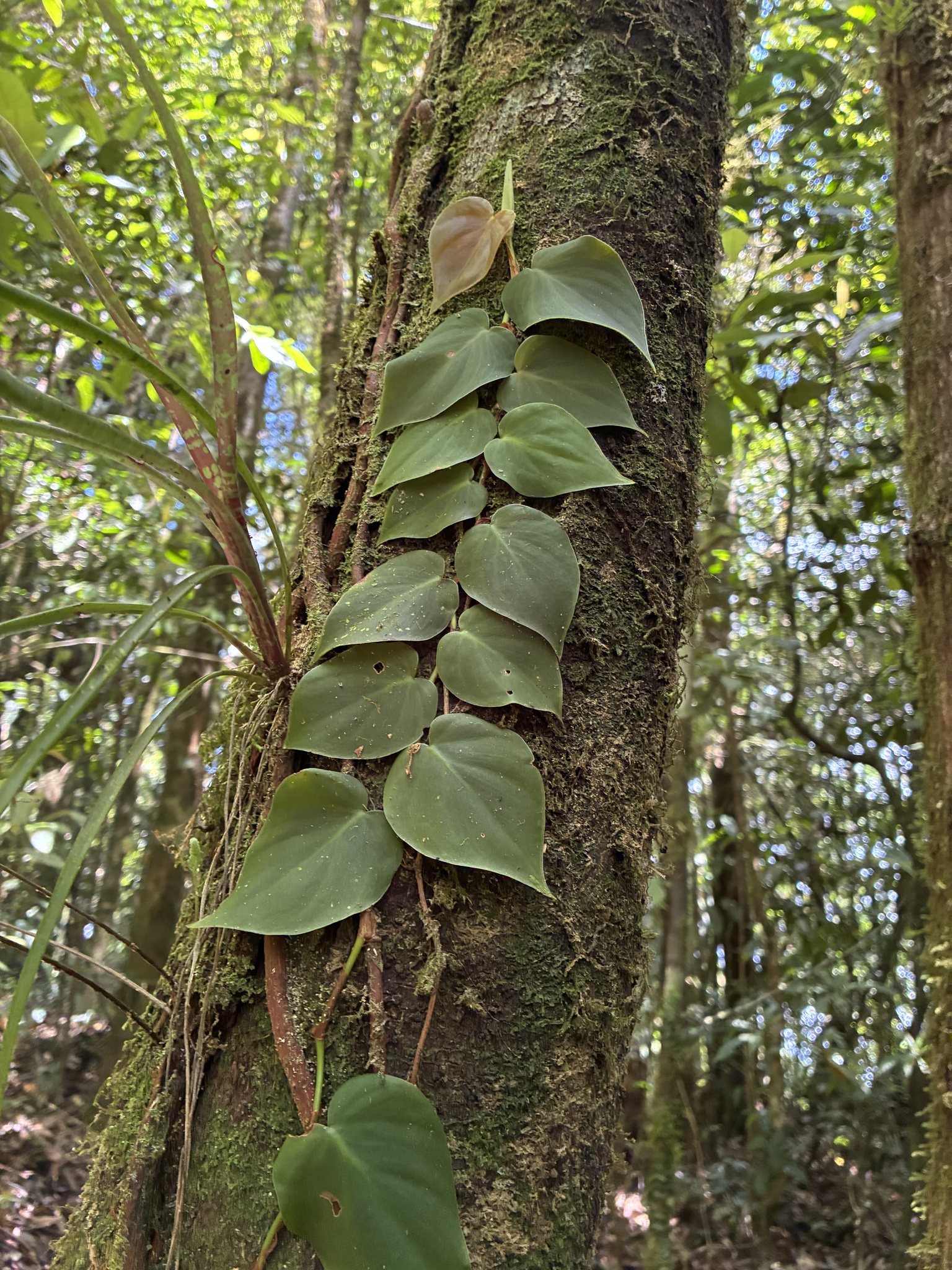
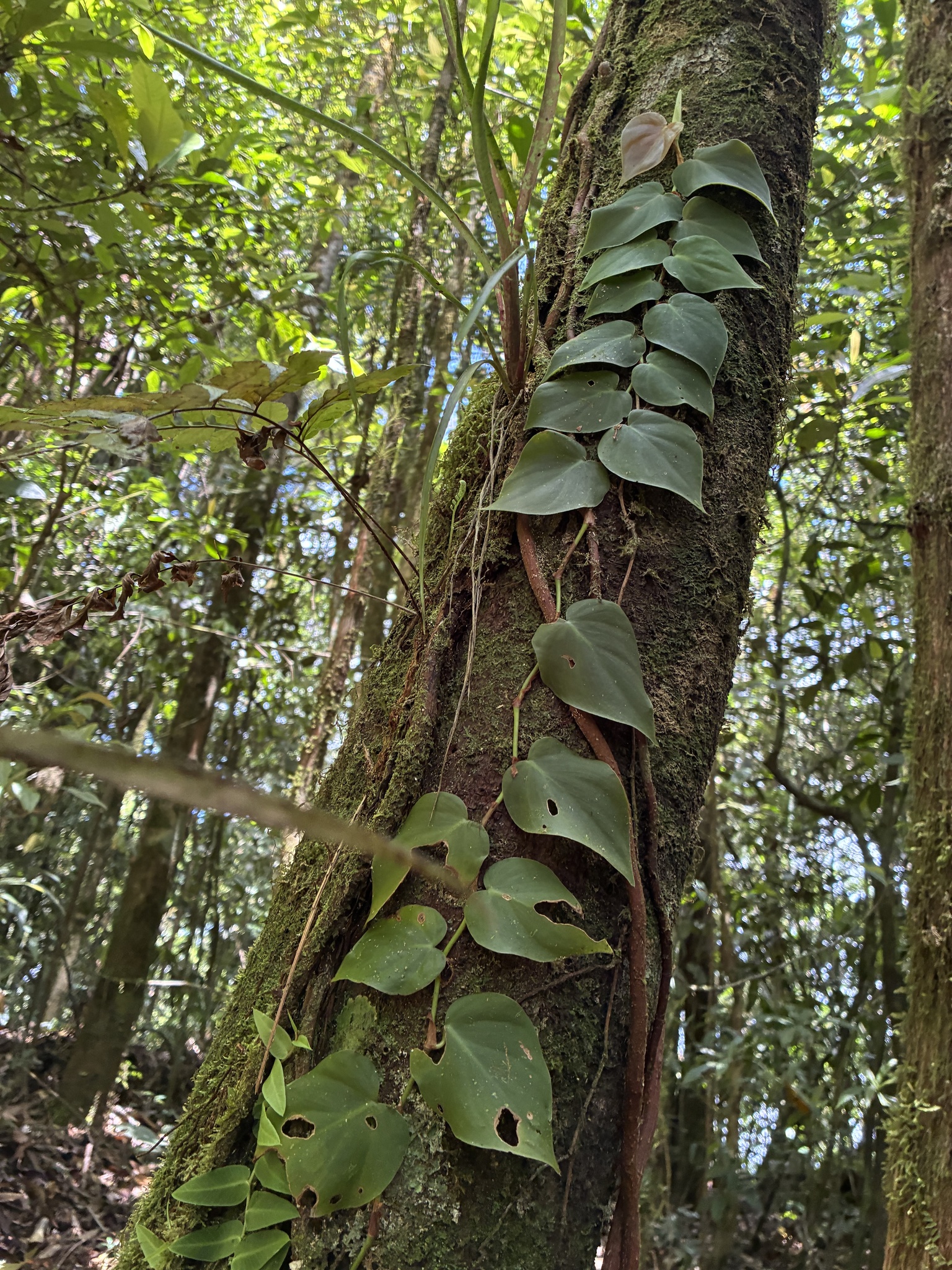
Micans is the velvet form of the heartleaf philodendron, and it keeps that plant's forgiving nature: bright indirect light, water when the top few centimetres dry out, and it will trail a metre or more. New leaves emerge pinkish-bronze and darken to deep green with an iridescent sheen. It roots from cuttings in water in a couple of weeks. The one caveat is that it is toxic to cats and dogs, so keep it high and out of reach. Typical price $10-$25.
Key facts
- It is a botanical variety of the ordinary heartleaf philodendron, not a separate species, which is why care is identical to the plain green form.
- The velvet texture comes from microscopic surface papillae that scatter light, giving the iridescent bronze-to-green shift as you move around it.
- New leaves emerge pink-bronze and deepen with age; strong light keeps the bronze tone, while shade pushes them plain dark green.
- Toxic to cats and dogs. The insoluble calcium oxalate crystals in the sap cause mouth pain, drooling and swallowing difficulty if chewed.
Care requirements#
| Plant type | Indoor trailing or climbing aroid |
| Growing medium | Chunky aroid mix: peat-free potting compost with bark and perlite |
| Light needs | Bright indirect light; tolerates medium light with slower, greener growth, but direct midday sun burns the velvet surface |
| Water frequency | Every 7-10 days; water when the top 3-4cm of mix is dry |
| Humidity | 50%+ preferred; tolerates average indoor humidity better than a calathea |
| Temperature range | 18-27°C (65-80°F); keep above 13°C (55°F) |
| Fertilizer | Balanced liquid feed at half strength monthly through spring and summer |
| Soil pH | 5.5-6.5 |
| Drainage needs | High: the fine roots rot in dense, waterlogged compost |
| Pot recommendation | Hanging pot or shelf pot with drainage; a moss pole if you want larger climbing leaves |
| Hardiness zone (outdoor) | USDA 10-11; grown indoors elsewhere |
| Toxicity | Toxic to cats and dogs; irritating to humans if chewed or if sap contacts skin |
Growth & propagation#
| Mature size | Vines 1-2m long indoors; leaves 7-12cm trailing, larger if climbing |
| Growth rate | Fast in spring and summer with good light |
| Propagation methods | Stem cuttings with at least one node, rooted in water or straight into moist mix |
| Propagation difficulty | Beginner-friendly: roots reliably in 2-3 weeks in water |
| Repotting schedule | Every 1-2 years in spring, or when roots circle the pot |
| Pruning needs | Pinch back leggy vines to encourage branching; use the trimmings as cuttings |
Common problems & troubleshooting#
| Symptom | Likely cause | Fix |
|---|---|---|
| Long bare stems with widely spaced small leaves | Too little light | Move closer to a bright window and prune the bare vines back to force new branching |
| Yellowing leaves starting at the base | Overwatering, or compost staying wet too long | Let the top 3-4cm dry before watering and add bark and perlite to the mix at the next repot |
| Crisp brown leaf tips | Dry air or accumulated fertiliser salts | Raise humidity, and flush the pot with plain water every few months |
| Faded, scorched patches on the velvet surface | Direct sun through glass | Move back from the window or diffuse the light with a sheer curtain |
| Sticky residue and small brown bumps on stems | Scale insects | Scrape off by hand and treat with horticultural oil every 10 days until clear |
Trailing plants hide their dry soil
Sodate tracks your light and season so a plant hanging above eye level still gets watered at the right time.
Seasonal care#
Varieties & cultivars#
| Variety | Distinguishing trait | Note |
|---|---|---|
| Philodendron hederaceum var. hederaceum (micans) | Velvety bronze-green heart leaves | The plant sold as micans |
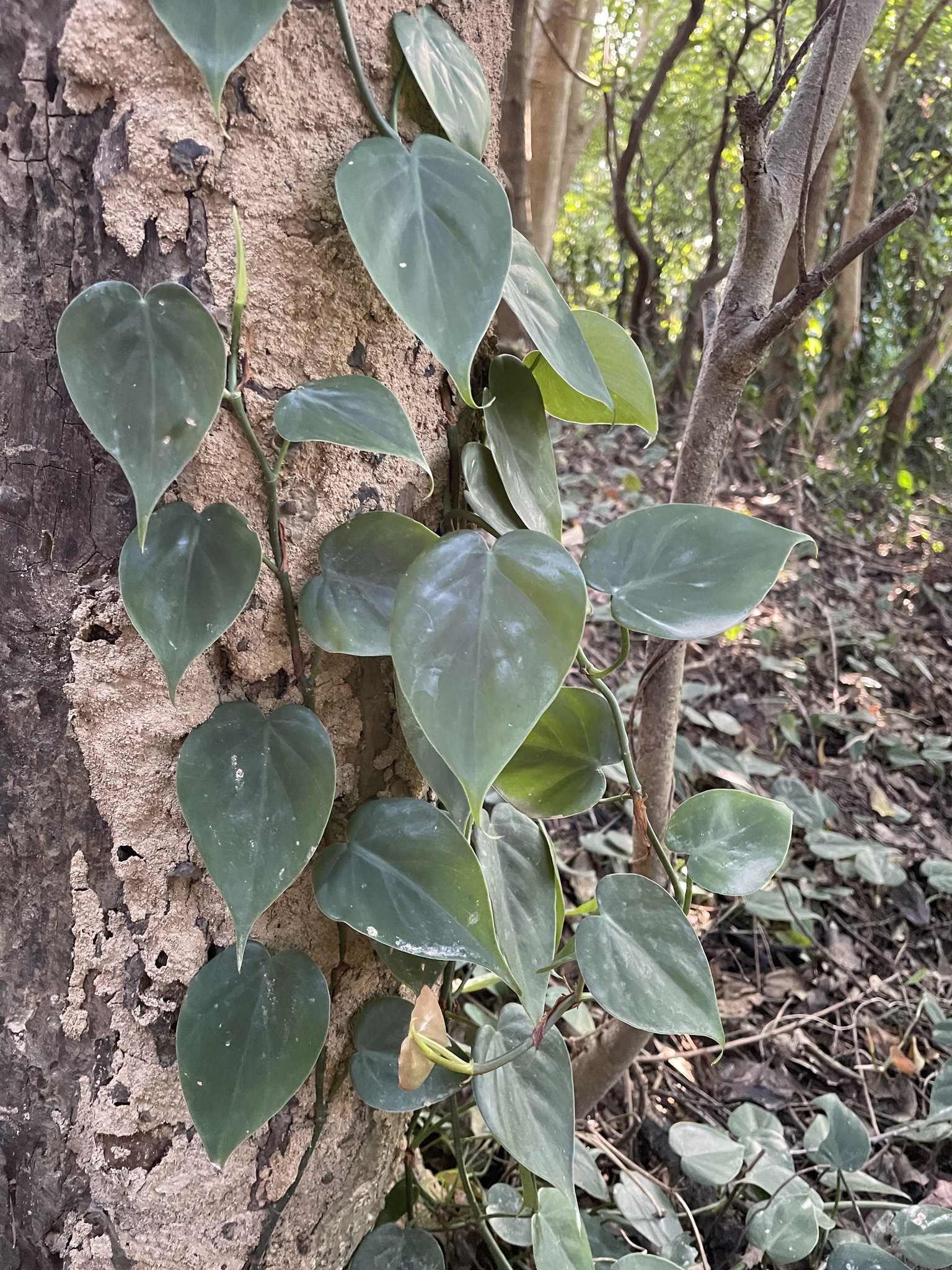
| Philodendron hederaceum var. oxycardium | Glossy plain green heart leaves | The classic heartleaf philodendron; same care |
| 'Brasil' | Glossy leaves with a yellow-green central stripe | Variegated selection of the same species |
Buying checklist#
- Vines are full to the soil line rather than bare at the top of the pot
- Leaves have the matte velvet texture and no dry scorched patches
- No sticky residue or brown bumps along the stems
- Multiple rooted cuttings in one pot means a fuller plant sooner
Pricing by region#
| Region | Price range | Typical unit | Basis |
|---|---|---|---|
| US | $10 – $25 | 4-6in pot | Big-box + specialist nursery retail |
| UK | $9 – $24 | 12-15cm pot | Garden centre retail |
| India | $3 – $10 | 5in pot | Urban nursery retail |
| Australia | $12 – $28 | 130mm pot | Nursery + garden centre |
| Canada | $11 – $26 | 5in pot | Garden centre retail |
USD figures are approximate conversions for comparison; switch the dropdown to see each region's actual local-currency listing price.
Often confused with#
Name confusion warning#
"Micans" is a trade name, not a valid botanical name. The plant is Philodendron hederaceum var. hederaceum; older labels use the invalid Philodendron micans or Philodendron scandens f. micans. For the wider genus, see our philodendron care guide.
Where it's actually grown#
Micans is propagated from cuttings at scale in Florida, Central America, the Netherlands and Southeast Asia. The wild species ranges from Mexico through Central America into the Caribbean and northern South America; retail stock is entirely nursery-grown.
Import & biosecurity restrictions#
| Region | Note |
|---|---|
| Australia | Live plant imports restricted under biosecurity law; propagated domestically and widely sold. |
| US | Domestic sale unrestricted; most stock is Florida-grown. |
| UK | Phytosanitary certificates required for commercial imports; retail sale unrestricted. |
| India | No restriction; grows quickly in warm humid conditions. |
| Canada | CFIA permits required for commercial imports; sold widely as a houseplant. |
Similar plants
Ranked in these guides
Did you know?
Frequently asked questions
Is philodendron micans toxic to cats and dogs?
Yes. Like all philodendrons it contains insoluble calcium oxalate crystals, which cause mouth pain, drooling and difficulty swallowing if chewed. Keep it out of reach of pets.
What is the difference between micans and heartleaf philodendron?
Micans is a velvet-leaved variety of the same species. The plain heartleaf form is glossy. Care is identical.
Why is my micans losing its bronze colour?
Not enough light. Bronze tones deepen in bright indirect light and fade to plain green in shade.
How do I propagate philodendron micans?
Cut a stem below a node, put it in water or moist mix, and roots appear in about two to three weeks.
How much does philodendron micans cost?
Usually $10-$25 in the US for a 4-6 inch pot.