 Sodate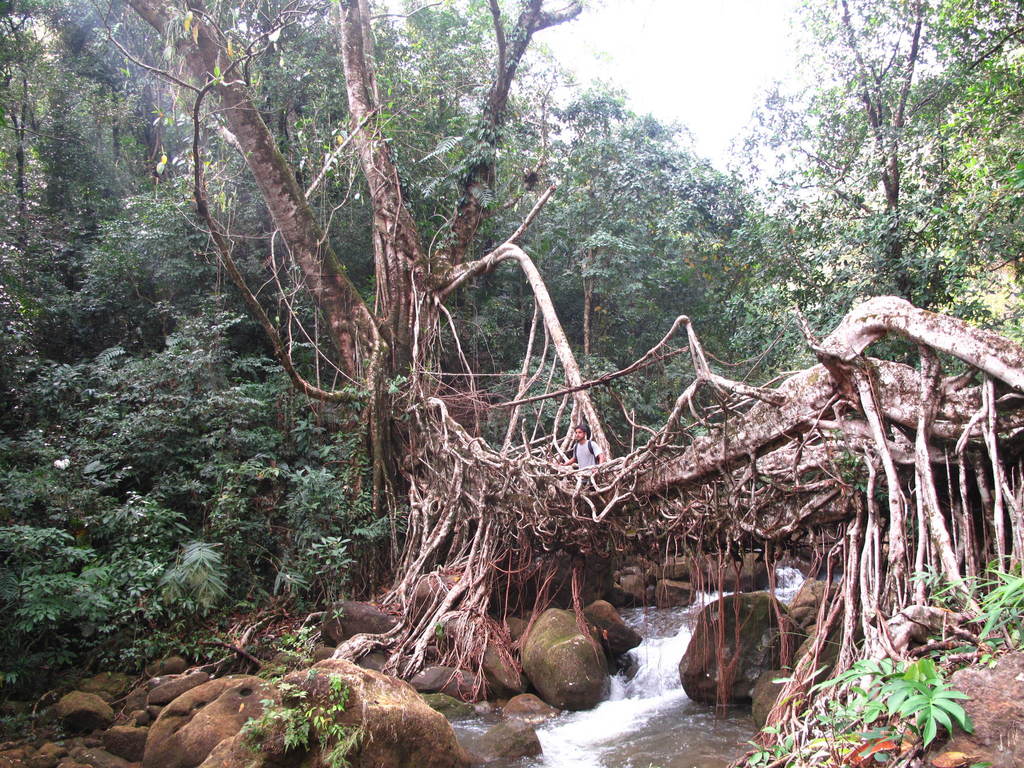
On this page
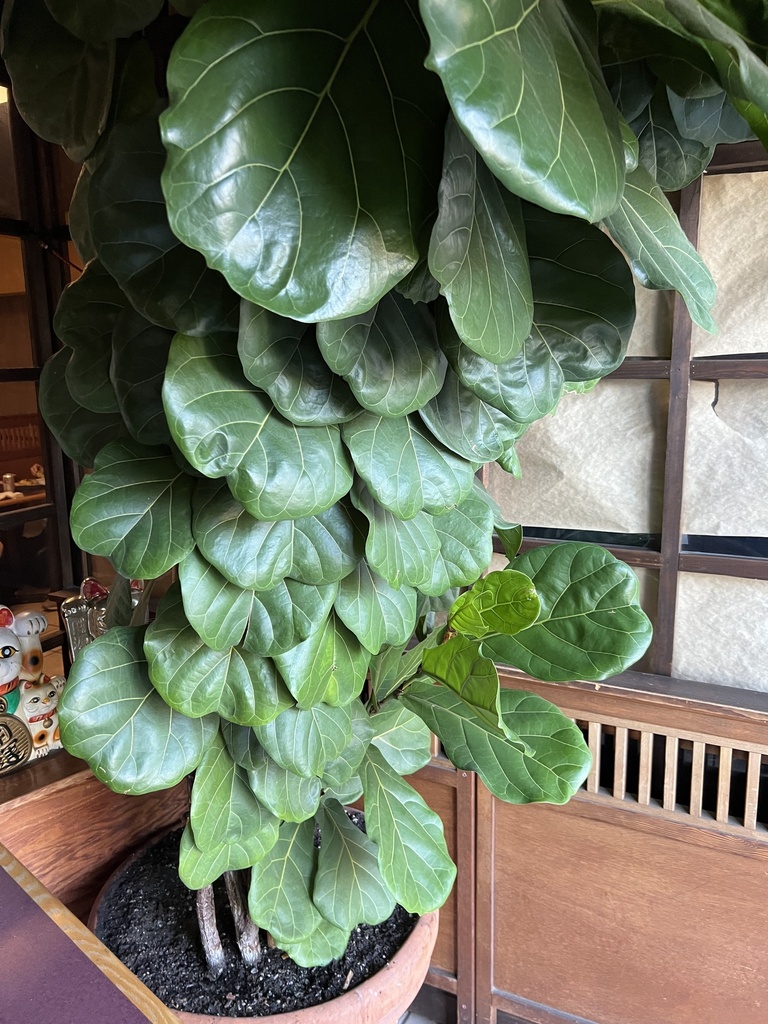
Rubber plant is one of the easiest indoor trees: bright indirect light, water when the top few centimeters dry (roughly weekly in summer, fortnightly in winter), and wipe the big glossy leaves so they can breathe. Its milky sap is irritating and it's toxic to pets. Prune the top to force branching. Typically $15-$60 depending on size.
Key facts
- Native to South and Southeast Asia; in the wild it becomes a massive banyan-style tree, and its latex was tapped as a commercial rubber source before Pará rubber took over.
- The milky white sap contains latex. Irritating to skin and toxic if ingested, and a genuine concern for people with latex allergies.
- Young plants grow as a single stem; cutting the top triggers the branching that turns them into a full-canopy indoor tree.
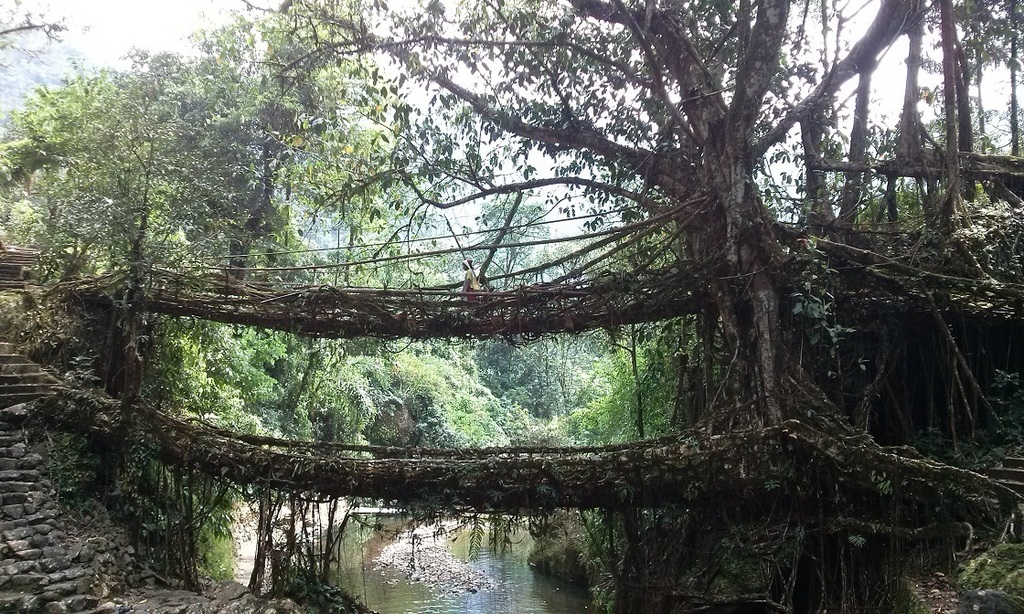
- In living-root-bridge cultures of Northeast India, the related aerial roots of Ficus elastica are trained across rivers into living bridges that last centuries.
Care requirements#
| Plant type | Indoor tree (outdoors year-round only in USDA 10-12) |
| Growing medium | Well-draining potting mix |
| Light needs | Bright, indirect light; variegated forms need more light, deep green forms tolerate less |
| Water frequency | Every 7-10 days in summer, 10-14 in winter; when the top 3-5cm are dry |
| Humidity | Average home humidity is fine |
| Temperature range | 16-27°C (60-80°F); avoid cold drafts below 12°C |
| Fertilizer | Balanced liquid feed monthly in spring-summer |
| Soil pH | 6.0-7.0 |
| Drainage needs | High: yellow, dropping lower leaves usually mean waterlogged roots |
| Pot recommendation | Heavy pot for stability as the tree gains height |
| Hardiness zone (outdoor) | USDA 10-12 |
| Toxicity | Toxic to cats and dogs; sap irritates skin, wear gloves when pruning |
Growth & propagation#
| Mature height | 2-3m indoors; a forest giant in the wild |
| Growth rate | Moderate-fast in bright light: 30-60cm a year |
| Propagation methods | Stem cuttings (let sap stop flowing first) or air layering for thick stems |
| Propagation difficulty | Moderate: cuttings root in 3-5 weeks with warmth |
| Repotting schedule | Every 1-2 years while young, then top-dress mature trees |
| Pruning needs | Cut the growing tip to force branching; prune in spring wearing gloves |
Common problems & troubleshooting#
| Symptom | Likely cause | Fix |
|---|---|---|
| Lower leaves yellowing and dropping | Overwatering | Let soil dry deeper between waterings; check drainage |
| Sudden leaf drop after moving | Ficus-typical shock from light/location change | Pick a bright spot and leave it there; recovery takes weeks |
| Dull, dusty leaves | Dust blocking light on the large leaf surfaces | Wipe leaves monthly with a damp cloth |
| Brown, crispy edges | Underwatering or hot dry drafts | More consistent watering; move away from heat vents |
| No branching, single tall stem | Natural young habit. Apical dominance | Top the stem above a node in spring to trigger side branches |
Never guess when to water this again
Sodate reads your actual light and season, then builds this tree's watering quests around them, not a fixed schedule.
Seasonal care#
Varieties & cultivars#
| Variety | Distinguishing trait | Note |
|---|---|---|
| 'Robusta' | Broad deep-green leaves | The standard modern form |
| 'Tineke' | Cream-and-green variegation with pink flush | Popular variegated form, needs more light |
| 'Ruby' | Pink-red variegation over dark leaves | Most colorful cultivar |
| 'Burgundy' / 'Abidjan' | Near-black dark red leaves | Dramatic dark form |
Buying checklist#
- Glossy, firm leaves without widespread yellowing
- No sticky residue or pests on leaf undersides
- Stable, well-anchored stem: a wobbly trunk means poor roots
- For variegated forms, bright even variegation without brown patches
Pricing by region#
| Region | Price range | Typical unit | Basis |
|---|---|---|---|
| US | $15 – $60 | 6in pot to small tree | Big-box + nursery retail |
| UK | $12 – $48 | 14-24cm pot | Garden centre retail |
| India | $2 – $8 | 6-12in pot | Urban nursery retail |
| Australia | $14 – $55 | 150-300mm pot | Nursery + garden centre |
| Canada | $15 – $55 | 6in pot to small tree | Garden centre retail |
USD figures are approximate conversions for comparison; switch the dropdown to see each region's actual local-currency listing price.
Often confused with#
Name confusion warning#
Not the commercial rubber tree. Natural rubber today comes from Hevea brasiliensis, a completely different tree. Ficus elastica was an early rubber source and keeps the common name, but the two are unrelated. Relevant if you're researching rubber cultivation rather than houseplants.
Where it's actually grown#
Rubber plants are produced at scale in Florida, Central America, India, and Southeast Asia, mostly from cuttings and tissue culture; taller braided or branched specimens spend years in nursery production, which drives the steep price curve by height.
Import & biosecurity restrictions#
| Region | Note |
|---|---|
| Australia | Live plant imports restricted under biosecurity law; strong domestic supply. |
| US | Domestic sale unrestricted; naturalized in South Florida. |
| UK | No specific restriction; grown as a houseplant. |
| India | No restriction. Native to the region; grown as both houseplant and outdoor tree. |
| Canada | CFIA permits required for commercial imports. |
Similar plants
Ranked in these guides
Did you know?
Frequently asked questions
Why is my rubber plant dropping leaves?
Ficus species drop leaves in response to change. A move, a draft, or overwatering. Settle it in one bright spot, water only when the top few centimeters dry, and it stabilizes within weeks.
Is rubber plant safe for pets?
No. Its milky latex sap is toxic to cats and dogs if chewed and can irritate human skin, especially with latex allergies.
How do I make my rubber plant branch?
Cut the main growing tip just above a node in spring. The stem responds by pushing out side branches below the cut.
How much does a rubber plant cost?
A 6-inch starter runs about $15 in the US; branched floor-height trees reach $60+.
Is this the tree rubber comes from?
Historically it was an early rubber source, but commercial natural rubber comes from the unrelated Hevea brasiliensis.