 Sodate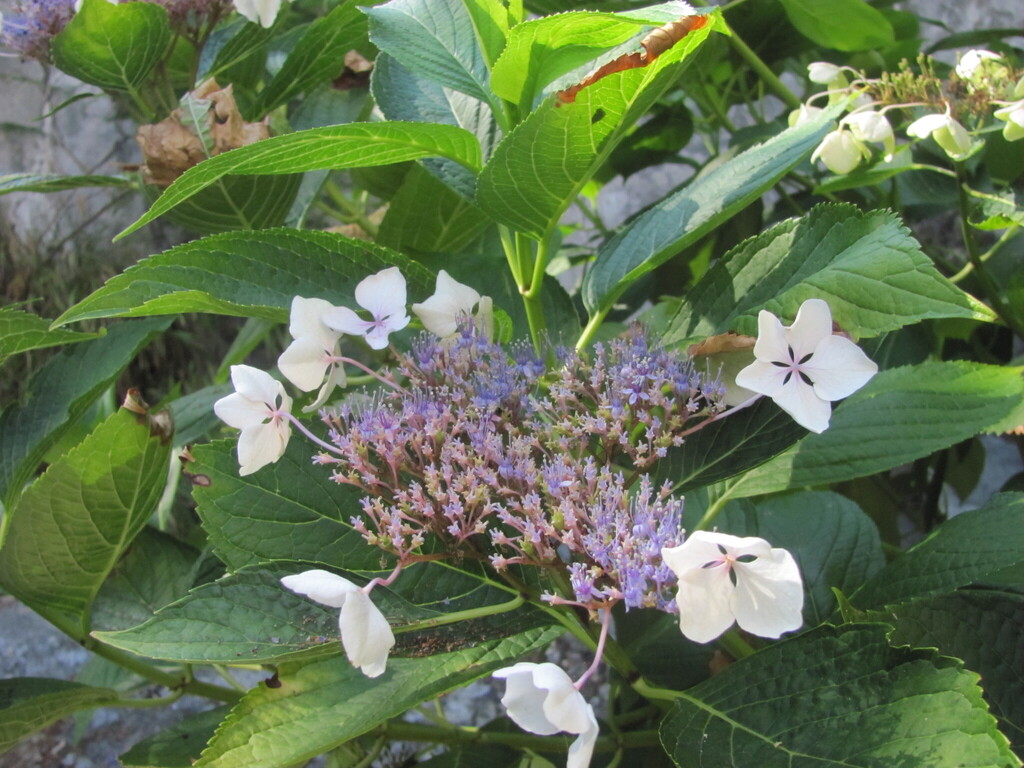
On this page
Bigleaf hydrangea is a part-shade shrub hardy in USDA zones 6-9 that blooms blue in acidic soil (pH below 6) and pink in alkaline (above 7). It blooms on old wood, so prune only right after flowering. Pruning in autumn, winter, or spring cuts off next year's flower buds, the single most common reason hydrangeas fail to bloom. Keep soil consistently moist. Mildly toxic to pets. Shrubs cost $20-$60.
Key facts
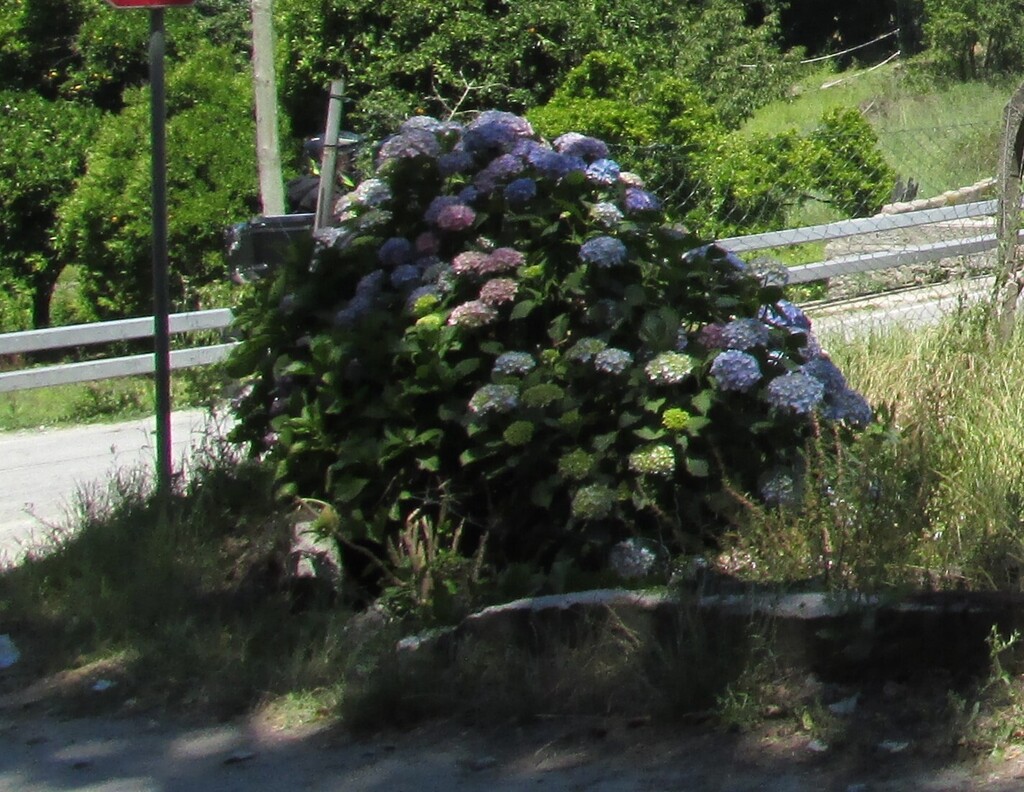
- Flower color is a soil-pH readout: acidic soil (pH < 6) makes aluminum available and blooms turn blue; alkaline soil (pH > 7) locks aluminum out and blooms turn pink. White cultivars don't change.
- H. macrophylla blooms on OLD wood. Buds for next summer form the previous autumn. Pruning any time other than immediately after flowering removes those buds; this prune-time mistake is the #1 reason hydrangeas don't flower. (Panicle and smooth hydrangeas bloom on new wood and are pruned in late winter.)
- The name means 'water vessel' in Greek. It wilts fast in dry heat and wants consistently moist soil.
- All parts contain low levels of cyanogenic glycosides. Mildly toxic to dogs, cats, and horses if eaten in quantity.
Care requirements#
| Plant type | Deciduous flowering shrub, USDA zones 6-9 (some cultivars to zone 5) |
| Light needs | Morning sun with afternoon shade; tolerates fairly deep part shade in hot climates |
| Water frequency | Deeply 1-2 times a week; soil should stay consistently moist, never bone dry |
| Soil | Rich, moisture-retentive, well-drained; mulch heavily |
| Soil pH | Below 6.0 for blue flowers, above 7.0 for pink; amend with aluminum sulfate (blue) or garden lime (pink) |
| Bloom season | Early summer to late summer; some 'Endless Summer' types rebloom into autumn |
| Pruning timing | Immediately after flowering only (blooms on old wood). Never autumn, winter, or spring |
| Fertilizer | Balanced slow-release in spring; avoid high nitrogen, which favors leaves over flowers |
| Spacing | 1.5-2m apart; mature shrubs reach 1-2m wide |
| Winter care | Mulch crowns in zone 5-6; late frosts can kill exposed flower buds |
| Hardiness zone | USDA 6-9 (RHS H5) |
| Toxicity | Mildly toxic to dogs, cats, and horses (cyanogenic glycosides). Vomiting and lethargy if eaten |
Growth & propagation#
| Mature size | 1-2m tall and wide, depending on cultivar |
| Growth rate | Moderate to fast. 30-60cm of new growth a year once established |
| Classification | Woody deciduous perennial shrub |
| Propagation methods | Softwood cuttings in early summer; layering low branches |
| Propagation difficulty | Easy: cuttings root readily under humidity |
| Time to first bloom | Nursery shrubs bloom the first or second year after planting |
Common problems & troubleshooting#
| Symptom | Likely cause | Fix |
|---|---|---|
| No flowers at all despite healthy leaves | Pruned in autumn/winter/spring, removing old-wood flower buds. Or buds killed by late frost | Prune only immediately after flowering; in cold zones protect buds with winter mulch or switch to a reblooming (new-wood) cultivar |
| Blooms turned pink when you wanted blue | Soil pH has drifted alkaline; aluminum unavailable to roots | Apply aluminum sulfate in spring and autumn and mulch with pine needles; expect the shift to take a full season |
| Dramatic midday wilting | Heat and dry soil. Hydrangeas transpire heavily through big leaves | Water deeply, mulch 5-8cm, and move or shade plants getting hot afternoon sun |
| Powdery white coating on leaves | Powdery mildew in humid, still air | Improve air circulation, water at the base not overhead, remove worst leaves |
| Leaves yellow between green veins | Iron chlorosis in very alkaline soil | Apply chelated iron and acidify soil gradually with sulfur |
Never miss the pruning window again
Sodate reminds you to prune right after flowering, before next year's buds form, so you never accidentally cut off a whole season of blooms.
Seasonal care#
Varieties & cultivars#
| Variety | Distinguishing trait | Note |
|---|---|---|
| 'Endless Summer' | Reblooms on both old and new wood | Forgiving of pruning mistakes and late frosts |
| 'Nikko Blue' | Classic large blue mophead (in acidic soil) | The archetypal blue hydrangea |
| Hydrangea paniculata 'Limelight' | Lime-white cone blooms on NEW wood | Different species. Prune this one in late winter, hardy to zone 3 |
Buying checklist#
- Multiple stems from the base, not a single leggy trunk
- Buds or blooms present so you can verify the flower form
- Ask whether it blooms on old or new wood. It decides your whole pruning calendar
- No wilted or scorched leaf edges (drought stress in the nursery)
Pricing by region#
| Region | Price range | Typical unit | Basis |
|---|---|---|---|
| US | $20 – $60 | 2-3 gal shrub | Big-box + nursery retail |
| UK | $19 – $50 | 3-10L pot | Garden centre retail |
| India | $3 – $10 | potted shrub | Urban nursery + online |
| Australia | $16 – $46 | 20-30cm pot | Nursery + garden centre |
| Canada | $18 – $51 | 2-3 gal shrub | Garden centre retail |
USD figures are approximate conversions for comparison; switch the dropdown to see each region's actual local-currency listing price.
Often confused with#
Name confusion warning#
'Hydrangea' covers species with opposite pruning rules. Bigleaf (macrophylla) and oakleaf types bloom on old wood. Prune after flowering. Panicle (paniculata) and smooth (arborescens, 'Annabelle') types bloom on new wood, prune in late winter. Applying the wrong schedule means a year without flowers.
Where it's actually grown#
Commercial hydrangeas are propagated from cuttings in wholesale shrub nurseries in Oregon, North Carolina, the Netherlands, and Belgium, with patented reblooming series produced under license; florist 'gift hydrangeas' are greenhouse-forced and often struggle outdoors in cold zones.
Import & biosecurity restrictions#
| Region | Note |
|---|---|
| Australia | Live plant imports restricted under biosecurity law; nursery stock widely produced domestically. |
| US | No restriction; sold everywhere in zones 5-9. |
| UK | No restriction; among the most-sold garden shrubs. Post-Brexit plant passports required for EU-sourced stock. |
| India | No restriction; grown mainly in hill stations and cooler regions. Famous mass plantings in Ooty and Shillong. |
| Canada | CFIA phytosanitary rules for imports; domestic nursery stock unrestricted. |
Similar plants
Ranked in these guides
Did you know?
Frequently asked questions
Why isn't my hydrangea blooming?
Almost always pruning at the wrong time. Bigleaf hydrangeas set next year's buds in autumn, so any autumn, winter, or spring pruning removes them. Late spring frosts killing the buds is the other common cause.
How do I turn my hydrangea blue?
Lower the soil pH below 6 with aluminum sulfate or sulfur so the roots can take up aluminum; expect the color shift to take a full growing season. In alkaline soil the same plant blooms pink.
Are hydrangeas toxic to dogs and cats?
Mildly. Leaves and flowers contain cyanogenic glycosides that can cause vomiting, diarrhea, and lethargy. Serious poisoning is rare but keep chewers away.
When should I prune a hydrangea?
For bigleaf (macrophylla) types, immediately after flowering in summer and no later. Panicle and smooth hydrangeas are the opposite: cut back in late winter because they bloom on new growth.
How much does a hydrangea cost?
A 2-3 gallon garden shrub runs $20-$60 in the US; patented rebloomers and tree-form standards cost more.