 Sodate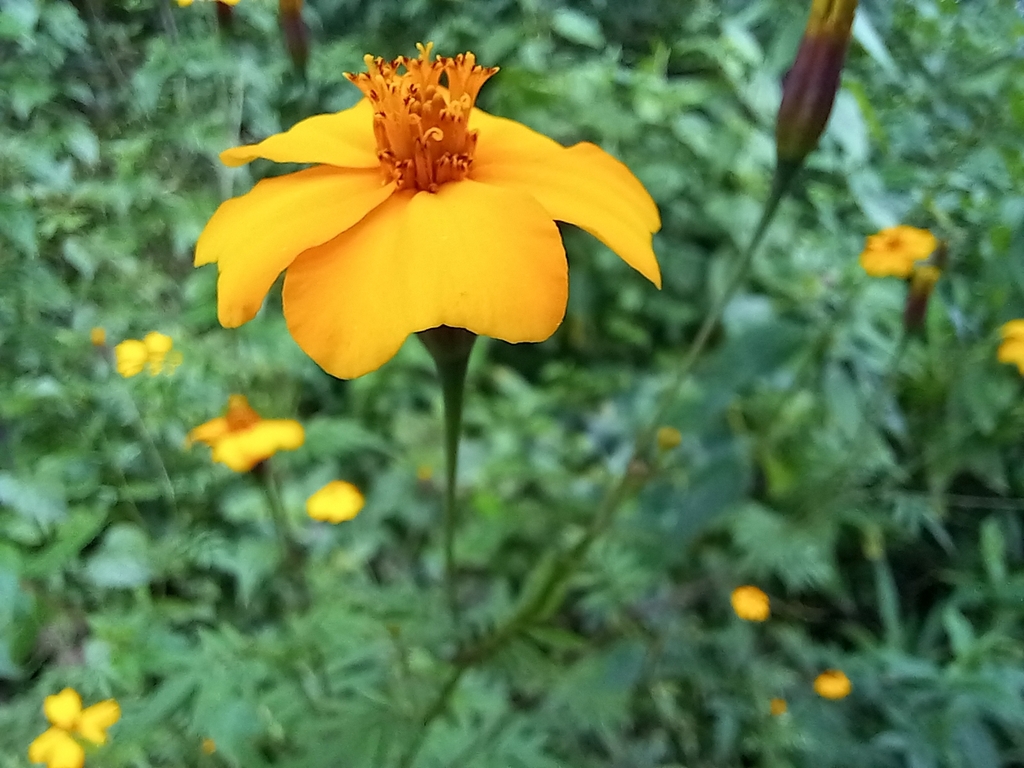

On this page
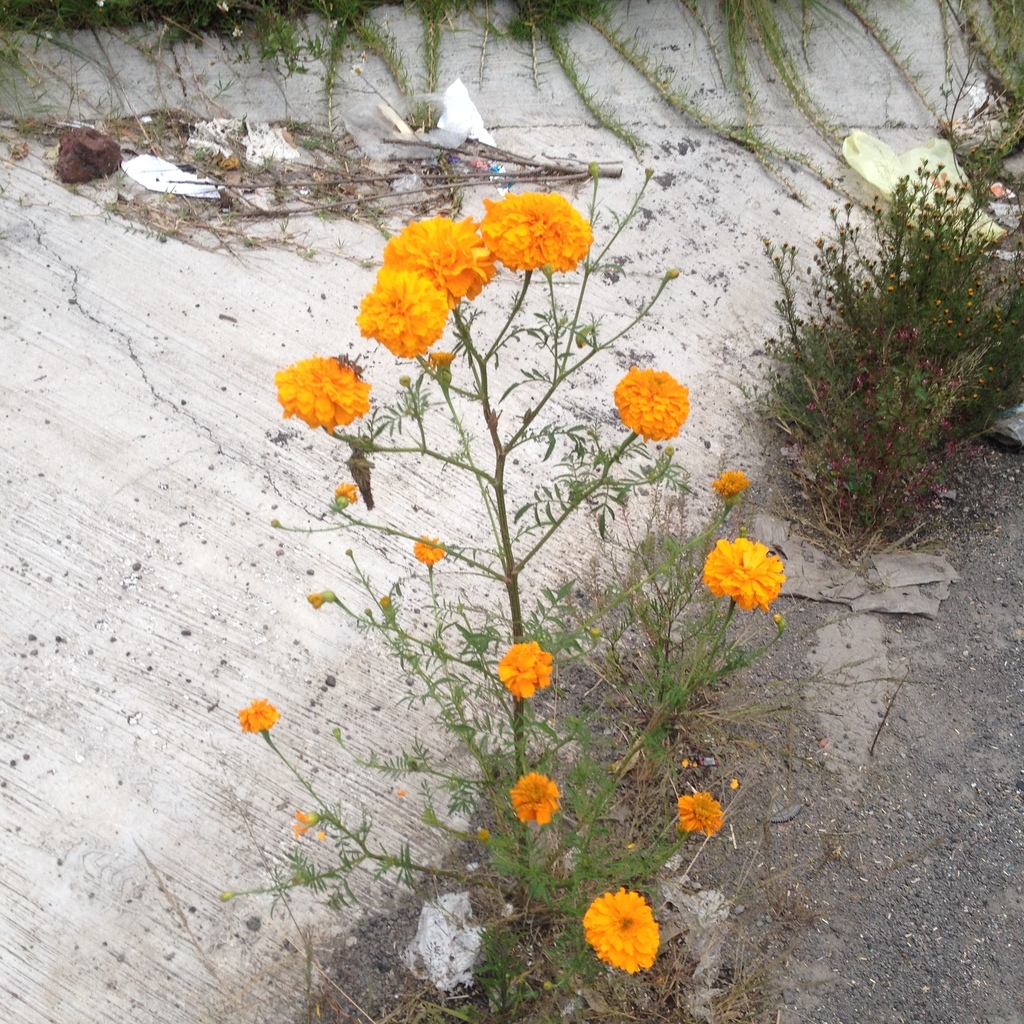
Marigolds are one of the easiest flowers to grow: sow after frost, give them full sun and average soil, deadhead, and they bloom non-stop until frost. Rich soil and heavy feeding actually reduce flowering. Their roots suppress root-knot nematodes, which is why they're planted through vegetable beds. Mildly irritating to pets if eaten in quantity but rarely serious. A six-pack of seedlings costs $3-6.
Key facts
- Despite the names 'African' and 'French' marigold, all Tagetes species are native to Mexico and Central America. The names come from where they became popular in European gardens.
- Marigold roots release alpha-terthienyl, which suppresses root-knot nematodes in soil. One of the few companion-planting claims with solid research behind it.
- The flower of Día de los Muertos in Mexico (cempasúchil) and the default garland flower of Indian weddings and festivals, genda phool.
- Petals are used commercially as a source of lutein, fed to chickens to deepen egg-yolk colour.
Care requirements#
| Plant type | Warm-season outdoor annual |
| Growing medium | Average, well-drained soil; unfussy about fertility |
| Light needs | Full sun, 6+ hours. Flowering drops sharply in shade |
| Water frequency | Water at the base when the top few centimetres dry; drought-tolerant once established |
| Humidity | Tolerates dry heat well; sustained wet, humid weather rots the dense flower heads |
| Temperature range | 18-32°C (65-90°F); killed by frost at either end of the season |
| Fertilizer | Little to none. Rich feeding gives lush leaves and few flowers |
| Soil pH | 6.0-7.5 (unfussy) |
| Drainage needs | Good; waterlogged soil causes stem rot |
| Spacing | 20-30cm for French types, 30-45cm for tall African types |
| Deadheading | Weekly removal of spent heads keeps blooming continuous |
| Toxicity | Mildly toxic to cats and dogs. Sap can irritate skin and eating plants may cause mild GI upset; rarely serious |
Growth & propagation#
| Days to bloom | 45-60 days from seed; nursery seedlings bloom within 2-3 weeks of planting |
| Mature size | French marigolds 15-30cm; African/Aztec types 60-90cm |
| Bloom season | Continuous from early summer to first frost with deadheading |
| Propagation methods | Seed: germinates in under a week in warm soil and is easily saved from dried heads |
| Companion planting | Interplant with tomatoes, beans, and brassicas; suppresses root-knot nematodes |
| Pruning needs | Pinch young plants once for bushiness; deadhead thereafter |
Common problems & troubleshooting#
| Symptom | Likely cause | Fix |
|---|---|---|
| Flower heads turning brown and mushy | Botrytis blight in wet, humid weather. Dense double blooms hold water | Deadhead promptly, water at the base in the morning, space plants for airflow |
| Plants lush and leafy but barely flowering | Too much nitrogen or too much shade | Stop feeding and ensure 6+ hours of direct sun; flowering resumes on new growth |
| Fine webbing and speckled, bronzed leaves | Spider mites in hot, dry spells. Marigolds are a favourite target | Hose plants down regularly; treat with insecticidal soap on leaf undersides |
| Seedlings chewed off at the base overnight | Slugs and snails, which love marigold seedlings | Protect young plants with barriers or traps; larger plants tolerate some grazing |
| Yellowing, wilting plant with blackened stem base | Stem/root rot in waterlogged soil | Remove affected plants and improve drainage; replant in a drier spot |
Deadhead on schedule, bloom without pause
Sodate turns weekly deadheading into a quick quest so the blooms never stop coming.
Seasonal care#
Varieties & cultivars#
| Variety | Distinguishing trait | Note |
|---|---|---|
| African/Aztec ('Crackerjack', 'Inca') | Tall plants, large 8-10cm pompom blooms | The garland marigold of India |
| French (Tagetes patula, 'Bonanza') | Compact 15-30cm plants, masses of smaller blooms | Best for edging and containers |
| Signet (Tagetes tenuifolia) | Ferny foliage, small single edible flowers with citrus notes | The culinary marigold |
| 'Kilimanjaro White' | Near-white blooms on an African-type plant | Result of a decades-long breeding prize challenge |
Buying checklist#
- Compact, well-branched seedlings, not stretched toward the light
- Buds showing colour rather than fully open blooms
- No webbing or speckling on leaves (spider mites)
- Check the label: French (short, edging) vs African (tall, back of bed)
- Seed is extremely cheap and easy. Consider a packet over seedlings
Pricing by region#
| Region | Price range | Typical unit | Basis |
|---|---|---|---|
| US | $3 – $6 | 6-pack of seedlings | Garden centre + big-box retail |
| UK | $3 – $8 | Bedding pack | Garden centre retail |
| India | $0.1 – $0.6 | Single seedling | Local nursery. Grown at massive scale for garlands |
| Australia | $3 – $7 | Punnet of seedlings | Nursery + garden centre |
| Canada | $3 – $6 | 6-pack of seedlings | Garden centre retail |
USD figures are approximate conversions for comparison; switch the dropdown to see each region's actual local-currency listing price.
Often confused with#
Name confusion warning#
"Marigold" means two unrelated plants. Tagetes (African/French marigold) is the warm-season Mexican genus; Calendula (pot marigold) is a cool-season European plant whose petals are common in herbal teas and salves. Recipes and remedies calling for 'marigold' almost always mean calendula, don't substitute Tagetes.
Where it's actually grown#
Bedding marigolds are grown from seed in regional greenhouses each spring, with the F1 hybrid seed itself produced mainly in India, Thailand, and China. India's cut-marigold garland industry dwarfs the bedding trade, with major growing belts around Kolkata, Bengaluru, and Tamil Nadu.
Import & biosecurity restrictions#
| Region | Note |
|---|---|
| Australia | Seed imports require permits and phytosanitary certification; bedding stock is grown domestically. |
| US | Domestic sale unrestricted; seed widely available. |
| UK | Home seed imports straightforward; bedding plants grown domestically. |
| India | No restriction; one of the largest marigold-growing countries on earth for the garland trade. |
| Canada | CFIA rules for commercial imports; home-garden seed packets typically clear without issue. |
Similar plants
Ranked in these guides
Did you know?
Frequently asked questions
Are marigolds toxic to dogs and cats?
Tagetes marigolds are mildly toxic: the sap can irritate skin, and eating plants may cause mild drooling or stomach upset. Serious poisoning is rare, but discourage pets from chewing them.
Do marigolds really protect vegetable gardens?
Partly true: marigold roots release compounds that suppress root-knot nematodes in soil, which research supports. Claims that their scent repels most insect pests above ground are much weaker.
Why are my marigolds not blooming?
Usually too much nitrogen or too little sun. Rich feeding produces leaves at the expense of flowers. Stop fertilizing, ensure 6+ hours of direct sun, and deadhead spent blooms.
Can I save marigold seeds?
Yes. Let a few heads dry completely on the plant, then pull out the slender black-and-white seeds. Open-pollinated varieties come true; F1 hybrids will vary but still grow fine.
How long do marigolds take to flower from seed?
About 45-60 days from sowing, one of the fastest garden flowers; seed germinates in under a week in warm soil.