 Sodate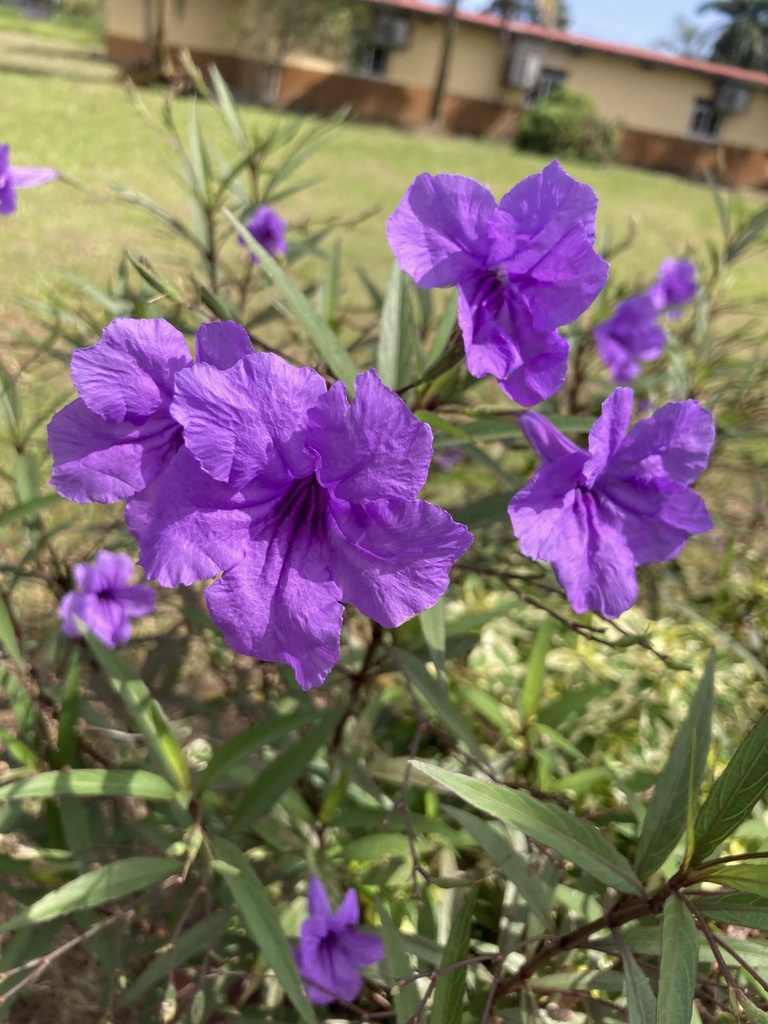

On this page
Petunias are frost-tender perennials grown everywhere as annuals. They bloom nonstop from spring to frost given full sun, and in baskets they are heavy feeders that may need daily water and weekly liquid feed. Older varieties need deadheading; when plants go leggy by midsummer, cutting stems back by half regrows a fresh mound in two weeks. Non-toxic to pets. Six-packs cost $3-$6; premium basket varieties $5-$12 a plant.
Key facts
- Technically a tender perennial (hardy only in zones 10-11) but grown as a spring-to-frost annual in nearly every climate.
- Container petunias are among the thirstiest, hungriest annuals: hanging baskets can need water daily in summer heat plus a weekly liquid feed to keep blooming.
- The mid-season haircut is the key trick. When plants go leggy and sparse by July, shearing stems back by half triggers a full fresh flush of growth and bloom within two weeks.
- Non-toxic to cats and dogs. One of the safest bedding annuals for pet households.
Care requirements#
| Plant type | Tender perennial grown as an annual; survives winter only in USDA 10-11 |
| Light needs | Full sun. 6+ hours; flowering thins dramatically in shade |
| Water frequency | Beds: 1-2x weekly. Baskets and pots: daily in hot weather, when the top 2cm is dry |
| Soil | Light, well-drained potting mix or amended garden soil |
| Soil pH | 5.5-6.5: slightly acidic; iron chlorosis shows in alkaline soil |
| Bloom season | Spring until first frost, continuously |
| Fertilizer | Weekly balanced liquid feed for containers; slow-release at planting for beds |
| Deadheading | Remove spent blooms and seed pods on older varieties; most modern hybrids (Wave, Supertunia) are self-cleaning |
| Mid-season rejuvenation | Shear leggy plants back by half in midsummer. Full rebloom in ~2 weeks |
| Spacing | 25-30cm; one trailing plant fills a 25-30cm basket |
| Frost tolerance | None: plant out only after the last frost |
| Toxicity | Non-toxic to cats and dogs |
Growth & propagation#
| Mature size | Mounding types 25-40cm; trailing types spread 60-120cm |
| Growth rate | Fast: plugs fill a basket in 4-6 weeks |
| Classification | Tender perennial treated as an annual (Solanaceae) |
| Propagation methods | Seed for open varieties; cuttings for patented vegetative hybrids |
| Propagation difficulty | Seed is fiddly (tiny, needs light to germinate); cuttings easy but many hybrids are patent-protected |
| Season length | Single season; discarded at frost |
Common problems & troubleshooting#
| Symptom | Likely cause | Fix |
|---|---|---|
| Leggy stems with flowers only at the tips by midsummer | Natural growth habit as stems extend | Cut all stems back by half, feed and water well. Plants regrow into a blooming mound within two weeks |
| Basket wilting every afternoon | Root-bound plants exhausting a small water reservoir in heat | Water deeply every morning (twice daily in heatwaves) or repot into a larger container with water-retentive mix |
| Yellow leaves with green veins | Iron chlorosis. Petunias need slightly acidic soil | Feed with an acidic fertilizer formulated for petunias and avoid alkaline tap-water buildup |
| Flowers full of small holes, buds disappearing | Tobacco budworm caterpillars. A signature petunia pest in the US | Hand-pick caterpillars at dusk or treat with Bt (Bacillus thuringiensis) |
| Sticky leaves and tiny white insects flying up | Whiteflies or aphids on stressed plants | Spray insecticidal soap on leaf undersides; healthy, well-fed plants resist better |
Baskets that never dry out
Sodate tightens watering reminders in summer heat, when a hanging basket of petunias can go from lush to crisp in a single missed day.
Seasonal care#
Varieties & cultivars#
| Variety | Distinguishing trait | Note |
|---|---|---|
| Wave series | Vigorous spreading groundcover habit, self-cleaning | The variety that redefined basket petunias in the 1990s |
| Supertunia 'Vista Bubblegum' | Pink flower machine of exceptional vigor | Cutting-propagated; a landscaper standard |
| 'Night Sky' | Purple petals speckled white like a starfield | Speckling varies with day/night temperature swing |
Buying checklist#
- Compact plants with many buds beat stretched plants in full bloom
- Check habit on the tag: mounding for beds, trailing (Wave/Supertunia) for baskets
- Self-cleaning modern hybrids save the deadheading chore
- No roots circling out of the cell bottom (root-bound stock stalls)
Pricing by region#
| Region | Price range | Typical unit | Basis |
|---|---|---|---|
| US | $3 – $12 | six-pack to premium 4.5in pot | Big-box + nursery bedding retail |
| UK | $4 – $10 | 6-pack or 9cm pot | Garden centre bedding retail |
| India | $0 – $2 | seedling or small pot | Local nursery, winter season |
| Australia | $3 – $10 | punnet or 140mm pot | Nursery + garden centre |
| Canada | $3 – $11 | six-pack to premium pot | Garden centre bedding retail |
USD figures are approximate conversions for comparison; switch the dropdown to see each region's actual local-currency listing price.
Often confused with#
Where it's actually grown#
The global petunia supply chain runs on breeding from Ball, Syngenta, and Proven Winners: elite cutting-propagated genetics are produced in offshore cutting farms (Kenya, Ethiopia, Central America) and rooted and finished by regional greenhouse growers each spring.
Import & biosecurity restrictions#
| Region | Note |
|---|---|
| Australia | Live plant imports restricted under biosecurity law; bedding stock produced domestically. |
| US | No restriction; one of the top-selling bedding annuals. (In 2017 many orange-flowered GM petunias were briefly recalled as unauthorized biotech, since re-approved.) |
| UK | No restriction; a hanging-basket staple. |
| India | No restriction; grown as a winter-season annual in the plains, summer in the hills. |
| Canada | CFIA rules for imports; domestic greenhouse production supplies the market. |
Similar plants
Ranked in these guides
Did you know?
Frequently asked questions
Are petunias annuals or perennials?
Botanically tender perennials, but they survive winter only in USDA zones 10-11, so virtually everyone grows them as spring-to-frost annuals.
Why do my petunias get leggy by midsummer?
It's their natural habit. Stems keep extending and bloom only at the tips. Shear everything back by half, feed and water, and the plant regrows into a fresh blooming mound in about two weeks.
Are petunias toxic to dogs or cats?
No. Petunias are non-toxic to cats and dogs, making them one of the safest choices for pet-accessible patios and baskets.
How often should I water petunias in a hanging basket?
Daily in warm weather, sometimes twice on hot windy days. Baskets hold little water and petunias are heavy drinkers. Pair with a weekly liquid feed.
How much do petunias cost?
Seed-grown six-packs run $3-$6 in the US, while premium patented trailing varieties cost $5-$12 per plant.