 Sodate
Home / Guides / Drought-tolerant plants for beginners
Best Drought-Tolerant Plants for Beginners: 10 Ranked (2026)

The best drought-tolerant plants for beginners are Black-eyed Susan, Haworthia, Sunflower. Sodate ranked 10 qualifying plants from a database of 208 profiles on a published 100-point rubric weighted to drought tolerance (40), care difficulty (25), pet safety (20) and cost (15). Black-eyed Susan scores 100/100, the highest in this group.
Black-eyed Susan, Haworthia, Sunflower lead this ranking of drought-tolerant plants for beginners. Entry requires full marks only where the plant's own care profile states weeks between waterings, not 'water when dry'. 5 of the 10 listed are non-toxic to cats and dogs. Every score is computed from the same four measures, drought tolerance, care difficulty, pet safety and cost, and the rubric is published below so you can recompute any ranking yourself.
Why trust this list
'Drought-tolerant' is the most abused phrase in plant retail, because almost every plant survives one missed watering. The measure here is the interval stated in each plant's own care profile: a plant scores full marks only where that interval is counted in weeks. Plants that merely prefer to dry out between drinks score lower, because a fortnight away from home is the situation this list is actually for. Every plant here is one whose own care profile describes it as forgiving, with plants whose profiles warn that they die easily excluded even where the word 'beginner' appears in the warning. The intent is a list you can buy from without needing to already know which recommendations are wrong.
At a glance: all 10 ranked
| Rank | Plant | Best for | Score | Drought tolerance | Pet safety | US price |
|---|---|---|---|---|---|---|
| #1 | Black-eyed Susan | People who travel or forget, in a home with pets | 100 | Weeks between drinks | Pet-safe | $6–$18 |
| #2 | Haworthia | People who travel or forget, in a home with pets | 100 | Weeks between drinks | Pet-safe | $5–$15 |
| #3 | Sunflower | People who travel or forget, in a home with pets | 100 | Weeks between drinks | Pet-safe | $2–$4 |
| #4 | Zebra Haworthia | People who travel or forget, in a home with pets | 100 | Weeks between drinks | Pet-safe | $6–$15 |
| #5 | Ponytail Palm | People who travel or forget, in a home with pets | 97 | Weeks between drinks | Pet-safe | $15–$45 |
| #6 | Jade Plant | People who travel or forget, if you forget to water | 88 | Weeks between drinks | Toxic | $5–$30 |
| #7 | Marigold | People who travel or forget, if you forget to water | 88 | Weeks between drinks | Toxic | $3–$6 |
| #8 | Peony | People who travel or forget, if you forget to water | 85 | Weeks between drinks | Toxic | $15–$40 |
| #9 | Snake Plant | People who travel or forget, if you forget to water | 85 | Weeks between drinks | Toxic | $15–$40 |
| #10 | ZZ Plant | People who travel or forget, if you forget to water | 85 | Weeks between drinks | Toxic | $15–$45 |
How we scored these
Every plant is scored out of 100 on four measures, each pulled directly from its care profile. No score is assigned by hand, so the ranking can be reproduced from the data:
Ties are broken alphabetically. Prices are researched typical retail ranges, not live quotes. Check each plant's profile for the regional breakdown.
All 10 drought-tolerant plants for beginners, ranked
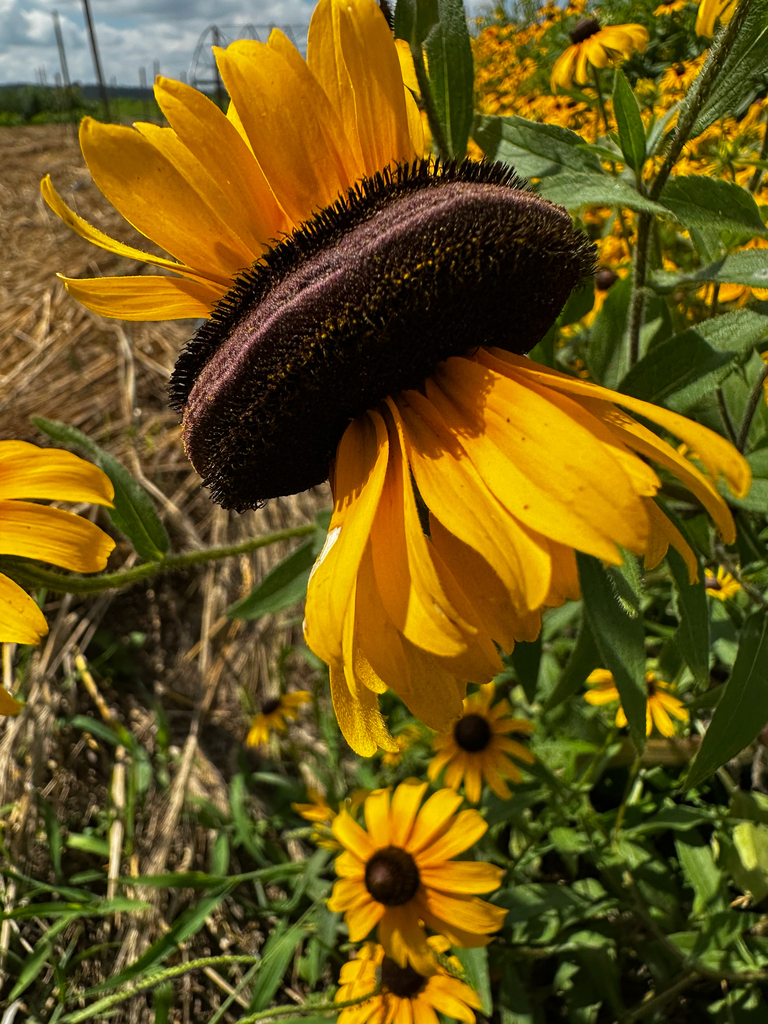
Black-eyed Susan
Brown-eyed Susan
Best for: People who travel or forget, in a home with pets
Elite tier: top-scoring on every measure
✓ Strong signal Light tolerance: Full sun. At least six hours; it stretches and flops in shade
⚠ Watch out for Dark brown or black leaf spots spreading upward: usually septoria or angular leaf spot, common in humid summers
Our take Black-eyed Susan is a prairie native that thrives on neglect: full sun, ordinary or poor well-drained soil, no feeding, and little water once established. It flowers from midsummer to frost and is a heavy pollinator draw, then feeds finches on its seed heads over winter.
Strengths
- Genuinely goes weeks between waterings
- Non-toxic to cats and dogs
- Beginner-friendly and forgiving of missed waterings
Trade-offs
- Watch for: dark brown or black leaf spots spreading upward
Care details
| Light | Full sun. At least six hours; it stretches and flops in shade |
| Water | : |
| Humidity | : |
| Temperature | : |
| Toxicity | Non-toxic to cats, dogs, and humans |
| US price | $6–$18 |
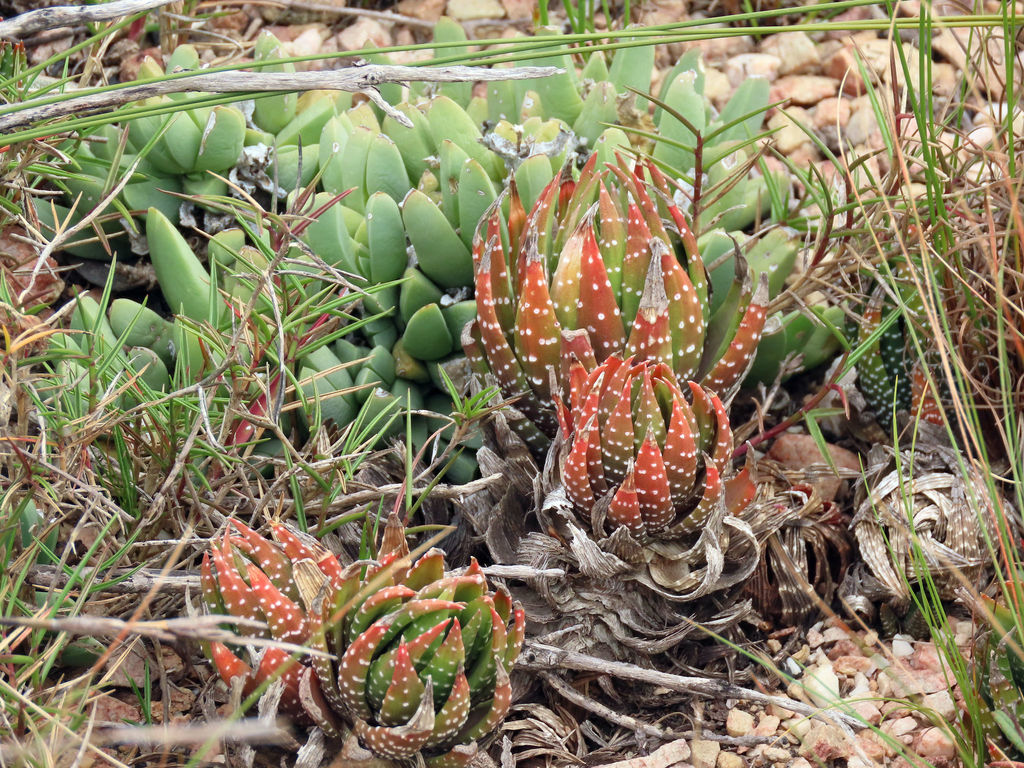
Haworthia
Haworthia fasciata
Best for: People who travel or forget, in a home with pets
Elite tier: top-scoring on every measure
✓ Strong signal Light tolerance: Bright indirect light; tolerates medium light better than most succulents; avoid harsh midday sun
⚠ Watch out for Mushy, translucent leaves: usually overwatering. the main killer of haworthia
Our take Haworthia is one of the most forgiving succulents: small, slow-growing, tolerant of lower light than most succulents, and non-toxic to pets. Water only when the soil is completely dry (every 2-3 weeks), and use a gritty, fast-draining mix.
Strengths
- Genuinely goes weeks between waterings
- Non-toxic to cats and dogs
- Beginner-friendly and forgiving of missed waterings
Trade-offs
- Watch for: mushy, translucent leaves
Care details
| Light | Bright indirect light; tolerates medium light better than most succulents; avoid harsh midday sun |
| Water | Every 2-3 weeks; only when soil is completely dry |
| Humidity | Low humidity preferred, typical of succulents |
| Temperature | 18-27°C (65-80°F); tolerates brief dips to 5°C (40°F) |
| Toxicity | Non-toxic to cats, dogs, and humans |
| US price | $5–$15 |
Sunflower
Helianthus annuus
Best for: People who travel or forget, in a home with pets
Elite tier: top-scoring on every measure
✓ Strong signal Light tolerance: Full sun, 6-8+ hours. The clue is in the name
⚠ Watch out for Seeds or seedlings vanish overnight: usually birds, squirrels, mice, slugs. everything eats sunflower seedlings
Our take Sunflowers are among the easiest and fastest plants you can grow: direct-sow seed after frost into full sun, water while establishing, and tall varieties hit 2-3m and bloom in 70-100 days. They hate transplanting (taproot), so sow where they'll grow, and stake tall types in wind.
Strengths
- Genuinely goes weeks between waterings
- Non-toxic to cats and dogs
- Beginner-friendly and forgiving of missed waterings
Trade-offs
- Watch for: seeds or seedlings vanish overnight
Care details
| Light | Full sun, 6-8+ hours. The clue is in the name |
| Water | Regular water until established, then deep weekly watering; fairly drought-tolerant thanks to the taproot |
| Humidity | Unfussy; good airflow limits fungal leaf spots |
| Temperature | Germinates at 10°C+, thrives 21-32°C (70-90°F); frost kills seedlings |
| Toxicity | Non-toxic to cats, dogs, and horses; seeds edible for humans |
| US price | $2–$4 |
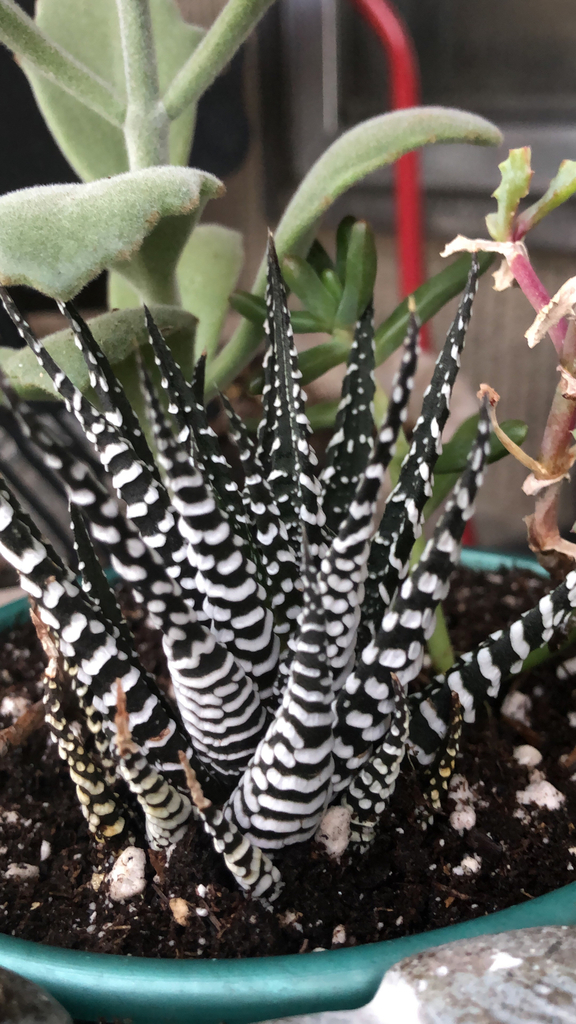
Zebra Haworthia
Zebra plant
Best for: People who travel or forget, in a home with pets
Elite tier: top-scoring on every measure
✓ Strong signal Light tolerance: Bright indirect light; tolerates medium light, but harsh direct sun reddens and scorches leaves
⚠ Watch out for Translucent, mushy lower leaves: usually overwatering and rot at the base
Our take Zebra haworthia is a genuinely beginner-friendly succulent: it stays under 15cm, tolerates far less light than an echeveria or aloe, and is hard to kill as long as you let the soil dry out completely between waterings. It is non-toxic to cats and dogs, offsets freely so you get f
Strengths
- Genuinely goes weeks between waterings
- Non-toxic to cats and dogs
- Beginner-friendly and forgiving of missed waterings
Trade-offs
- Watch for: translucent, mushy lower leaves
Care details
| Light | Bright indirect light; tolerates medium light, but harsh direct sun reddens and scorches leaves |
| Water | Every 2-3 weeks in summer, every 4-6 weeks in winter; soak, then let dry completely |
| Humidity | Low; normal dry indoor air is ideal |
| Temperature | 15-27°C (59-80°F); keep above 5°C (41°F) |
| Toxicity | Non-toxic to cats, dogs, and humans |
| US price | $6–$15 |

Ponytail Palm
Beaucarnea recurvata
Best for: People who travel or forget, in a home with pets
Elite tier: top-scoring on every measure
✓ Strong signal Light tolerance: Bright light, including direct sun; tolerates some lower light with slower growth
⚠ Watch out for Soft, mushy trunk base: usually overwatering. by far the most common failure mode
Our take Ponytail palm is an extremely drought-tolerant succulent, not a true palm, that stores water in its swollen trunk base. Water only when the soil is completely dry, give it bright light, and expect it to tolerate weeks of neglect without issue.
Strengths
- Genuinely goes weeks between waterings
- Non-toxic to cats and dogs
- Beginner-friendly and forgiving of missed waterings
Trade-offs
- Watch for: soft, mushy trunk base
Care details
| Light | Bright light, including direct sun; tolerates some lower light with slower growth |
| Water | Every 2-3 weeks; water only when soil is completely dry |
| Humidity | Tolerates low humidity well, typical of a desert-adapted succulent |
| Temperature | 18-29°C (65-85°F); tolerates brief cooler dips better than most tropical houseplants |
| Toxicity | Non-toxic to cats, dogs, and humans |
| US price | $15–$45 |
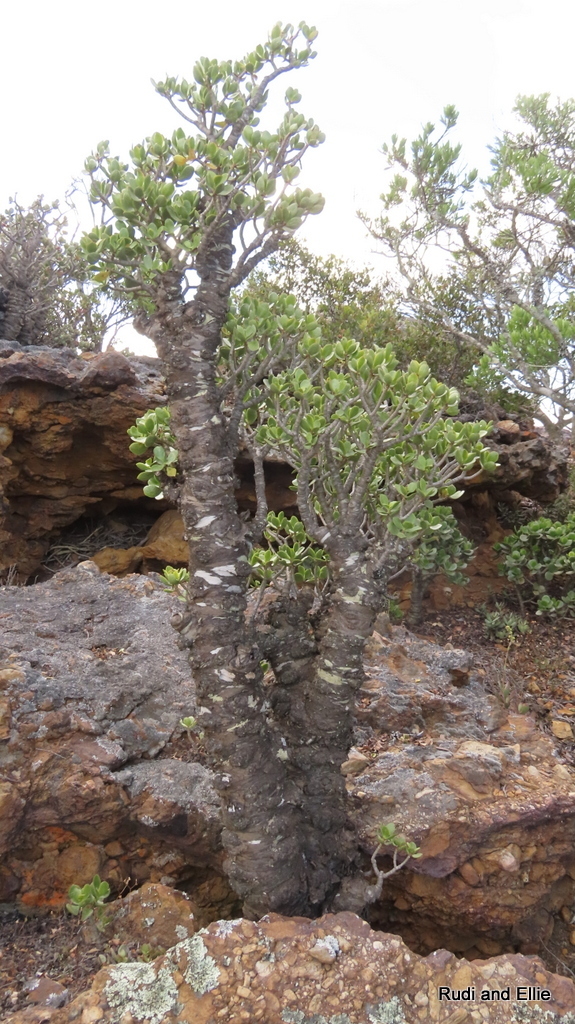
Jade Plant
Crassula
Best for: People who travel or forget, if you forget to water
Elite tier: top-scoring on every measure
✓ Strong signal Light tolerance: Bright light with at least 4 hours of direct or near-direct sun; a south or west window
⚠ Watch out for Leaves dropping while soft and yellowing, trunk soft near soil: usually overwatering. root and stem rot
Our take Jade plants want sun and neglect: a bright window with some direct light, gritty succulent mix, and water only when the soil is fully dry (every 2-3 weeks). They branch into genuine little trees, propagate from a single dropped leaf, and can live 50+ years.
Strengths
- Genuinely goes weeks between waterings
- Beginner-friendly and forgiving of missed waterings
- Inexpensive to start ($5–$30 in the US)
Trade-offs
- Toxic to pets if chewed
- Watch for: leaves dropping while soft and yellowing, trunk soft near soil
Care details
| Light | Bright light with at least 4 hours of direct or near-direct sun; a south or west window |
| Water | Every 2-3 weeks; only when the soil is completely dry, less in winter |
| Humidity | Low; dry indoor air is ideal |
| Temperature | 18-24°C (65-75°F); tolerates down to 7°C (45°F) if kept dry; no frost |
| Toxicity | Toxic to cats and dogs; mildly irritating to humans if eaten |
| US price | $5–$30 |
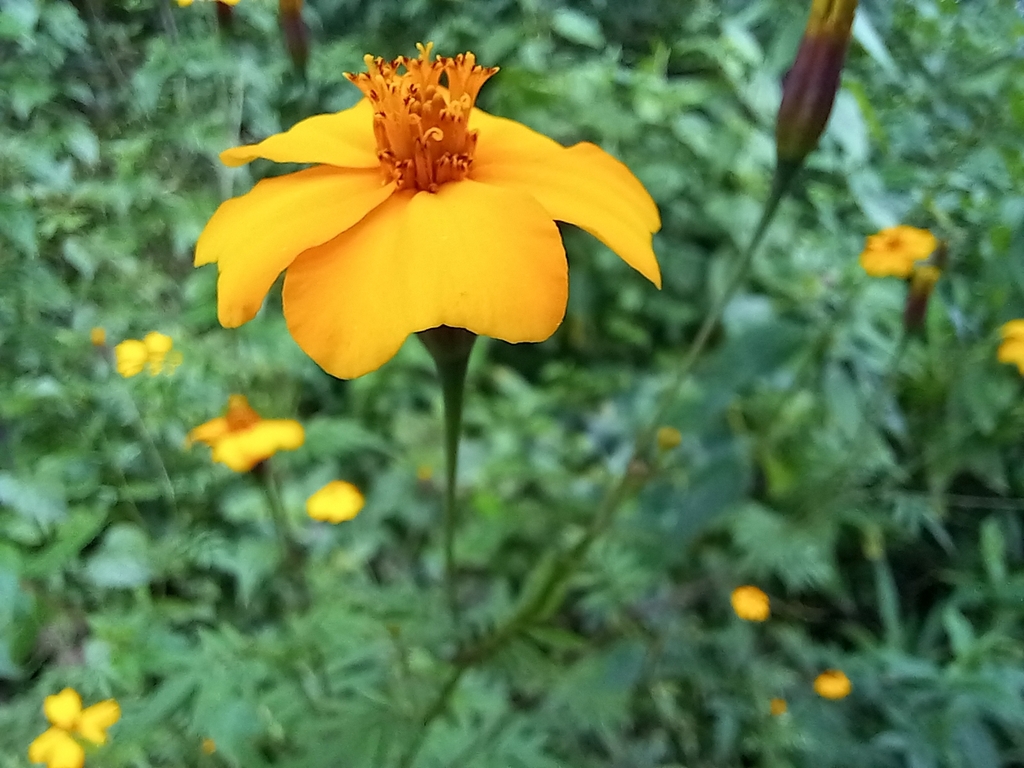
Marigold
Tagetes erecta
Best for: People who travel or forget, if you forget to water
Elite tier: top-scoring on every measure
✓ Strong signal Light tolerance: Full sun, 6+ hours. Flowering drops sharply in shade
⚠ Watch out for Flower heads turning brown and mushy: usually botrytis blight in wet, humid weather. dense double blooms hold water
Our take Marigolds are one of the easiest flowers to grow: sow after frost, give them full sun and average soil, deadhead, and they bloom non-stop until frost. Rich soil and heavy feeding actually reduce flowering.
Strengths
- Genuinely goes weeks between waterings
- Beginner-friendly and forgiving of missed waterings
- Inexpensive to start ($3–$6 in the US)
Trade-offs
- Toxic to pets if chewed
- Watch for: flower heads turning brown and mushy
Care details
| Light | Full sun, 6+ hours. Flowering drops sharply in shade |
| Water | Water at the base when the top few centimetres dry; drought-tolerant once established |
| Humidity | Tolerates dry heat well; sustained wet, humid weather rots the dense flower heads |
| Temperature | 18-32°C (65-90°F); killed by frost at either end of the season |
| Toxicity | Mildly toxic to cats and dogs. Sap can irritate skin and eating plants may cause mild GI upset; rarely serious |
| US price | $3–$6 |
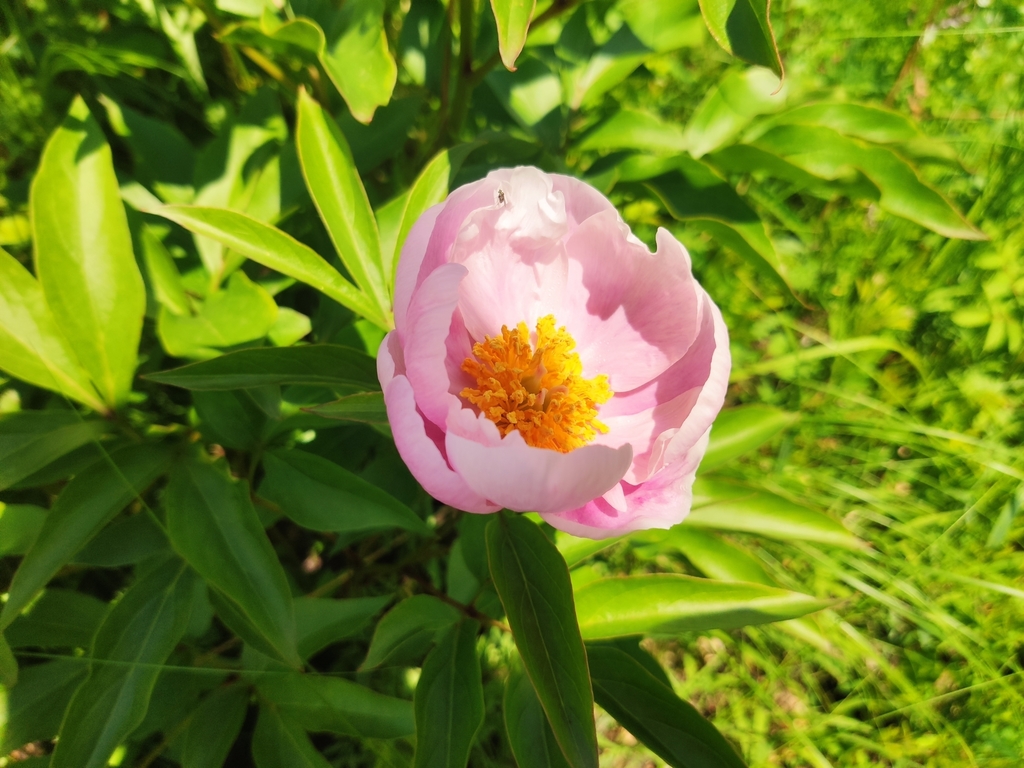
Peony
Garden peony
Best for: People who travel or forget, if you forget to water
Elite tier: top-scoring on every measure
✓ Strong signal Light tolerance: Full sun, at least 6 hours; light afternoon shade is acceptable in hot regions
⚠ Watch out for Healthy leaves but no flowers: usually planted too deep, the single most common cause, or too much shade, too much nitrogen, or a clump moved too recently
Our take Peonies are forgiving once planted and famously long-lived, often flowering for fifty years or more from a single planting. The one thing to get right is depth: set the eyes just 3-5cm below the surface, because planting too deep is the main reason a peony grows leaves and never
Strengths
- Genuinely goes weeks between waterings
- Beginner-friendly and forgiving of missed waterings
- Inexpensive to start ($15–$40 in the US)
Trade-offs
- Toxic to pets if chewed
- Watch for: healthy leaves but no flowers
Care details
| Light | Full sun, at least 6 hours; light afternoon shade is acceptable in hot regions |
| Water | Deep watering weekly in dry weather during spring growth and flowering; drought-tolerant once established |
| Humidity | : |
| Temperature | : |
| Toxicity | Mildly toxic to cats and dogs; paeonol in the roots and bark causes vomiting and diarrhoea if eaten in quantity |
| US price | $15–$40 |
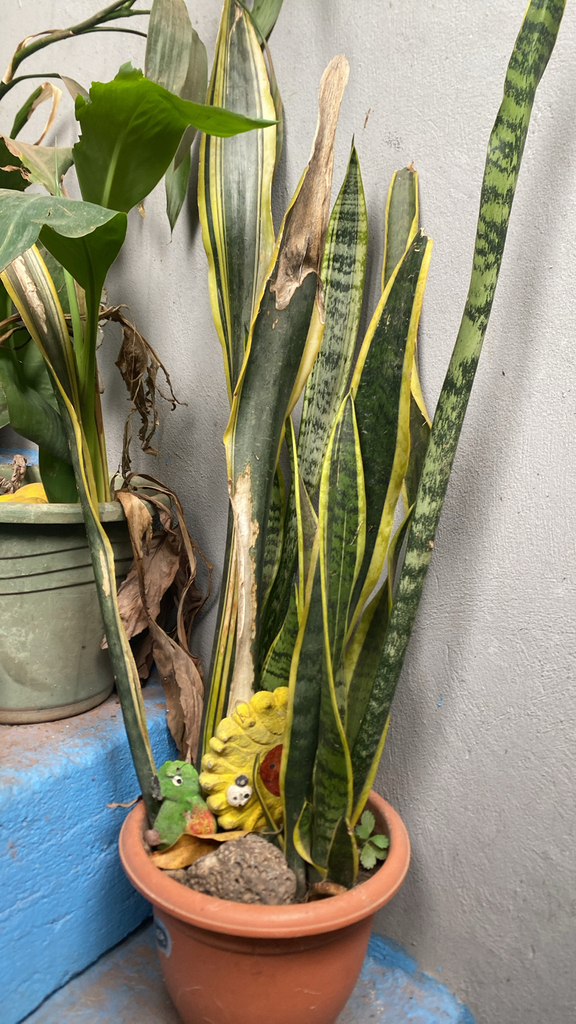
Snake Plant
Dracaena trifasciata
Best for: People who travel or forget, if you forget to water
Elite tier: top-scoring on every measure
✓ Strong signal Light tolerance: Tolerates everything from low light to direct sun; grows fastest in bright indirect light
⚠ Watch out for Mushy, collapsing leaves at the base: usually overwatering. effectively the only way this plant dies
Our take Snake plant tolerates nearly everything: low light, missed waterings, dry air, and neglect. Water every 2-6 weeks depending on season, only when soil is fully dry, and give it any light from dim to bright.
Strengths
- Genuinely goes weeks between waterings
- Beginner-friendly and forgiving of missed waterings
- Inexpensive to start ($15–$40 in the US)
Trade-offs
- Toxic to pets if chewed
- Watch for: mushy, collapsing leaves at the base
Care details
| Light | Tolerates everything from low light to direct sun; grows fastest in bright indirect light |
| Water | Every 2-4 weeks in the growing season, up to 6 weeks in winter; only when soil is fully dry |
| Humidity | Any household humidity is fine, including very dry air |
| Temperature | 15-29°C (60-85°F); avoid prolonged cold below 10°C (50°F) |
| Toxicity | Mildly toxic to cats and dogs if chewed |
| US price | $15–$40 |
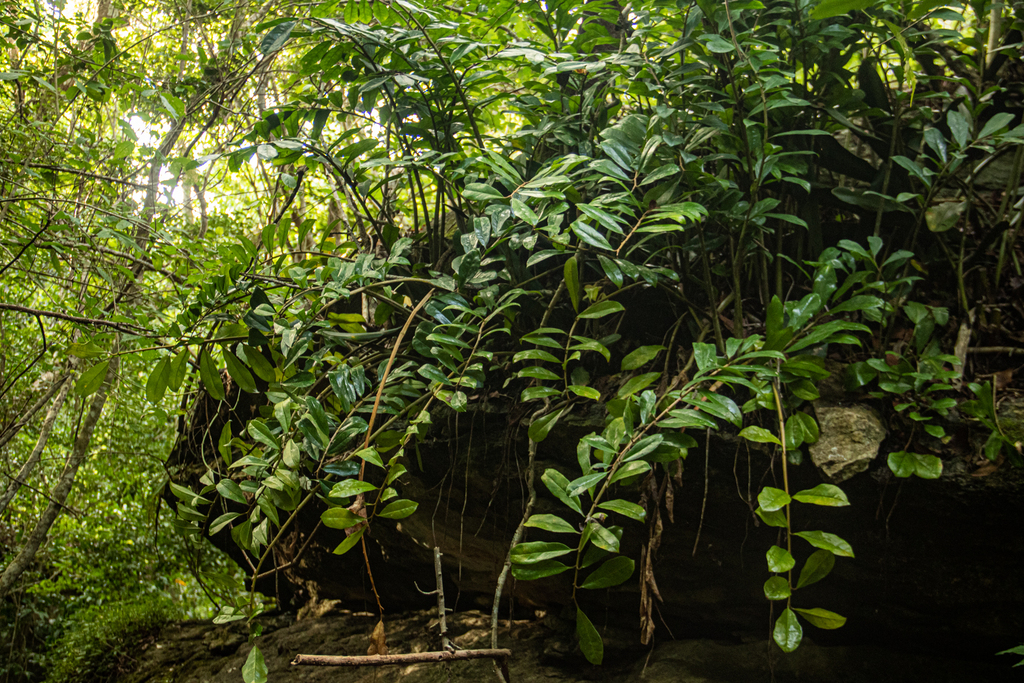
ZZ Plant
Zamioculcas zamiifolia
Best for: People who travel or forget, if you forget to water
Elite tier: top-scoring on every measure
✓ Strong signal Light tolerance: Low to bright indirect light; avoid harsh direct sun which yellows leaflets
⚠ Watch out for Yellowing stems and leaflets: usually overwatering rotting the rhizomes
Our take ZZ plant rivals snake plant as the most neglect-proof houseplant: its underground rhizomes store enough water for weeks, it tolerates dim light, and it shrugs off dry air. Water only when soil is fully dry (every 2-4 weeks), keep it out of direct sun, and don't overwater.
Strengths
- Genuinely goes weeks between waterings
- Beginner-friendly and forgiving of missed waterings
- Inexpensive to start ($15–$45 in the US)
Trade-offs
- Toxic to pets if chewed
- Watch for: yellowing stems and leaflets
Care details
| Light | Low to bright indirect light; avoid harsh direct sun which yellows leaflets |
| Water | Every 2-4 weeks; only when soil is completely dry |
| Humidity | Any household humidity, including very dry air |
| Temperature | 18-27°C (65-80°F); avoid below 10°C (50°F) |
| Toxicity | Toxic to pets and humans if chewed; sap may irritate skin |
| US price | $15–$45 |
Stop guessing whether that corner is bright enough
Sodate measures the actual light where your plant sits and builds its watering schedule from that reading and your season, not a fixed interval. Currently in development.
See Sodate: coming soonWhat to check before buying
- Ask where the plant was grown. Greenhouse-grown stock looks perfect for weeks on stored energy before it shows dim-room stress
- Check leaf spacing on the stem: wide gaps mean it was already stretching for light before you bought it
- Choose plain-green over variegated for genuinely dim spots. Variegated leaves have less chlorophyll and need more light
- Inspect leaf undersides and stem joints for pests, which spread faster on plants stressed by low light
- Confirm pet toxicity yourself if you have cats or dogs, rather than relying on shelf labels
Red flags to walk away from
- 'Drought-tolerant' with no watering interval attached. Ask how many weeks, not whether it likes dry soil.
- Succulents and cacti sold in pots with no drainage hole. Drought tolerance is worthless if the water cannot leave.
- Plants sold in dense, peat-heavy mix. The mix holds water far longer than the plant wants, so the stated interval will not apply.
- Starter bundles of several tiny plants. Small pots dry out fastest and are hardest to read, which is the opposite of beginner-friendly.
Best time to buy
No strong seasonal advantage. If anything buy in spring or summer, when the plant is in active growth and can recover from the root disturbance of repotting. Avoid buying drought-tolerant plants that have been sitting in wet nursery soil through winter, as root damage may already be done.
Frequently asked questions
How long can these plants actually go without water?
It depends on pot size, light and season, but the plants scoring 40 here have care profiles stating two to four weeks between waterings in active growth, and longer in winter. Check the water row on each plant's profile for its specific interval.
Will drought-tolerant plants die if I water them normally?
Many will, and this is the most common way people kill them. Overwatering, not underwatering, is the usual cause of death in this group. A weekly schedule applied to a plant that wants a fortnight is how root rot starts.
Can I leave these for a three-week holiday?
Most of the top-scoring plants here will be fine for two to three weeks if you water thoroughly before leaving and move them out of direct sun. Do not add extra water 'to compensate', as standing wet soil is what causes rot.
How many plants should I start with?
One or two. The common failure is buying six at once, discovering they want different things, and treating them all the same.
What tool actually helps a beginner?
Your finger. Push it two to three centimetres into the soil before watering. Moisture meters are unreliable and cost more than the plant.
Limitations of this ranking
Stated plainly, so you can judge how much weight to give it:
- No physical testing. Nothing here was grown, timed or measured by us. Every score is computed from the structured care data on this site, which is compiled from the botanical and horticultural sources listed below.
- Prices are researched ranges, not live quotes. They are typical retail for a standard starter size and will drift. Each plant profile carries the regional breakdown for five countries.
- Scores are relative to this directory, which holds 208 profiles. A plant absent from the directory cannot appear here, so this is not a claim about every plant in existence.
- Care data is species-level. Your light, your water and your home will move any of these plants up or down more than the gap between adjacent ranks.
- No credentialed horticulturist has reviewed this. These pages are compiled and edited against a published rubric and cited sources. Where a claim matters, the source is linked below so you can check it rather than take it on authority. Our review panel page lists every section that has no expert reviewer yet and the credential we require to fill it.
Sources
Of the 208 plant profiles in this directory, 10 meet the entry bar for drought-tolerant plants for beginners (5%). 5 of the 10 ranked here are non-toxic to cats and dogs, and the median entry price across the list is $6.
- ASPCA Toxic and Non-Toxic Plant List. Species-level toxicity to cats and dogs, used for every pet-safety score.
- GBIF (Global Biodiversity Information Facility). Accepted botanical names and taxon identifiers for every profile.
- iNaturalist. Source of the CC-licensed photographs, with photographer and licence credited per image.
- RHS Plant Finder. UK cultivation guidance, hardiness ratings and cultivar naming.
- Missouri Botanical Garden Plant Finder. Cross-checked culture notes, mature size and problem diagnosis.
Editorial disclosure: no plant on this page is sponsored, and Sodate takes no payment, commission or affiliate revenue for placement. Rankings are generated from the data by the scoring code in this site's repository, not chosen by hand. Published , last updated .