 Sodate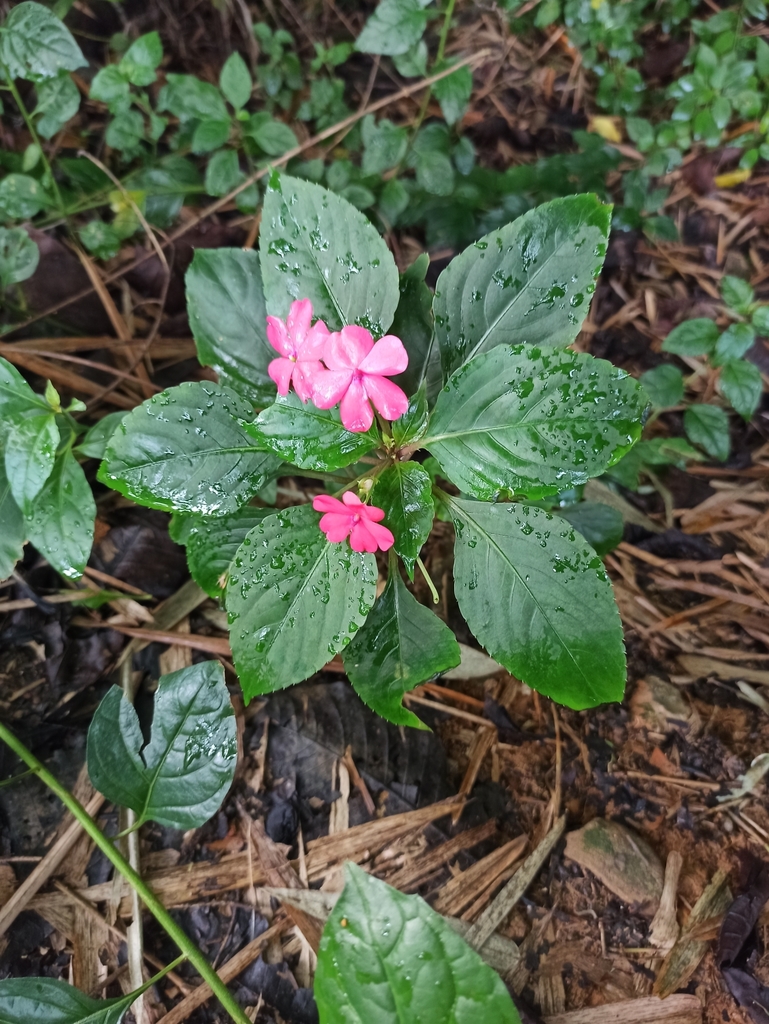
On this page
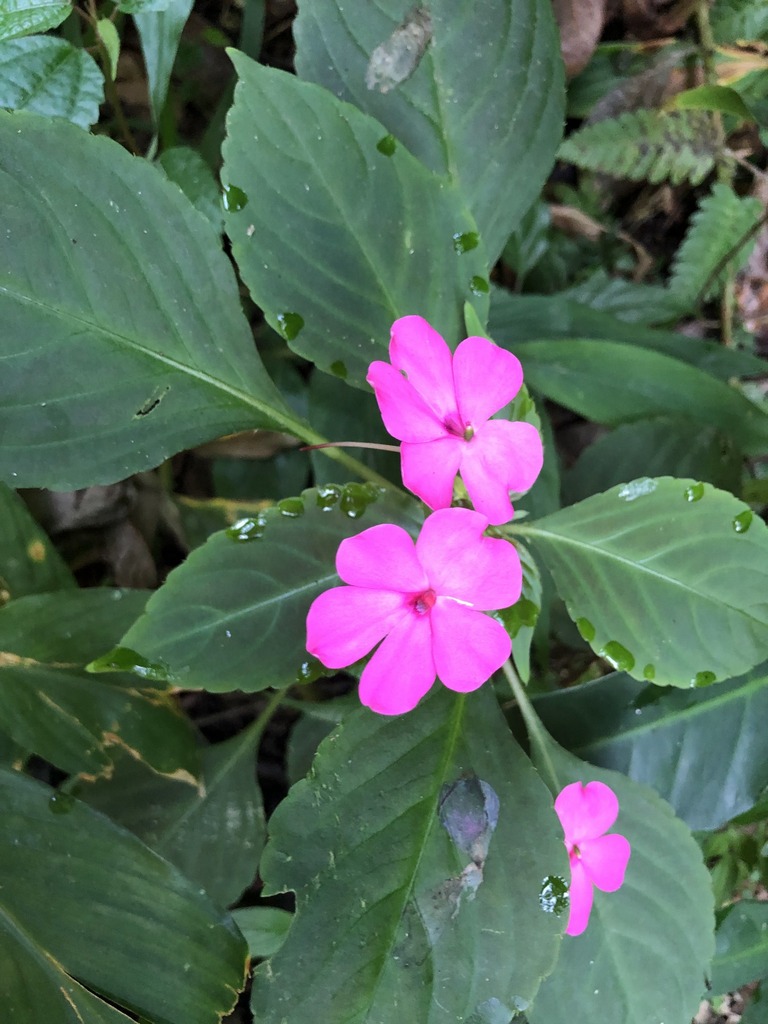
Impatiens is a forgiving shade annual that flowers non-stop from late spring to first frost and is genuinely one of the easiest bedding plants to grow. It needs part to full shade, consistently moist soil, and no deadheading at all. Spent flowers drop by themselves. Frost-tender, so treat it as an annual outside USDA zones 10-11. Non-toxic to cats and dogs. Plants cost $2-$8.
Key facts
- One of very few bedding plants that flowers heavily in shade, including north-facing beds that get no direct sun.
- Self-cleaning: faded flowers drop on their own, so no deadheading is needed to keep it blooming.
- Non-toxic to cats, dogs and horses, which makes it a safe choice for gardens where pets graze.
- Impatiens downy mildew (Plasmopara obducens) wiped out plantings across Europe and North America from 2011; New Guinea impatiens and SunPatiens are resistant alternatives.
Care requirements#
| Plant type | Tender annual (perennial only in frost-free climates); bedding and container plant |
| Growing medium | Moisture-retentive but free-draining compost or garden soil enriched with organic matter |
| Light needs | Part to full shade; scorches and stalls in hot afternoon sun |
| Water frequency | Keep consistently moist. Check daily in containers during summer; wilts dramatically when dry |
| Hardiness zone (USDA) | 10-11 as a perennial; grown as an annual in zones 2-9 |
| Hardiness zone (RHS) | H2. Tender, killed by the first frost |
| Bloom season | Late spring until the first autumn frost, continuously |
| Temperature range | 15-25°C (60-77°F); growth stops below 10°C (50°F) |
| Fertilizer | Balanced liquid feed every 2-3 weeks; over-feeding produces leaves at the expense of flowers |
| Soil pH | 6.0-6.5 (slightly acidic) |
| Drainage needs | Moderate: moist but never waterlogged |
| Toxicity | Non-toxic to cats, dogs, horses and humans |
Growth & propagation#
| Mature size | 20-45cm tall and wide depending on variety |
| Growth rate | Fast: fills a bed within 6-8 weeks of planting out |
| Propagation methods | Stem cuttings root in plain water in about a week; also grown from fine seed sown indoors 10-12 weeks before last frost |
| Propagation difficulty | Beginner-friendly from cuttings; seed needs light to germinate and is fiddlier |
| Repotting schedule | Not usually repotted; replanted fresh each season |
| Pruning timing | Pinch growing tips at planting time to force bushiness, and shear leggy midsummer plants back by a third to trigger a fresh flush. No deadheading needed. |
Common problems & troubleshooting#
| Symptom | Likely cause | Fix |
|---|---|---|
| Sudden collapse, leaves fall, white fuzz on leaf undersides | Impatiens downy mildew | Remove and bin (do not compost) infected plants, and do not replant Impatiens walleriana in that soil for several years; switch to New Guinea impatiens or SunPatiens |
| Wilting in the middle of the day | Dry compost, or too much direct sun | Water thoroughly and move containers into shade; plants usually recover within hours |
| Leafy plants with few flowers | Too much nitrogen fertilizer or very deep shade | Reduce feeding and move to a spot with bright indirect light or dappled shade |
| Leggy, sprawling stems by midsummer | Natural habit in low light | Shear back by a third; new flowering growth appears within two weeks |
Watering that keeps up with a thirsty shade annual
Impatiens wilts fast and recovers slowly. Sodate builds its watering quests around your actual weather and pot size.
Seasonal care#
Varieties & cultivars#
| Variety | Distinguishing trait | Note |
|---|---|---|
| 'Super Elfin' series | Compact, wide colour range | The classic bedding impatiens; susceptible to downy mildew |
| New Guinea impatiens (I. hawkeri) | Larger flowers, bronze-tinged leaves, tolerates more sun | Resistant to impatiens downy mildew |
| SunPatiens | Vigorous interspecific hybrid, full sun to shade | Mildew-resistant and much larger; best for big containers |
| 'Beacon' series | Standard walleriana looks with bred-in mildew resistance | The modern replacement for older bedding series |
Buying checklist#
- Leaf undersides are clean, with no white downy coating
- Stems are firm and upright, not water-soaked or collapsed
- Plenty of buds rather than a flush of fully open flowers
- Compost is moist: impatiens sold dried out rarely recovers well
Pricing by region#
| Region | Price range | Typical unit | Basis |
|---|---|---|---|
| US | $2 – $8 | 4in pot / cell pack | Garden centre + big-box retail |
| UK | $2 – $7 | 9cm pot / 6-pack | Garden centre retail |
| India | $1 – $2 | 4in pot | Urban nursery retail |
| Australia | $3 – $9 | punnet / 100mm pot | Nursery retail |
| Canada | $3 – $9 | 4in pot / cell pack | Garden centre retail |
USD figures are approximate conversions for comparison; switch the dropdown to see each region's actual local-currency listing price.
Often confused with#
Where it's actually grown#
Bedding impatiens is produced at enormous scale from seed and cuttings by breeders such as PanAmerican and Sakata, with cutting production concentrated in Central America and East Africa. Finished plants are grown regionally because the soft stems travel badly.
Import & biosecurity restrictions#
| Region | Note |
|---|---|
| Australia | Live plant imports restricted; seed and plants widely available domestically. |
| US | Unrestricted domestic sale; the leading shade bedding annual by volume. |
| UK | No restriction on sale; downy mildew outbreaks reduced availability of walleriana types for several seasons after 2011. |
| India | No restriction; grown as a cool-season bedding plant in the plains and year-round in hill stations. |
| Canada | CFIA rules apply to commercial imports; sold everywhere as a spring annual. |
Similar plants
Ranked in these guides
Did you know?
Frequently asked questions
Is impatiens safe for cats and dogs?
Yes. Impatiens is non-toxic to cats, dogs and horses, making it one of the safer choices for a garden where pets graze.
Do I need to deadhead impatiens?
No. Impatiens is self-cleaning: spent flowers drop off on their own and the plant keeps blooming without any deadheading.
Why did my impatiens suddenly collapse?
Most likely impatiens downy mildew. Check the leaf undersides for a white fuzzy coating. Infected plants should be binned rather than composted, and Impatiens walleriana should not be replanted in that soil for several years.
Can impatiens grow in full shade?
Yes, it flowers in part to full shade, which is why it dominates north-facing beds. Very deep shade reduces flowering but the plant survives.
How much does impatiens cost?
Cell packs and 4-inch pots typically cost $2-$8 in the US and £2-£6 in the UK.