 Sodate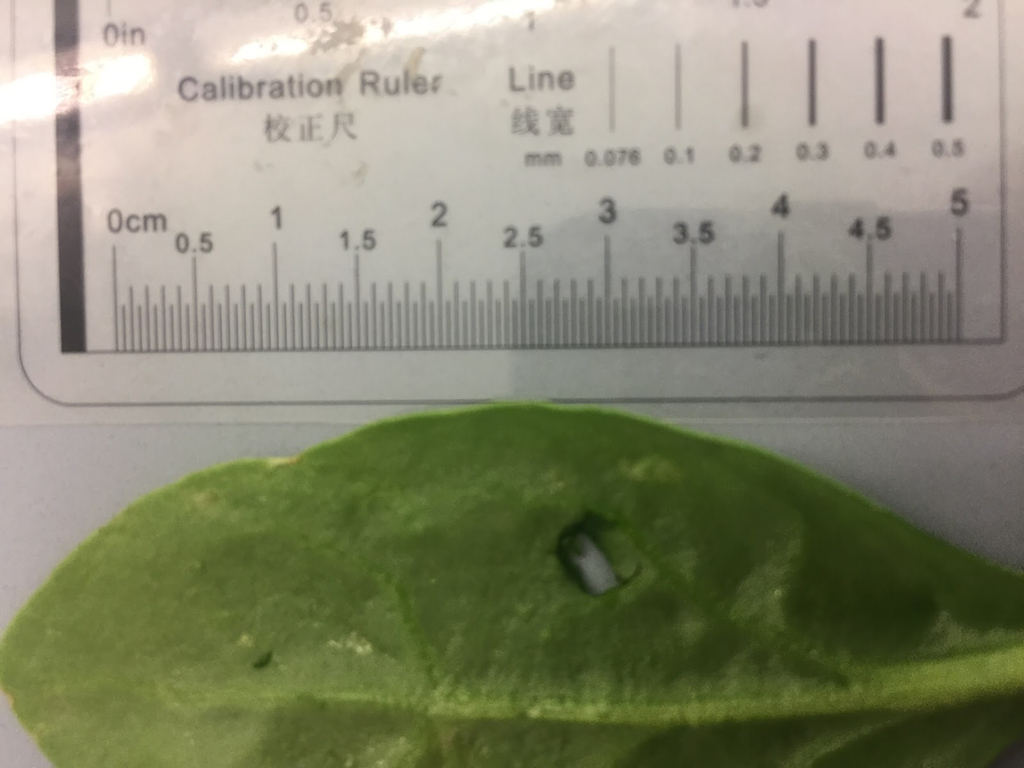
On this page
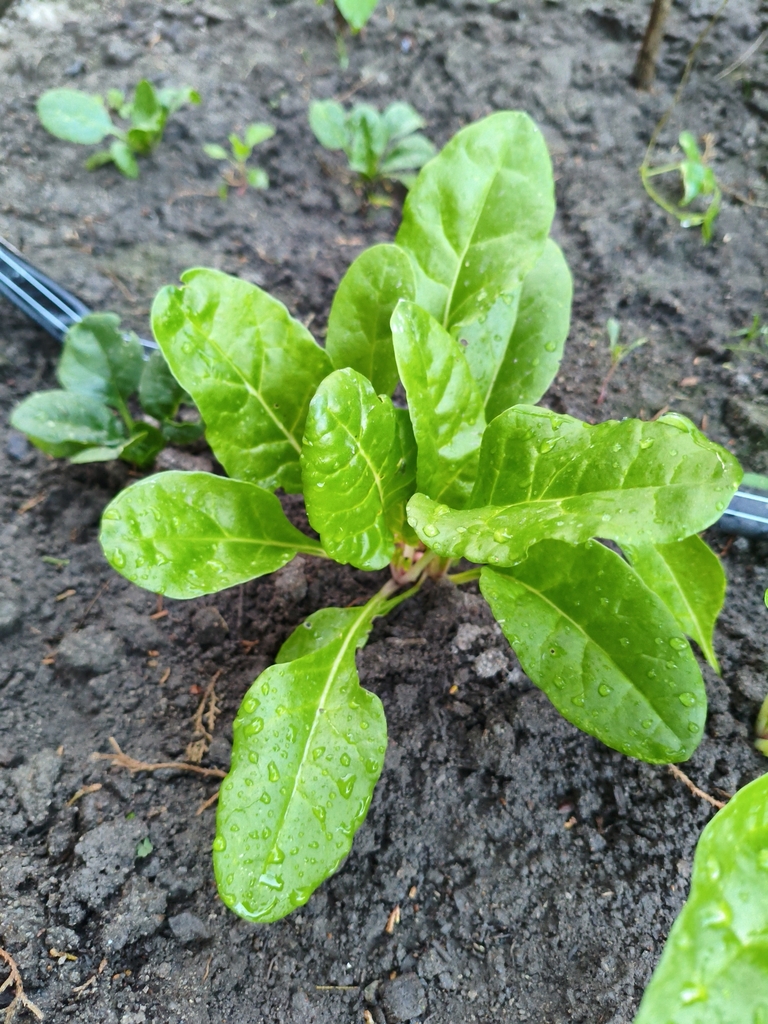
Spinach is a sprint crop for cool weather: sow direct in early spring or late summer, pick baby leaves from 35 days, and take outer leaves so plants keep producing. Its one great enemy is bolting. Heat above ~24°C and lengthening days flip it to seed production almost overnight, turning leaves bitter. Skip midsummer sowings entirely and grow it as a spring and autumn crop.
Key facts
- Originated in ancient Persia (the word comes from Persian 'aspanakh') and reached Europe via Moorish Spain by the 12th century.
- Bolting is triggered by day length as much as heat. Lengthening spring days push plants to flower, which is why autumn sowings last longer than late-spring ones.
- One of the most cold-hardy vegetables: established plants survive -6°C and overwinter under fleece in many climates for an extra-early spring crop.
- Its famous iron content is real but overstated by a legend. The oxalic acid in the leaves also partly blocks iron absorption.
Care requirements#
| Plant type | Outdoor cool-season annual leafy green |
| Growing medium | Rich, moisture-retentive, well-drained soil; excellent in 20cm-deep containers and window boxes |
| Light needs | Full sun in spring/autumn; light afternoon shade extends the season into warm weather |
| Sowing season | Early spring as soon as soil is workable, and again late summer for autumn/winter crops; winter is the season in hot climates like the Indian plains (palak) |
| Water frequency | Keep evenly moist. 2.5cm per week; drought is a fast track to bolting and bitter leaves |
| Temperature range | Best at 10-21°C (50-70°F); bolts rapidly above ~24°C (75°F); established plants survive -6°C |
| Spacing | Thin to 7-10cm for baby leaf, 15cm for full-size plants; rows 25-30cm apart |
| Fertilizer | Nitrogen-rich feed (or compost-rich bed). Spinach is a hungry leaf crop |
| Soil pH | 6.5-7.5: more lime-tolerant than most vegetables, unhappy in acid soil |
| Support needs | None |
| Companion plants | Strawberries, brassicas, peas; grows well in the shade of taller crops in warm spells |
| Toxicity | Edible; leaves are high in oxalates, worth moderating for people prone to kidney stones |
Growth & propagation#
| Days to harvest | 35-40 days for baby leaves, 45-50 for full-size |
| Yield | 5-10 cut-and-come-again pickings per plant before quality drops |
| Harvest method | Pick outer leaves and leave the central rosette growing, or cut whole plants 2.5cm above the crown to resprout |
| Edible parts | Leaves and stems |
| Propagation methods | Direct-sown seed; germinates poorly above 24°C soil (chill seed in the fridge for summer sowings) |
| Pruning needs | None beyond harvesting; snip any flower stalk immediately to buy a few more days |
Common problems & troubleshooting#
| Symptom | Likely cause | Fix |
|---|---|---|
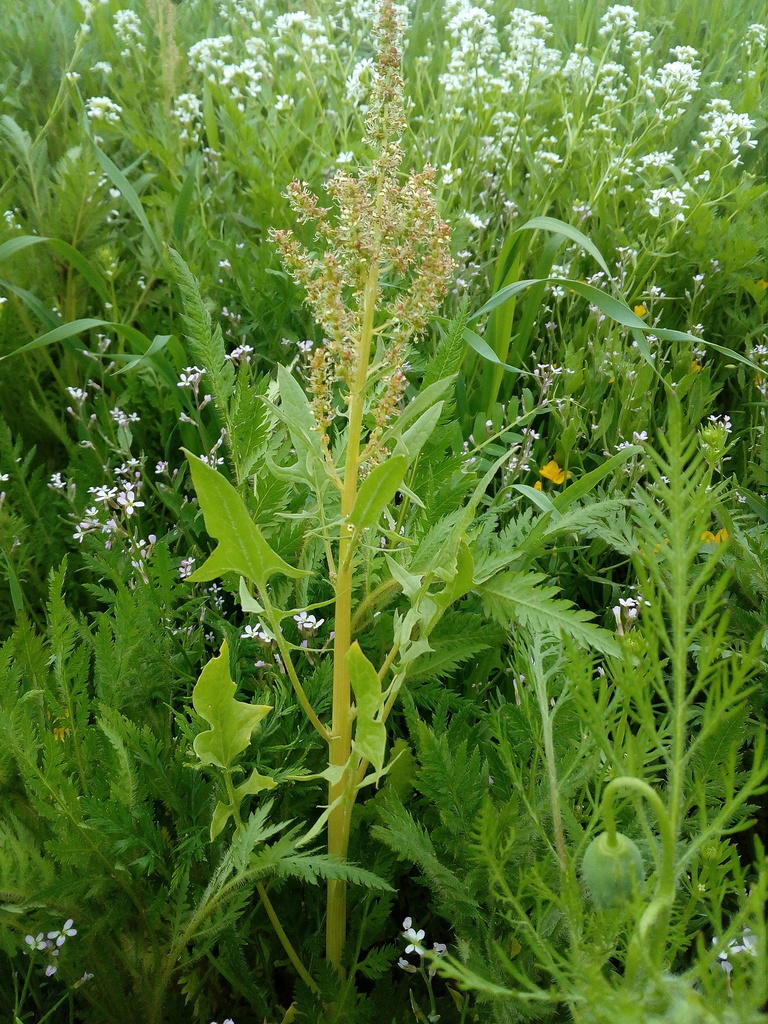
| Plant suddenly shoots a tall central stalk and leaves turn bitter | Bolting. Triggered by heat above ~24°C, lengthening days, or drought stress | Harvest everything immediately once a stalk appears; next time sow earlier/later in the season, keep soil moist, or use slow-bolt varieties |
| Yellow patches on top of leaves, grey-purple mould underneath | Downy mildew, the main spinach disease in cool damp weather | Space plants for airflow, water the soil not the leaves, remove affected plants, and choose resistant varieties (most modern hybrids list DM resistance races) |
| Pale, winding tunnels inside the leaves | Leaf miner larvae. Spinach and beet share the same species | Pick and destroy mined leaves, cover crops with insect mesh from sowing, and rotate away from beet/chard beds |
| Seeds barely germinate in summer sowings | Spinach seed goes dormant in soil above ~24°C | Pre-chill seed in the fridge for a week, sow in the evening into shaded, pre-watered soil, or wait for late summer |
| Seedlings vanish overnight | Slugs and snails, which love young spinach | Beer traps, evening patrols, or organic slug pellets around new sowings |
Beat the bolt
Sodate flags the sowing windows for your climate so your spinach matures in cool weather instead of bolting in heat.
Seasonal care#
Varieties & cultivars#
| Variety | Distinguishing trait | Note |
|---|---|---|
| 'Bloomsdale Long Standing' | Savoy (crinkled) heirloom, slower to bolt than most heirlooms | The classic garden spinach |
| 'Space' / smooth-leaf hybrids | Flat leaves, easy to wash, quick baby-leaf production | Standard for salad growers |
| 'Giant Winter' | Very cold-hardy, for autumn sowing and overwintering | Slow growth but survives hard frost |
| 'All Green' (palak type) | Indian palak selection for repeated cutting in the winter plains season | Widely grown across India |
Buying checklist#
- Buy seed rather than seedlings. Spinach is cheap, fast, and resents transplanting
- Look for 'slow bolt' or 'long standing' on the packet for spring sowings
- Check downy mildew resistance codes for autumn crops
- Fresh seed matters: germination drops noticeably after 2-3 years
- Buy enough for succession sowing every 2-3 weeks in season
Pricing by region#
| Region | Price range | Typical unit | Basis |
|---|---|---|---|
| US | $2 – $4 | Seed packet (200-500 seeds) | Garden centre + seed catalogue retail |
| UK | $2 – $5 | Seed packet | Garden centre retail |
| India | $0.12 – $0.5 | Seed packet (palak) | Local agri store + online seed retail |
| Australia | $2 – $5 | Seed packet or seedling punnet | Nursery + garden centre |
| Canada | $2 – $4 | Seed packet | Garden centre retail |
USD figures are approximate conversions for comparison; switch the dropdown to see each region's actual local-currency listing price.
Often confused with#
Name confusion warning#
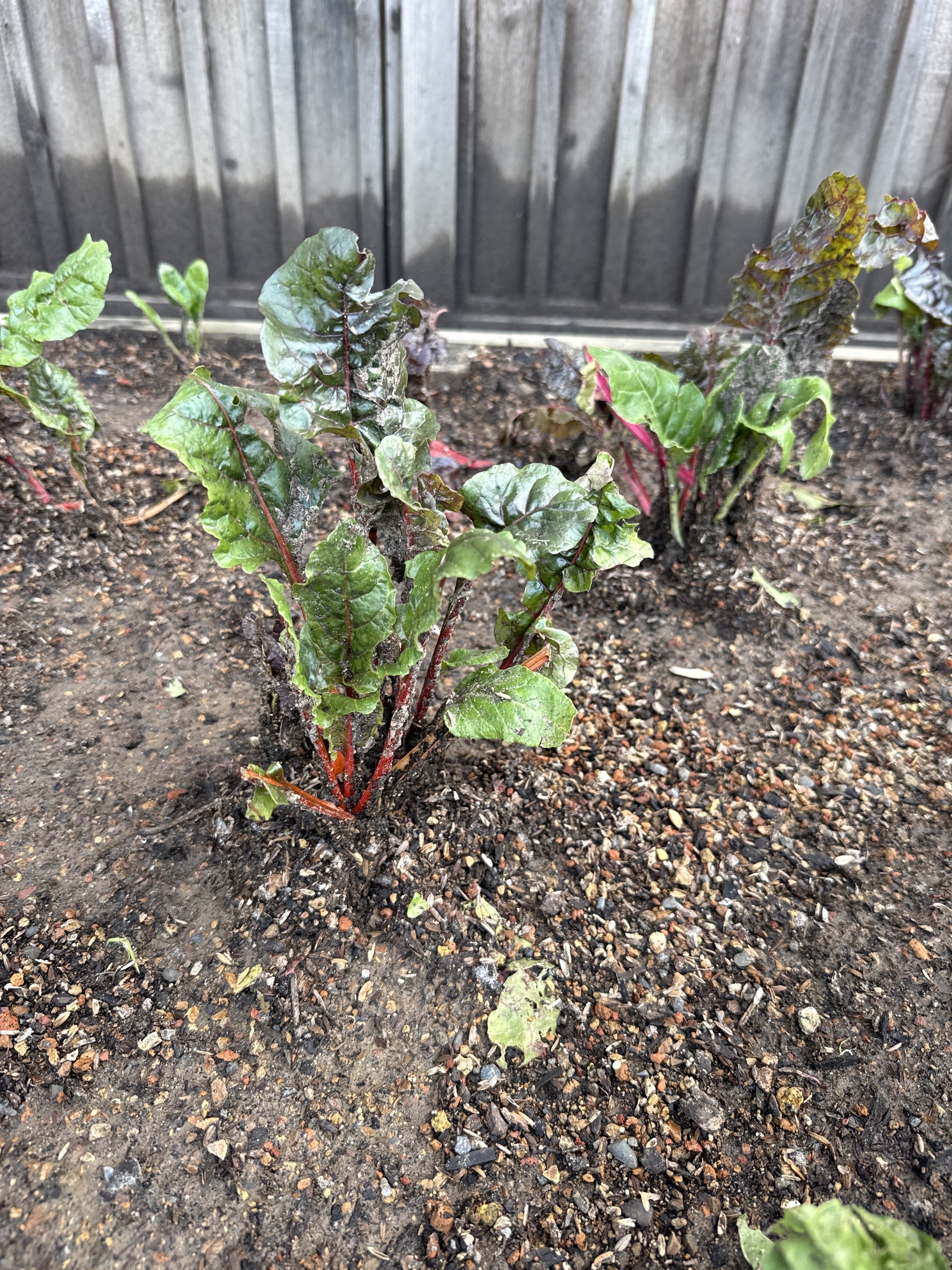
'Spinach' covers several unrelated plants. True spinach is Spinacia oleracea. Malabar spinach, New Zealand spinach, and 'perpetual spinach' (actually a chard) are different species sold under the spinach name because they fill its summer gap. In India, 'palak' is true spinach but regional 'saag' can be any leafy green. Check the botanical name when buying seed.
Where it's actually grown#
Commercial spinach seed is produced almost entirely in cool maritime regions, Denmark and the Skagit Valley of Washington State dominate world production, because seed crops need long cool days and dry harvest weather, then retail brands distribute it globally.
Import & biosecurity restrictions#
| Region | Note |
|---|---|
| Australia | Seed imports require permits and phytosanitary certificates; domestic seed widely available. |
| US | Domestic seed sale unrestricted. |
| UK | Seed freely available; spring and autumn crops are among the easiest UK vegetables. |
| India | No restriction. Palak is a staple winter green with cheap, widely available desi seed. |
| Canada | Home-garden seed packets clear customs without issue; the cool climate suits spinach well. |
Similar plants
Did you know?
Frequently asked questions
Why did my spinach bolt so fast?
Heat above about 24°C, lengthening spring days, or drought stress all trigger bolting. Sow in early spring or late summer so plants mature in cool weather, and keep soil evenly moist.
How long does spinach take to grow?
Baby leaves in 35-40 days, full-size leaves in 45-50. Picking outer leaves keeps a plant producing for weeks.
Can I grow spinach in summer?
In most climates, no. It bolts almost immediately and the seed germinates poorly in warm soil. Grow Malabar or New Zealand 'spinach' as heat-proof stand-ins instead.
Can spinach survive frost?
Yes. Established plants take -6°C, and autumn-sown spinach overwinters under fleece in many temperate gardens for an early spring harvest.
How do I harvest spinach so it keeps growing?
Pick the outer leaves and leave the central rosette intact, or cut the whole plant 2.5cm above the crown and let it resprout. Expect 5-10 pickings per plant.