 Sodate
On this page
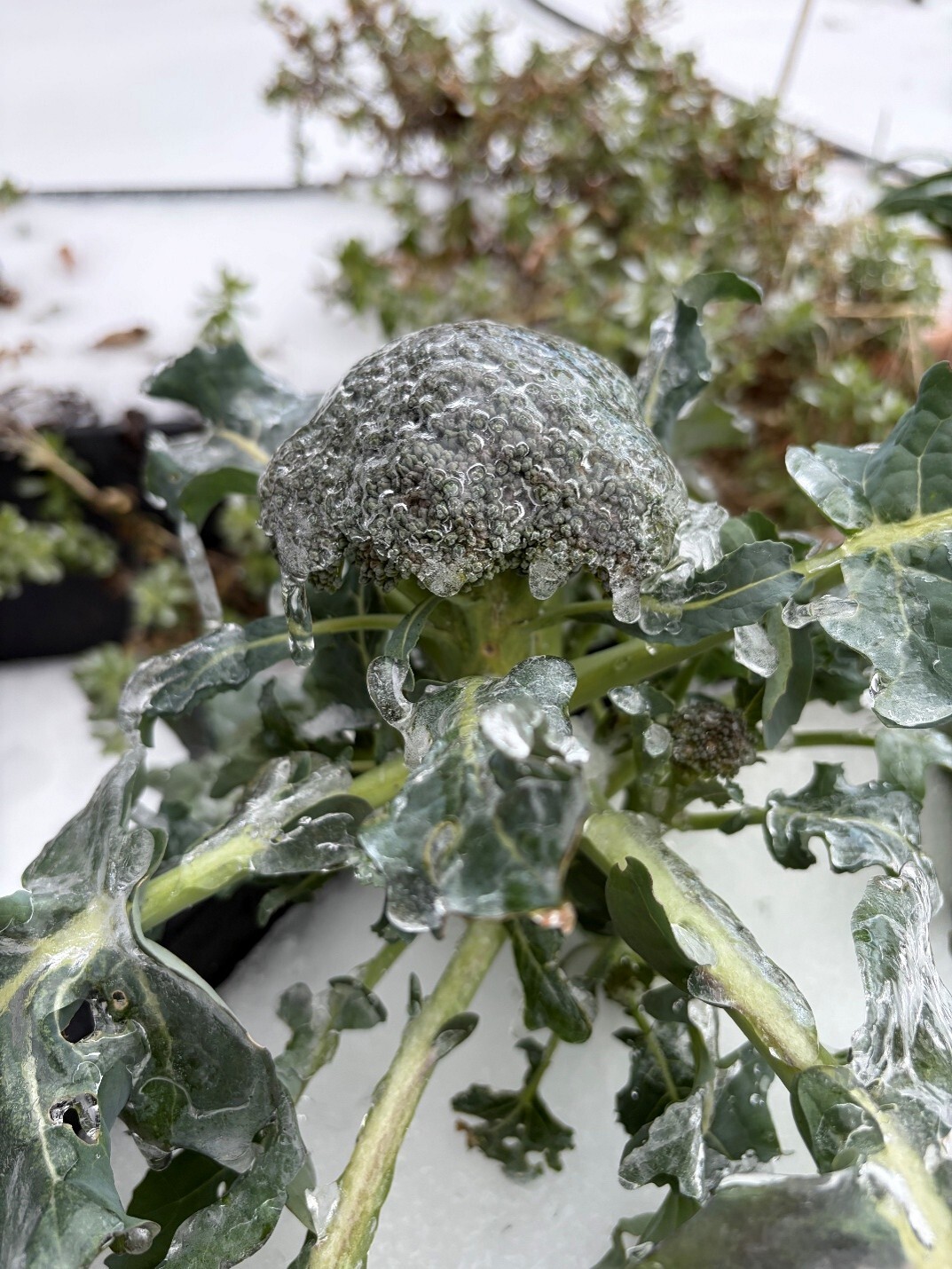
Kale is a cut-and-come-again brassica that crops right through winter, and it genuinely gets sweeter after frost, because cold makes the plant convert stored starch into sugars as antifreeze. Sow in late spring or summer for an autumn and winter harvest, space plants 45cm apart, and pick outer leaves from the bottom while the growing tip keeps producing. It is non-toxic to cats and dogs, and needs netting against cabbage white butterflies.
Key facts
- Frost improves the flavour. Cold triggers starch-to-sugar conversion as a natural antifreeze, so kale picked after a hard frost tastes noticeably sweeter and less bitter.
- Cut-and-come-again: pick the lowest outer leaves and the central growing point keeps producing for months, often six months from one plant.
- The same species as cabbage, broccoli, cauliflower, Brussels sprouts and kohlrabi, all selected from one wild Mediterranean cabbage.
- One of very few crops that reliably feeds a garden through midwinter in temperate climates.
Growing requirements#
| Plant type | Outdoor hardy biennial grown as an annual; the toughest common leaf vegetable |
| Growing medium | Firm, fertile soil with plenty of organic matter; brassicas dislike loose fluffy ground |
| Light needs | Full sun to part shade. 6 hours ideal, tolerates 4 |
| Water frequency | Around 25mm a week; consistent moisture keeps leaves tender rather than tough and bitter |
| Spacing | 45cm between plants, 45-60cm between rows; 20cm for baby-leaf salad kale |
| Sowing season (northern hemisphere) | Sow April to July for autumn and winter picking; sow again in early spring for a summer crop |
| Sowing season (southern hemisphere) | Sow January to April in Australia and New Zealand for a winter harvest |
| Temperature range | 7-24°C (45-75°F); survives to around -12°C and improves in flavour below freezing |
| Fertilizer | Nitrogen-hungry. Feed with a high-nitrogen liquid feed every 3-4 weeks during active growth |
| Soil pH | 6.0-7.5; slightly limed soil helps suppress clubroot |
| Container suitability | Good. One plant per 25-30cm pot, or sow baby-leaf kale densely in a trough |
| Hardiness | Very hardy, reliably standing through frost and snow to around -12°C |
| Toxicity | Non-toxic to cats and dogs; safe in normal garden quantities |
Harvest, yield & propagation#
| Days to harvest | 55-75 days to first full leaves; 25-30 days for baby-leaf salad kale |
| Yield per plant | Around 0.5-1kg of leaves picked progressively over several months |
| Harvest signal | Outer leaves the size of a hand. For best flavour, wait until after the first frost of autumn |
| Harvest technique | Snap or cut the lowest outer leaves and leave the central growing point intact, taking no more than a third of the plant at a time |
| Storage | Refrigerate leaves in a bag for 5-7 days. Blanch and freeze for 8-12 months, or simply leave plants standing outside and pick as needed |
| Edible parts | Leaves at any size, plus the tender flowering shoots in spring, which cook like sprouting broccoli |
| Propagation methods | Seed, direct sown or raised in modules and transplanted at the 4-5 leaf stage; firm the soil well around transplants |
| Companion plants | Onions, nasturtium as a trap crop, and aromatic herbs; keep away from other brassicas to slow pest build-up |
Common problems & troubleshooting#
| Symptom | Likely cause | Fix |
|---|---|---|
| Leaves stripped to the veins by green caterpillars | Cabbage white butterfly larvae | Cover with fine insect mesh from the day of planting, and pick off caterpillars and the yellow egg clusters on leaf undersides |
| Dense grey clusters on stems and leaf undersides | Mealy cabbage aphid | Blast off with water, squash colonies early, encourage ladybirds, and remove badly infested leaves before winter |
| Plants stunted with wilting leaves and swollen distorted roots | Clubroot, a persistent soil-borne disease | No cure. Lime the soil toward pH 7, rotate brassicas on a long cycle, raise plants in large modules first, and use resistant varieties |
| Plants rocking loose and leaning over | Wind rock on tall winter plants in loose soil | Plant firmly, earth up the stems, and stake tall varieties like cavolo nero before winter gales |
| Tough, bitter leaves | Drought stress, or leaves left on the plant far too long | Water consistently, mulch, and harvest leaves at hand size rather than letting them go leathery |
| Tiny shot holes across young leaves | Flea beetles, worst on seedlings in dry spells | Use insect mesh over young plants and keep the soil moist; established plants shrug the damage off |
Pick after the frost, not before
Sodate watches your local frost forecast and tells you when a cold night has passed through, which is precisely when kale is at its sweetest.
Seasonal care#
Varieties & cultivars#
| Variety | Distinguishing trait | Note |
|---|---|---|
| 'Cavolo Nero' / Lacinato | Dark blue-green strappy leaves, Italian black kale | Very hardy, excellent texture |
| 'Dwarf Green Curled' | Compact tightly curled leaves | Reliable and wind-resistant |
| 'Redbor' | Deep purple curly foliage | Ornamental as well as edible |
| 'Red Russian' | Flat, tender, red-stemmed leaves | Best kale for eating raw in salads |
| 'Siberian' kale | Extremely cold-hardy, broad leaves | Withstands the harshest winters |
Buying checklist#
- Decide curly, flat-leaf or cavolo nero. The textures suit very different cooking
- Choose clubroot-resistant varieties if your plot has grown brassicas repeatedly
- For raw salads, choose a tender flat-leaf type like 'Red Russian'
- Buy seed rather than plants where possible; kale germinates easily and transplants well from modules
- Check hardiness rating if you want genuine midwinter picking rather than an autumn crop
Pricing by region#
| Region | Price range | Typical unit | Basis |
|---|---|---|---|
| US | $2 – $4.5 | Seed packet (~200-500 seeds) | Seed catalogue + garden centre |
| UK | $1.8 – $4 | Seed packet (~300 seeds) | Garden centre retail |
| India | $0.3 – $1 | Seed packet (~200 seeds) | Online seed retail + nursery |
| Australia | $2.5 – $5 | Seed packet (~200 seeds) or 6-cell seedling punnet | Nursery + seed retail |
| Canada | $2 – $4.5 | Seed packet (~300 seeds) | Garden centre retail |
USD figures are approximate conversions for comparison; switch the dropdown to see each region's actual local-currency listing price.
Often confused with#
Name confusion warning#
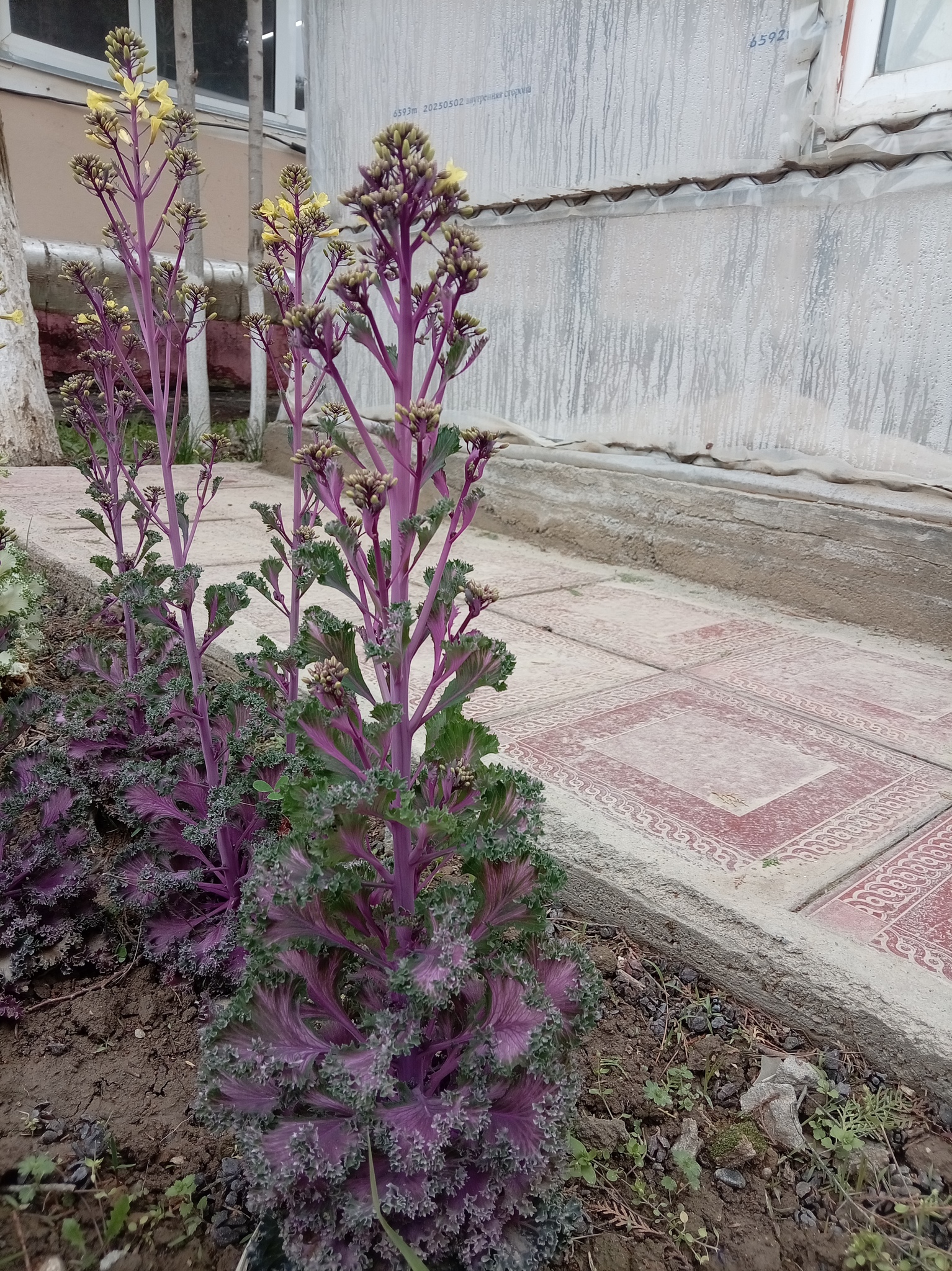
Kale, collards, cabbage and broccoli are all one species. They are all Brassica oleracea, separated only by which part was selected. Leaves, buds, stem or flower head. Practically, this means they share every major pest and disease, so they must be rotated as a single group rather than treated as different crops. Note too that "ornamental kale" sold for winter bedding is the same species but bred for colour, not eating.
Where it's actually grown#
Kale seed is produced mainly in the Netherlands, Denmark, Italy and the US Pacific Northwest, all regions with the dry late summers that biennial brassica seed crops need to ripen. Because all Brassica oleracea forms cross-pollinate freely with one another, commercial seed fields require large isolation distances, which is why home-saved kale seed so often grows into something halfway to a cabbage.
Import & biosecurity restrictions#
| Region | Note |
|---|---|
| Australia | Brassica seed imports need an import permit and phytosanitary certificate; domestic packets and seedlings are freely sold. |
| US | Domestic sale unrestricted; imported seed may need a USDA small-lots-of-seed permit. |
| UK | Home-garden seed packets sold freely; commercial imports require phytosanitary documentation. |
| India | Grown mainly in hill states and cooler seasons; imported seed requires customs clearance. |
| Canada | CFIA rules apply to commercial seed lots; home-garden packets normally clear without issue. |
Similar plants
Ranked in these guides
Did you know?
Frequently asked questions
Does kale really taste better after frost?
Yes, and it is measurable. Freezing temperatures make the plant convert starch into sugars as a natural antifreeze, so the leaves become noticeably sweeter and less bitter. Where you can, delay the main picking until after your first hard frost.
How do I harvest kale so it keeps producing?
Pick the lowest outer leaves and leave the central growing point untouched, never taking more than about a third of the plant at once. Done this way, a single plant can be picked repeatedly for six months.
When should I sow kale?
In the northern hemisphere sow April to July for autumn and winter cropping. In the southern hemisphere sow January to April for a winter harvest. Kale is deliberately timed to mature into cold weather, not out of it.
Is kale toxic to cats or dogs?
No. Kale is non-toxic to cats and dogs in normal garden amounts. Very large quantities of any brassica can cause gas or mild stomach upset, but the plant in your bed poses no real hazard.
Why are my kale leaves full of holes?
Almost certainly cabbage white caterpillars, or flea beetles if the holes are tiny and shot-like. Fine insect mesh laid over the crop from planting day is far more effective than trying to control either pest after the fact.