 Sodate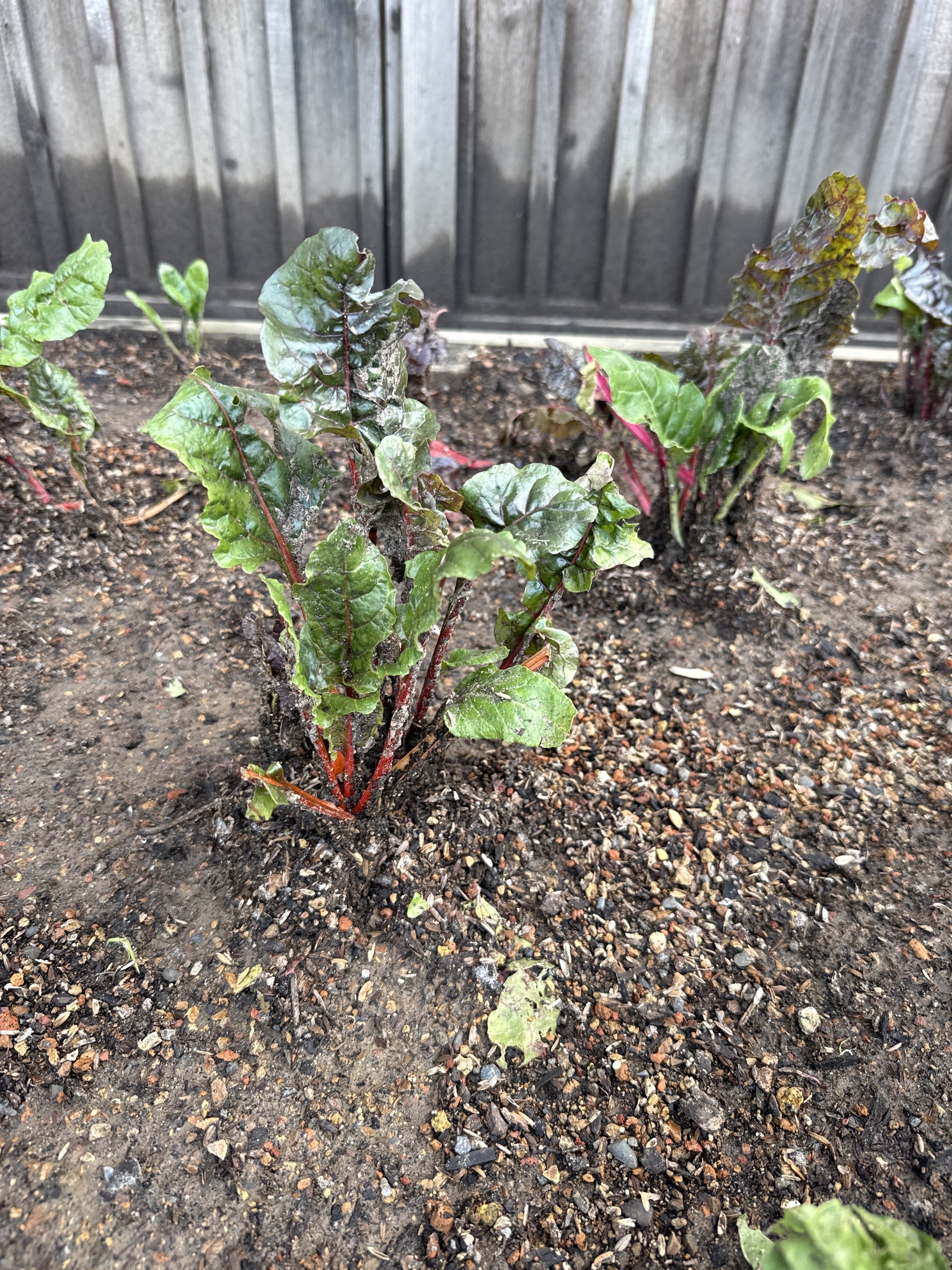
On this page
Swiss chard is the same species as beetroot, bred for leaves and stems instead of a root. It is unusually tolerant of both heat and frost, so a spring sowing can be picked from midsummer right through to the following spring. Sow, thin to 25-30cm, then harvest outer leaves continuously. Stems and leaves cook separately since the stems take longer. Non-toxic to cats and dogs.
Key facts
- The same species as beetroot, Beta vulgaris, selected for leaf and stem rather than a swollen root.
- Unusually tolerant at both temperature extremes: it keeps producing through summer heat that bolts spinach and survives frosts that finish lettuce.
- A single spring sowing can be picked for eight to ten months if outer leaves are taken and the crown left intact.
- Like beetroot, each seed is a multigerm cluster of two to four seeds, so clumps appear and thinning is required.
Growing requirements#
| Plant type | Outdoor hardy biennial grown as a long-season annual; tolerates heat and frost |
| Growing medium | Fertile, moisture-retentive soil with plenty of compost |
| Light needs | Full sun to part shade. 6 hours ideal, and light shade helps in hot summers |
| Water frequency | Around 25mm a week; steady moisture keeps stems succulent rather than stringy |
| Spacing | Sow 2cm deep, thin to 25-30cm apart, rows 40-45cm apart; 10cm for baby-leaf cutting |
| Sowing season (northern hemisphere) | April to July for summer and autumn picking; a July sowing overwinters for spring greens |
| Sowing season (southern hemisphere) | September to March in Australia and New Zealand; almost year-round in mild coastal areas |
| Temperature range | 10-30°C (50-86°F); survives light frosts to around -7°C, and mature plants often overwinter |
| Fertilizer | Balanced feed at sowing, then a high-nitrogen liquid feed every 3-4 weeks during heavy picking |
| Soil pH | 6.0-7.5 |
| Container suitability | Very good. One or two plants per 30cm pot, and the coloured-stem types are genuinely ornamental |
| Hardiness | Hardy to around -7°C; mulched plants regularly overwinter and crop again in spring |
| Toxicity | Non-toxic to cats and dogs; leaves and stems are both edible |
Harvest, yield & propagation#
| Days to harvest | 50-60 days to first full leaves; 30 days for baby-leaf cutting |
| Yield per plant | 1-2kg of leaves and stems over a full season of repeated picking |
| Harvest signal | Outer leaves 20-25cm long; pick before they toughen and go leathery |
| Harvest technique | Cut or twist the outer leaves off at the base, leaving at least five or six central leaves so the crown keeps growing |
| Storage | Refrigerate in a bag for 3-5 days. Blanch and freeze for 8-12 months, or simply leave plants standing and pick fresh |
| Edible parts | Leaves and the thick midribs. Cook the stems first for a few minutes, then add the leaves, since they need very different times |
| Propagation methods | Direct-sown seed, or module-raised and transplanted. Soaking the seed clusters overnight speeds germination |
| Companion plants | Brassicas, onions and beans; avoid crowding it with beetroot, since they share pests |
Common problems & troubleshooting#
| Symptom | Likely cause | Fix |
|---|---|---|
| Clumps of seedlings from single sown points | Normal. Chard seed is a multigerm cluster of 2-4 seeds, like beetroot | Snip the extras at soil level, keeping one strong seedling every 25-30cm |
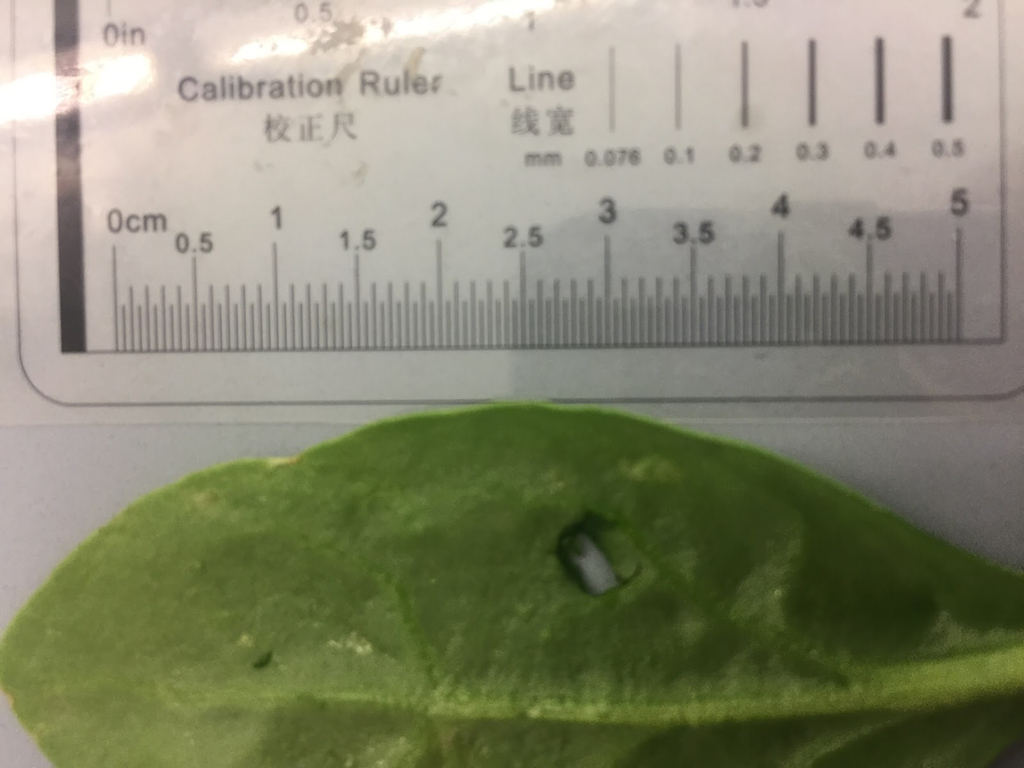
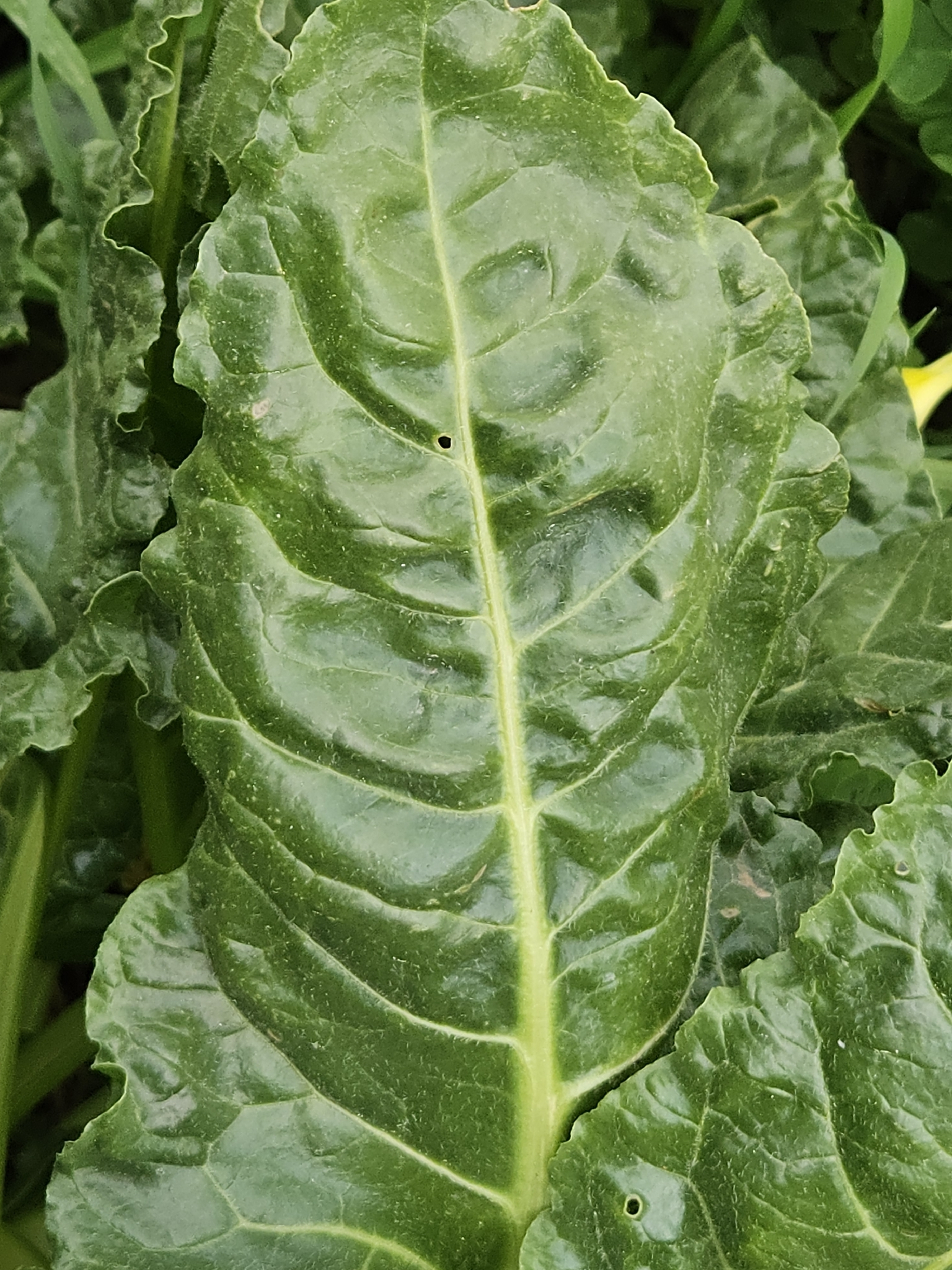
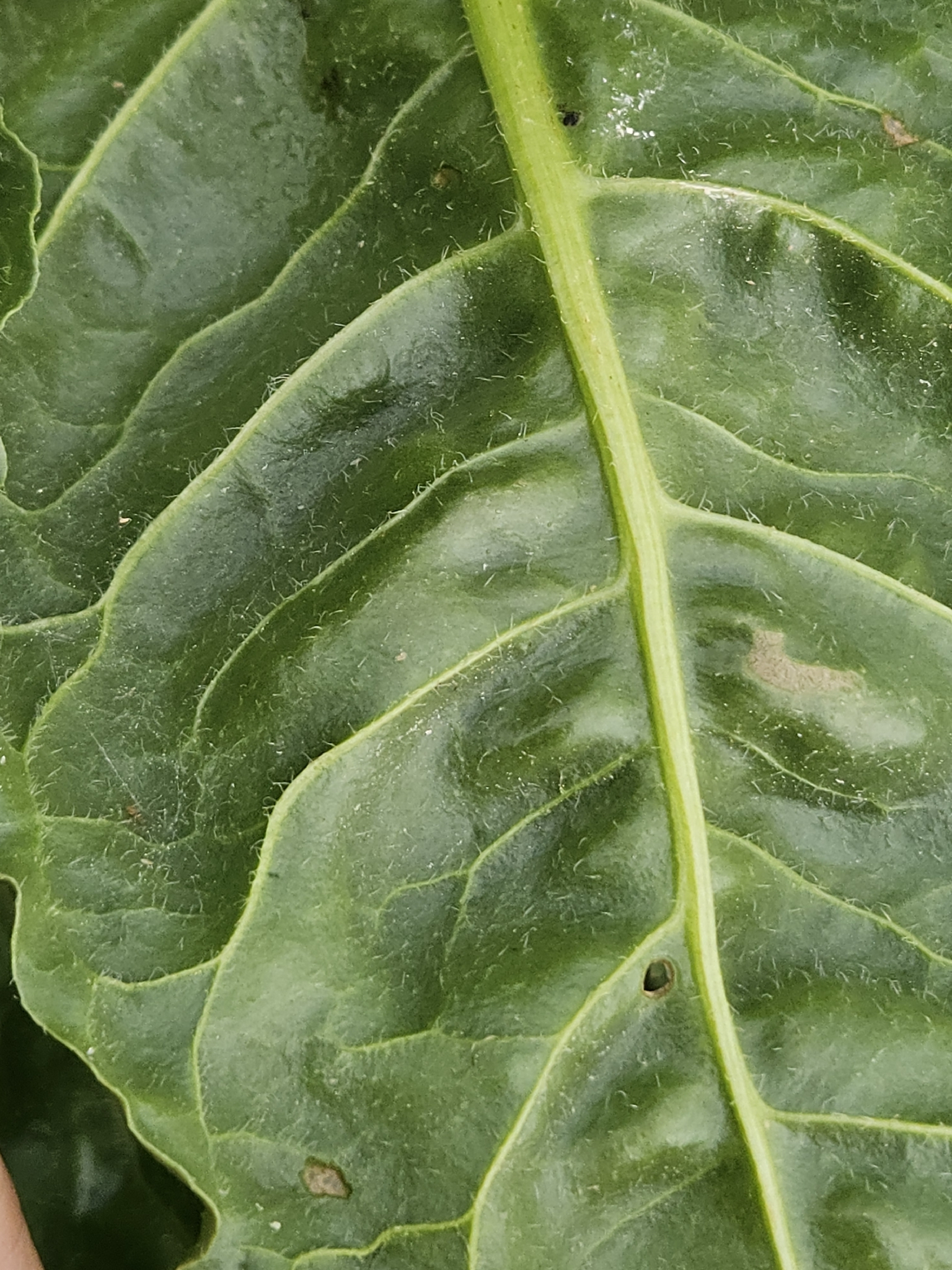
| Pale winding blisters inside the leaves | Beet leaf miner larvae tunnelling within the leaf tissue | Squash the mines between your fingers, remove the worst leaves, and cover new growth with insect mesh |
| Young plants shredded overnight | Slugs and snails, which strongly favour chard seedlings | Raise plants in modules and plant out at a decent size, use wool pellets or traps, and clear damp hiding places |
| Plant sends up a tall flower stalk | Bolting, usually after a cold snap on young plants or in the second year | Sow after soil warms past 10°C, and cut the whole plant back to 5cm. It often regrows a fresh flush of leaves |
| Round brown spots with pale centres on leaves | Cercospora leaf spot in warm humid weather | Remove affected leaves, thin plants for airflow, avoid overhead watering, and rotate the bed |
| Tough, stringy stems | Leaves left too long on the plant, or drought stress | Pick at 20-25cm and water steadily; older stems are still usable if cooked longer than the leaves |
Keep one sowing cropping for ten months
Sodate paces your picking so the crown never gets stripped, and flags when to feed and when to cut the plant back for a fresh flush.
Seasonal care#
Varieties & cultivars#
| Variety | Distinguishing trait | Note |
|---|---|---|
| 'Bright Lights' / 'Rainbow' | Mixed pink, yellow, orange and red stems | Ornamental enough for a flower border |
| 'Fordhook Giant' | Broad white stems, large dark leaves, heavy yields | The reliable workhorse variety |
| 'Ruby' / 'Rhubarb Chard' | Deep crimson stems and veins | Slightly more prone to bolting |
| 'Perpetual Spinach' (leaf beet) | Thin stems, spinach-like leaves, very bolt-resistant | The best chard for spinach substitutes |
| 'Lucullus' | Pale green leaves, heat-tolerant | Good choice for hot summers |
Buying checklist#
- Choose coloured-stem mixes for looks, or a white-stem workhorse like 'Fordhook Giant' for yield
- Pick 'Perpetual Spinach' if you mainly want a spinach substitute rather than thick stems
- Check the seed is multigerm (most chard is) so you plan for thinning
- Buy fresh seed; beet-family germination drops after three or four years
- Seedling punnets are fine, but direct-sown chard usually catches up quickly
Pricing by region#
| Region | Price range | Typical unit | Basis |
|---|---|---|---|
| US | $2 – $4.5 | Seed packet (~100-250 seeds) | Seed catalogue + garden centre |
| UK | $1.8 – $4 | Seed packet (~150 seeds) | Garden centre retail |
| India | $0.3 – $1 | Seed packet (~150 seeds) | Online seed retail + nursery |
| Australia | $2.5 – $5 | Seed packet (~120 seeds) or seedling punnet | Nursery + seed retail |
| Canada | $2 – $4.5 | Seed packet (~150 seeds) | Garden centre retail |
USD figures are approximate conversions for comparison; switch the dropdown to see each region's actual local-currency listing price.
Often confused with#
Name confusion warning#
Swiss chard has an unusual number of names, and it is the same species as beetroot. It is sold as chard, silverbeet (Australia and New Zealand), leaf beet, seakale beet, and confusingly as "perpetual spinach", which is a chard variety rather than a spinach at all. It is not Swiss in origin either; the name came from 19th-century seed catalogues. If you want the leaf crop rather than the root, look for Beta vulgaris subsp. cicla.
Where it's actually grown#
Chard seed is produced alongside beetroot seed in the Netherlands, Denmark, Italy and the US Pacific Northwest, since both are the same biennial species and need two seasons and a dry ripening summer to set seed. Coloured-stem mixes such as 'Bright Lights' are blends of several separately grown lines rather than a single variety, which is why the colour ratio in a packet varies from year to year.
Import & biosecurity restrictions#
| Region | Note |
|---|---|
| Australia | Seed imports need an import permit and phytosanitary certificate; silverbeet seed and seedlings are freely sold domestically. |
| US | Domestic sale unrestricted; imported seed may need a USDA small-lots-of-seed permit. |
| UK | Home-garden packets sold freely; commercial imports require phytosanitary documentation. |
| India | Grown in cooler seasons and hill regions; imported seed requires customs clearance. |
| Canada | CFIA rules apply to commercial seed lots; home-garden packets normally clear without issue. |
Similar plants
Did you know?
Frequently asked questions
Is Swiss chard the same as beetroot?
Same species, different breeding. Both are Beta vulgaris. Chard was selected for large leaves and thick stems while beetroot was selected for a swollen root, which is why beetroot tops can be cooked exactly like chard.
How long can I keep picking Swiss chard?
A single spring sowing will often crop for eight to ten months if you only take the outer leaves and leave five or six central ones intact. In mild regions plants overwinter and give a final spring flush before bolting.
Why is chard better than spinach in summer?
Spinach bolts quickly once days lengthen and temperatures rise, whereas chard keeps producing through heat. It is also considerably more frost-tolerant, so it fills both ends of the year that spinach cannot.
Do I cook chard stems and leaves together?
Separate them. The thick midribs need several minutes longer than the leaves, so slice the stems out, start them first, and add the shredded leaves for the last couple of minutes.
Is Swiss chard safe for cats and dogs?
Yes, chard is non-toxic to cats and dogs in normal garden amounts. Like spinach and beetroot it contains oxalates, so very large repeated quantities are not ideal, but a nibble from the bed is no cause for concern.