 Sodate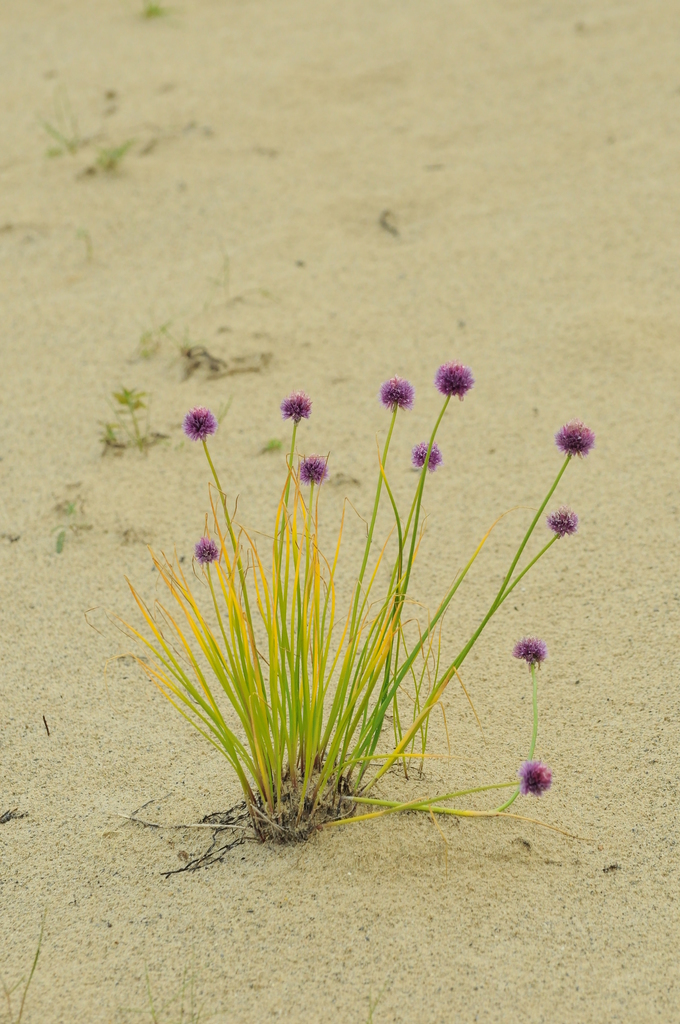
On this page
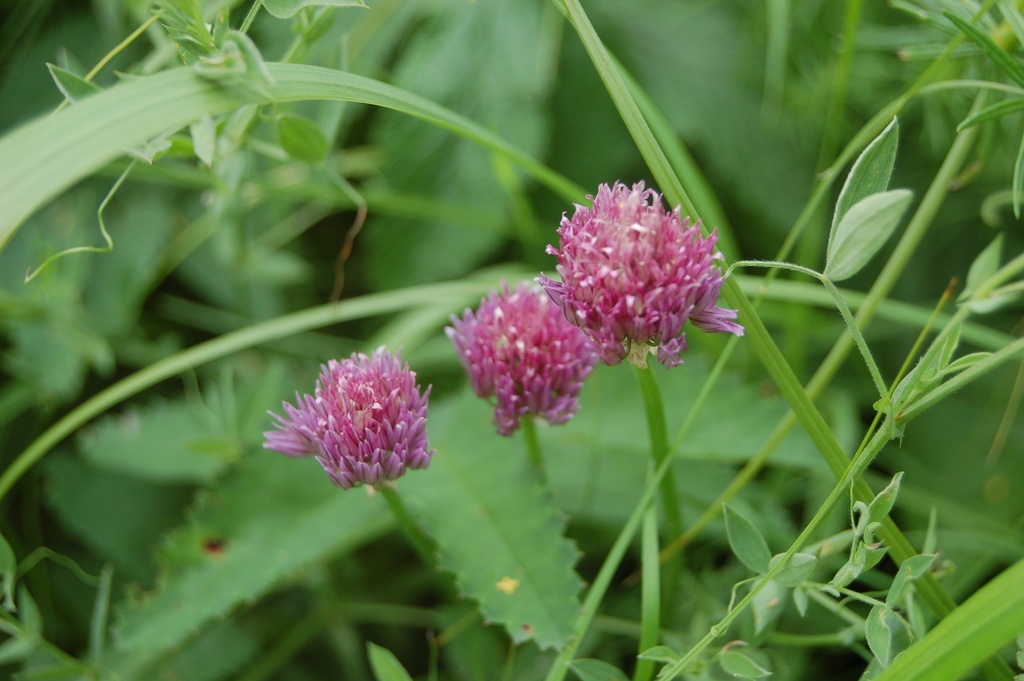
Chives are a hardy perennial herb that dies back in winter and returns every spring, needing almost no attention beyond division every three or four years. Cut leaves 5cm above the ground with scissors and they regrow within weeks. The purple flowers are edible and excellent in salads. They grow very well in pots on a windowsill or balcony. Important for pet owners: chives are an allium and are toxic to cats and dogs, cooked or raw.
Key facts
- Toxic to cats and dogs as with all alliums, in raw, cooked and dried forms. Cats are particularly sensitive.
- A true perennial that dies back completely in winter and reliably reappears each spring, often for a decade or more.
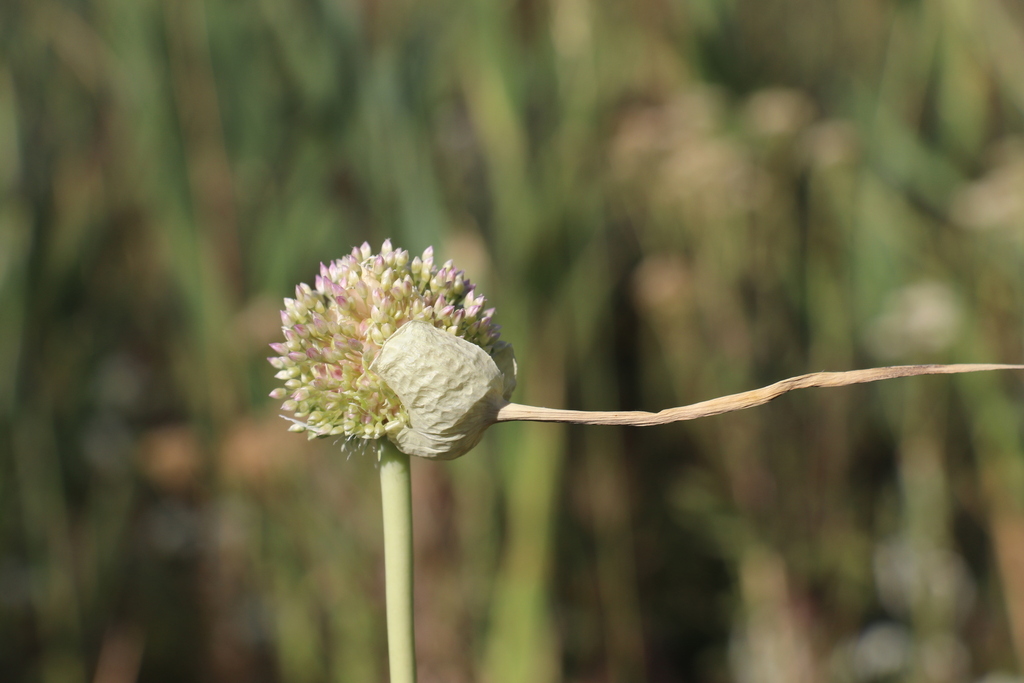
- The purple pompom flowers are fully edible with a mild onion flavour, and they are excellent pollinator plants.
- Clumps become congested and weak after three or four years, so lifting and dividing them is the one maintenance job that matters.
Growing requirements#
| Plant type | Outdoor hardy herbaceous perennial; also grows well indoors on a bright windowsill |
| Growing medium | Moist but free-draining soil or standard potting compost; tolerates most conditions |
| Light needs | Full sun to part shade. 4-6 hours, and light shade is fine in hot climates |
| Water frequency | Keep evenly moist, roughly weekly; pots dry out fast and need more attention |
| Spacing | 20-30cm between clumps; a single clump fills a 15-20cm pot |
| Sowing season (northern hemisphere) | Sow indoors February to April, or direct sow April to May; divide established clumps in spring or autumn |
| Sowing season (southern hemisphere) | Sow August to November in Australia and New Zealand; divide in autumn or early spring |
| Temperature range | 10-24°C (50-75°F) for growth; fully dormant and hardy through winter to around -30°C |
| Fertilizer | Light. A balanced liquid feed monthly during the growing season is plenty, more in pots |
| Soil pH | 6.0-7.0 |
| Container suitability | Excellent. One of the best herbs for a pot, windowbox or windowsill, needing only 15-20cm of depth |
| Hardiness | Very hardy; dies back to the ground in winter and returns each spring |
| Toxicity | TOXIC to cats and dogs in every form, including cooked and dried, as with all alliums. Keep pots out of reach of cats in particular |
Harvest, yield & propagation#
| Days to harvest | 60-90 days from seed to the first proper cut; divided clumps can be cut within weeks |
| Yield per plant | Several cuttings per season from one clump, regrowing in 2-3 weeks each time |
| Harvest signal | Leaves 15-20cm tall and still firm and upright |
| Harvest technique | Cut whole leaves with scissors about 5cm above soil level. Never trim the tips, which leaves brown ends and looks awful |
| Storage | Best used fresh. Refrigerate for 5-7 days in a damp cloth, or chop and freeze in ice cube trays. Chives dry poorly and lose almost all flavour |
| Flowers | Edible, mild and onion-flavoured. Removing spent flowers keeps leaf production going and stops heavy self-seeding |
| Propagation methods | Division of established clumps every 3-4 years is easiest, or grow from seed. Self-seeds readily if flowers are left |
| Companion plants | Carrots, tomatoes and roses, where the allium scent deters aphids and carrot fly; keep away from beans and peas |
Common problems & troubleshooting#
| Symptom | Likely cause | Fix |
|---|---|---|
| Clump becomes thin, woody and stops producing | Congestion after several years in the same spot | Lift the whole clump in spring or autumn, split it into fist-sized sections with a spade, and replant three or four with fresh compost |
| Brown, papery leaf tips | Trimming only the tips rather than cutting whole leaves, or dry soil | Always cut whole leaves down to 5cm and keep the soil evenly moist, especially in pots |
| Chive seedlings everywhere in the border | Flowers left to set seed | Deadhead as the flowers fade, or harvest the flowers for the kitchen before they go over |
| Orange-brown pustules on leaves | Allium rust, worst in damp crowded conditions | Cut the whole clump back to the ground and bin the material; the fresh regrowth is usually clean. Divide to improve airflow |
| Leaves yellowing with soft rot at the base | Waterlogged soil or a saucer of standing water under a pot | Improve drainage, empty pot saucers, and divide the clump into fresh gritty compost |
| Grey aphid clusters on the leaves | Aphids, which occasionally colonise chives despite the smell | Wash off with water, cut the clump right back, and let it regrow clean |
Keep the clump productive year after year
Sodate tracks how old each clump is and when it was last divided, then reminds you before it turns woody and stops producing tender leaves.
Seasonal care#
Varieties & cultivars#
| Variety | Distinguishing trait | Note |
|---|---|---|
| Common chives | Fine hollow leaves, purple pompom flowers | The standard culinary form |
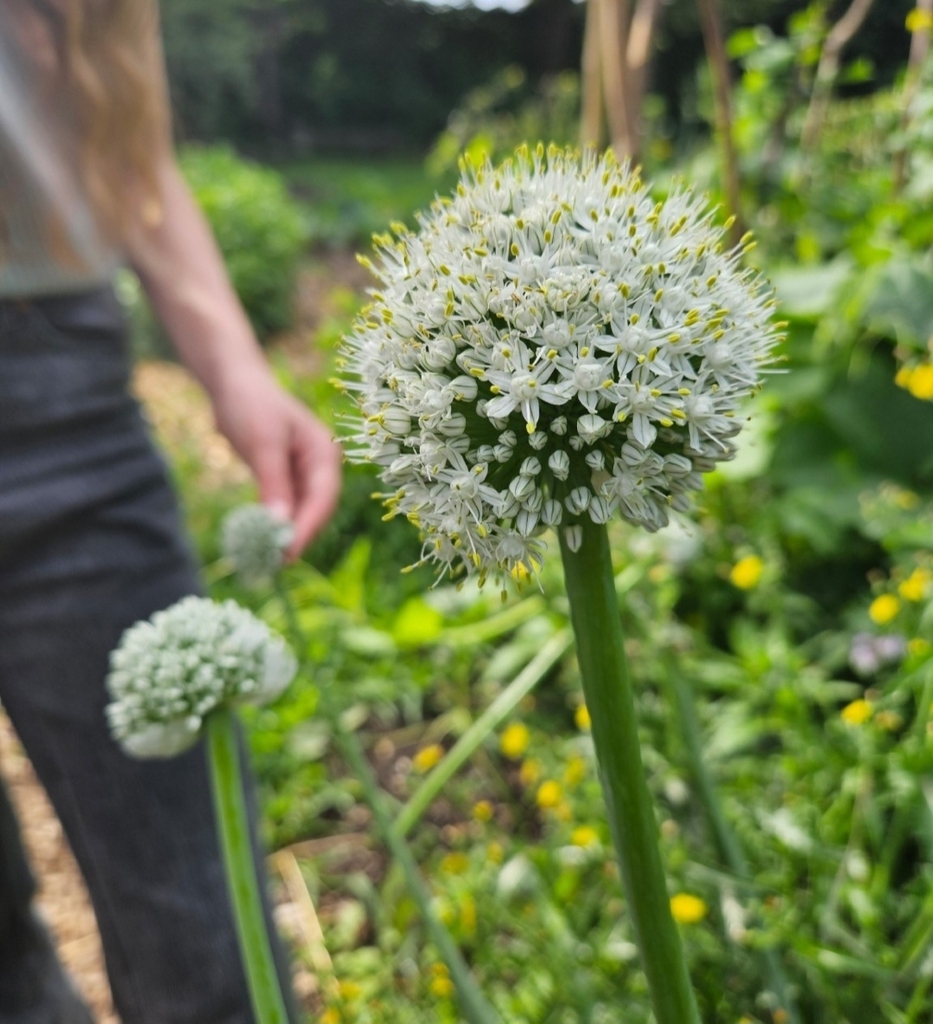
| Garlic chives (Allium tuberosum) | Flat leaves, white flowers, garlic flavour | A different species; also toxic to pets |
| 'Staro' | Thicker upright leaves bred for cutting | Commercial favourite, good yield |
| 'Forescate' | Vigorous with deep rose-pink flowers | Especially ornamental |
| Giant Siberian chives (Allium ledebourianum) | Taller, broader leaves | Stronger flavour, very hardy |
Buying checklist#
- A single potted plant is usually better value than seed, since it can be split into three or four immediately
- Choose common chives for the classic onion flavour, garlic chives for a garlicky one
- Look for a dense green clump with no yellow or brown leaves and no rust pustules
- Check the pot base for healthy white roots rather than a solid circling mat
- If you have cats or dogs, plan a location out of their reach before you buy
Pricing by region#
| Region | Price range | Typical unit | Basis |
|---|---|---|---|
| US | $4 – $10 | Potted herb plant (10-15cm pot) | Garden centre + supermarket herb aisle |
| UK | $3 – $8 | Potted herb plant (9-13cm pot) | Garden centre retail |
| India | $0.8 – $3 | Potted plant or seed packet | Urban nursery + online retail |
| Australia | $4 – $10 | Potted herb plant (100mm pot) | Nursery + garden centre |
| Canada | $4 – $10 | Potted herb plant (10-15cm pot) | Garden centre retail |
USD figures are approximate conversions for comparison; switch the dropdown to see each region's actual local-currency listing price.
Often confused with#
Name confusion warning#
Chives and garlic chives are different species. Common chives (Allium schoenoprasum) have round hollow leaves and purple flowers; garlic chives (Allium tuberosum) have flat solid leaves, white flowers and a garlic flavour, and self-seed much more aggressively. Both are toxic to cats and dogs. In India garlic chives are sometimes sold as "Chinese chives", which is the same plant.
Where it's actually grown#
Chives are propagated commercially both from seed and by dividing mother clumps, with potted herb plants supplied largely by Dutch, Danish and UK herb nurseries in Europe and by regional greenhouse growers in North America and Australia. Because a single bought clump can be split into three or four viable plants immediately, chives are one of the few herbs where buying one supermarket pot and dividing it is genuinely better value than buying seed.
Import & biosecurity restrictions#
| Region | Note |
|---|---|
| Australia | Live allium plant imports are restricted under biosecurity law; potted chives are widely available domestically. |
| US | Domestic sale unrestricted; imported plant material requires USDA permits. |
| UK | Potted plants and seed sold freely; imports require phytosanitary certification. |
| India | Grown in cooler regions and as a potted herb; imported seed requires customs clearance. |
| Canada | CFIA rules apply to imported plant material; domestic nursery plants are the practical route. |
Similar plants
Ranked in these guides
Did you know?
Frequently asked questions
Are chives toxic to cats and dogs?
Yes. Chives are an allium, and like garlic and onion they damage red blood cells in cats and dogs in raw, cooked and dried forms. Cats are especially sensitive. Keep pots off the floor and out of reach if you have grazing pets.
How do I cut chives so they grow back?
Cut whole leaves with scissors about 5cm above soil level, taking a section of the clump at a time rather than trimming the tips. Tip-trimming leaves ugly brown ends and does not encourage regrowth, whereas a proper cut produces fresh leaves within two to three weeks.
Do chives come back every year?
Yes. Chives are a hardy perennial. The clump dies back completely in winter, leaving nothing visible, and reliably reappears the following spring, often continuing for a decade or more if divided every three or four years.
Can you eat chive flowers?
Yes, the purple pompom flowers are edible with a mild onion flavour and look excellent broken into salads. Removing the flowers also keeps the plant producing leaves and prevents heavy self-seeding around the garden.
Why has my chive clump gone thin and woody?
It has become congested, which typically happens after three or four years. Lift the whole clump in spring or autumn, split it into fist-sized sections with a spade, discard the tired centre, and replant the healthy outer pieces into fresh compost.