 Sodate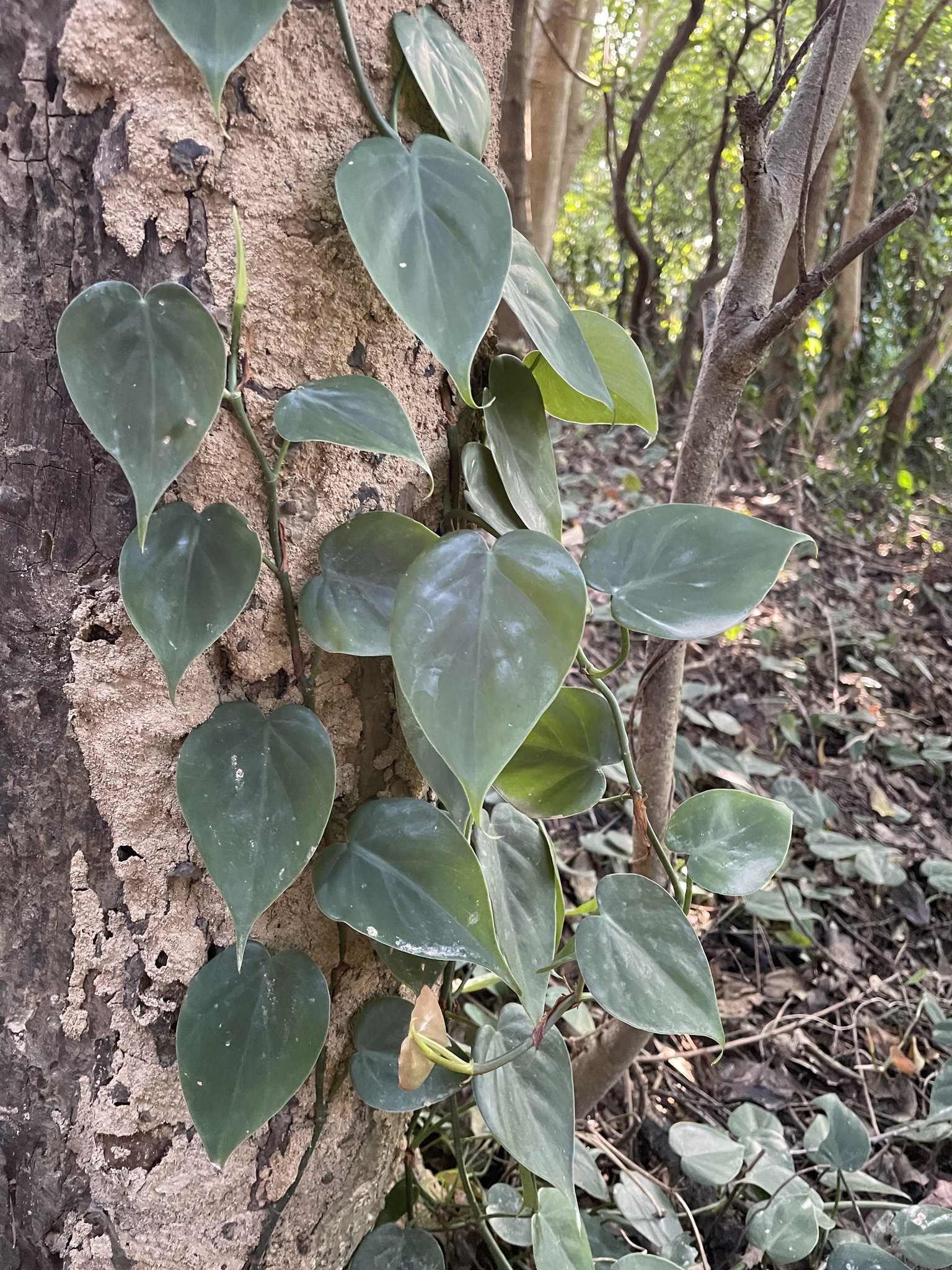
On this page
This is a method page for growing a climbing philodendron mounted rather than potted. Tie the stem to a cork slab or board over a damp sphagnum pad so the aerial roots grip the surface, keep humidity above 60%, and water every 1-3 days. A mount dries far faster than a pot. Mounting is what unlocks the large mature leaf forms. Philodendrons are toxic to cats and dogs. For standard potted care see /plants/indoor/philodendron.
Key facts
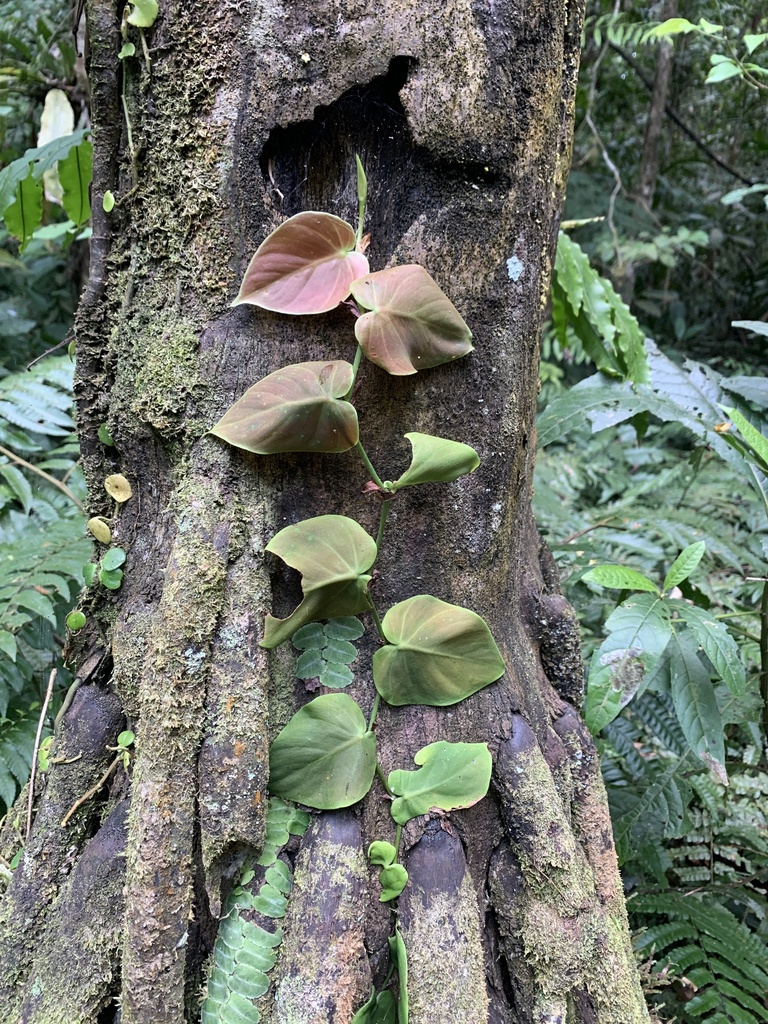
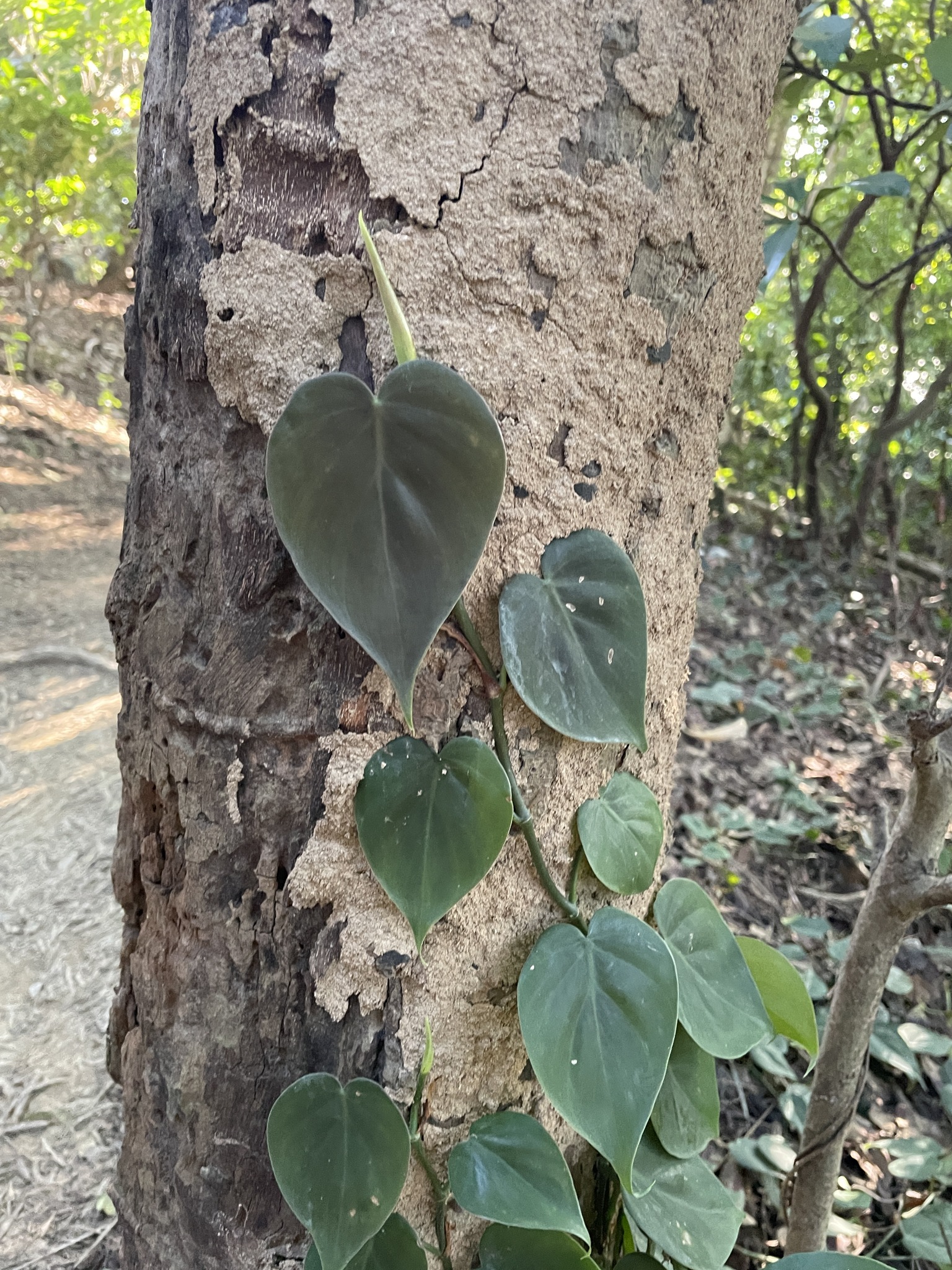
- Climbing philodendrons are hemiepiphytes that spend their adult life attached to bark, which is why mounting suits them.
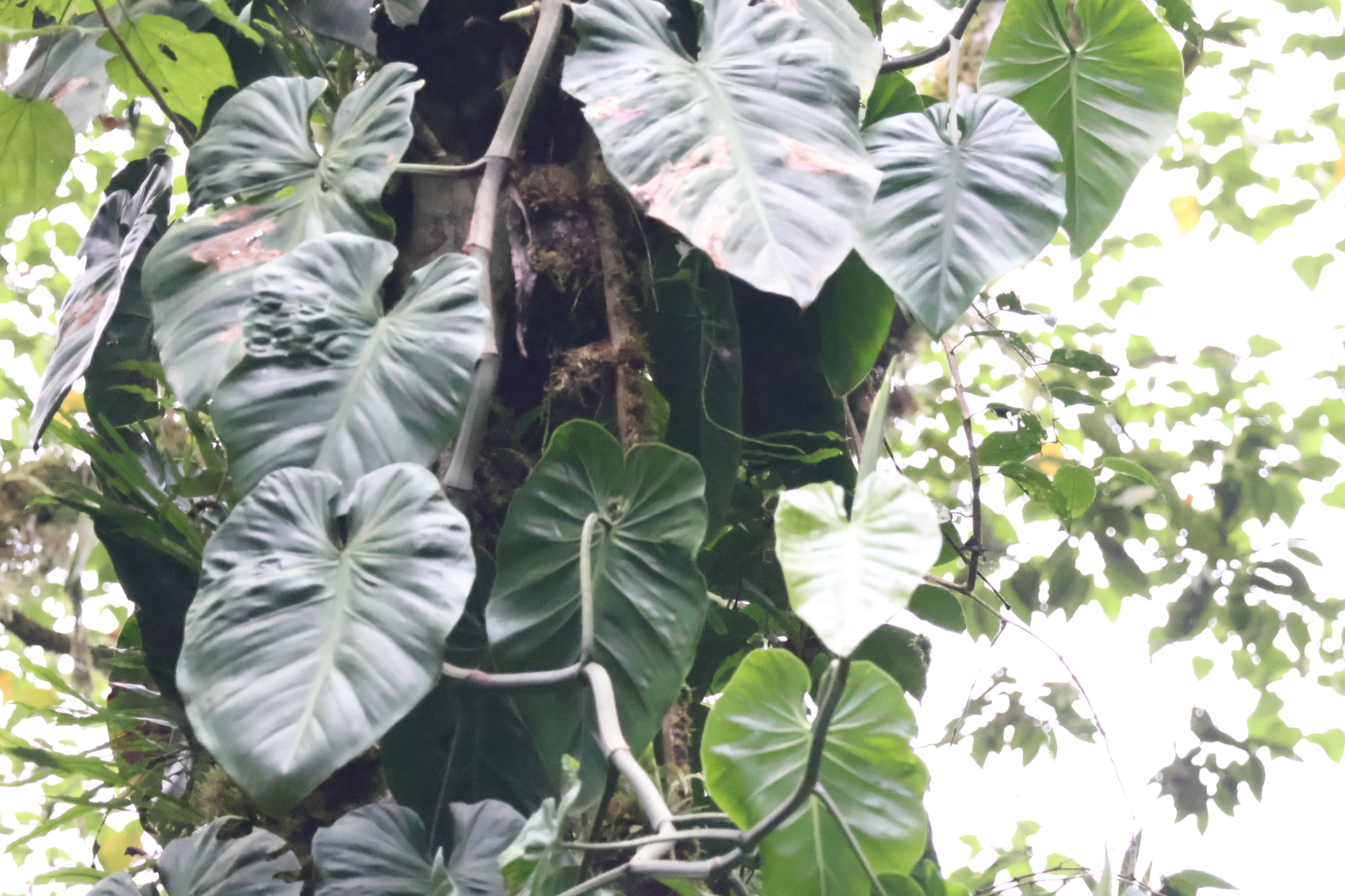
- Aerial roots grip the mount and feed from the moss pad; a climbing plant with somewhere to attach produces far larger adult leaves.
- A mounted philodendron dries several times faster than the same plant in a pot, so watering every 1-3 days is normal.
- Tie the stem with soft cord or plant velcro; adhesive should only ever touch the moss or board, never a node or aerial root.
- All philodendrons contain calcium oxalate and are toxic to cats and dogs if chewed.
Care requirements#
| Growing method | Mounted: stem tied to a slab with a sphagnum pad, no pot and no potting soil |
| Mounting substrate | Cork bark, a cedar or hardwood plank, or a tree fern slab; cork holds up best to constant wetting |
| Moss pad | A generous, evenly damp sphagnum layer down the length of the mount, which is what the aerial roots feed into |
| Wire vs glue | Soft nylon cord, plant velcro or fishing line across the stem between nodes. Glue may anchor moss to the board only, never a node or aerial root |
| Light needs | Bright indirect light; direct sun scorches leaves and dries the pad within hours |
| Watering method | Drench the whole mount or mist the pad heavily until it is saturated, letting excess run off |
| Soak-vs-mist schedule | Every 1-3 days. Far more often than a potted philodendron. Daily misting of the moss keeps aerial roots active between drenches |
| How to judge thirst | Squeeze the moss pad: springy and cool means fine, hard and light means water now |
| Air circulation | Gentle air movement is good, but a fan or draught aimed at the mount dries the pad far too fast |
| Humidity | 60%+ for mounted culture to work well; below 50% aerial roots shrivel instead of gripping |
| Temperature range | 18-29°C (65-85°F); keep away from radiators and cold glass |
| Fertilizer | Quarter-strength balanced liquid feed applied to the moss pad every 2-3 weeks in spring and summer |
| Toxicity | Toxic to cats and dogs. Calcium oxalate crystals cause oral pain, drooling and swelling if chewed |
Growth & propagation#
| Mature size | Climbs the length of the mount and beyond; leaf size increases markedly as it climbs |
| Growth rate | Fast in warmth and humidity, and noticeably faster mounted than potted once roots grip |
| Leaf maturation | Mounting triggers the shift to adult leaf form, which is why collectors mount rather than trail |
| Propagation methods | Stem cuttings with at least one node and an aerial root, tied straight onto a new moss pad |
| Propagation difficulty | Easy: nodes root into damp sphagnum within a few weeks |
| Remounting schedule | Every 1-2 years as the sphagnum breaks down and stops holding water |
Common problems & troubleshooting#
| Symptom | Likely cause | Fix |
|---|---|---|
| Leaves yellow and stem softens at the base | The moss pad was kept sodden with no drainage or airflow | Let the pad dry back between waterings, improve air movement, and cut away any rotted stem |
| Aerial roots shrivel and never grip the mount | Humidity too low, or the moss pad dried out repeatedly | Raise humidity above 60%, mist the pad daily, and tuck the aerial roots into the moss |
| New leaves stay small after mounting | Insufficient light or nutrition, or the plant has not yet attached | Give brighter indirect light and feed the pad regularly; leaf size increases only once roots are gripping and climbing |
| Plant peels away from the board | Tied too loosely, or tied over leaves rather than the stem | Retie across the stem between nodes so the nodes press into the moss |
| Brown crispy leaf edges | Dry air, the classic failure of mounted aroids in heated rooms | Move to a more humid room or add a humidifier; misting leaves alone is not enough |
A slab dries in a day, a pot takes a week
Sodate learns how fast your mount really dries and prompts you before the moss pad goes hard.
Seasonal care#
Varieties & cultivars#
| Variety | Distinguishing trait | Note |
|---|---|---|
| Philodendron hederaceum (heartleaf) | Small heart-shaped leaves, very tolerant | The easiest philodendron to mount for a first attempt |
| Philodendron gloriosum | Creeping rhizome, velvety white-veined leaves | Crawls rather than climbs; better on a flat horizontal moss tray than a vertical board |
| Philodendron melanochrysum | Velvet black-green leaves that enlarge dramatically when climbing | The classic case for mounting, but needs high humidity |
| Philodendron 'Brasil' | Variegated heartleaf form | Mounts well and shows off trailing and climbing habits |
Buying checklist#
- If buying pre-mounted, check the stem is tied and not glued at the nodes
- Aerial roots are plump and already entering the moss pad
- Moss pad is generous and springy rather than thin and decomposed
- Board is cork, cedar or tree fern rather than plain softwood that will rot
Pricing by region#
| Region | Price range | Typical unit | Basis |
|---|---|---|---|
| US | $25 – $70 | mounted plant | Plant shop + maker-mounted online |
| UK | $28 – $80 | mounted plant | Specialist plant shop |
| India | $8 – $30 | mounted plant | Urban nursery retail |
| Australia | $28 – $75 | mounted plant | Nursery + specialist retail |
| Canada | $30 – $80 | mounted plant | Plant shop + online |
USD figures are approximate conversions for comparison; switch the dropdown to see each region's actual local-currency listing price.
Often confused with#
Where it's actually grown#
Philodendrons are produced from tissue culture and cuttings by nurseries in Florida, the Netherlands, Costa Rica and Southeast Asia as potted stock; mounted plants are almost always potted nursery plants remounted by small makers or hobbyists.
Import & biosecurity restrictions#
| Region | Note |
|---|---|
| Australia | Live plant imports restricted under biosecurity law; philodendrons are widely available domestically. |
| US | No restriction on domestic sale; philodendrons are standard nursery crops. |
| UK | Imports need phytosanitary paperwork; sold in every garden centre domestically. |
| India | No restriction; mounted culture works well in humid coastal cities and poorly in dry heat. |
| Canada | CFIA permits required for commercial imports; potted stock is ubiquitous at retail. |
Similar plants
Ranked in these guides
Did you know?
Frequently asked questions
Can you grow a philodendron mounted without a pot?
Yes. Climbing philodendrons are hemiepiphytes that live attached to bark in the wild, so a cork or board slab with a damp sphagnum pad suits them well.
How often do you water a mounted philodendron?
Every 1-3 days. A mount dries several times faster than a pot, so judge by squeezing the moss pad rather than following a weekly schedule.
Should I glue or tie a philodendron to its mount?
Tie it with soft cord, plant velcro or fishing line across the stem between nodes. Glue must never touch a node or aerial root. It kills the tissue that needs to grip.
Is a mounted philodendron safe for pets?
No. All philodendrons contain calcium oxalate crystals and are toxic to cats and dogs if chewed, mounted or potted.
Where can I read normal potted philodendron care?
The standard potted guide, including soil mix and repotting, is at /plants/indoor/philodendron.