 Sodate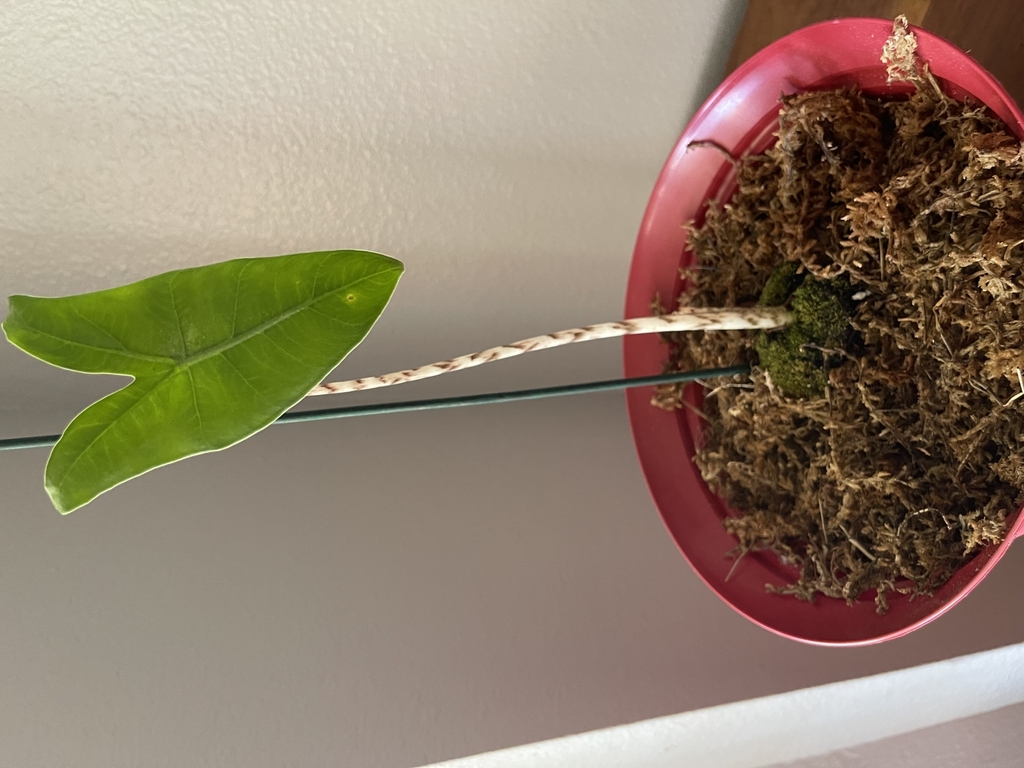
On this page
Alocasia zebrina's selling point is the zebra-striped petiole, not the leaf. The single most important thing to know: it goes dormant in winter and can lose every single leaf. This is normal behaviour, not death. Keep the corm barely moist, stop feeding, and it will reshoot in spring. It needs bright indirect light, a chunky fast-draining mix, and it is toxic to cats and dogs.
Key facts
- The zebra striping is on the petiole (leaf stalk), not the leaf blade. A plant sold as 'zebrina' with plain green stalks is not Alocasia zebrina.
- It goes genuinely dormant in autumn and winter, often shedding every leaf. The underground corm stays alive and reshoots in spring, so a bare pot should not be thrown away.
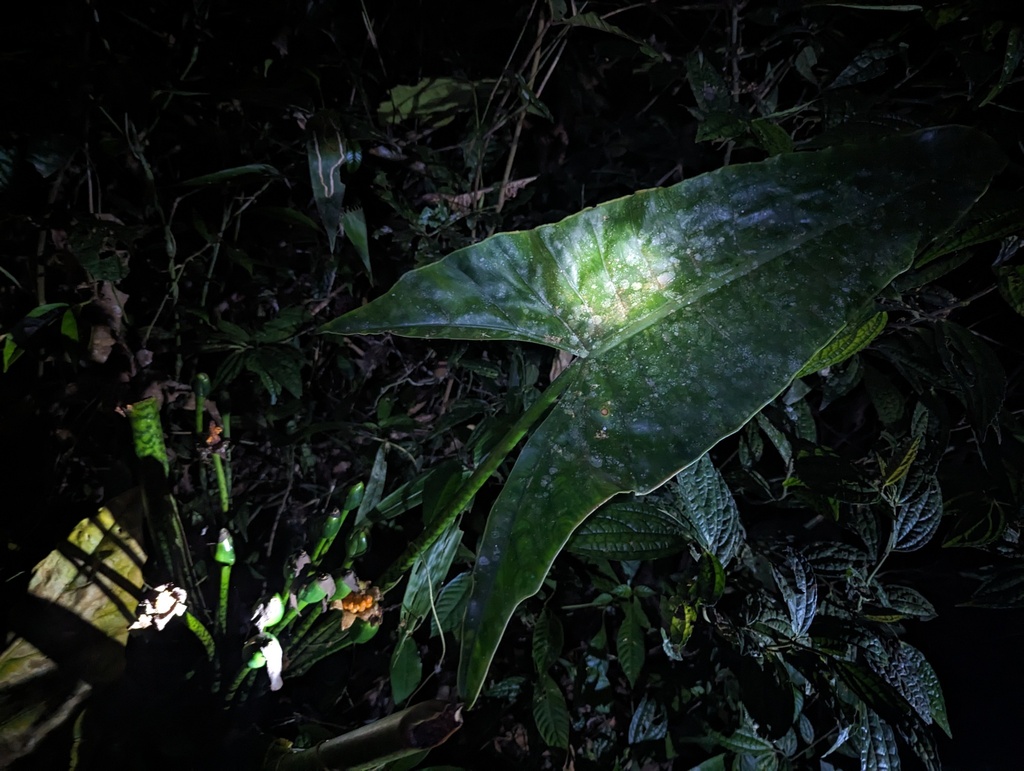
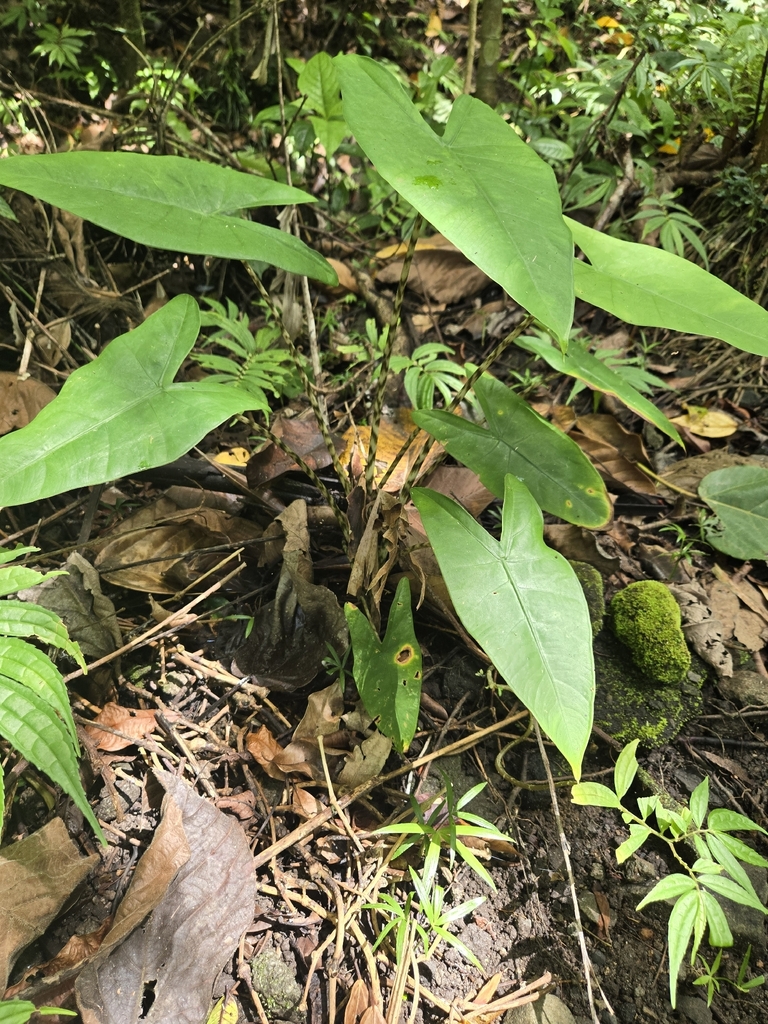
- Alocasia zebrina is endemic to the Philippines and is assessed as threatened in the wild, largely because of over-collection for the houseplant trade, buy nursery-propagated stock.
- All parts contain insoluble calcium oxalate crystals: toxic to cats, dogs and humans, causing intense oral burning and swelling.
Care requirements#
| Plant type | Indoor corm-forming aroid; grown as a houseplant everywhere outside the tropics |
| Similar plant | Alocasia Polly. Smaller, with dramatic leaf veining instead of striped stems |
| Growing medium | Chunky, fast-draining aroid mix: potting mix cut heavily with perlite, bark and coco chips |
| Light needs | Bright indirect light; a couple of hours of soft morning sun is fine, harsh afternoon sun burns the thin leaves |
| Water frequency | Every 5-8 days in growth when the top 3-4cm is dry. In winter dormancy, water only enough to keep the corm from shrivelling, roughly every 3-4 weeks |
| Humidity | 60%+ preferred; below 40% expect crispy edges and spider mites |
| Temperature range | 18-28°C (65-82°F). Below 15°C it will drop leaves and enter dormancy |
| Fertilizer | Balanced liquid feed at half strength every 3-4 weeks in spring and summer only. Never feed a dormant plant |
| Soil pH | 5.5-6.5 |
| Drainage needs | Very high. A soggy corm rots within days and is the most common way this plant is actually killed |
| Pot recommendation | Snug pot with generous drainage; zebrina flowers and grows better slightly rootbound |
| Toxicity | Toxic to cats, dogs and humans. Calcium oxalate causes severe mouth pain, drooling and swelling |
Growth, dormancy & propagation#
| Mature size | 60-100cm tall indoors, occasionally 1.2m with petioles up to 90cm long |
| Growth rate | Fast in spring and summer, a new leaf every 2-4 weeks, then a complete stop from late autumn |
| Winter dormancy | Normal and expected. Leaves yellow and drop from roughly November to February in temperate climates; the corm survives underground and reshoots in spring |
| Propagation methods | Separate the small offset corms (bulbils) that form around the base of the mother plant and pot them shallowly in moist mix |
| Propagation difficulty | Intermediate: corms can take 4-10 weeks to sprout and rot easily if kept too wet |
| Repotting schedule | Every 1-2 years in spring, just as new growth appears; avoid repotting during dormancy |
Common problems & troubleshooting#
| Symptom | Likely cause | Fix |
|---|---|---|
| Every leaf yellows and drops in autumn or winter | Natural dormancy, not disease. This is the species' normal annual cycle | Do nothing drastic. Move it somewhere bright and cool, cut watering to roughly monthly, stop fertilising, and wait for new shoots in spring |
| Petiole collapses and the leaf flops over | Usually rot at the corm from overwatering, or a sudden loss of turgor after underwatering | Check the corm. Firm means underwatering, soft or smelly means rot. Cut away rotten tissue, dust with cinnamon or sulphur and repot dry-ish |
| Water droplets dripping from leaf tips | Guttation. The plant expelling excess water, common after a heavy watering | Harmless, but it signals you are watering more than the plant needs; extend the interval slightly |
| Fine webbing and pale stippling on leaves | Spider mites, the number one zebrina pest in dry indoor air | Isolate immediately, shower the leaves, treat with horticultural soap weekly for three weeks, and raise humidity |
| Stripes on the petiole fade to a washed-out beige | Insufficient light | Move to a brighter position with bright indirect light; contrast returns on newly produced petioles, not old ones |
Know the difference between dormant and dying
Sodate adjusts your zebrina's watering quests by season, so you stop drowning a dormant corm that simply isn't drinking.
Seasonal care#
Varieties & cultivars#
| Variety | Distinguishing trait | Note |
|---|---|---|
| Alocasia zebrina (standard) | Brown-and-cream banded petioles, plain green arrow leaves | The widely sold species form |
| Alocasia zebrina 'Reticulata' | Green leaf overlaid with a fine dark net-like pattern | Rarer and priced well above the standard form |
| Alocasia zebrina variegata | Irregular cream leaf variegation | Collector plant; unstable and slow, needs more light than the plain form |
| Alocasia 'Tiny Dancer' | Compact, cupped leaves on slim stalks | Often shelved beside zebrina but a different, much smaller hybrid |
Buying checklist#
- Petiole banding is crisp dark brown on cream. Faded or absent striping means poor light or a mislabelled plant
- Base of the petioles is firm, not soft or discoloured, where they meet the corm
- Growing mix is chunky and drains freely, not dense and waterlogged
- No fine webbing in the leaf axils. Imported zebrina very commonly arrives with spider mites
- Buying in autumn or winter means you may be paying full price for a plant that will immediately go dormant
Pricing by region#
| Region | Price range | Typical unit | Basis |
|---|---|---|---|
| US | $20 – $60 | 6in pot | Nursery + online plant shop retail |
| UK | $19 – $50 | 15-17cm pot | Garden centre + online retail |
| India | $6 – $22 | 6in pot | Urban nursery retail |
| Australia | $26 – $65 | 175mm pot | Domestic nursery (import-restricted) |
| Canada | $22 – $60 | 6in pot | Garden centre retail |
USD figures are approximate conversions for comparison; switch the dropdown to see each region's actual local-currency listing price.
Often confused with#
Name confusion warning#
Do not confuse Alocasia zebrina with the unrelated 'zebra plant' Aphelandra squarrosa or the Haworthia 'zebra plant' succulent. All three are commonly sold under the same common name and their care needs are entirely different.
Where it's actually grown#
Commercial Alocasia zebrina is tissue-cultured at scale in the Netherlands, Thailand and China, then finished by regional growers, so most retail stock is many generations removed from the wild. The wild Philippine population is threatened by over-collection, which makes nursery-propagated plants both cheaper and the ethical choice.
Import & biosecurity restrictions#
| Region | Note |
|---|---|
| Australia | Live plant imports restricted under biosecurity law; buy from domestic tissue-culture growers. |
| US | Imports require a USDA phytosanitary certificate; domestic sale is unrestricted. |
| UK | Plant health certificates required for imports; domestic sale unrestricted. |
| India | No sale restriction. In warm Indian climates it may skip full dormancy and simply slow down. |
| Canada | CFIA import permit required for commercial imports; domestic sale unrestricted. |
Similar plants
Did you know?
Frequently asked questions
My Alocasia zebrina lost all its leaves. Is it dead?
Probably not. Zebrina goes dormant in autumn and winter and routinely sheds every leaf. Check that the underground corm is still firm, keep it barely moist and cool, and it should reshoot in spring.
Why are the stripes on my zebrina fading?
Insufficient light. Move it somewhere brighter. The contrast will return on newly produced petioles, though existing faded ones will not recolour.
Is Alocasia zebrina toxic to cats and dogs?
Yes. Every part contains insoluble calcium oxalate crystals, which cause intense mouth burning, drooling and swelling if chewed. Keep it well out of reach.
Should I water Alocasia zebrina in winter?
Only sparingly. A dormant, leafless plant takes up almost no water, so roughly monthly is enough. Overwatering during dormancy is the main cause of corm rot.
How do I propagate Alocasia zebrina?
Separate the small offset corms that form around the base of the mother plant at repotting time and pot them shallowly in moist, chunky mix; they sprout in four to ten weeks.