 Sodate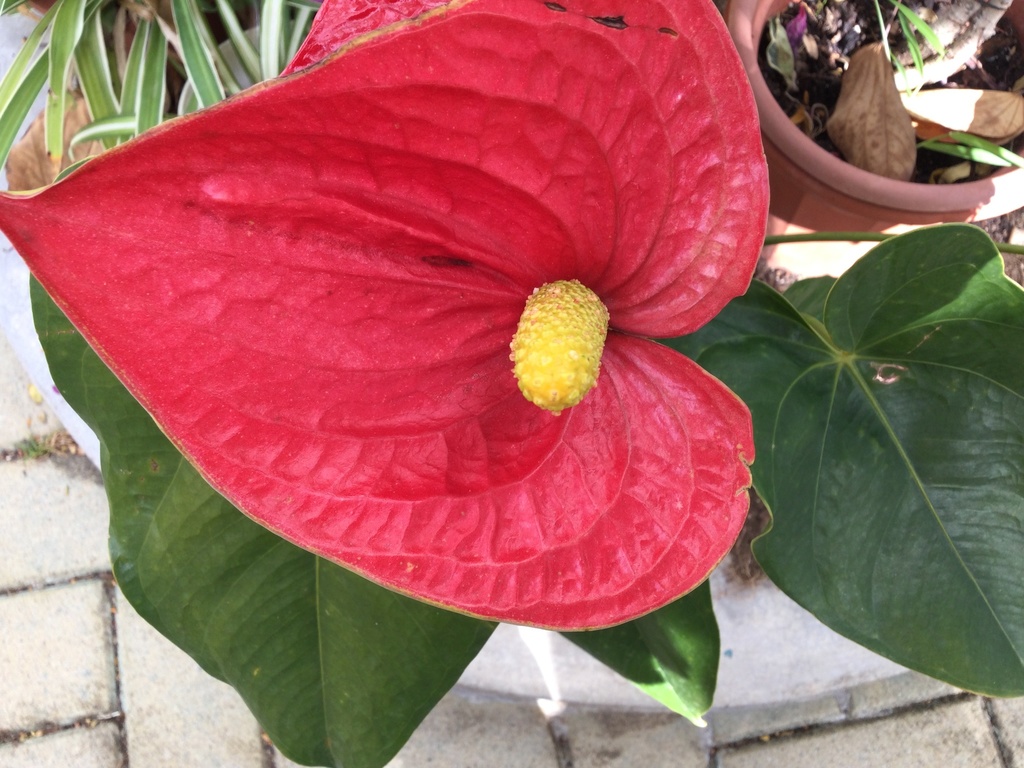
On this page
Anthurium is the easiest way to keep real colour in the house year-round: bright indirect light, chunky orchid-style mix, water when the top few centimetres dry (about weekly), and it cycles through long-lasting red spathes continuously. The whole plant contains calcium oxalate crystals. Toxic to cats, dogs, and mouths generally. $15-$40.
Key facts
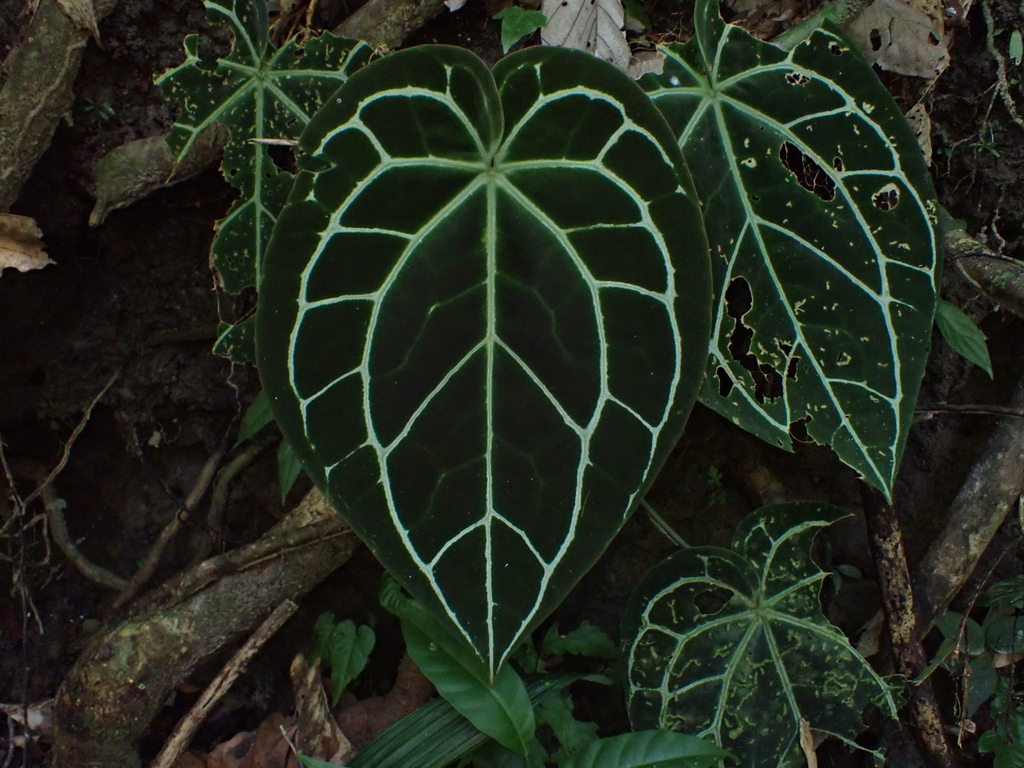
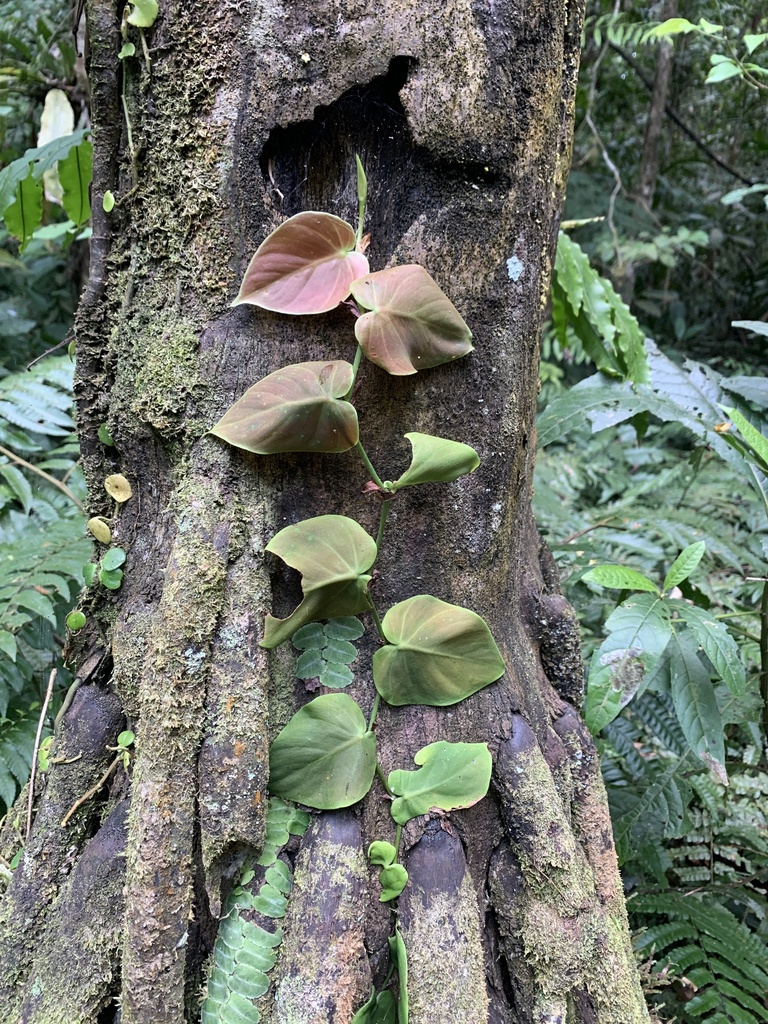
- Native to the rainforests of Colombia and Ecuador, where it grows as an epiphyte on trees. The reason it demands airy, chunky potting mix.
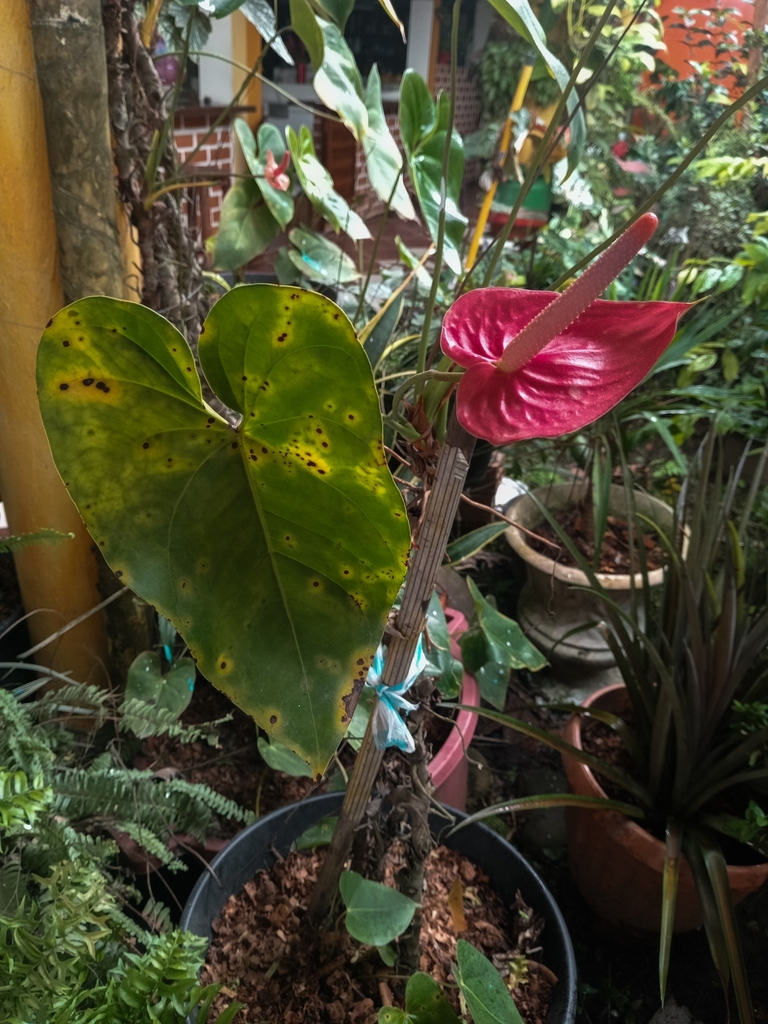
- The red 'flower' is a spathe (a modified leaf); the true flowers are the tiny bumps on the central yellow spike (spadix).
- Each spathe lasts 6-8 weeks, and a healthy plant blooms in repeated flushes through the year. Among the longest-lasting colour of any houseplant.
- Toxic to cats and dogs: calcium oxalate crystals cause immediate mouth pain, drooling, and swelling when chewed.
Care requirements#
| Plant type | Indoor (outdoor year-round only in USDA 11-12) |
| Growing medium | Chunky, airy aroid mix. Potting soil cut with orchid bark and perlite; epiphyte roots suffocate in dense soil |
| Light needs | Bright indirect light for reliable blooming; tolerates medium light but flowers taper off; no harsh direct sun |
| Water frequency | About weekly; water when the top 2-3cm of mix is dry, and let it drain fully |
| Humidity | 50%+ preferred; tolerates average homes but leaf tips brown in very dry air |
| Temperature range | 18-29°C (65-85°F); keep above 15°C (60°F); hates cold drafts |
| Fertilizer | Quarter-strength high-phosphorus feed every 6-8 weeks in spring-summer to support blooming |
| Soil pH | 5.5-6.5 |
| Drainage needs | High: the chunky mix should drain in seconds |
| Pot recommendation | Slightly snug pot with drainage; being a little root-bound encourages flowering |
| Grooming | Cut spent spathes at the base; wipe the glossy leaves so they can photosynthesise |
| Toxicity | Toxic to cats, dogs, and humans (calcium oxalate crystals in all parts) |
Growth & propagation#
| Mature size | 30-45cm tall and wide indoors |
| Growth rate | Moderate: a few new leaves and bloom flushes per year |
| Propagation methods | Division of offsets at the base; stem cuttings with aerial roots also work |
| Propagation difficulty | Moderate: divisions establish reliably; keep warm and humid |
| Repotting schedule | Every 2-3 years, refreshing the chunky mix as it breaks down |
| Pruning needs | Just spent-flower and dead-leaf removal |
Common problems & troubleshooting#
| Symptom | Likely cause | Fix |
|---|---|---|
| No flowers, just leaves, for months | Not enough light. The most common anthurium complaint | Move to bright indirect light near an east or filtered south window; blooms restart within a couple of months |
| Green, small, distorted spathes | Light too low or feeding too heavy while spathes form | Raise light, cut fertilizer to quarter strength; subsequent flushes come in red and full-sized |
| Yellowing lower leaves and soggy mix | Overwatering or the chunky mix breaking down into muck | Let the pot dry more between waterings; repot into fresh airy aroid mix if the old mix has composted |
| Brown leaf tips and edges | Dry air or fertilizer salt buildup | Raise humidity, flush the pot with plain water every few months, feed at quarter strength |
| Brown 'burnt' patches on the spathe surface | Direct sun scorching the waxy spathe | Pull back from direct rays; the current spathe stays scarred but new ones emerge clean |
Blooms on a schedule you can keep
Sodate keeps anthurium's light-but-regular watering rhythm on track. The difference between constant flowers and just leaves.
Seasonal care#
Varieties & cultivars#
| Variety | Distinguishing trait | Note |
|---|---|---|
| 'Red Champion' | Compact, prolific red-spathe standard | The default supermarket anthurium |
| 'Zizou' | Small lilac-purple ribbon spathes | Part of the tulip-anthurium group |
| 'Black Love' / 'Black Beauty' | Near-black burgundy spathes | Popular dark-decor pick |
| 'Livium' | Coral-and-cream bicolour spathes | Colour deepens as spathes age |
Buying checklist#
- Multiple bloom stages present. Open spathes plus buds coming up from the crown
- Spathes glossy and unblemished (scars and brown patches never recover)
- Leaves deep green and shiny, no yellow lowers
- Mix is chunky and airy, not dense wet soil
- Crown free of mushy black bases on the leaf stems
Pricing by region#
| Region | Price range | Typical unit | Basis |
|---|---|---|---|
| US | $15 – $40 | 4-6in blooming pot | Grocery, big-box + nursery retail |
| UK | $12 – $38 | 12-17cm blooming pot | Supermarket + garden centre retail |
| India | $3 – $12 | blooming pot | Urban nursery + online |
| Australia | $13 – $42 | 130-200mm blooming pot | Nursery + garden centre |
| Canada | $15 – $40 | 4-6in blooming pot | Grocery + garden centre retail |
USD figures are approximate conversions for comparison; switch the dropdown to see each region's actual local-currency listing price.
Often confused with#
Where it's actually grown#
The Netherlands dominates the world anthurium trade, Dutch breeders hold most of the named varieties and export tissue-cultured young plants globally, with volume pot-plant production also in Florida, Hawaii (a historic cut-flower centre), Colombia, and increasingly India and Southeast Asia.
Import & biosecurity restrictions#
| Region | Note |
|---|---|
| Australia | Live plant imports restricted under biosecurity law; domestic production covers retail demand. |
| US | Domestic sale unrestricted; pot plants ship mainly from Florida, cut flowers from Hawaii and Colombia. |
| UK | No consumer restriction; nearly all stock arrives from Dutch glasshouses with trade phytosanitary paperwork. |
| India | No restriction; commercial anthurium farms operate in Kerala and the Northeast, so local stock is good value. |
| Canada | CFIA permits for commercial imports; retail supply routes through US and Dutch growers. |
Similar plants
Ranked in these guides
Did you know?
Frequently asked questions
Is anthurium toxic to cats and dogs?
Yes. All parts contain calcium oxalate crystals that cause intense mouth pain, drooling, and swelling when chewed. Serious poisoning is rare because the pain stops pets fast, but keep it out of reach.
How do I get my anthurium to flower again?
Light is almost always the answer: bright indirect light near a window, plus dilute phosphorus feeding in the growing season. In a dim spot it will grow leaves only.
How long do anthurium flowers last?
Each spathe stays showy for 6-8 weeks, and a happy plant produces overlapping flushes so it's rarely without colour.
How often should I water an anthurium?
About weekly. When the top 2-3cm of the chunky mix feels dry. As a rainforest epiphyte it wants moisture with lots of air at the roots, never soggy soil.
Why are the new flowers green instead of red?
Spathes maturing in too little light stay green and small, and heavy feeding makes it worse. Increase light, ease off fertilizer, and the next flush colours properly.