 Sodate
On this page
Arrowhead plant is one of the easiest fast growers in the aroid family: medium to bright indirect light, water when the top few centimeters dry, and prune to keep it bushy or let it climb a moss pole. Cuttings root in plain water in days. Toxic to cats and dogs. Typically $6-$20 in the US.
Key facts
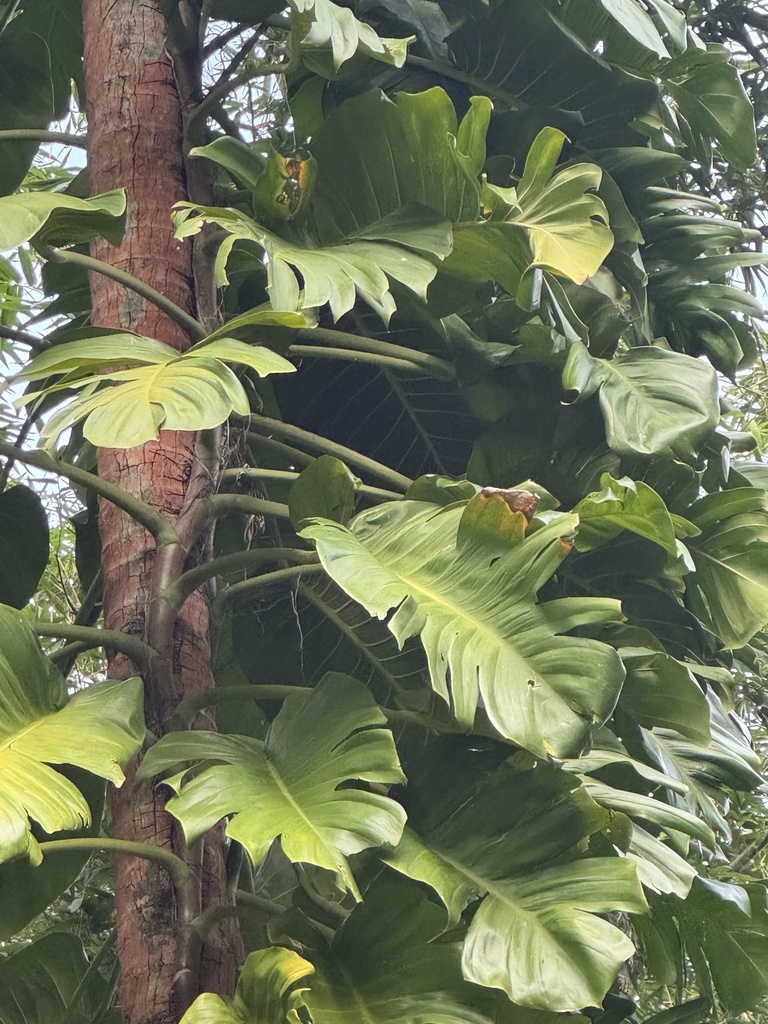
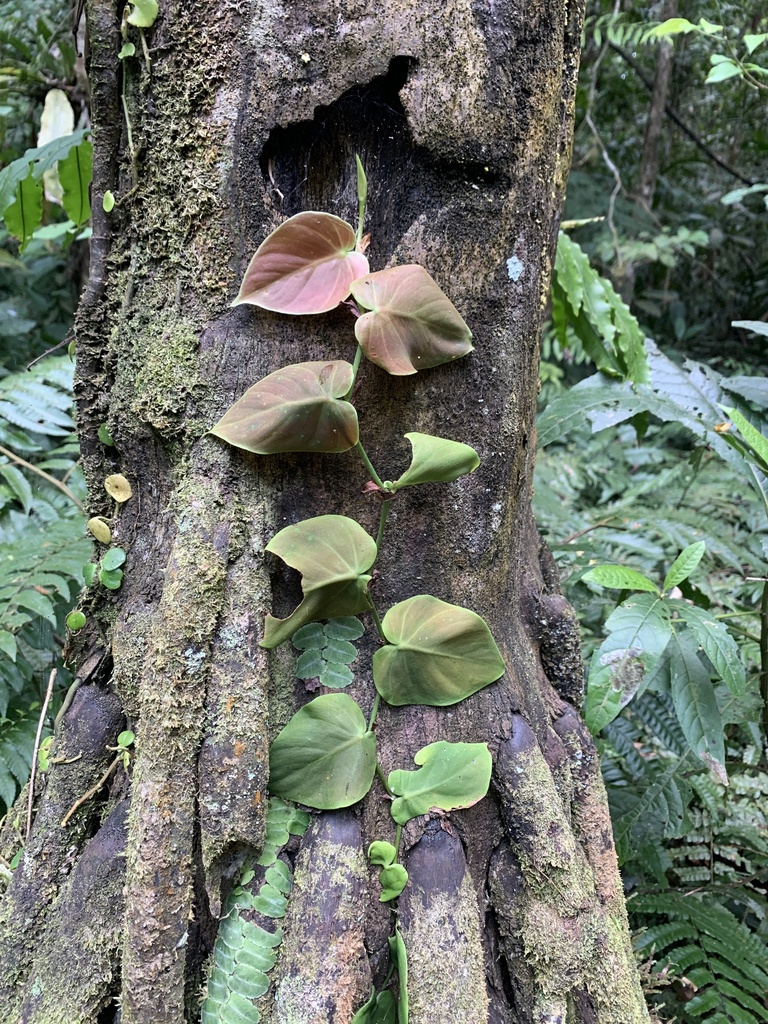
- Shows dramatic leaf-shape change with age: juvenile leaves are simple arrowheads, adult leaves on climbing stems split into 5-11 lobes.
- One of the fastest-rooting houseplants. Stem cuttings with a node root in water within 1-2 weeks.
- Variegated and colored cultivars (pink, white, mottled) keep color best in brighter light.
- Toxic to cats, dogs, and humans: insoluble calcium oxalate crystals cause mouth irritation if chewed.
Care requirements#
| Plant type | Indoor (outdoors only in frost-free shade, USDA 10-12; invasive in Florida and Hawaii) |
| Growing medium | Airy potting mix with perlite; happily grows long-term in plain water too |
| Light needs | Medium to bright indirect light; green forms tolerate low light, variegated forms fade there |
| Water frequency | When the top 2-3cm of soil dries. Roughly weekly; leaves visibly droop when thirsty and recover fast |
| Humidity | 40-60%; tolerant of average rooms, lusher with more |
| Temperature range | 16-27°C (60-80°F); keep above 10°C |
| Fertilizer | Half-strength balanced liquid feed monthly in spring-summer |
| Soil pH | 5.5-6.5 |
| Drainage needs | Moderate: tolerant, but constant sogginess still rots roots |
| Pot recommendation | Any pot with drainage; hanging pot for trailing, moss pole for adult foliage |
| Hardiness zone (outdoor) | USDA 10-12 |
| Toxicity | Toxic to cats, dogs, and humans (insoluble calcium oxalates) |
Growth & propagation#
| Mature size | Kept pruned: 30-60cm bush; as a vine: stems 1.5-2m+ indoors |
| Growth rate | Fast: noticeable new leaves every few weeks in the growing season |
| Propagation methods | Stem cuttings with at least one node, rooted in water or moist mix |
| Propagation difficulty | Very easy. Among the most reliable houseplants to propagate |
| Repotting schedule | Every 1-2 years in spring, or when roots circle the pot |
| Pruning needs | Pinch or cut back regularly to keep the compact arrowhead form; unpruned plants become vines |
Common problems & troubleshooting#
| Symptom | Likely cause | Fix |
|---|---|---|
| Whole plant suddenly limp and droopy | Thirst. Syngoniums wilt dramatically when dry | Water thoroughly; it typically stands back up within hours. If soil is already wet, suspect root rot instead |
| Leggy stems with long gaps between leaves | Low light plus its natural vining habit | Move brighter and pinch growing tips; cut leggy stems back hard. They reshoot from lower nodes |
| Pink or white variegation fading to green | Insufficient light for colored cultivars | Move to bright indirect light; prune reverted all-green shoots to favor variegated growth |
| Brown crispy leaf tips | Dry air, or salt buildup from fertilizer/tap water | Raise humidity and flush the pot with plain water every couple of months |
| Yellowing lower leaves and wet soil | Overwatering | Let the top layer dry before watering again; check roots and repot into airier mix if any are brown and mushy |
Fast growers drink on their own schedule
Sodate adjusts reminders as your syngonium's thirst grows with it, so droop never gets a head start.
Seasonal care#
Varieties & cultivars#
| Variety | Distinguishing trait | Note |
|---|---|---|
| 'White Butterfly' | Cream-centered leaves with green edges | The most common trade cultivar |
| 'Neon Robusta' | Soft pink leaves throughout | Needs bright indirect light to stay pink |
| 'Pink Splash' / 'Milk Confetti' | Speckled pink-on-green variegation | Collector favorites at higher prices |
| 'Batik' | Green leaves with fine white vein netting | Distinctive patterned form |
Buying checklist#
- Multiple stems in the pot, not a single cutting
- Compact growth with short gaps between leaves
- Variegated cultivars show strong color on the newest leaf
- No blackened, mushy stems at the soil line
Pricing by region#
| Region | Price range | Typical unit | Basis |
|---|---|---|---|
| US | $6 – $20 | 4-6in pot | Big-box + garden center retail |
| UK | $6 – $19 | 12cm pot | Garden centre + online retail |
| India | $1 – $4 | 4in pot | Local nursery + online |
| Australia | $7 – $19 | 130mm pot | Nursery + garden centre |
| Canada | $6 – $19 | 4-6in pot | Garden centre retail |
USD figures are approximate conversions for comparison; switch the dropdown to see each region's actual local-currency listing price.
Often confused with#
Name confusion warning#
Sold under several names. Arrowhead plant, arrowhead vine, goosefoot plant, nephthytis, and 'African evergreen' all refer to Syngonium podophyllum. Despite the last name, it's Central and South American, and 'nephthytis' is a completely different African genus.
Where it's actually grown#
Mass-produced by tissue culture and cuttings in foliage nurseries in Florida, Costa Rica, the Netherlands, and Southeast Asia; new colored cultivars come mainly from Thai and Indonesian breeders.
Import & biosecurity restrictions#
| Region | Note |
|---|---|
| Australia | Live plant imports restricted under biosecurity law; buy domestically grown stock. |
| US | Domestic sale unrestricted as a houseplant, but it's listed as a Category I invasive in Florida. Don't plant it outdoors in frost-free states. |
| UK | No restriction; strictly an indoor plant. |
| India | No restriction; a common, inexpensive nursery staple. |
| Canada | CFIA permits required for commercial imports; no outdoor invasiveness risk. |
Similar plants
Ranked in these guides
Did you know?
Frequently asked questions
Is arrowhead plant toxic to cats and dogs?
Yes. Like most aroids it contains insoluble calcium oxalate crystals that cause drooling, mouth pain, and vomiting if chewed.
Why are my arrowhead plant's new leaves a different shape?
That's maturation: climbing stems produce progressively more lobed adult leaves. Prune it back if you prefer the compact juvenile arrowhead form.
Can arrowhead plant grow in water?
Yes. Cuttings root in plain water within 1-2 weeks and can be grown in water long-term if you refresh it and add dilute fertilizer occasionally.
Why is my arrowhead plant drooping?
Almost always thirst. It wilts dramatically when dry and recovers within hours of watering. If the soil is already wet, check the roots for rot instead.
How much does an arrowhead plant cost?
Common green and 'White Butterfly' forms run $6-$20 in the US; speckled pink collector cultivars cost more.