 Sodate
Home / Guides / Fast-growing indoor plants
Best Fast-Growing Indoor Plants: 15 Ranked (2026)
The best fast-growing indoor plants are Polka Dot Plant, Spider Plant, Boston Fern. Sodate ranked 19 qualifying plants from a database of 208 profiles on a published 100-point rubric weighted to growth speed (40), care difficulty (25), pet safety (20) and cost (15). Polka Dot Plant scores 100/100, the highest in this group.
Polka Dot Plant, Spider Plant, Boston Fern lead this ranking of fast-growing indoor plants. Entry requires scored from the growth rate stated in each profile, with full marks for plants described as fast with a figure attached. 4 of the 15 listed are non-toxic to cats and dogs. Every score is computed from the same four measures, growth speed, care difficulty, pet safety and cost, and the rubric is published below so you can recompute any ranking yourself.
Why trust this list
Fast growth is the most underrated quality for a first plant, because visible progress is what keeps people caring for it. It cuts both ways though: a fast plant in the wrong spot gets leggy fast, and a fast climber needs support and pruning within a season. Scores come from the growth rate stated in each profile, and the fastest plants here are also the ones you will be pruning. Everything here is an indoor plant profiled on this site, which means light is the binding constraint rather than temperature or rainfall. Check the light row on any plant before buying it, because indoors the difference between a north and a south window is larger than the difference between most of the plants on this list.
At a glance: all 15 ranked
| Rank | Plant | Best for | Score | Growth speed | Pet safety | US price |
|---|---|---|---|---|---|---|
| #1 | Polka Dot Plant | Filling a space quickly, in a home with pets | 100 | Fast, visible monthly | Pet-safe | $5–$12 |
| #2 | Spider Plant | Filling a space quickly, in a home with pets | 100 | Fast, visible monthly | Pet-safe | $8–$20 |
| #3 | Boston Fern | Filling a space quickly, in a home with pets | 90 | Fast, visible monthly | Pet-safe | $10–$30 |
| #4 | Arrowhead Plant | Filling a space quickly, if you forget to water | 88 | Fast, visible monthly | Toxic | $6–$20 |
| #5 | Coleus | Filling a space quickly, if you forget to water | 88 | Fast, visible monthly | Toxic | $4–$12 |
| #6 | English Ivy | Filling a space quickly, if you forget to water | 88 | Fast, visible monthly | Toxic | $8–$20 |
| #7 | Philodendron | Filling a space quickly, if you forget to water | 88 | Fast, visible monthly | Toxic | $8–$22 |
| #8 | Philodendron Brasil | Filling a space quickly, if you forget to water | 88 | Fast, visible monthly | Toxic | $10–$25 |
| #9 | Philodendron Micans | Filling a space quickly, if you forget to water | 88 | Fast, visible monthly | Toxic | $10–$25 |
| #10 | Pothos | Filling a space quickly, if you forget to water | 88 | Fast, visible monthly | Toxic | $10–$25 |
| #11 | Umbrella plant | Filling a space quickly, if you forget to water | 88 | Fast, visible monthly | Toxic | $10–$30 |
| #12 | Monstera Adansonii | Filling a space quickly, if you forget to water | 85 | Fast, visible monthly | Toxic | $15–$35 |
| #13 | Majesty Palm | Filling a space quickly, in a home with pets | 83 | Fast, visible monthly | Pet-safe | $25–$60 |
| #14 | Monstera Deliciosa | Filling a space quickly, if you forget to water | 81 | Fast, visible monthly | Toxic | $25–$75 |
| #15 | Asparagus Fern | Filling a space quickly | 78 | Fast, visible monthly | Toxic | $6–$18 |
How we scored these
Every plant is scored out of 100 on four measures, each pulled directly from its care profile. No score is assigned by hand, so the ranking can be reproduced from the data:
Ties are broken alphabetically. Prices are researched typical retail ranges, not live quotes. Check each plant's profile for the regional breakdown. 19 plants in the directory met the entry bar; the top 15 are listed here.
All 15 fast-growing indoor plants, ranked
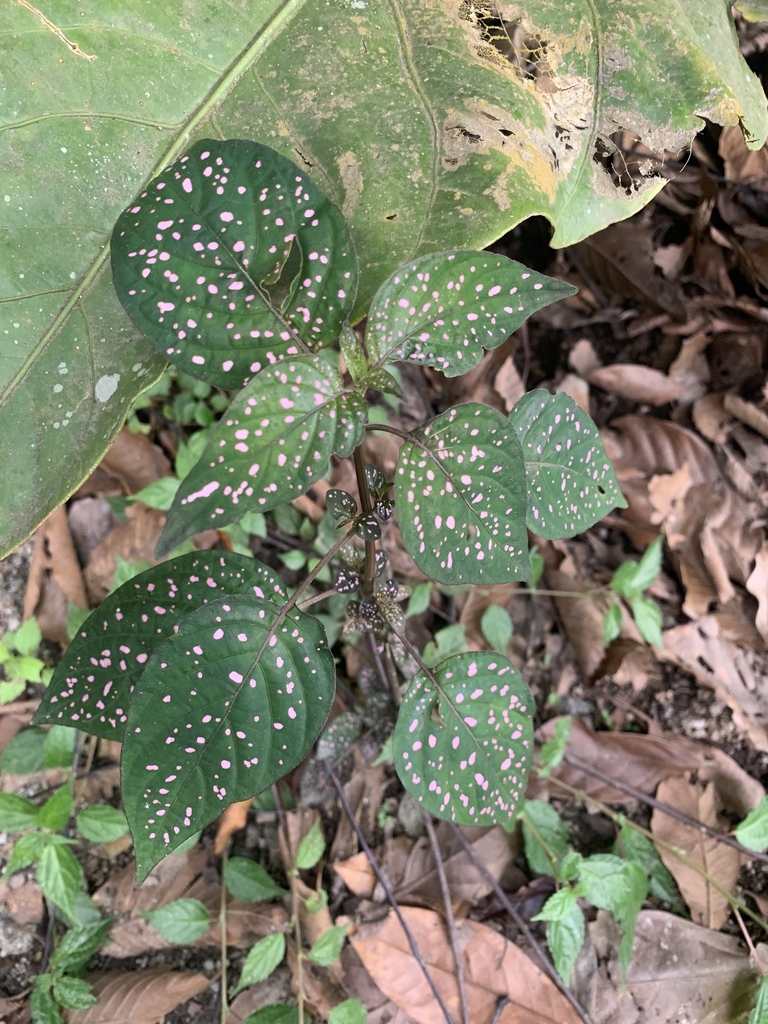
Polka Dot Plant
Confetti plant
Best for: Filling a space quickly, in a home with pets
Elite tier: top-scoring on every measure
✓ Strong signal Light tolerance: Bright indirect light; the speckling fades in shade and bleaches in direct sun
⚠ Watch out for Whole plant collapsed and limp: usually the pot dried out
Our take The polka dot plant is an easy, cheap, colourful little plant that is non-toxic to cats and dogs, which makes it a good pick for a pet household. Two things to know: it needs bright indirect light to keep its speckles (in shade it reverts towards plain green), and it wilts fast w
Strengths
- Fast enough to see progress month to month
- Non-toxic to cats and dogs
- Beginner-friendly and forgiving of missed waterings
Trade-offs
- Wants higher humidity than most homes provide
- Watch for: whole plant collapsed and limp
Care details
| Light | Bright indirect light; the speckling fades in shade and bleaches in direct sun |
| Water | Every 3-5 days; keep evenly moist and do not let the pot dry out fully |
| Humidity | 50%+ preferred; browning leaf tips are the first sign the air is too dry |
| Temperature | 18-27°C (65-80°F); keep above 13°C (55°F) |
| Toxicity | Non-toxic to cats, dogs and humans |
| US price | $5–$12 |
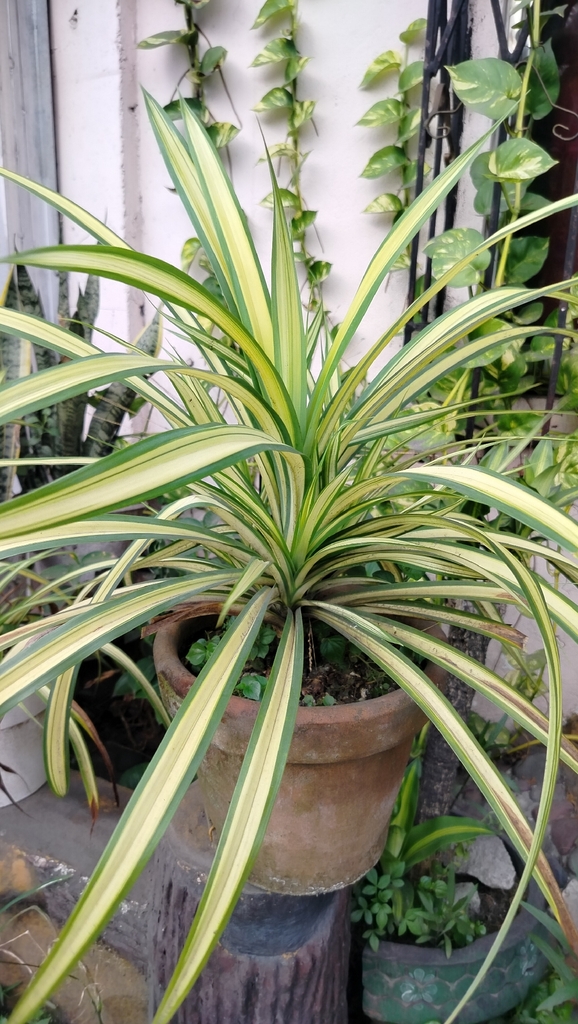
Spider Plant
Chlorophytum comosum
Best for: Filling a space quickly, in a home with pets
Elite tier: top-scoring on every measure
✓ Strong signal Light tolerance: Bright, indirect light ideal; tolerates medium light; direct sun scorches
⚠ Watch out for Brown leaf tips: usually fluoride/chlorine in tap water, or fertilizer salt buildup
Our take Spider plant is pet-safe, tolerant of neglect, and multiplies itself. Mature plants send out runners covered in ready-to-root plantlets.
Strengths
- Fast enough to see progress month to month
- Non-toxic to cats and dogs
- Beginner-friendly and forgiving of missed waterings
Trade-offs
- Watch for: brown leaf tips
Care details
| Light | Bright, indirect light ideal; tolerates medium light; direct sun scorches |
| Water | Every 5-8 days; let the top few centimeters dry between waterings |
| Humidity | Any household humidity |
| Temperature | 13-27°C (55-80°F); tolerates cool rooms well |
| Toxicity | Non-toxic to cats and dogs |
| US price | $8–$20 |
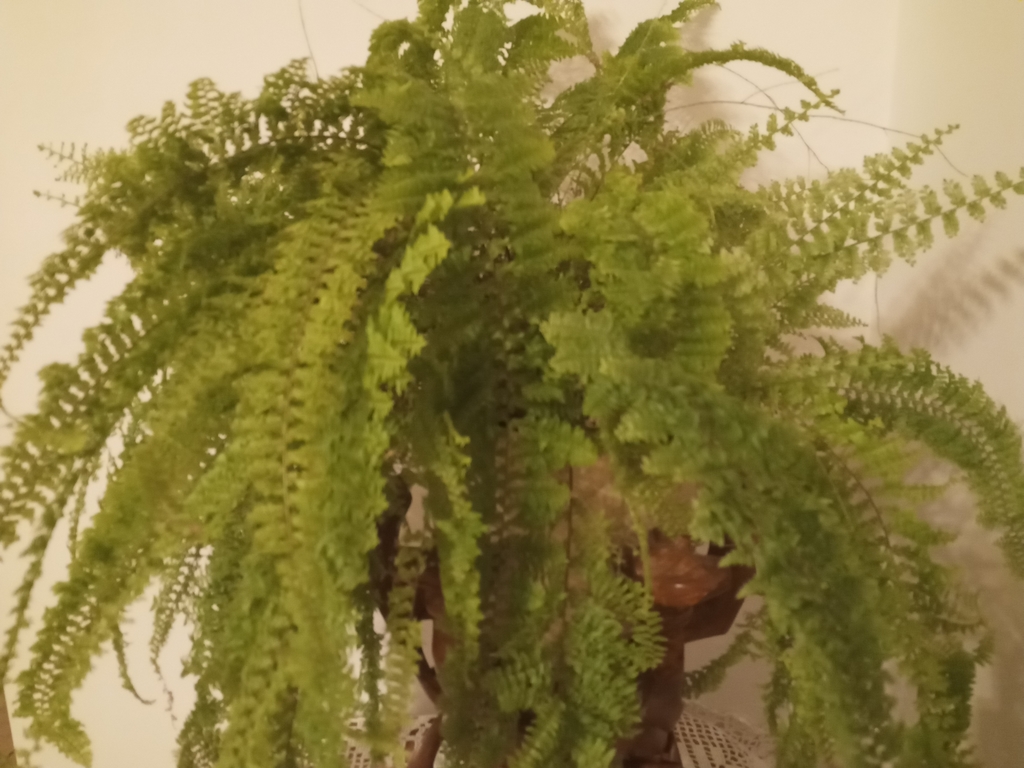
Boston Fern
Nephrolepis
Best for: Filling a space quickly, in a home with pets
Elite tier: top-scoring on every measure
✓ Strong signal Light tolerance: Bright indirect light; tolerates medium light; no hot direct sun, which scorches fronds
⚠ Watch out for Raining dry, tan leaflets all over the floor: usually low humidity. the classic winter complaint in heated rooms
Our take Boston ferns want two things without fail: evenly moist soil and humidity above 50%. Give both, plus bright indirect light, and they grow into huge, spilling baskets; miss either and they shed dry leaflets all over the floor.
Strengths
- Fast enough to see progress month to month
- Non-toxic to cats and dogs
- Inexpensive to start ($10–$30 in the US)
Trade-offs
- Wants higher humidity than most homes provide
- Watch for: raining dry, tan leaflets all over the floor
Care details
| Light | Bright indirect light; tolerates medium light; no hot direct sun, which scorches fronds |
| Water | Keep soil consistently moist; water when the surface just starts to dry, often twice a week in summer |
| Humidity | 50%+ preferred; the classic bathroom and covered-porch plant; dry heated air makes it shed |
| Temperature | 16-24°C (60-75°F); tolerates brief dips to 10°C (50°F); frost kills it |
| Toxicity | Non-toxic to cats, dogs, and humans |
| US price | $10–$30 |
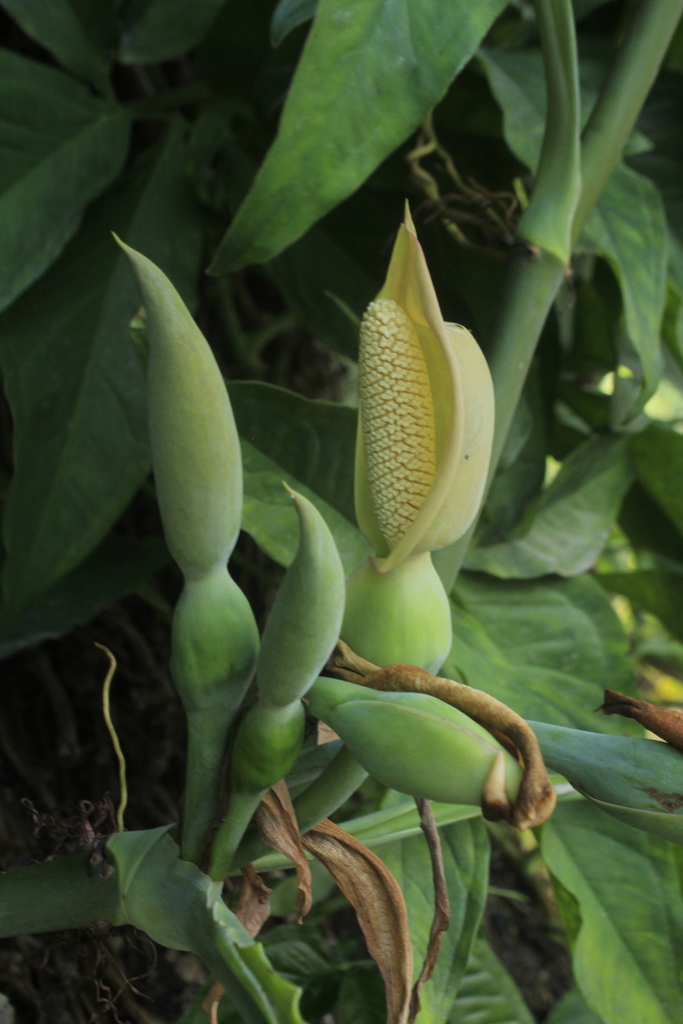
Arrowhead Plant
American evergreen
Best for: Filling a space quickly, if you forget to water
Elite tier: top-scoring on every measure
✓ Strong signal Light tolerance: Medium to bright indirect light; green forms tolerate low light, variegated forms fade there
⚠ Watch out for Whole plant suddenly limp and droopy: usually thirst. syngoniums wilt dramatically when dry
Our take Arrowhead plant is one of the easiest fast growers in the aroid family: medium to bright indirect light, water when the top few centimeters dry, and prune to keep it bushy or let it climb a moss pole. Cuttings root in plain water in days.
Strengths
- Fast enough to see progress month to month
- Beginner-friendly and forgiving of missed waterings
- Inexpensive to start ($6–$20 in the US)
Trade-offs
- Toxic to pets if chewed
- Wants higher humidity than most homes provide
- Watch for: whole plant suddenly limp and droopy
Care details
| Light | Medium to bright indirect light; green forms tolerate low light, variegated forms fade there |
| Water | When the top 2-3cm of soil dries. Roughly weekly; leaves visibly droop when thirsty and recover fast |
| Humidity | 40-60%; tolerant of average rooms, lusher with more |
| Temperature | 16-27°C (60-80°F); keep above 10°C |
| Toxicity | Toxic to cats, dogs, and humans (insoluble calcium oxalates) |
| US price | $6–$20 |
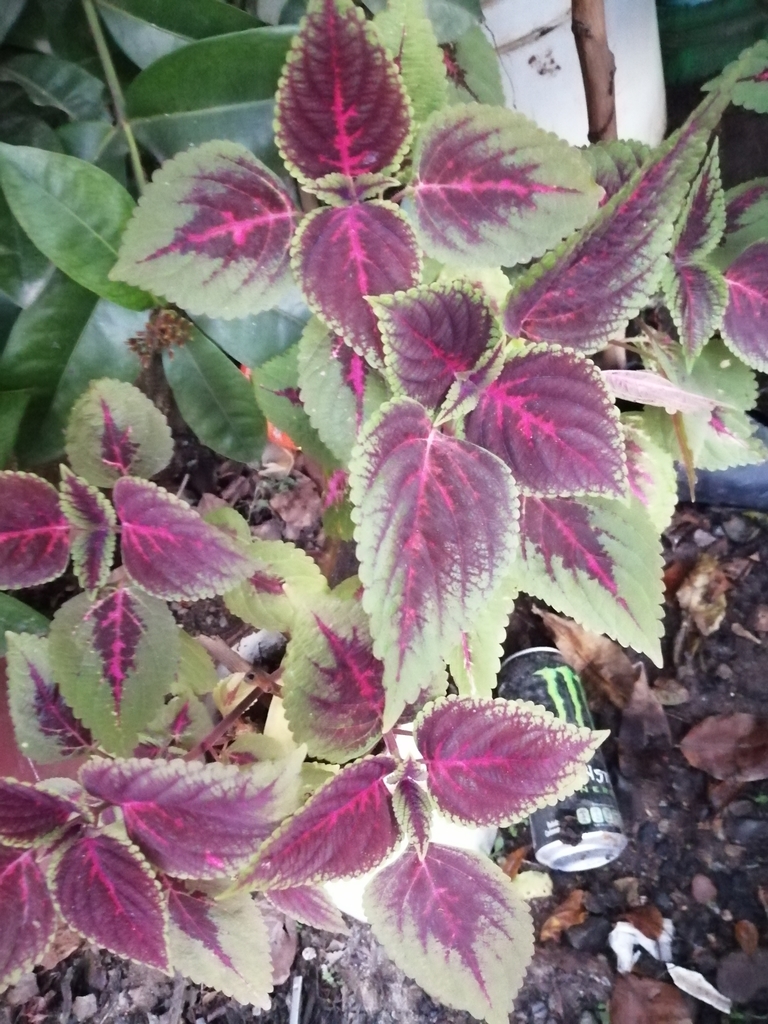
Coleus
Painted nettle
Best for: Filling a space quickly, if you forget to water
Elite tier: top-scoring on every measure
✓ Strong signal Light tolerance: Bright indirect light indoors, with some direct morning sun; deep colours need good light, but hot afternoon sun scorche
⚠ Watch out for Tall bare stems with leaves only at the tips: usually insufficient light, or no pinching
Our take Coleus is fast, cheap and colourful, and it is one of the easiest plants to propagate: a cutting in a glass of water roots in about a week. Indoors it needs a bright spot and steady moisture, and it wants pinching every few weeks or it turns leggy and flowers, at which point the
Strengths
- Fast enough to see progress month to month
- Beginner-friendly and forgiving of missed waterings
- Inexpensive to start ($4–$12 in the US)
Trade-offs
- Toxic to pets if chewed
- Wants higher humidity than most homes provide
- Watch for: tall bare stems with leaves only at the tips
Care details
| Light | Bright indirect light indoors, with some direct morning sun; deep colours need good light, but hot afternoon sun scorches |
| Water | Every 3-5 days; keep evenly moist, as it wilts dramatically when dry |
| Humidity | 40-60% preferred; average indoor air is usually acceptable |
| Temperature | 18-27°C (65-80°F); frost-tender and damaged below 10°C (50°F) |
| Toxicity | Toxic to cats and dogs; sap may irritate human skin |
| US price | $4–$12 |
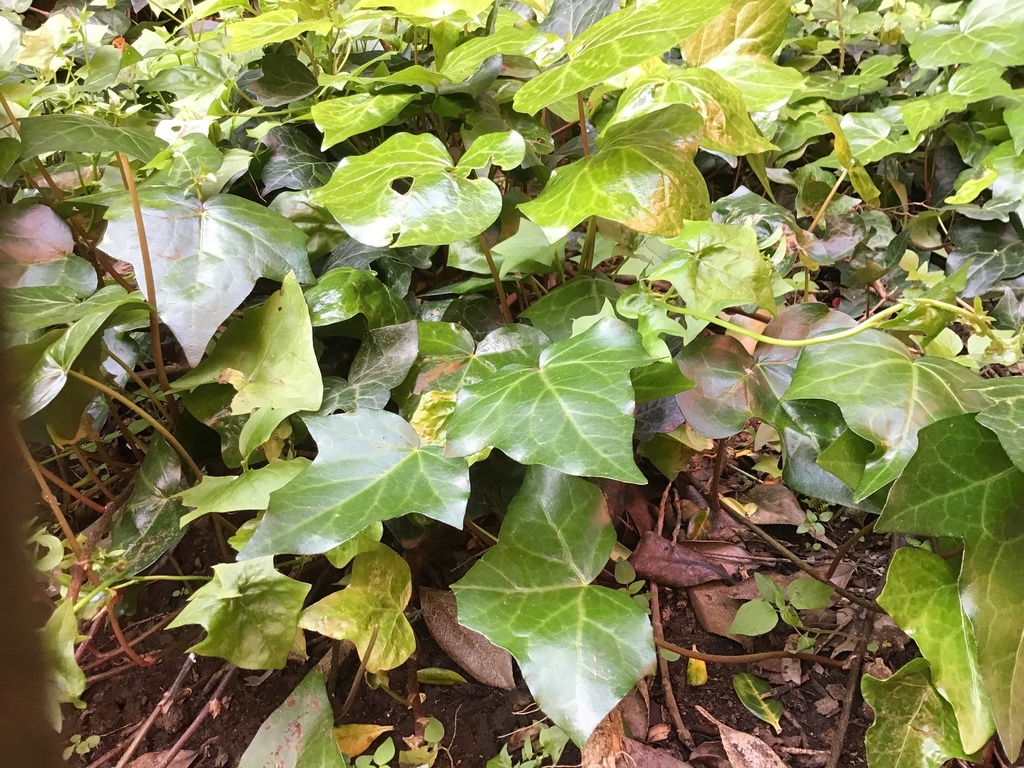
English Ivy
Hedera helix
Best for: Filling a space quickly, if you forget to water
Elite tier: top-scoring on every measure
✓ Strong signal Light tolerance: Tolerates low light indoors; variegated types need brighter light to keep their pattern
⚠ Watch out for Brown, crispy leaf tips: usually low humidity or underwatering
Our take English ivy is an easy, fast-growing trailing or climbing vine that tolerates low light and average home humidity. Water when the top inch of soil dries out, keep it out of direct sun, and prune regularly to control its spread.
Strengths
- Fast enough to see progress month to month
- Beginner-friendly and forgiving of missed waterings
- Inexpensive to start ($8–$20 in the US)
Trade-offs
- Toxic to pets if chewed
- Watch for: brown, crispy leaf tips
Care details
| Light | Tolerates low light indoors; variegated types need brighter light to keep their pattern |
| Water | Every 7-10 days; water when the top inch of soil is dry |
| Humidity | Prefers 40%+ humidity; dry indoor air causes brown leaf tips |
| Temperature | 13-24°C (55-75°F); tolerates cooler temperatures better than most houseplants |
| Toxicity | Toxic to pets and humans if ingested; sap can irritate skin |
| US price | $8–$20 |
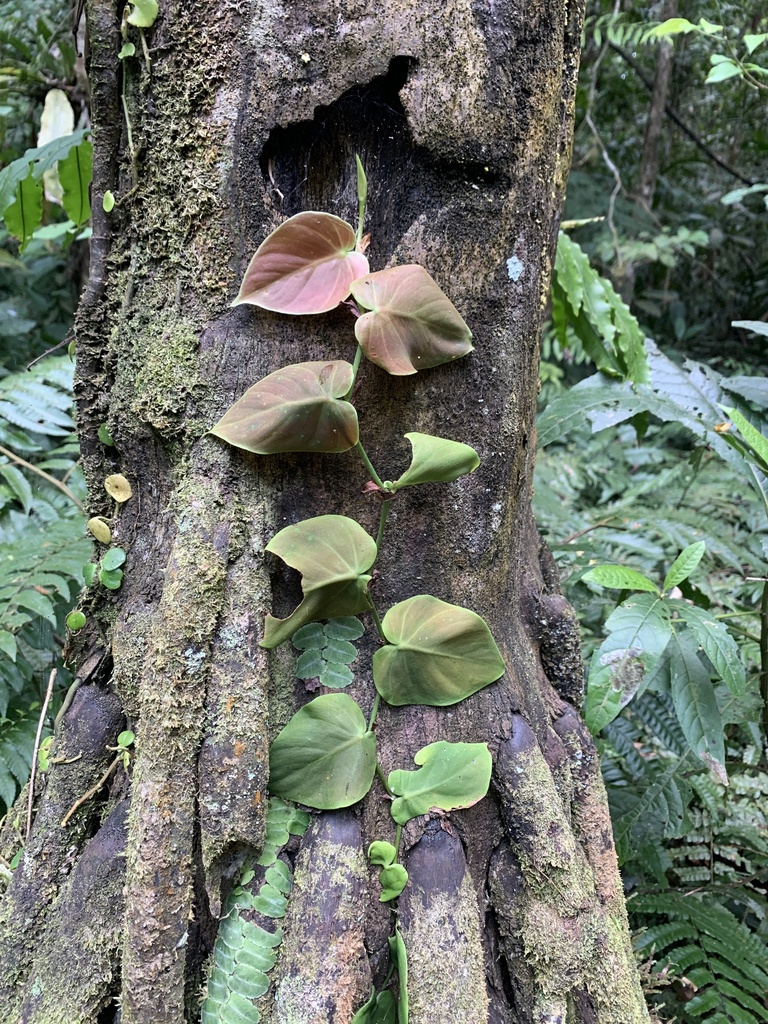
Philodendron
Philodendron hederaceum
Best for: Filling a space quickly, if you forget to water
Elite tier: top-scoring on every measure
✓ Strong signal Light tolerance: Low to bright indirect light; more light = faster, fuller growth
⚠ Watch out for Yellow leaves: usually overwatering
Our take Heartleaf philodendron is as easy as houseplants get: tolerates low light, forgives missed waterings, and trails or climbs for meters. Water when the top few centimeters dry (roughly weekly), pinch stems to keep it bushy, and root cuttings in water in under three weeks.
Strengths
- Fast enough to see progress month to month
- Beginner-friendly and forgiving of missed waterings
- Inexpensive to start ($8–$22 in the US)
Trade-offs
- Toxic to pets if chewed
- Wants higher humidity than most homes provide
- Watch for: yellow leaves
Care details
| Light | Low to bright indirect light; more light = faster, fuller growth |
| Water | Every 7-10 days; when the top 2-3cm of soil are dry |
| Humidity | Tolerates average home humidity; grows lusher above 50% |
| Temperature | 18-27°C (65-80°F); avoid below 13°C (55°F) |
| Toxicity | Toxic to cats and dogs if chewed |
| US price | $8–$22 |
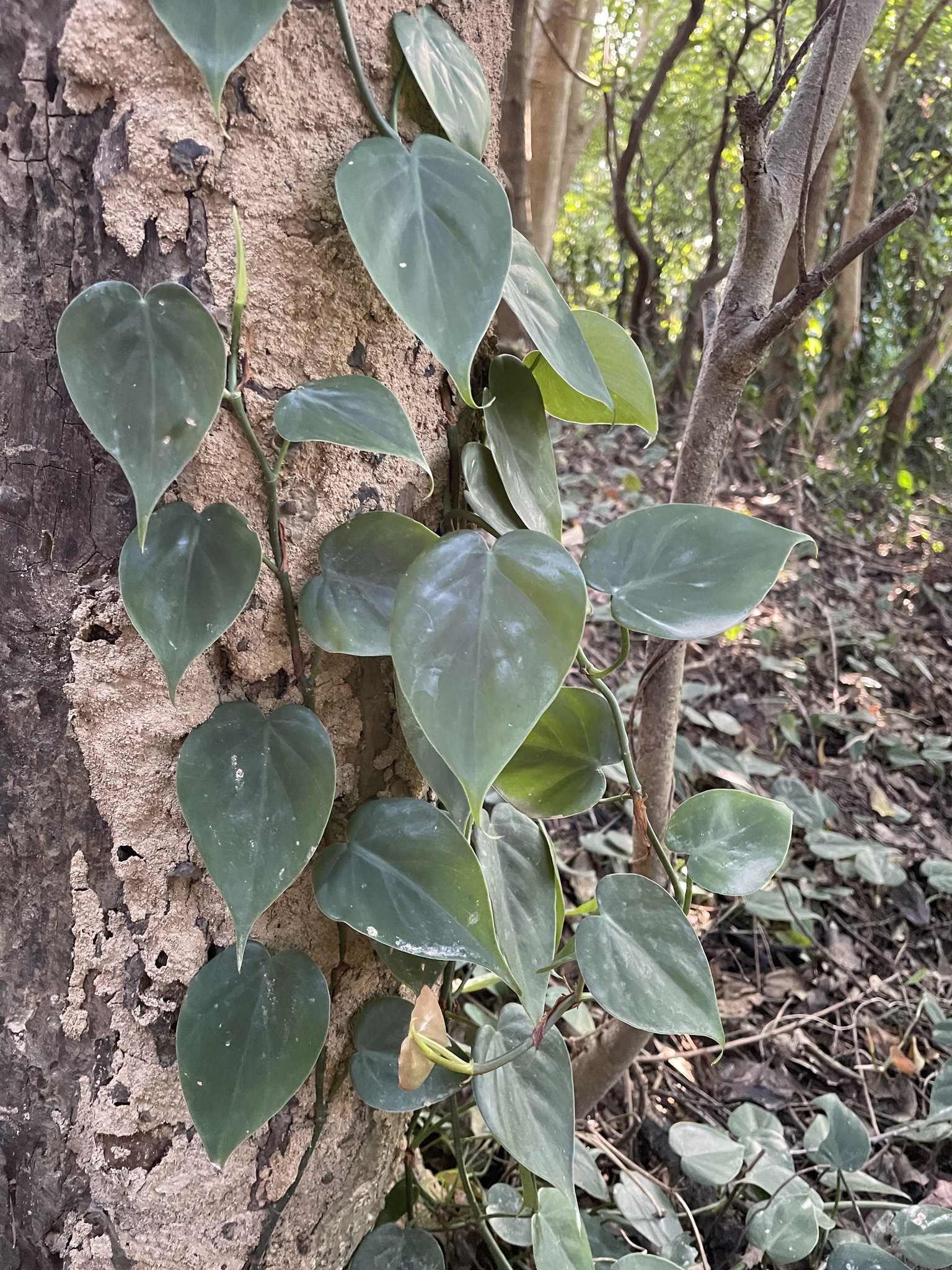
Philodendron Brasil
Philodendron hederaceum 'Brasil'
Best for: Filling a space quickly, if you forget to water
Elite tier: top-scoring on every measure
✓ Strong signal Light tolerance: Bright indirect light to hold variegation. A step brighter than the plain heartleaf needs; tolerates medium light but st
⚠ Watch out for New leaves solid green (reversion): usually too little light. green tissue outcompetes variegated tissue
Our take Brasil is the heartleaf philodendron with a lime-yellow racing stripe. Care is identical to the plain green base vine with one delta that matters: it needs brighter light.
Strengths
- Fast enough to see progress month to month
- Beginner-friendly and forgiving of missed waterings
- Inexpensive to start ($10–$25 in the US)
Trade-offs
- Toxic to pets if chewed
- Watch for: new leaves solid green (reversion)
Care details
| Light | Bright indirect light to hold variegation. A step brighter than the plain heartleaf needs; tolerates medium light but stripes fade |
| Water | Every 7-10 days, when the top 3-5cm of soil is dry |
| Humidity | Unfussy; ordinary home humidity is fine |
| Temperature | 18-27°C (65-80°F); keep above 13°C (55°F) |
| Toxicity | Toxic to cats, dogs, and humans if chewed (calcium oxalate crystals) |
| US price | $10–$25 |
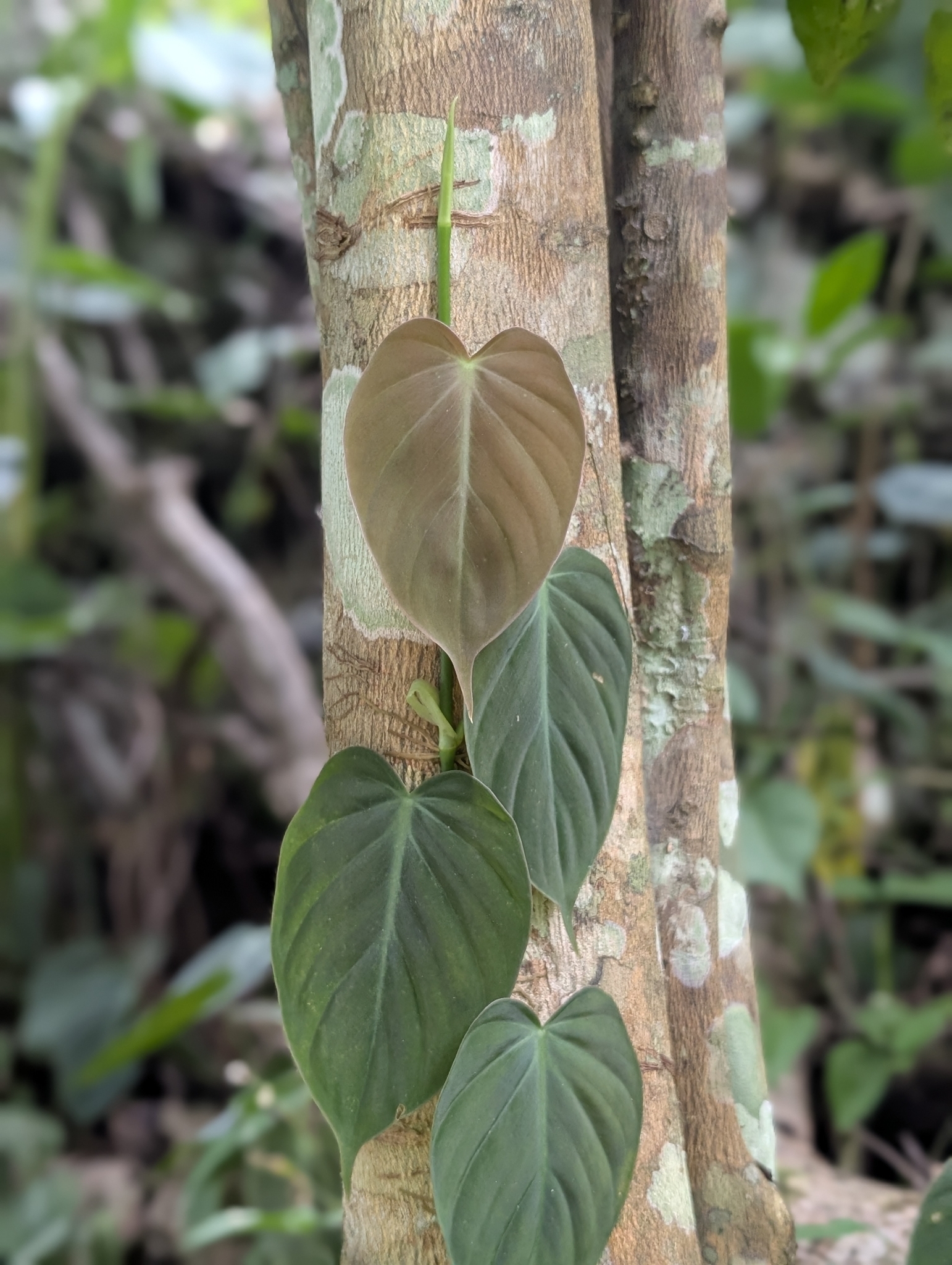
Philodendron Micans
Philodendron scandens micans
Best for: Filling a space quickly, if you forget to water
Elite tier: top-scoring on every measure
✓ Strong signal Light tolerance: Bright indirect light; tolerates medium light with slower, greener growth, but direct midday sun burns the velvet surfac
⚠ Watch out for Long bare stems with widely spaced small leaves: usually too little light
Our take Micans is the velvet form of the heartleaf philodendron, and it keeps that plant's forgiving nature: bright indirect light, water when the top few centimetres dry out, and it will trail a metre or more. New leaves emerge pinkish-bronze and darken to deep green with an iridescent
Strengths
- Fast enough to see progress month to month
- Beginner-friendly and forgiving of missed waterings
- Inexpensive to start ($10–$25 in the US)
Trade-offs
- Toxic to pets if chewed
- Wants higher humidity than most homes provide
- Watch for: long bare stems with widely spaced small leaves
Care details
| Light | Bright indirect light; tolerates medium light with slower, greener growth, but direct midday sun burns the velvet surface |
| Water | Every 7-10 days; water when the top 3-4cm of mix is dry |
| Humidity | 50%+ preferred; tolerates average indoor humidity better than a calathea |
| Temperature | 18-27°C (65-80°F); keep above 13°C (55°F) |
| Toxicity | Toxic to cats and dogs; irritating to humans if chewed or if sap contacts skin |
| US price | $10–$25 |
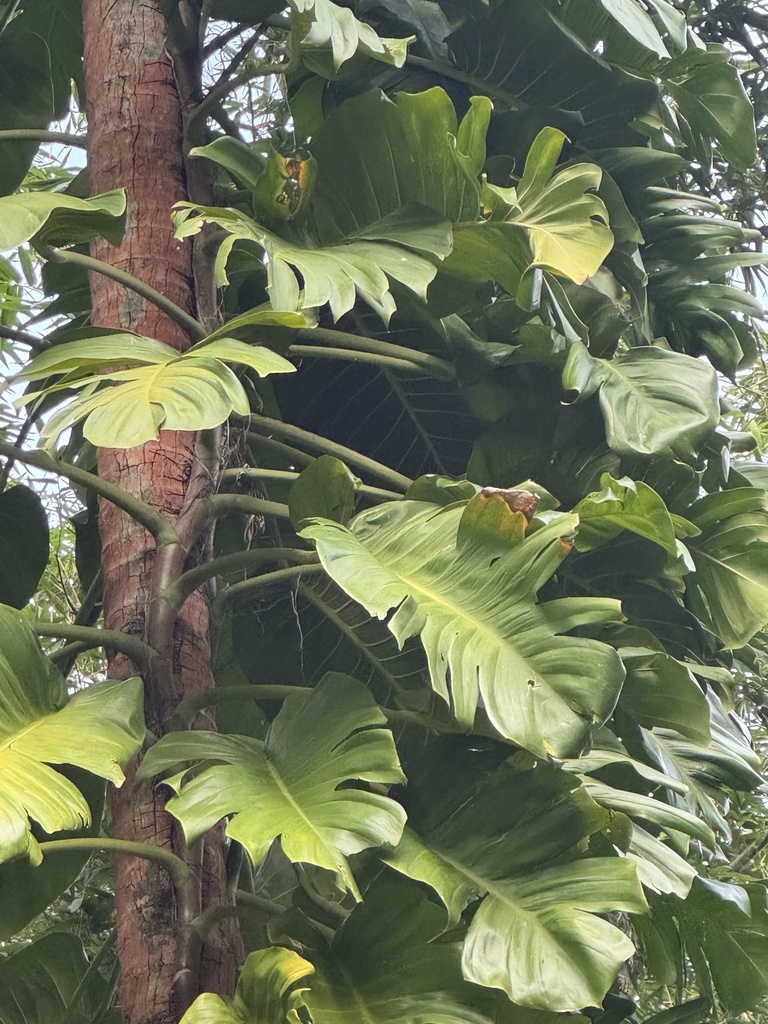
Pothos
Epipremnum aureum
Best for: Filling a space quickly, if you forget to water
Elite tier: top-scoring on every measure
✓ Strong signal Light tolerance: Tolerates low light; bright indirect light produces faster growth and stronger variegation
⚠ Watch out for Yellow leaves: usually overwatering
Our take Pothos is one of the easiest houseplants to grow: it tolerates low light, irregular watering, and neglect better than almost any other common indoor plant. Water every 7-14 days when the soil is dry, keep it out of direct sun, and expect vigorous trailing growth.
Strengths
- Fast enough to see progress month to month
- Beginner-friendly and forgiving of missed waterings
- Inexpensive to start ($10–$25 in the US)
Trade-offs
- Toxic to pets if chewed
- Watch for: yellow leaves
Care details
| Light | Tolerates low light; bright indirect light produces faster growth and stronger variegation |
| Water | Every 7-14 days; let the top 2-3in of soil dry out between waterings |
| Humidity | Tolerates average home humidity (30-40%) without issue |
| Temperature | 18-29°C (65-85°F); avoid below 10°C (50°F) |
| Toxicity | Toxic to cats, dogs, and humans if ingested. Calcium oxalate crystals cause oral irritation, drooling, and vomiting |
| US price | $10–$25 |
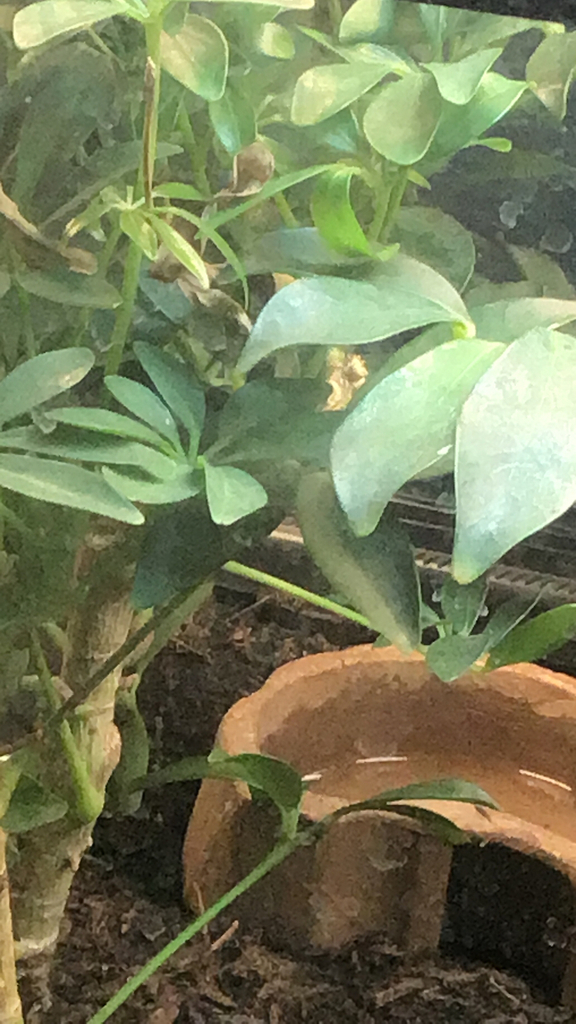
Umbrella plant
Hawaiian schefflera
Best for: Filling a space quickly, if you forget to water
Elite tier: top-scoring on every measure
✓ Strong signal Light tolerance: Bright indirect light; tolerates medium light but grows leggy; variegated forms need more light
⚠ Watch out for Leaves dropping steadily: usually overwatering or a spot that's too dark
Our take The umbrella plant is one of the fastest, most forgiving indoor shrubs: give it bright indirect light and water when the top of the soil dries, and it can put on 30cm or more a year. It shrugs off pruning (it's a classic beginner bonsai) but drops leaves in dark corners and soggy
Strengths
- Fast enough to see progress month to month
- Beginner-friendly and forgiving of missed waterings
- Inexpensive to start ($10–$30 in the US)
Trade-offs
- Toxic to pets if chewed
- Watch for: leaves dropping steadily
Care details
| Light | Bright indirect light; tolerates medium light but grows leggy; variegated forms need more light |
| Water | When the top 3-4cm of soil dries, roughly every 7-10 days |
| Humidity | Average home humidity is fine |
| Temperature | 16-27°C (60-80°F); keep above 10°C (50°F) |
| Toxicity | Toxic to cats and dogs (calcium oxalate crystals); sap can irritate skin |
| US price | $10–$30 |
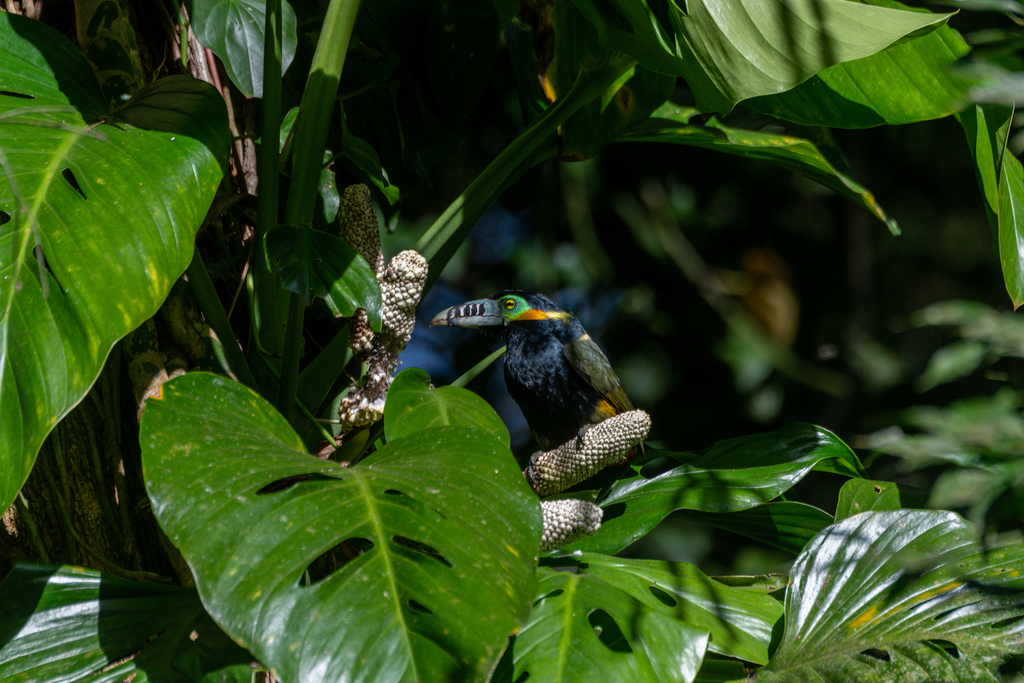
Monstera Adansonii
Monstera adansonii
Best for: Filling a space quickly, if you forget to water
Elite tier: top-scoring on every measure
✓ Strong signal Light tolerance: Bright, indirect light; fewer holes form in low light
⚠ Watch out for Yellow leaves: usually overwatering or poor drainage
Our take Monstera adansonii is the smaller, faster, vining cousin of Monstera deliciosa. Its leaf holes stay enclosed ovals rather than splitting to the edge.
Strengths
- Fast enough to see progress month to month
- Beginner-friendly and forgiving of missed waterings
- Inexpensive to start ($15–$35 in the US)
Trade-offs
- Toxic to pets if chewed
- Wants higher humidity than most homes provide
- Watch for: yellow leaves
Care details
| Light | Bright, indirect light; fewer holes form in low light |
| Water | Every 5-8 days; water when the top 2in of soil is dry |
| Humidity | 50%+ preferred; tolerates average home humidity |
| Temperature | 18-27°C (65-80°F); avoid below 13°C (55°F) |
| Toxicity | Toxic to pets and humans if ingested |
| US price | $15–$35 |
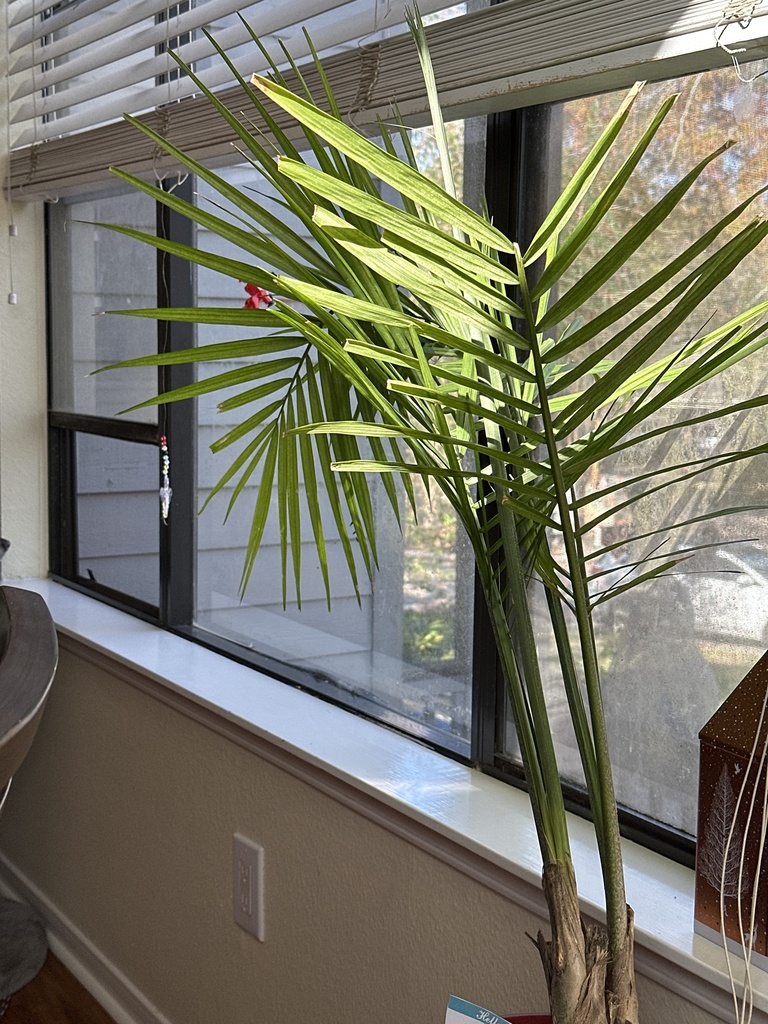
Majesty Palm
Ravenea rivularis
Best for: Filling a space quickly, in a home with pets
Strong pick: one clear trade-off
✓ Strong signal Light tolerance: Very bright light, including some gentle direct sun; this is not a low-light palm despite how it is often sold
⚠ Watch out for Steady yellowing and browning fronds from the bottom up: usually the classic indoor decline: not enough light combined with dry air and irregular watering
Our take Honest verdict: the majesty palm is a riverbank palm that wants very bright light, constantly moist soil, and high humidity, more than most homes provide, which is why so many decline within a year of purchase. It is cheap ($25-$60 for a big plant) and pet-safe, but if you want a
Strengths
- Fast enough to see progress month to month
- Non-toxic to cats and dogs
Trade-offs
- Wants higher humidity than most homes provide
- Watch for: steady yellowing and browning fronds from the bottom up
Care details
| Light | Very bright light, including some gentle direct sun; this is not a low-light palm despite how it is often sold |
| Water | Keep soil evenly moist at all times. Often 1-2 times a week; never let the root ball dry out fully |
| Humidity | High (50%+); dry air quickly browns frond tips and invites spider mites |
| Temperature | 18-29°C (65-85°F); protect from cold drafts and anything below 4°C (40°F) |
| Toxicity | Non-toxic to cats, dogs, and humans |
| US price | $25–$60 |
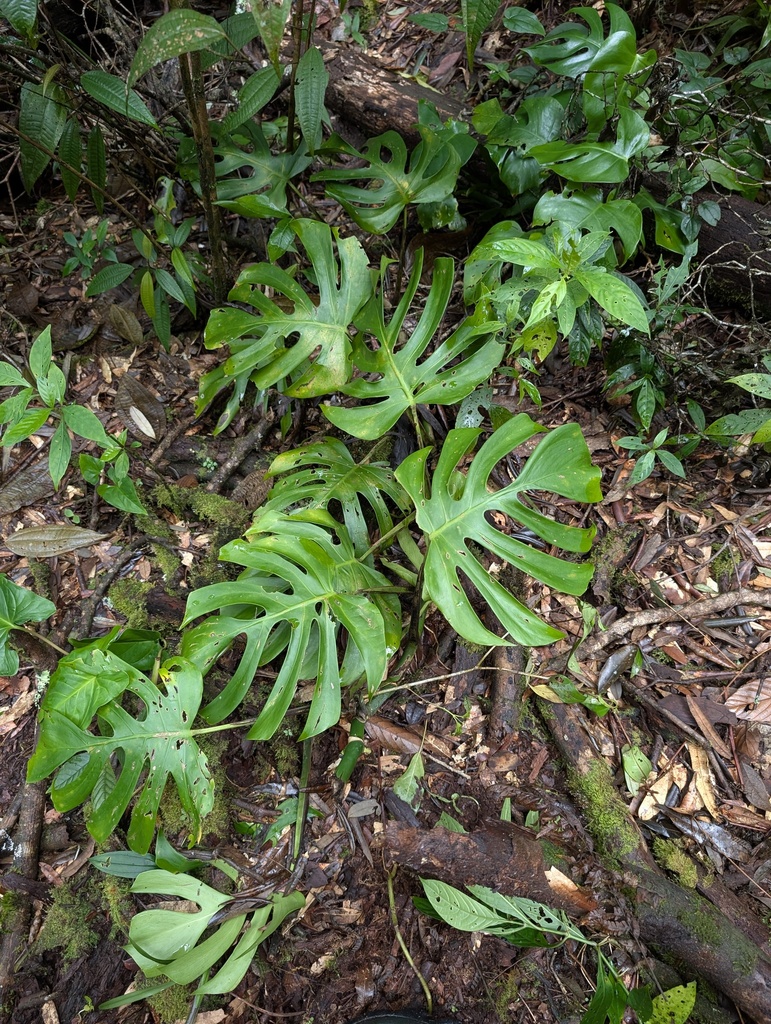
Monstera Deliciosa
Monstera deliciosa
Best for: Filling a space quickly, if you forget to water
Strong pick: one clear trade-off
✓ Strong signal Light tolerance: Bright, indirect light; tolerates medium light but grows and fenestrates slower
⚠ Watch out for Yellow leaves: usually overwatering or poor drainage
Our take Monstera deliciosa is a fast-growing, beginner-friendly houseplant that needs bright indirect light, water every 7-10 days, and a well-draining pot. It's toxic to pets, propagates easily from stem cuttings, and typically costs $25-$75 (non-variegated).
Strengths
- Fast enough to see progress month to month
- Beginner-friendly and forgiving of missed waterings
Trade-offs
- Toxic to pets if chewed
- Wants higher humidity than most homes provide
- Watch for: yellow leaves
Care details
| Light | Bright, indirect light; tolerates medium light but grows and fenestrates slower |
| Water | Every 7-10 days; let the top 2-3in of soil dry out between waterings |
| Humidity | 50%+ preferred; tolerates average home humidity (30-40%) |
| Temperature | 18-29°C (65-85°F); avoid below 13°C (55°F) |
| Toxicity | Toxic to cats, dogs, and humans if ingested. Calcium oxalate crystals cause oral irritation, drooling, and vomiting |
| US price | $25–$75 |
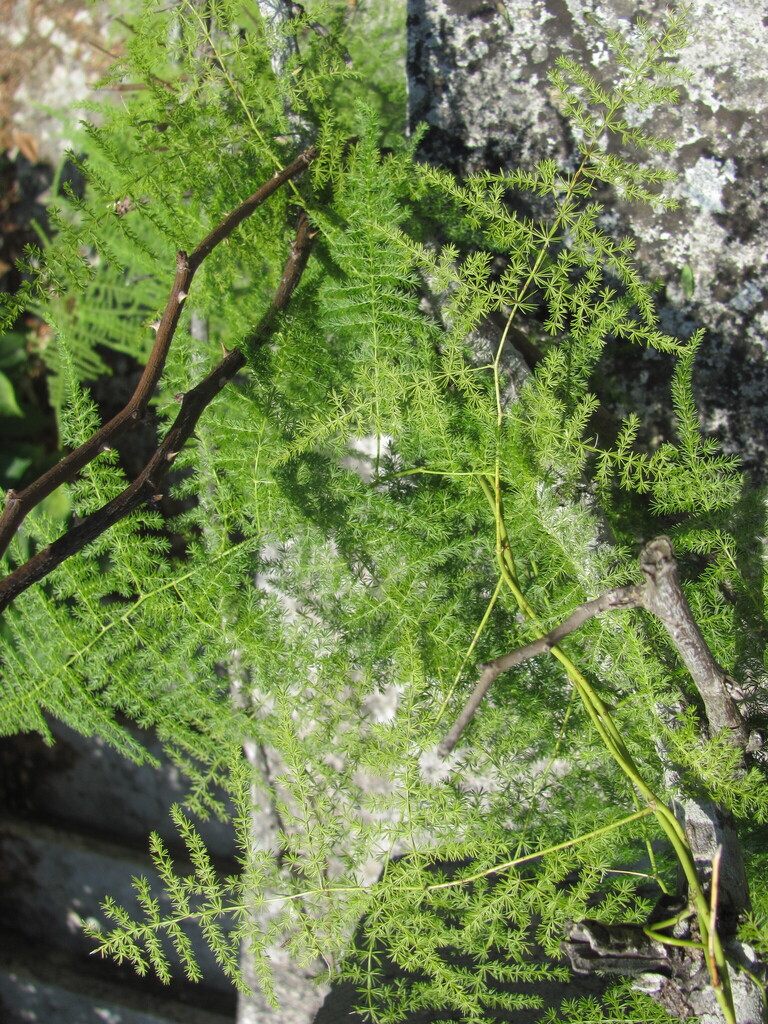
Asparagus Fern
Climbing asparagus
Best for: Filling a space quickly
Strong pick: one clear trade-off
✓ Strong signal Light tolerance: Bright indirect light; tolerates light shade; hot direct sun yellows the foliage
⚠ Watch out for Needles yellowing and shedding in showers: usually too much direct sun, or drought stress followed by heavy watering
Our take Asparagus fern gives you fern looks without fern fragility: bright indirect light, water when the top few centimeters dry, and it bounces back from lapses thanks to water-storing tuberous roots. Watch for two surprises.
Strengths
- Fast enough to see progress month to month
- Inexpensive to start ($6–$18 in the US)
Trade-offs
- Toxic to pets if chewed
- Wants higher humidity than most homes provide
- Watch for: needles yellowing and shedding in showers
Care details
| Light | Bright indirect light; tolerates light shade; hot direct sun yellows the foliage |
| Water | When the top 2-3cm of soil dries. Roughly weekly in summer; tuberous roots forgive missed waterings |
| Humidity | Prefers 40-60%; tolerates average rooms far better than true ferns |
| Temperature | 18-27°C (65-80°F); keep above 10°C (50°F) |
| Toxicity | Mildly toxic: berries cause GI upset in cats and dogs; sap can irritate skin (wear gloves when pruning) |
| US price | $6–$18 |
Stop guessing whether that corner is bright enough
Sodate measures the actual light where your plant sits and builds its watering schedule from that reading and your season, not a fixed interval. Currently in development.
See Sodate: coming soonWhat to check before buying
- Ask where the plant was grown. Greenhouse-grown stock looks perfect for weeks on stored energy before it shows dim-room stress
- Check leaf spacing on the stem: wide gaps mean it was already stretching for light before you bought it
- Choose plain-green over variegated for genuinely dim spots. Variegated leaves have less chlorophyll and need more light
- Inspect leaf undersides and stem joints for pests, which spread faster on plants stressed by low light
- Confirm pet toxicity yourself if you have cats or dogs, rather than relying on shelf labels
Red flags to walk away from
- Fast growth promised without a light requirement attached. Nearly every fast plant is only fast in bright light.
- Vining plants sold without a support. They grow quickly and then sprawl, which is a pruning commitment, not a decor choice.
- 'Grows quickly' used to sell a plant that will outgrow the room. Check the mature size before the growth rate.
- Plants photographed in bright greenhouse conditions and sold for dim rooms. Ask how long the plant was grown under that light.
Best time to buy
Buy in early spring. You get the entire growing season ahead of you, the plant establishes before winter, and you see the growth these plants are bought for rather than waiting months for it to start.
Frequently asked questions
Why has my fast-growing plant stopped growing?
Almost always light, and secondarily season. Most of these plants slow or stop from late autumn to early spring regardless of care, and a plant described as fast will be slow in a dim corner.
Do fast-growing plants need more fertiliser?
More than slow ones, yes, but only during active growth. Feeding a dormant plant in winter does nothing useful and salt build-up in the soil can burn the roots.
Will a fast grower outgrow my space?
Several here will. Check the mature size row on each profile. Fast plus large is a pruning commitment; fast plus compact is the combination most people actually want.
How do I judge the light in my room?
Look at the shadow cast on a bright day. A sharp-edged shadow means direct sun, a soft but definite shadow means bright indirect, and a barely visible shadow means low light.
Should I rotate my indoor plants?
Yes, a quarter turn every week or two. Indoor light is directional in a way outdoor light is not, and rotating prevents the lopsided growth that follows.
Limitations of this ranking
Stated plainly, so you can judge how much weight to give it:
- No physical testing. Nothing here was grown, timed or measured by us. Every score is computed from the structured care data on this site, which is compiled from the botanical and horticultural sources listed below.
- Prices are researched ranges, not live quotes. They are typical retail for a standard starter size and will drift. Each plant profile carries the regional breakdown for five countries.
- Scores are relative to this directory, which holds 208 profiles. A plant absent from the directory cannot appear here, so this is not a claim about every plant in existence.
- Care data is species-level. Your light, your water and your home will move any of these plants up or down more than the gap between adjacent ranks.
- No credentialed horticulturist has reviewed this. These pages are compiled and edited against a published rubric and cited sources. Where a claim matters, the source is linked below so you can check it rather than take it on authority. Our review panel page lists every section that has no expert reviewer yet and the credential we require to fill it.
Sources
Of the 208 plant profiles in this directory, 19 meet the entry bar for fast-growing indoor plants (9%). 4 of the 15 ranked here are non-toxic to cats and dogs, and the median entry price across the list is $10.
- ASPCA Toxic and Non-Toxic Plant List. Species-level toxicity to cats and dogs, used for every pet-safety score.
- GBIF (Global Biodiversity Information Facility). Accepted botanical names and taxon identifiers for every profile.
- iNaturalist. Source of the CC-licensed photographs, with photographer and licence credited per image.
- RHS Plant Finder. UK cultivation guidance, hardiness ratings and cultivar naming.
- Missouri Botanical Garden Plant Finder. Cross-checked culture notes, mature size and problem diagnosis.
Editorial disclosure: no plant on this page is sponsored, and Sodate takes no payment, commission or affiliate revenue for placement. Rankings are generated from the data by the scoring code in this site's repository, not chosen by hand. Published , last updated .