 Sodate
On this page
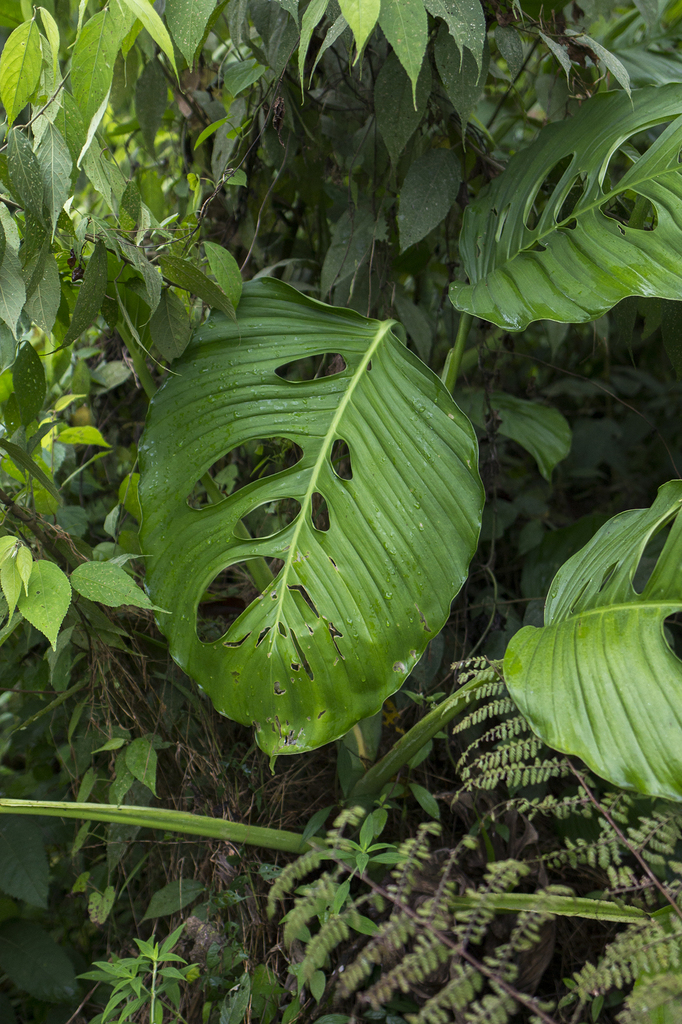
Monstera adansonii is the smaller, faster, vining cousin of Monstera deliciosa. Its leaf holes stay enclosed ovals rather than splitting to the edge. Give it bright indirect light, water when the top 2 inches of soil dry, and a trellis or hanging basket. It's toxic to pets, roots in water within 2-3 weeks, and typically costs $15-$35.
Key facts
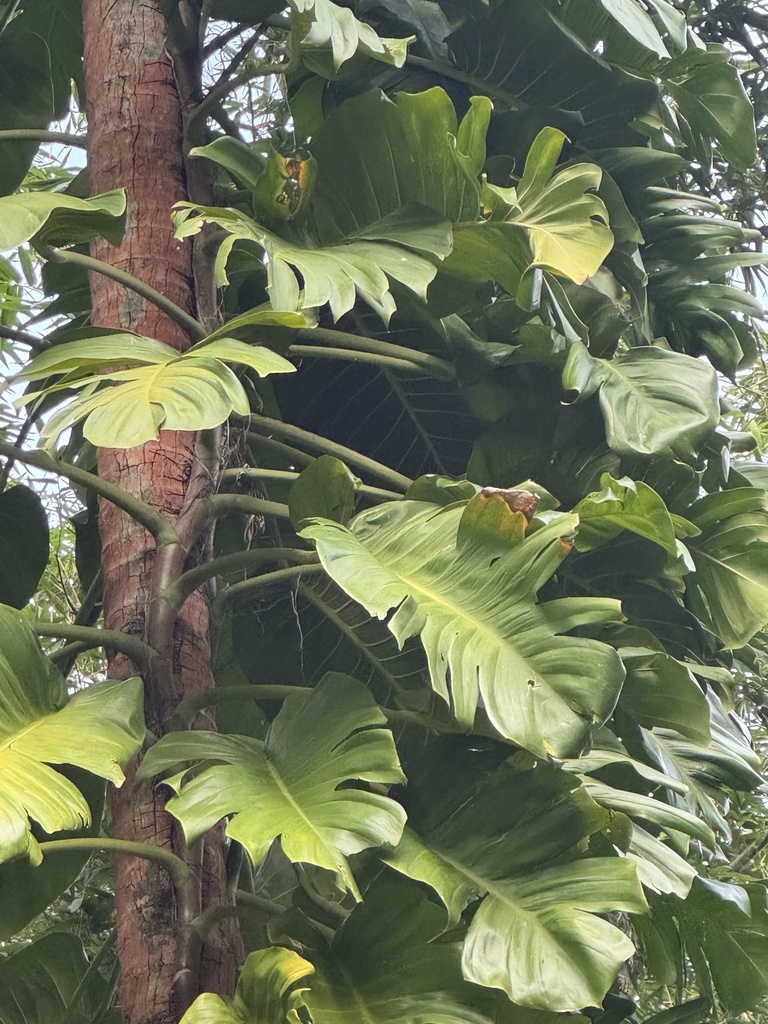
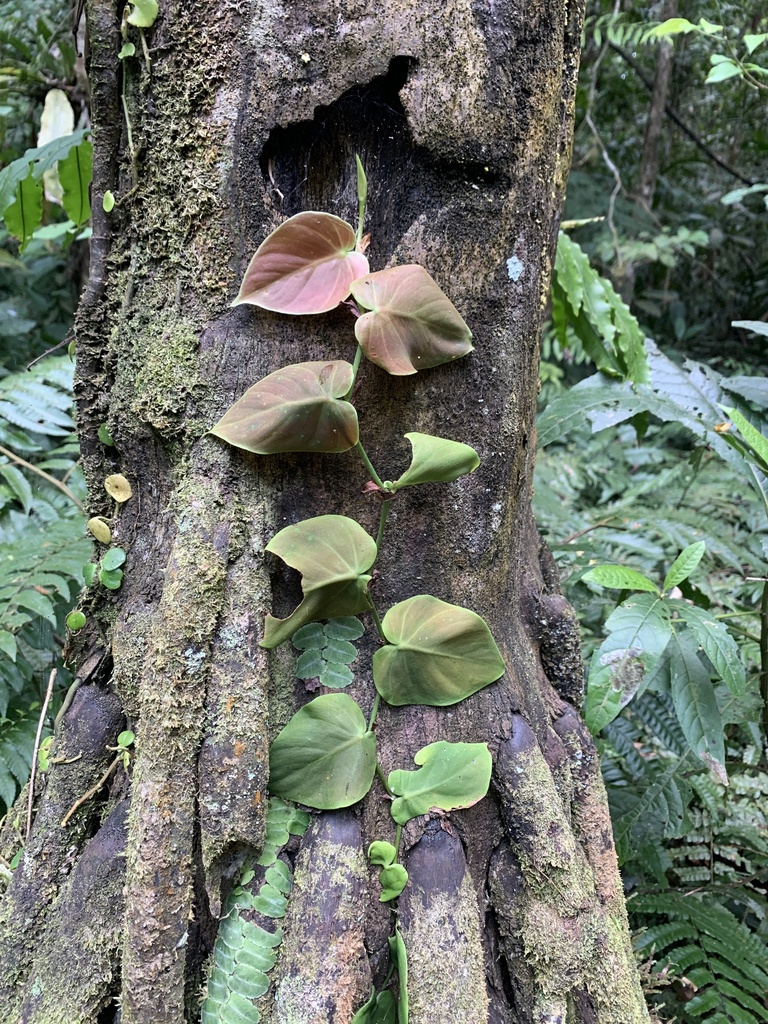
- Native to Central and South America, where it climbs trees as an epiphyte-like vine using aerial roots.
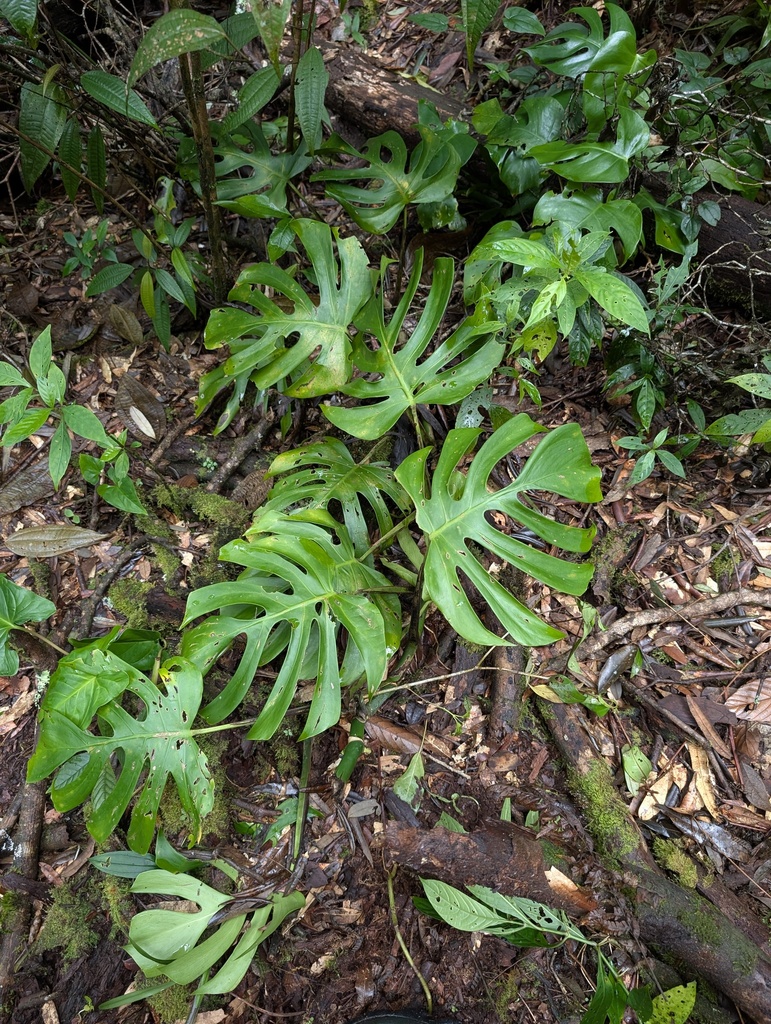
- Leaf holes (fenestrations) develop as enclosed ovals within the leaf. Unlike Monstera deliciosa's splits, which cut through to the leaf edge.
- Grows much faster than deliciosa, extending trailing vines 60cm+ per year in good light.
- Toxic to cats and dogs if chewed, like all monstera species (calcium oxalate crystals).
Care requirements#
| Plant type | Indoor (can grow outdoors year-round in USDA 10-12) |
| Growing medium | Soil, chunky well-draining aroid mix |
| Light needs | Bright, indirect light; fewer holes form in low light |
| Water frequency | Every 5-8 days; water when the top 2in of soil is dry |
| Humidity | 50%+ preferred; tolerates average home humidity |
| Temperature range | 18-27°C (65-80°F); avoid below 13°C (55°F) |
| Fertilizer | Balanced liquid feed, half strength, monthly through spring-summer |
| Soil pH | 5.5-7.0 |
| Drainage needs | High: chunky mix prevents the root rot this plant is prone to |
| Pot recommendation | Hanging basket for trailing, or pot with moss pole for climbing (leaves grow larger when climbing) |
| Hardiness zone (outdoor) | USDA 10-12 |
| Toxicity | Toxic to pets and humans if ingested |
Growth & propagation#
| Mature vine length | 2-4m indoors trailing or climbing |
| Growth rate | Fast: 60cm+ of new vine per year in bright light |
| Propagation methods | Stem cuttings with a node, in water or moist soil |
| Propagation difficulty | Beginner-friendly: roots in water in 2-3 weeks |
| Repotting schedule | Every 1-2 years, or when roots circle the pot |
| Pruning needs | Trim leggy vines to shape; every cutting is a propagation opportunity |
Common problems & troubleshooting#
| Symptom | Likely cause | Fix |
|---|---|---|
| Yellow leaves | Overwatering or poor drainage | Let soil dry more between waterings; use a chunkier aroid mix |
| No holes in new leaves | Insufficient light or juvenile growth | Move to brighter indirect light; holes develop as the plant matures |
| Brown, crispy leaf edges | Low humidity or underwatering | Raise humidity; water more consistently |
| Leggy vines with small leaves | Insufficient light | Brighter light, or train onto a moss pole. Climbing triggers larger leaf growth |
| Fine webbing on leaves | Spider mites | Rinse leaves, raise humidity, treat with insecticidal soap weekly |
Never guess when to water this again
Sodate reads your actual light and season, then builds this vine's watering quests around them, not a fixed schedule.
Seasonal care#
Varieties & cultivars#
| Variety | Distinguishing trait | Note |
|---|---|---|
| 'Variegata' (variegated adansonii) | White marbled variegation | Collector plant commanding 10-30x base price |
| Wide form | Rounder, wider leaves with larger holes | Subtle natural variation, popular with collectors |
| Narrow form | Slimmer, more elongated leaves | The most common retail form |
Buying checklist#
- Leaves show developing holes. Completely solid leaves may mean deep juvenility or low-light growing
- No yellowing or blackened stems at the soil line
- Aerial roots present at nodes (healthy vining growth)
- For variegated plants, confirm stable variegation with growth-history photos
Pricing by region#
| Region | Price range | Typical unit | Basis |
|---|---|---|---|
| US | $15 – $35 | 6in pot or hanging basket | Nursery + big-box retail |
| UK | $12 – $28 | 14cm pot | Garden centre retail |
| India | $3 – $8 | 6in pot | Urban nursery + online |
| Australia | $14 – $33 | 150mm pot | Nursery + garden centre |
| Canada | $15 – $34 | 6in pot | Garden centre retail |
USD figures are approximate conversions for comparison; switch the dropdown to see each region's actual local-currency listing price.
Often confused with#
Name confusion warning#
Often confused with "Monstera obliqua." True Monstera obliqua is an extremely rare collector species with papery leaves that are more hole than leaf, and virtually never sold at retail. Plants labeled obliqua at normal prices are almost always adansonii. Treat cheap "obliqua" listings as mislabeled.
Where it's actually grown#
Adansonii's fast vining growth makes it easy to mass-propagate from cuttings, with commercial production centered in Florida, the Netherlands, and Southeast Asia. Its rapid growth also makes it one of the most commonly friend-shared aroids after pothos.
Import & biosecurity restrictions#
| Region | Note |
|---|---|
| Australia | Live plant imports restricted under biosecurity law; widely available domestically. |
| US | Domestic sale unrestricted; outdoor growing viable only in South Florida and similar zones. |
| UK | No specific restriction; grown as a houseplant. |
| India | No restriction; grows quickly in warm, humid Indian conditions. |
| Canada | CFIA permits required for commercial imports; grown as a houseplant. |
Similar plants
Ranked in these guides
Did you know?
Frequently asked questions
What's the difference between Monstera adansonii and deliciosa?
Adansonii has smaller leaves with enclosed oval holes and grows as a trailing/climbing vine; deliciosa has much larger leaves with splits reaching the leaf edge and grows upright.
How much does Monstera adansonii cost?
A standard 6-inch pot or hanging basket typically runs $15-$35 in the US; variegated forms cost 10-30x more.
Is Monstera adansonii pet-safe?
No, like all monsteras it's toxic to cats and dogs if chewed, causing oral irritation and vomiting.
Why doesn't my adansonii have holes?
Young leaves and low-light growth often lack holes. They develop with maturity and brighter indirect light.
Is Monstera obliqua the same as adansonii?
No. True obliqua is an extremely rare collector plant almost never sold at retail. Affordable plants labeled obliqua are nearly always adansonii.